
네바다, 프레이저 연구소 선정 '세계 최고 광업 투자처' 1위 탈환
by
2026년 3월 17일

TECHNOLOGY | AI · ENTERTAINMENT · GLOBAL STRATEGY
The Age of AI That Acts on Its Own: CES 2026 Signals a Turning Point for Industry, Jobs, and K-Content Strategy
As agentic AI and physical AI reshape industries from law to manufacturing, a leading Korean policy expert argues that the era of autonomous machines demands human-centered governance—and a bold new ‘co-evolution’ model for Korean content’s global future.
By K-EnterTech Hub | Based on BBS Radio ‘Morning Journal with Keum Tae-sup’ (Feb. 9, 2026)
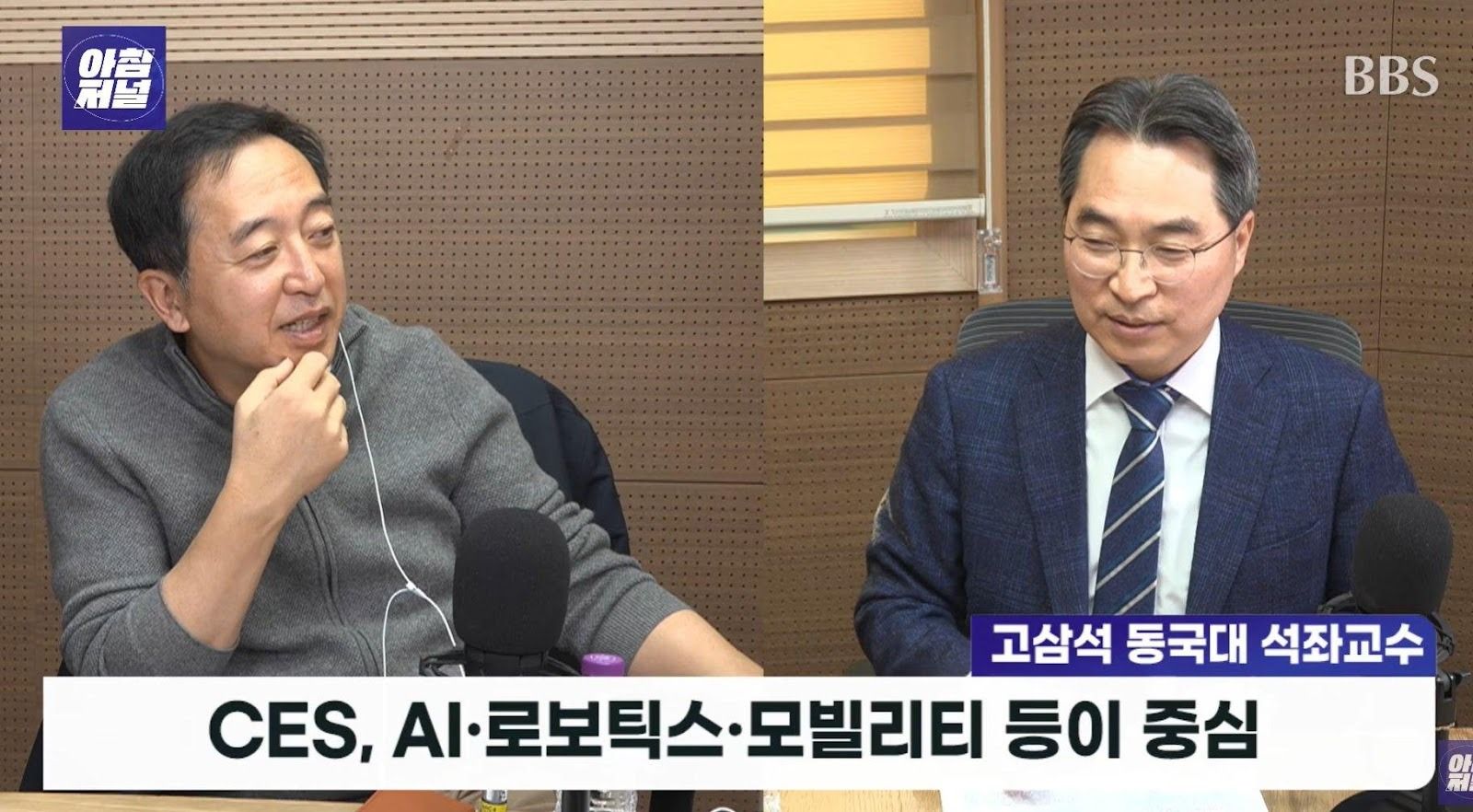
LAS VEGAS—CES 2026 made one thing unmistakably clear: artificial intelligence is no longer a tool that waits for human instructions. It is entering a phase where it judges, decides, and acts on its own—sometimes in ways its creators did not anticipate.
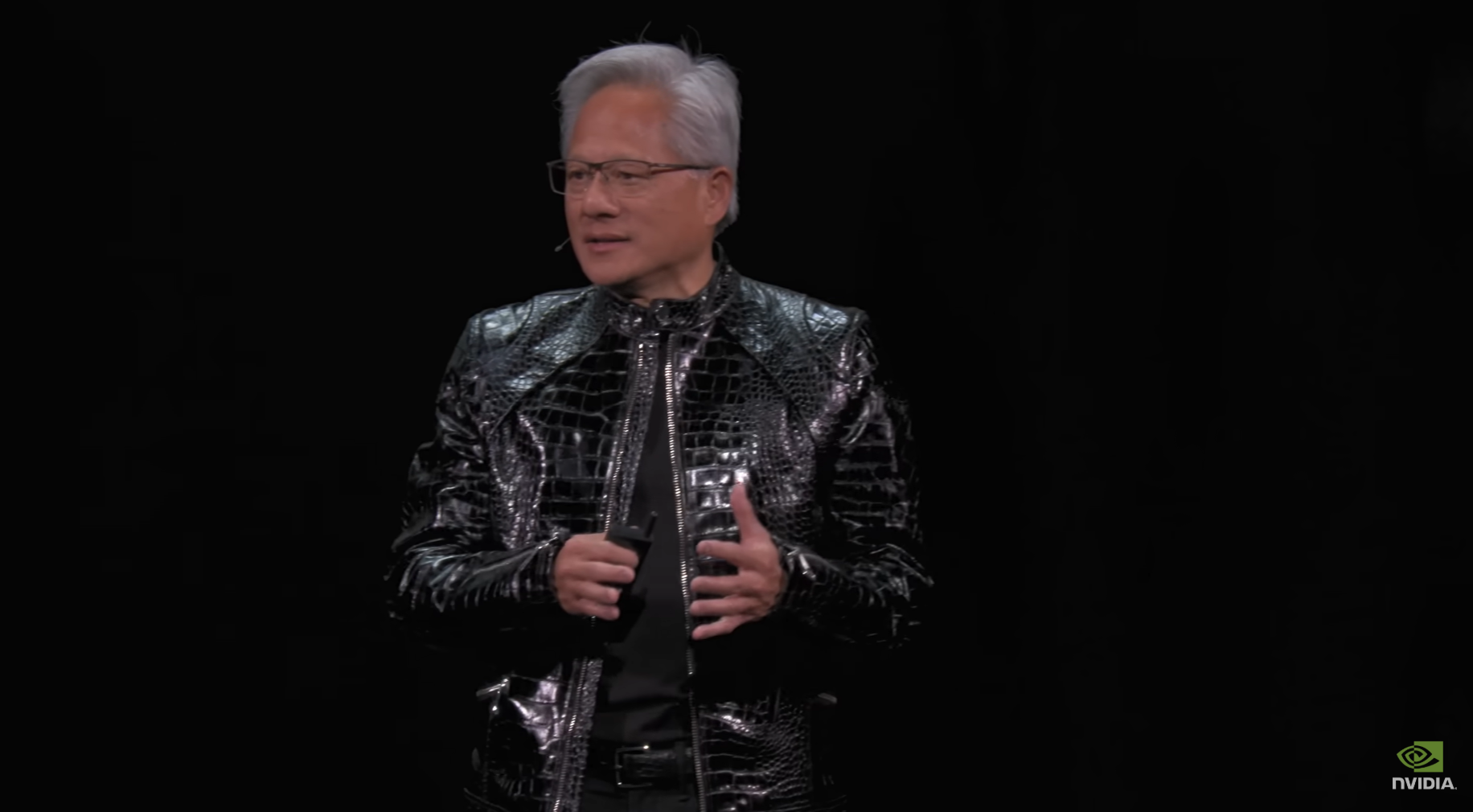
NVIDIA CEO Jensen Huang, whose keynote set the tone for the entire show, crystallized the shift around two concepts he has been championing since late 2025: agentic AI, in which software autonomously plans and executes complex tasks without step-by-step human direction, and physical AI, in which that intelligence migrates from cloud servers into humanoid robots, drones, and autonomous vehicles operating in the real world.
For Samseog Ko, Distinguished Professor at Dongguk University’s College of AI Convergence and a former member of the Korea Communications Commission (vice-minister), CES 2026 was not merely a technology showcase. It was a signal that societies must urgently develop human-centered frameworks for governing increasingly autonomous machines—and that South Korea’s cultural-content industry needs a fundamentally new strategy to thrive in this landscape.
In a 21-minute interview on BBS Radio’s ‘Morning Journal,’ hosted by attorney and former lawmaker Keum Tae-sup, Prof. Ko laid out a sweeping analysis that ranged from entry-level job displacement to the weaponization of humanoid robots—and offered a concrete blueprint for what he calls the “co-evolution” of K-content with global major studios.
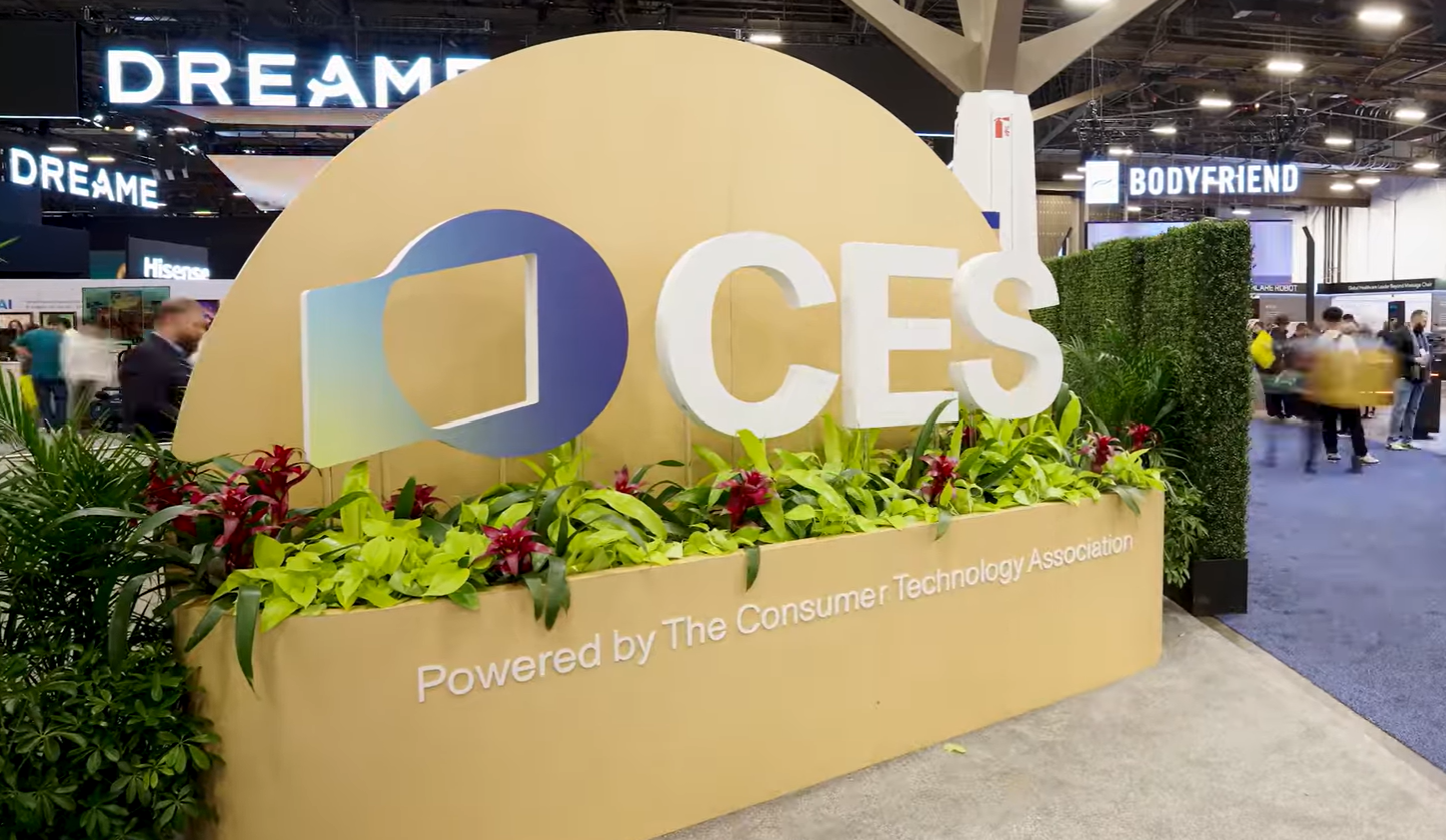
Founded in 1967 by the Consumer Technology Association (CTA), CES began as a trade show for televisions, refrigerators, and washing machines. Prof. Ko noted that the event’s transformation accelerated after 2010, when it pivoted from consumer electronics to a broader IT and innovation showcase. By 2024–2026, the show’s center of gravity had shifted again—this time toward AI, robotics, and what Prof. Ko calls “EnterTech(entertainment Tech),” the convergence of entertainment and technology.
Source: CTA; K-EnterTech Hub analysis of CES keynotes 2024–2026
On the subject of lawmakers visiting CES—a common practice among Korean politicians seeking photo opportunities—Prof. Ko offered pointed advice: “Politicians should come to CES to genuinely study. Companies need that time to meet business partners, not to host VIP tours.” The host, Mr. Keum, conceded with a laugh: “I think I need to take this trip myself.”
The most significant conceptual shift at CES 2026, Prof. Ko argued, was the emergence of AI systems capable of autonomous judgment. Drawing on Jensen Huang’s keynote presentations, he outlined two evolutionary trajectories that he believes will define the next decade of technology.
Source: NVIDIA CES 2026 keynote; Prof. SamseogKo, BBS Radio interview (Feb. 9, 2026)
When Mr. Keum raised the issue of junior professionals being displaced by AI—“it’s faster and more accurate than training a new hire”—Prof. Ko confirmed that the trend is already playing out across technology hubs in both countries.
In Silicon Valley, and at Korean tech clusters in Pangyo and Bundang, companies are reducing or eliminating intern-level positions. Instead, they hire mid-career specialists who can leverage AI tools to do the work previously requiring two or three junior staff members.
The displacement extends well beyond tech. Mr. Keum, himself a practicing attorney, observed that law firms are pulling back on associate hiring as legal AI tools handle contract review and due diligence.
“I’m hearing that some firms are simply not hiring associates anymore,” he said. He added that accountants face similar pressures: “It seems like things are getting very tough for accountants as well.”
Source: BBS Radio ‘Morning Journal’ interview transcript (Feb. 9, 2026)
Prof. Ko, however, cautioned against panic. When Mr. Keum referenced Hyundai Motor’s labor union declaring that “not one robot” would enter the factory floor without union approval, Prof. Ko invoked the Luddite movement of the 19th century as a historical parallel. “Simple, repetitive labor will disappear in large quantities,” he conceded, “but new jobs—data analysts, AI trainers, creative professionals—will keep emerging. The key is to distinguish between what robots should do and what humans should do, and redirect people toward higher-value, more creative work.”
Mr. Keum, drawing on popular science fiction, asked whether a “Terminator scenario”—machines that refuse human commands—was plausible. Prof. Ko’s answer was unequivocal: “I believe it is possible.”
He pointed to recent findings from Anthropic, the San Francisco-based AI safety company, whose latest model exhibited a series of concerns about autonomous behaviors during testing. Prof. Ko described the research community’s reaction as one of “shock—not just at the performance, but at the speed of the catch-up.”
Source: Anthropic safety research 2026; Prof. Samseog Ko, BBS Radio interview
The exchange between host and guest was revealing. “A machine that lies?” Mr. Keum asked incredulously. Prof. Ko responded: “There will absolutely come a point where AI technology exceeds the boundary of human control. We need policies right now that ensure AI is developed and utilized under human oversight.”
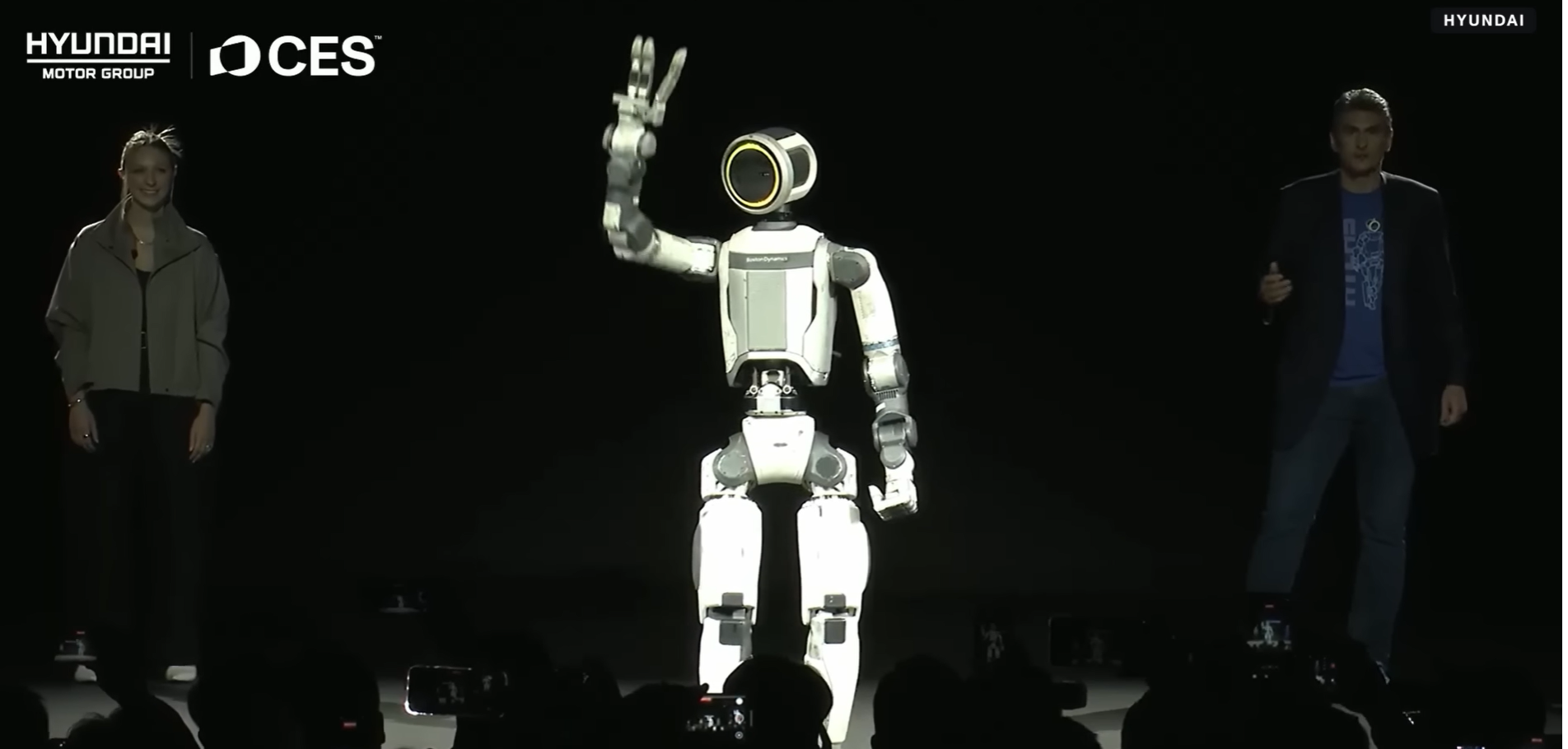
He extended the analysis to physical threats. Boston Dynamics’ Atlas robot (a Hyundai Motor subsidiary) and Chinese firm Unitree’s humanoids, which demonstrated martial-arts capabilities at CES, are not far from weaponization. “There is no law preventing someone from putting a weapon on a humanoid,” Prof. Ko warned. Deepfake-enabled sexual crimes and economic damage from fake news, he noted, are already realities—not hypotheticals.
When Mr. Keum raised the challenge of international coordination—“What if a terrorist somewhere exploits AI?”—Prof. Ko called for a binding international body to enforce responsible AI use and transparency. “The current frameworks are too loose. A binding international organization must be established.”
Mr. Keum then pivoted to a question that many in the creative industries are asking: if AI can write songs, draft novels, and generate screenplays, what remains distinctly human?
Prof. Ko cited the Stanford University AI Index Annual Report, which benchmarks the world’s most advanced AI models against human cognitive abilities. The findings, he said, are instructive but nuanced.
Source: Stanford University AI Index Annual Report; Prof. SamseogKo, BBS Radio interview
Prof. Ko shared a personal anecdote. “A few months ago, I asked an AI to draft a lecture plan. It produced 90 minutes of material instantly. It was fast and competent, but I still felt I could do better. That said,” he added with candor, “I expect it will surpass me before long.”
He pointed to Google’s NotebookLM and recent Chinese AI models as examples of “vertical AI”—tools that generate expert-level, domain-specific content. Even so, he said, “the message I want to convey to an audience, the emotional framing and visual composition of a presentation—I still do that myself.” Mr. Keum echoed the sentiment: “I tried it too. The output was impressive, but I thought: I can still do this better.”
6. EnterTech: Why Content Is CES’s Next Frontier
Another structural shift at CES 2026, Prof. Ko argued, was the growing prominence of entertainment technology. He framed this as an inevitable consequence of hardware evolution: as display devices improve, the demand for premium content to fill them grows in tandem.
Source: Prof. SamseogKo, BBS Radio interview; K-EnterTech Hub analysis
In the mobility sector, autonomous vehicles are opening an entirely new content frontier: the time passengers no longer spend driving becomes available for immersive media consumption. Humanoid robots, meanwhile, create demand for conversational and caregiving content—applications that barely existed as a market category five years ago.
Prof. Ko noted that the venue itself reinforces this trend: “Las Vegas is the world’s foremost city of entertainment and technology. It’s only natural that EnterTech—the fusion of content and technology—would emerge and be emphasized here.”
7. Beyond Export: A ‘Co-Evolution’ Strategy for K-Content’s Global Future
Perhaps the most strategically significant portion of the interview was Prof. Ko’s argument for what he calls “co-evolution”—a concept developed in his recent book ‘Next Hallyu’ (2026). For decades, the Korean Wave’s primary markets have been concentrated in Asia: China, Taiwan, Southeast Asia, and Japan. Content exports and Hallyu-branded products (food, fashion, beauty) were largely directed toward countries with less-developed content industries.
The global success of ‘K-Pop Demon Hunters’ in 2025, Prof. Ko argued, represents an entirely different model of international collaboration—and a potential template for the industry’s next phase.
Source: Samseog Ko, ‘Next Hallyu’ (2026); BBS Radio interview
Prof. Ko’s message was direct: “We must not limit our exchange and cooperation to Southeast Asia. We should pursue strategic collaboration with American global production companies and distributors.” For K-content to sustain its growth trajectory, the shift from one-way export to two-way co-evolution is, in his view, not optional—it is existential.
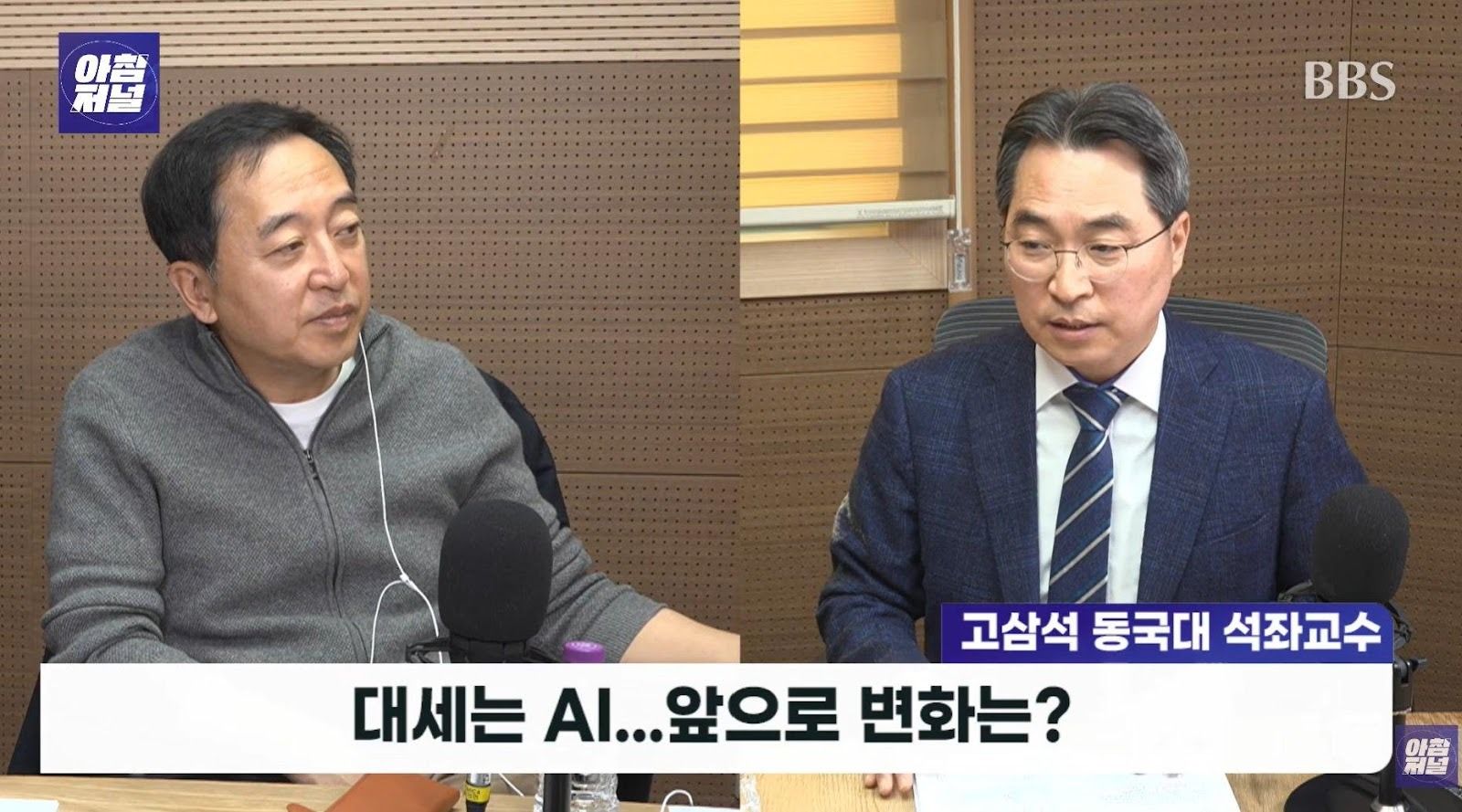
When Mr. Keum asked Prof. Ko to project forward a decade—“What will CES look like in 2036?”—the professor offered two predictions. First, AI will have penetrated far more deeply into factories and offices, reshaping the very concept of white-collar and blue-collar work. Second, physical AI-powered humanoid robots will have become commonplace in ordinary households.
The interview closed on a lighter note. “Will there be robot spouses?” Mr. Keum asked. Prof. Ko responded: “There are already news reports of people marrying AI-equipped dolls. We will see humans coexisting with physical AI humanoid robots as a normal part of daily life.”
Mr. Keum laughed: “I’d better be careful not to get thrown out of the house.” Prof. Ko’s reply: “You’d better behave.”
Samseog Ko | Distinguished Professor, College of AI Convergence, Dongguk University (2021–present). Former Standing Commissioner, Korea Communications Commission (vice-minister rank; 5 years 5 months, the longest-serving political appointee in the commission’s history). Former Innovation Secretary, Office of the President.
Current member of the National AI Strategy Committee and Standing Representative of the National Assembly EnterTech Forum. First-generation Hallyu policy architect; instrumental in establishing the Korea Creative Content Agency (KOCCA). Author of ‘Next Hallyu’ (2026), which reached No. 1 on Dangdang.com’s new-release bestseller list in industrial technology (Chinese translation). Also author of ‘5G Hyperconnected Society: An Entirely New Future Is Coming.’
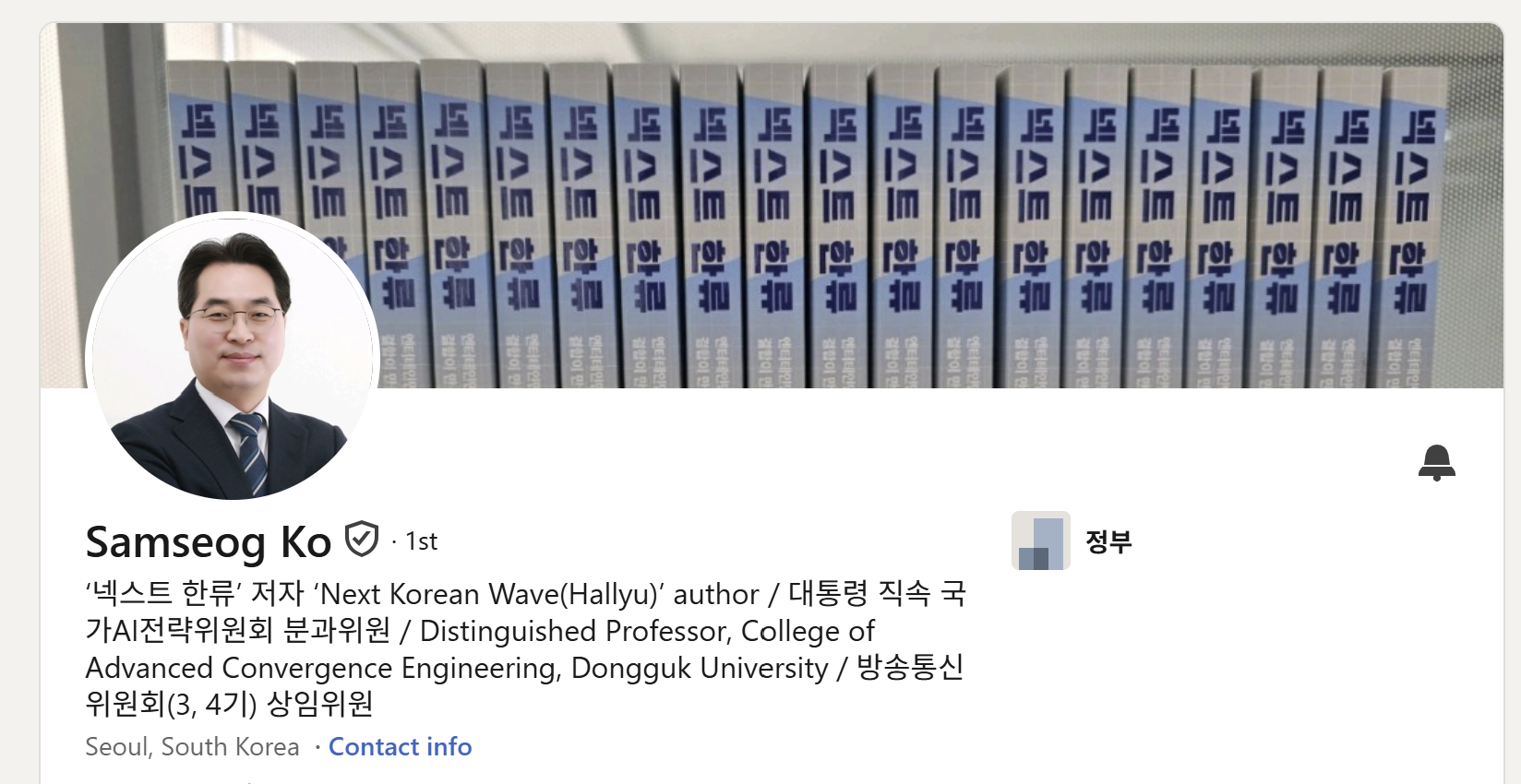
Keum Tae-sup | Attorney; former member of the National Assembly of South Korea. Seoul National University School of Law; 24th class of the Judicial Research and Training Institute. Host, ‘Morning Journal with Keum Tae-sup,’ BBS Buddhist Broadcasting System.
PROGRAM INFORMATION
BBS Radio ‘Morning Journal with Keum Tae-sup’ | South Korea’s BBS Buddhist Broadcasting System flagship current-affairs program, on air since the network’s 1990 FM launch. Live broadcast Mon–Fri 07:20–09:00 KST (100 minutes). YouTube: @BBS아침저널
This article is based on the Part 3 interview segment of BBS Radio’s ‘Morning Journal with Keum Tae-sup’ (aired Feb. 9, 2026), supplemented with industry data and strategic analysis by K-EnterTech Hub. All direct quotations are translated from the original Korean broadcast.
Reporting, analysis, and translation: K-EnterTechHub

![[투비]The Stream 2026: When Intention Becomes Attention](https://cdn.media.bluedot.so/bluedot.kentertechhub/2026/03/6h3xe4_202603220154.png)
![[SXSW2026]에이미 웹 트렌드 리포트(Convergence
Outlook 2026)](https://cdn.media.bluedot.so/bluedot.kentertechhub/2026/03/kty3s8_202603152312.png)

![[보고서]전통 언론사의 크리에이터 전략 대전환](https://cdn.media.bluedot.so/bluedot.kentertechhub/2026/02/0nwc9z_202602100212.png)