
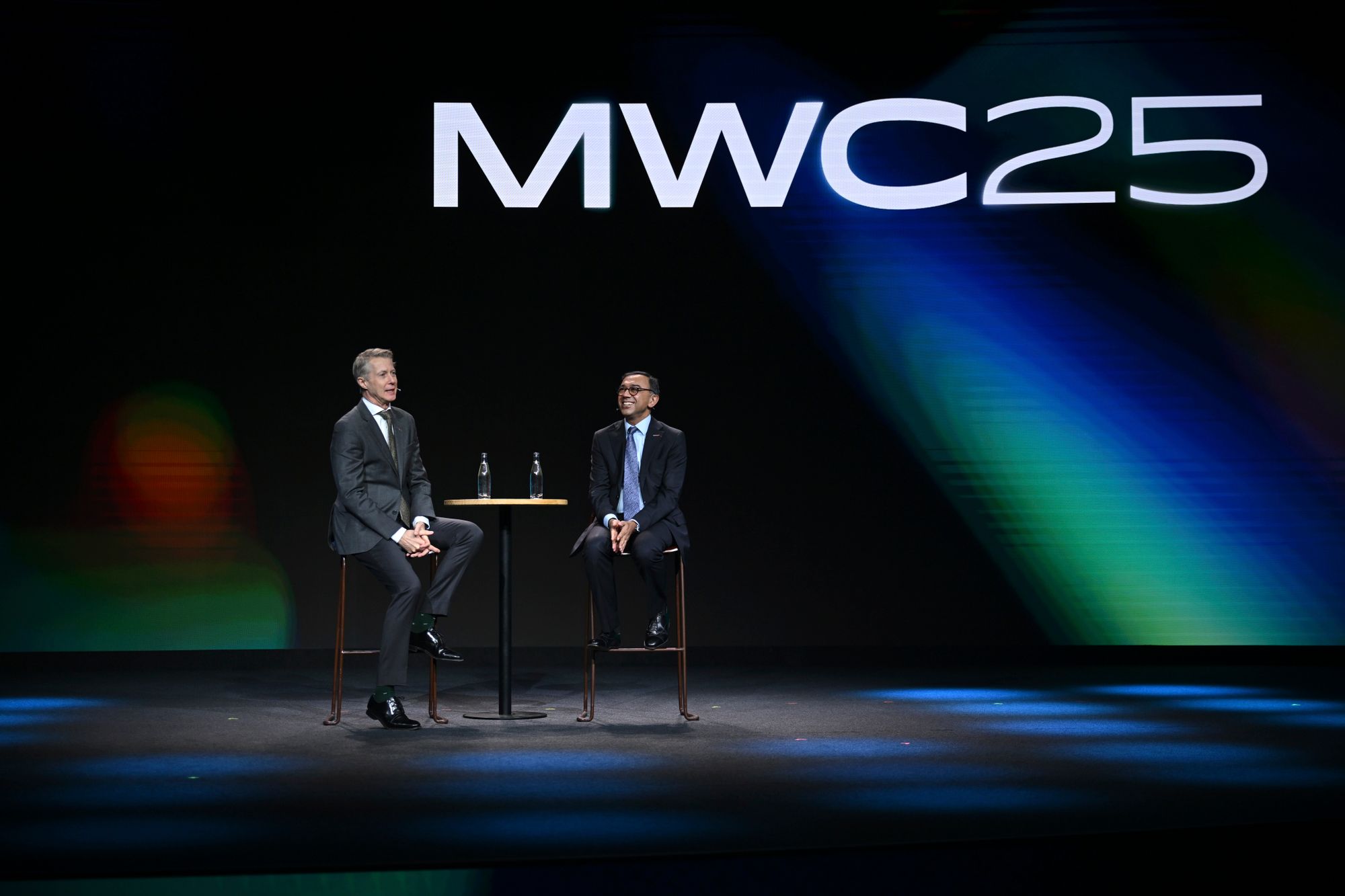
On the second day of Mobile World Congress 2025, Europe's two dominant telecom infrastructure vendors — Ericsson and Nokia — unveiled competing visions for the road to 6G, while Silicon Valley giants Google and Meta made unmistakable moves to expand their footprint across the global connectivity ecosystem.
Ericsson announced a formal collaboration with measurement and test specialist Keysight Technologies to advance "pre-6G standardization," with a stated goal of realizing commercial 6G networks by 2030. Freddie Södergren, Head of Technology and Strategy at Ericsson's Networks business, said the partnership represents "valuable steps forward" on the 6G journey. Separately, Ericsson has been working with KDDI and T-Mobile on AI-RAN deployments, with Ericsson's AI-powered base station solutions already enabling improved energy efficiency and user experience in commercial networks, according to analysts at Opensignal present at the show.
Nokia came into MWC 2025 with a three-pillar strategy: AI-RAN, 5G standalone (SA), and defense-grade network solutions. Nokia CEO Pekka Lundmark shared the stage with operator leaders from T-Mobile USA, Indosat Ooredoo Hutchison, and SoftBank to demonstrate AI-RAN collaboration in live network environments. In a significant ecosystem move, Nokia joined forces with AMD, Cisco, and India's Jio Platforms to announce the Open Telecom AI Platform — an LLM-agnostic, open API-based infrastructure designed to support agentic AI, large language models (LLMs), and domain-specific small language models (SLMs) for end-to-end network management. Nokia also closed its acquisition of optical networking firm Infinera ahead of MWC, strengthening its position in the network infrastructure segment where growth is expected to be driven primarily by cloud companies rather than traditional telecom operators, the company noted.