
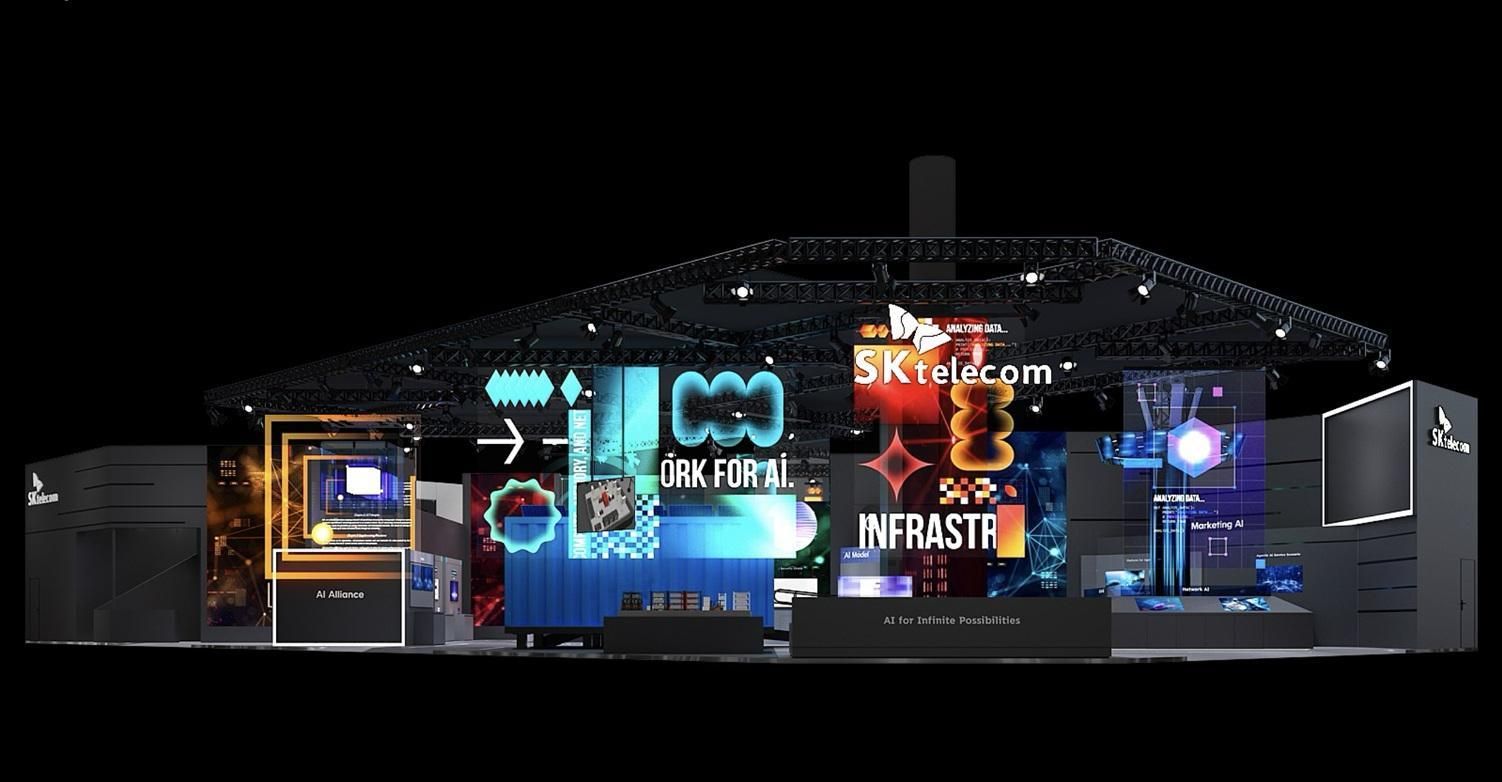
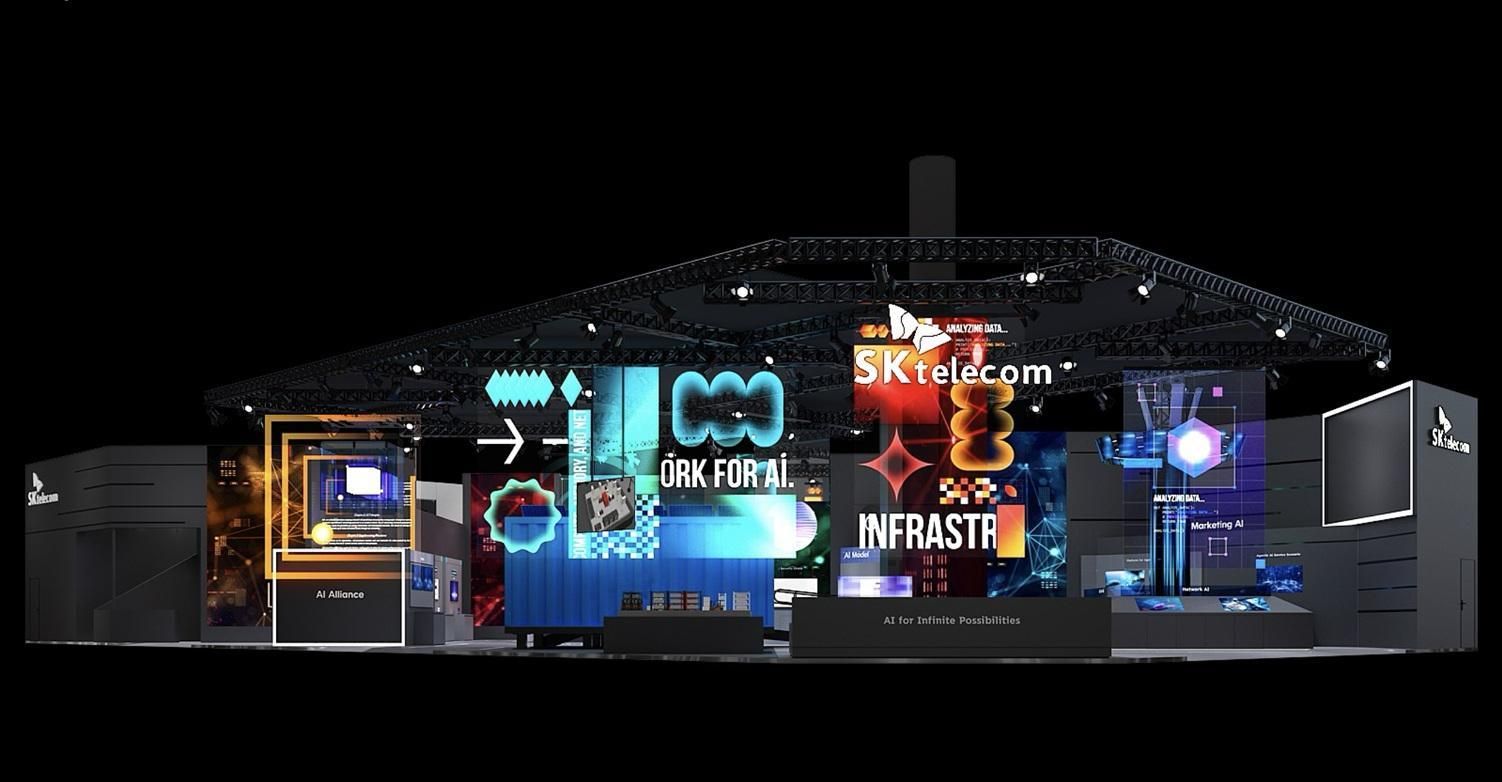
Barcelona, March 2–5 — Korea's three major mobile carriers arrive at MWC 2026 with a fundamentally different message than the one they carried to Barcelona just twelve months ago. In 2025, SK Telecom, KT, and LG Uplus were racing to demonstrate that Korean telecoms could compete in the global AI arena. In 2026, that question has been answered. The new challenge — and the new story playing out across 992 square meters of booth space and a coveted opening-day keynote slot — is about something larger: who gets to define what AI means for the connected world, and whether Korean carriers can claim a seat at that table not just as technology adopters, but as technology originators.
Setting the Stage: MWC as a Mirror of Industry Ambition
The Mobile World Congress in Barcelona has long served as a barometer for where the global telecom industry believes it is headed. In 2023, the conversation centered on 5G monetization. In 2024, generative AI entered the booth vocabulary but remained largely experimental. By 2025, AI had become the organizing principle of every major carrier's exhibition strategy. And now, with MWC 2026 convening under the theme "The IQ Era," the industry is signaling a deeper inflection: intelligence is no longer a feature to be added on top of telecom infrastructure — it is the infrastructure itself.
For Korean carriers, this evolution has been both an opportunity and a test. SK Telecom, KT, and LG Uplus have each invested heavily in AI transformation over the past several years, rebranding themselves as AI companies, forging partnerships with global tech giants, and building proprietary large language models. MWC has become the annual moment of reckoning — the global stage on which those investments are either validated or exposed. Measured against that standard, the contrast between what these three carriers brought to Barcelona in 2025 and what they are bringing in 2026 is striking.