
![[NewFronts 2026]How Media Buyers Are Responding to Platform Pitches — AI, Commerce, and Data Alliances Reshape the Digital Ad Ecosystem](https://cdn.media.bluedot.so/bluedot.kentertechhub/2026/03/y5i9mm_202603291149.png)
Commerce integration — connecting brand awareness directly to measurable purchase outcomes — emerged as the defining theme of NewFronts 2026. Meta, Google, Samsung, and Walmart each arrived with a distinct weapon: AI-powered creative automation, a full-stack ad platform, shoppable CTV formats, and first-party shopper data. The show signals that one-click purchase attribution from a TV ad is rapidly becoming the new baseline for connected TV advertising.
■ Key Takeaways
 Jung Han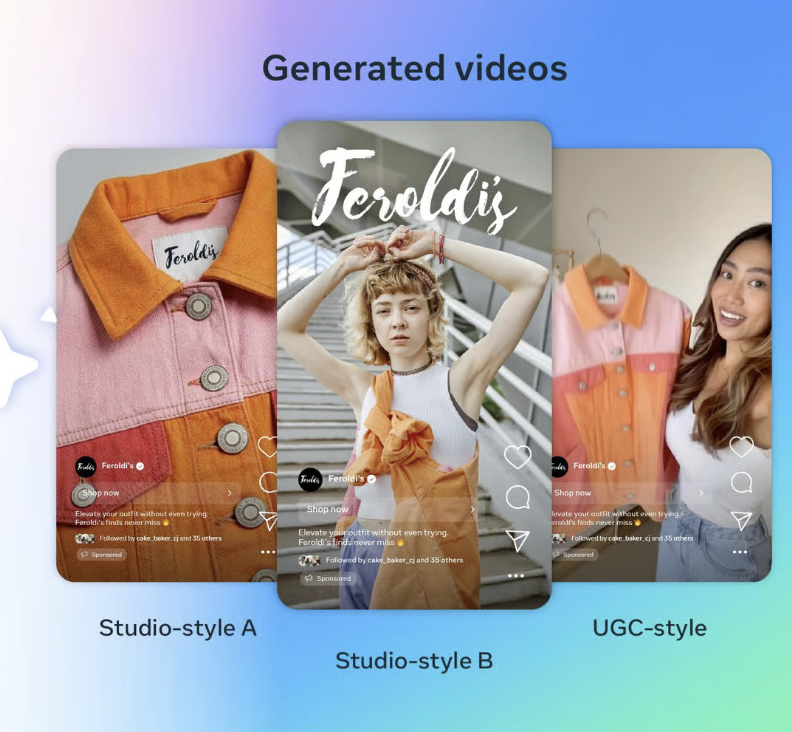
① Meta — Leading the Creative Arms Race with AI Automation
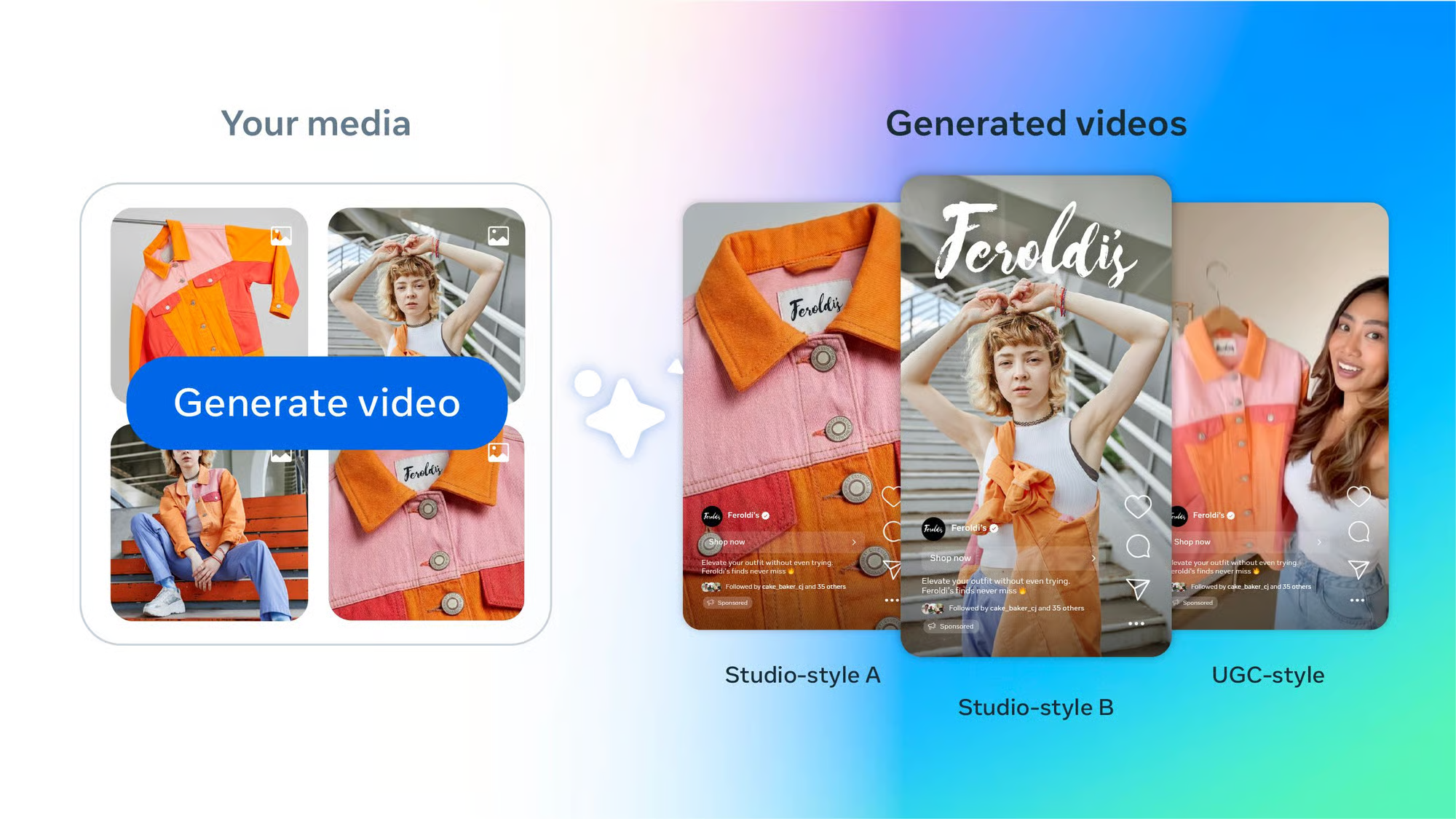
Meta used NewFronts week — which coincided with ShopTalk in Las Vegas — to unveil new generative AI ad features and deepen its creator alignment strategy. The headline product is AI-powered 'immersive video,' which automatically transforms static catalog imagery into motion formats. In Meta's automated advertising paradigm, the primary lever brands control is feeding Facebook and Instagram with as much creative material as possible, allowing the algorithm to test and optimize at scale.
Yingying Kuan, VP of Marketing at hair care brand Kitsch, cautioned that genuine creative diversification requires far more than cosmetic tweaks. Beauty brands in particular remain wary of over-relying on generative AI, where a human touch in self-care products is seen as a competitive differentiator.
② Google — 'Full-Stack AI Company' Powered by Gemini
Kristen O'Hara, Google's VP of Agency Platforms and Client Solutions, declared the company is now a 'full-stack AI company from the silicon to the search bar.' The centerpiece of Google's NewFronts was Gemini, its large language model, now embedded across Google Marketing Platform and Display and Video 360 (DV360). Media planners showed particular interest in DV360's ability to access programmatic live sports ad inventory across major publishers.
On the commerce side, Google is building retail media partnerships with Albertsons, Kroger, and Costco to compete directly with Amazon and Walmart. The DV360 ecosystem now spans Disney, Netflix, and NBCUniversal on the CTV side, positioning Google as a single point of entry across premium digital inventory.
③ The DSP War — Google's No-Fee Play vs. The Trade Desk's Data Alliance
Competition among the major DSPs — Google, Amazon, and The Trade Desk — intensified heading into NewFronts following a public dispute between The Trade Desk and Publicis over platform fees. Google's managing director of data, technology and measurement, Marta Martinez, pointedly highlighted the 'no-fee' structure of DV360's new Confidential Publisher Match feature, which analysts at New Street Research interpreted as a direct shot at The Trade Desk.
The Trade Desk didn't host its own NewFronts, but it received a meaningful boost from LinkedIn's presentation. LinkedIn announced it would open its verified professional audience targeting data to advertisers operating on The Trade Desk, giving buyers a new pathway to reach LinkedIn's B2B audiences in premium CTV environments.
④ Samsung × Amazon — Turning the TV Screen into a Shopping Cart
Rather than joining Google's CTV inventory aggregation, Samsung Ads chose to align with Amazon Ads, announcing new shoppable ad formats and a commerce partnership that enables direct attribution from TV ad exposure to purchase. The pairing with Amazon's DSP means advertisers can deliver targeted ads on Samsung's massive installed base of smart TVs and track those impressions against real transactions.
Tubi also announced an expanded partnership with Amazon's DSP, offering authenticated audience targeting similar in structure to Google's Confidential Publisher Match. The convergence of one-to-one targeting with shoppable commerce formats is the clearest signal yet that CTV is evolving from a brand-awareness channel to a full-funnel performance medium.
⑤ Walmart × Vizio — First-Party Shopper Data as the Ultimate Ad Proof
Walmart and Vizio made their first joint NewFronts pitch since Walmart's $2.3 billion acquisition of Vizio in 2024. The core announcement was a unified login across Vizio smart TVs and Walmart, allowing the retailer to stitch together what consumers watch with what they actually buy. The resulting data loop — streaming viewership tied to in-store and online purchase records — is what Walmart is positioning as its trump card against Google and Amazon.
Mike Treon, head of connected TV and video at digital agency PMG, noted that Walmart's ability to connect CTV ad exposure directly to verified purchase outcomes via its own first-party data is a differentiation neither Google nor Amazon can easily replicate at the same scale of retail specificity.
■ Sources & References
[1] Garett Sloane, "NewFronts 2026 — how media buyers are responding to platform pitches," Ad Age, March 27, 2026. Contributed: Brandon Doerrer.
[2] IAB NewFronts 2026 official presentations: Meta, Google, Samsung Ads, Walmart/Vizio, LinkedIn, Tubi, TikTok, Yahoo, LG, Vizio
[3] Statements by Deanna Cullen (Wpromote), Allie Kallish (Monks), Mike Treon (PMG), Yingying Kuan (Kitsch) — quoted in Ad Age original reporting
[4] Dan Salmon, New Street Research — analyst note on DV360 Confidential Publisher Match vs. The Trade Desk (March 2026)
[5] Compiled & edited by K-EnterTech Hub (www.k-entertech.com). For internal circulation. Not for redistribution without permission.