
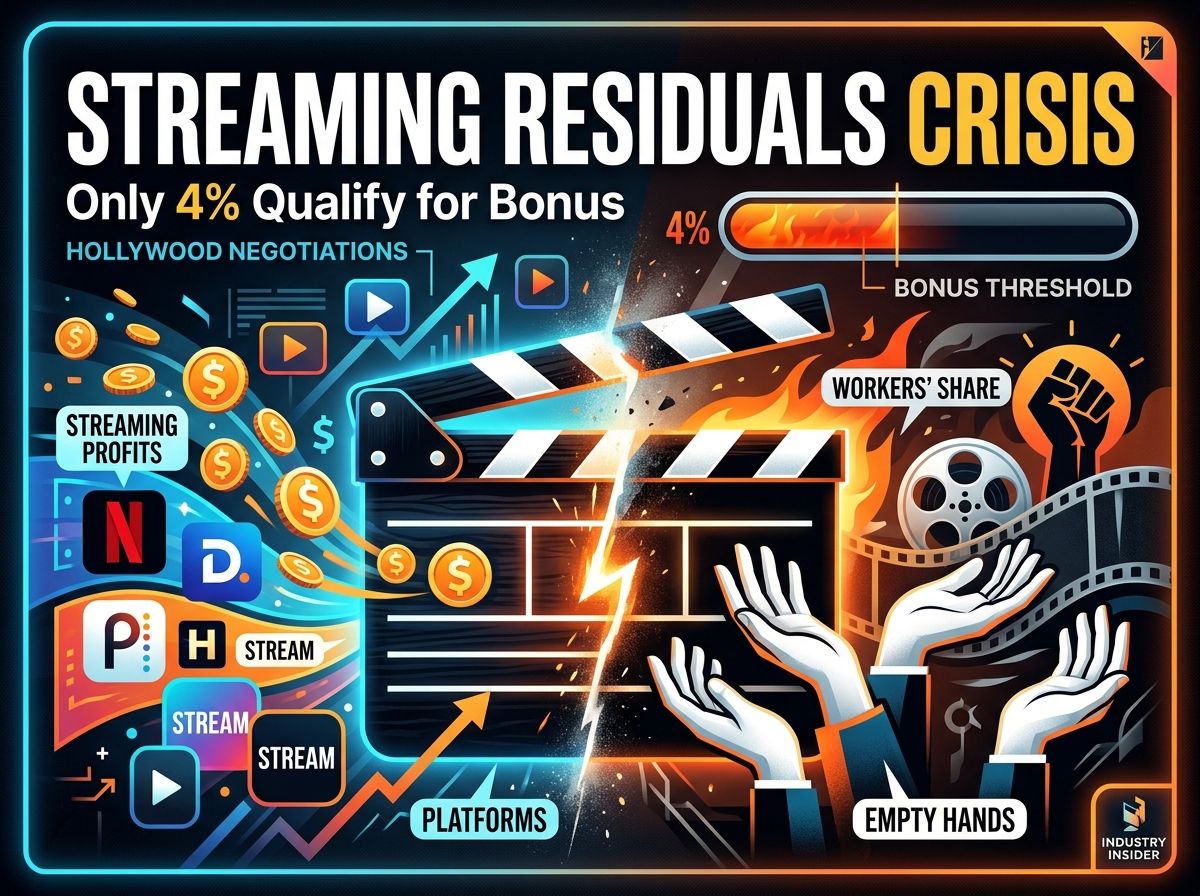
WGA and SAG-AFTRA negotiations near the finish line — streaming revenue-sharing reform emerges as the defining issue.
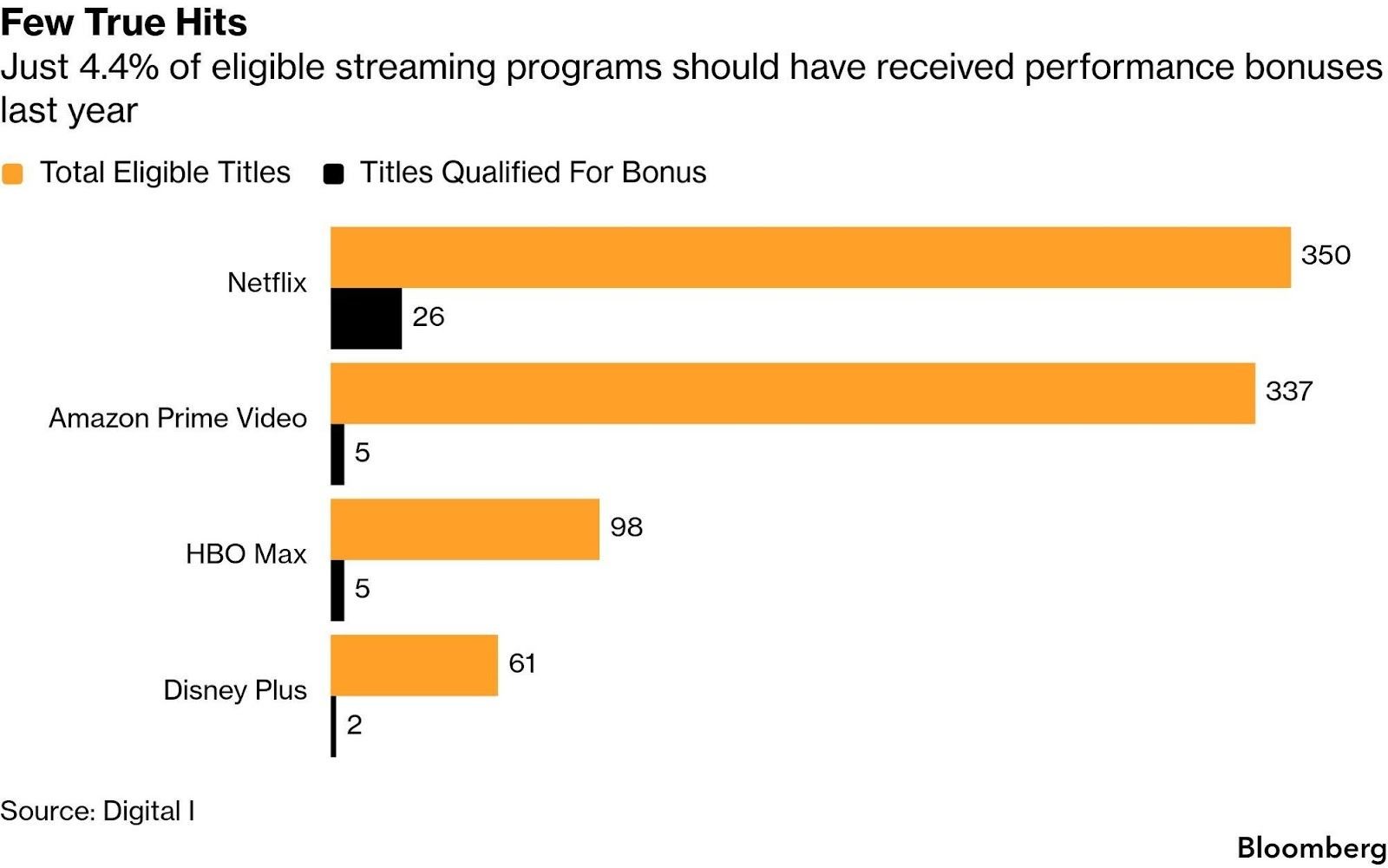
Fewer than 5% of streaming shows released in 2025 qualified for a performance bonus — and on Amazon, that figure dropped to just 1.5%. The data, compiled by audience measurement firm Digital-I, lays bare a harsh reality: the bonus mechanism secured by the Writers Guild of America (WGA) and SAG-AFTRA in their landmark 2023 contracts is failing to deliver meaningful compensation to the vast majority of content creators.
 Jung Han
Three years after Hollywood ground to a halt in one of its most disruptive labor actions in decades, the industry is now navigating a new round of negotiations — and the structural inadequacy of streaming income distribution is back at the center of the debate.
No one in Hollywood wants another work stoppage. The WGA wrapped up its new deal with the studios ahead of schedule, and a SAG-AFTRA agreement appears imminent. While this round of talks has prioritized bread-and-butter issues — healthcare and pension benefits — the streaming pay problem has not gone away.
How the Bonus Works — and Why It Barely Triggers
Under the current agreements, a streaming performance bonus is only paid when a title is viewed by at least 20% of a platform's U.S. subscriber base within the first 90 days of release. The threshold was designed to reward genuine breakout hits — but in practice, it screens out nearly everything.
Notably, Netflix should have delivered more bonuses than every other service combined, with 26 qualifying titles. But the list includes The Residence — canceled after one season — and The Electric State, widely considered a box-office disappointment. This exposes a flaw in the metric: the bonus threshold does not reliably track commercial success.
Two Paths for Reform
The unions have coalesced around two possible fixes: lower the qualifying threshold so more shows are eligible, or keep the threshold but dramatically increase the bonus amounts for those that do qualify. The WGA opted for higher payments. All eyes are now on whether SAG-AFTRA follows suit.
Each approach carries trade-offs. Widening eligibility spreads the benefit more broadly but dilutes the per-title payout. Raising the bonus amount rewards true breakout hits more generously, but leaves the vast majority of content — and the people who make it — without any additional streaming compensation. Either way, the current structure reflects and reinforces the winner-takes-all economics of the streaming era.
Netflix's Content Pullback Compounds the Problem
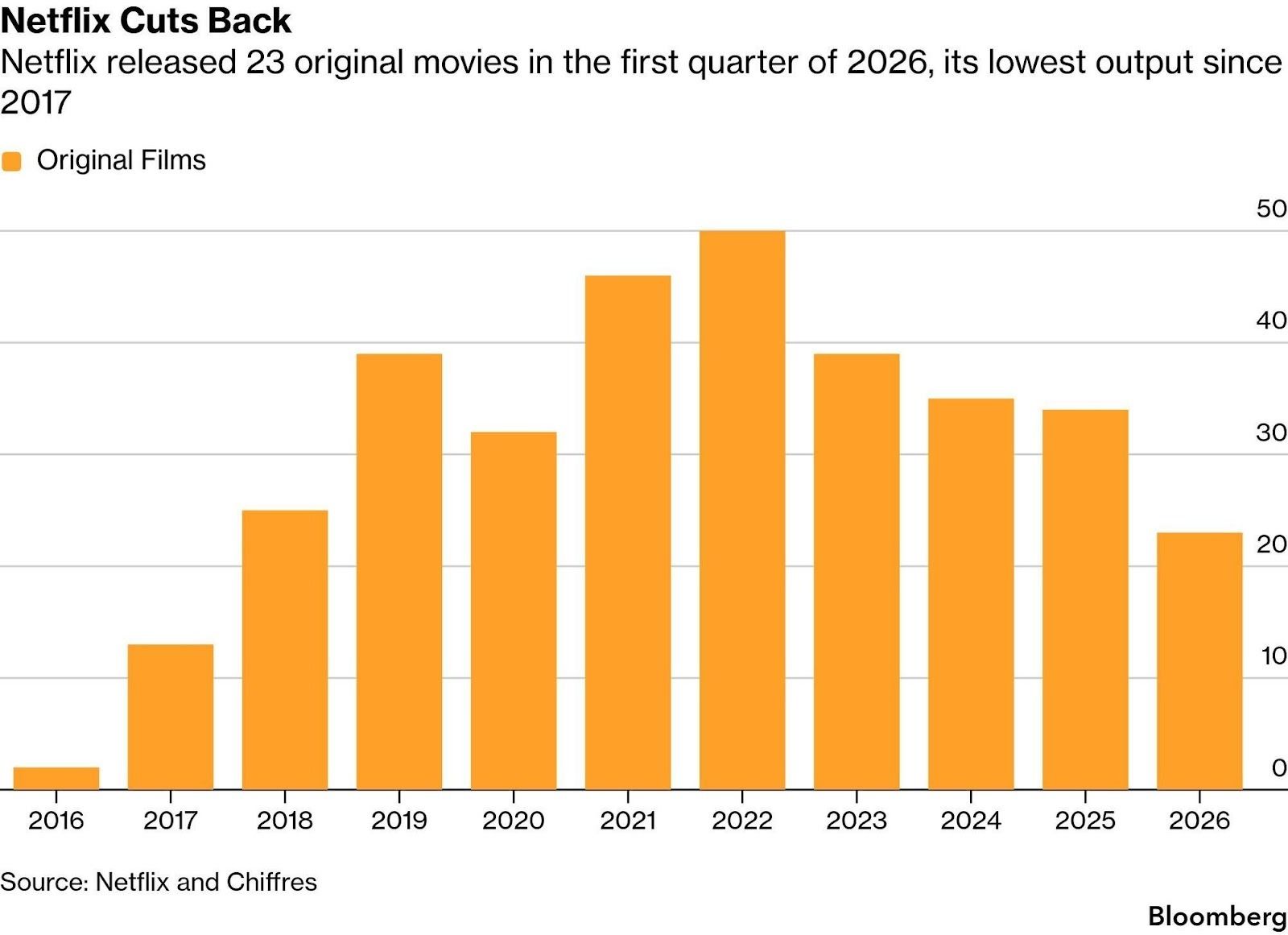
The problem is compounded by a structural shift at Netflix itself. The platform released just 23 original films in the first quarter of 2026 — its lowest output since 2017 — down sharply from a peak of roughly 50 in 2022. The pivot toward quality over quantity means fewer titles in the pipeline, which mechanically reduces the number of programs even capable of qualifying for a bonus.
For the K-content industry, these developments carry direct implications. Korean production companies supplying content to global streaming platforms will need to monitor how bonus structure reforms reshape their deal terms. Meanwhile, the growth of alternative distribution models — particularly FAST (Free Ad-Supported Streaming TV) channels — may offer a more predictable revenue baseline that the current hit-or-miss bonus system cannot provide.
Sources: Bloomberg, Digital-I, Deadline, Variety