[Samseog Ko's Insight]Why "Coevolution"? — From Content Export to Ecosystem Building
by
2026년 2월 23일
![[Samseog Ko's Insight]Why "Coevolution"? — From Content Export to Ecosystem Building](https://cdn.media.bluedot.so/bluedot.kentertechhub/2026/02/rhl2gg_202602230602.png)
Gi Woong Yun
Dean and Professor
Reynolds School of Journalism
University of Nevada, Reno
I may have skipped a year here or there, but I have been attending the Consumer Electronics Show for over 20 years, witnessing its immense growth firsthand. Since moving to Reno ten years ago, I have attended the event even more diligently, grateful for the proximity to Las Vegas. Every year, the show aligns with my unique personal or professional project. I once joined a group of Korean students led by a close friend, acting as their guide through the exhibits.
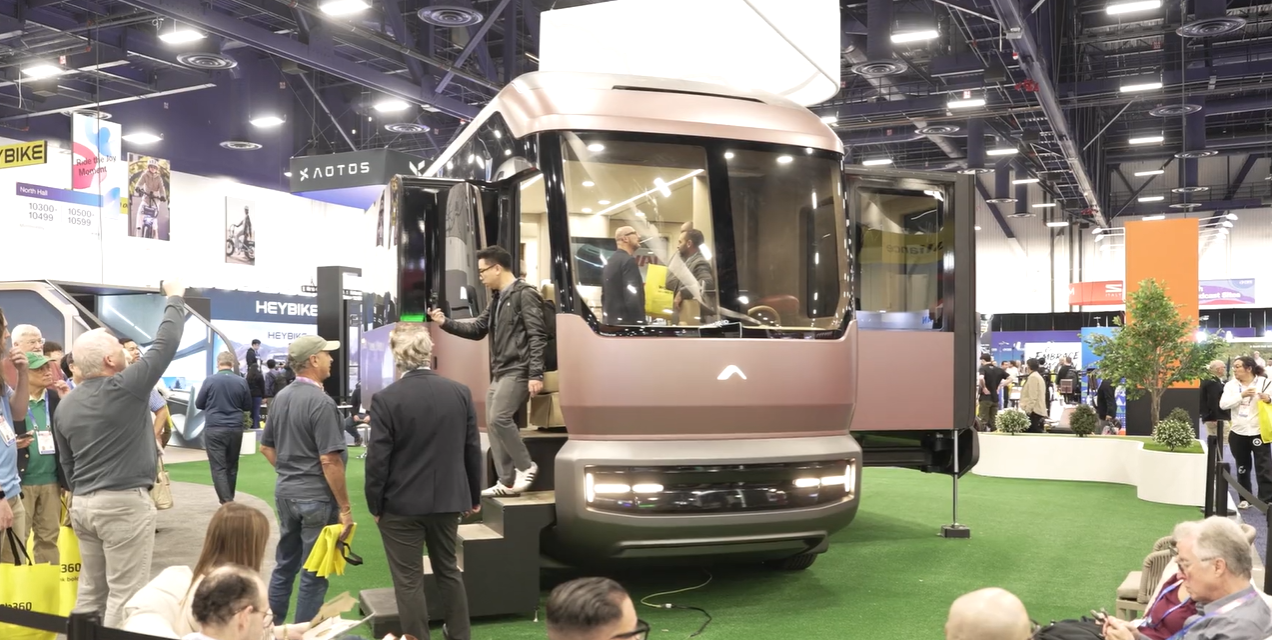
Another year, I networked with startups alongside my brother, a VC investor. I even remember one year where I designed my own "themed visit" specifically to study the burgeoning world of drone technology. Subsequently, I co-wrote a book a about drone and media and initiated a drone course where students learn about drone technology and work toward earning their drone flying licenses.
For most Nevadans, CES is simply another massive event in Las Vegas, a week of crowds and international visitors. For me, it is the event that opens the year with a rush of technological innovation. It is also a vital hub where I reconnect with friends from Korea, ranging from academics and business managers to engineers from companies both large and small.
The Korean presence this year is staggering. With over 800 exhibitors, Korea is the second largest delegation from Asia and the third largest overall. The registration numbers are even more impressive. This year’s number is not out yet, but over 14,000 visitors traveled from Korea, the second-highest total of any country in 2025. This represents incredible growth compared to when I first attended two decades ago. Compared to other major Las Vegas exhibitions I attend, such as the National Association of Broadcasters show, CES is a true outlier in terms of its concentrated Asian and Korean participation.
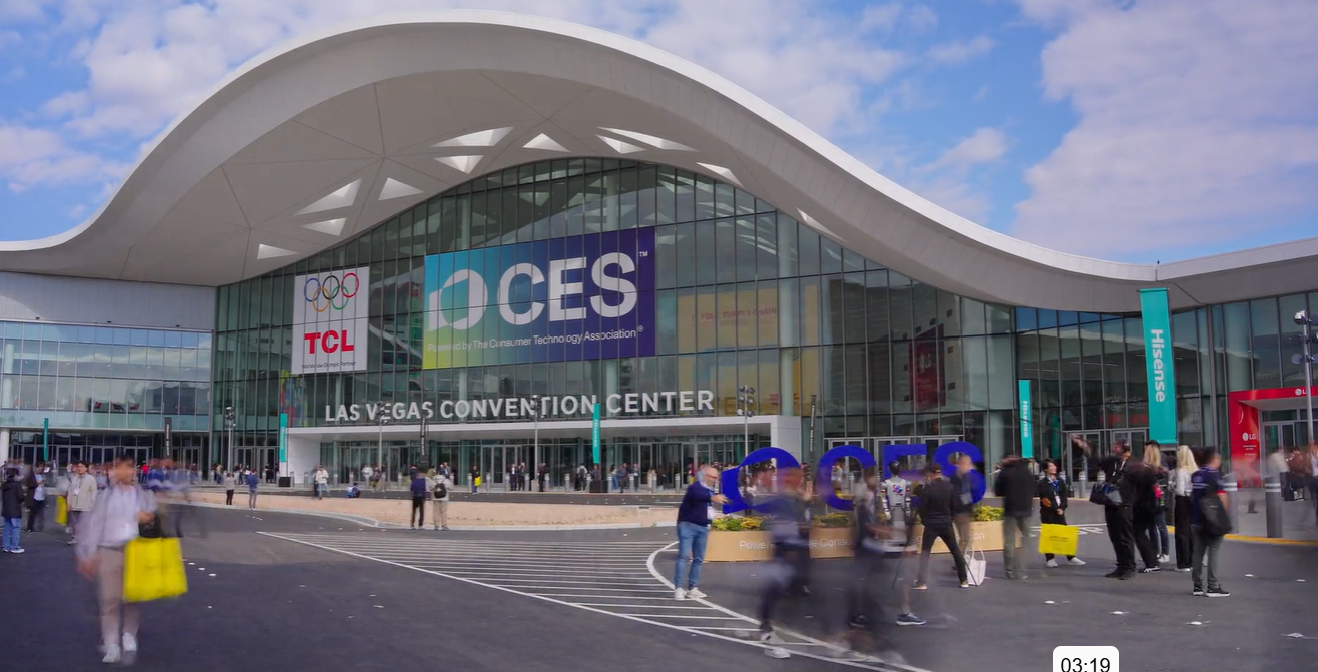
The primary drivers of this presence are, obviously, the exhibitors. Conglomerates like Hyundai, LG, and Samsung dominate the major exhibition halls with massive, immersive spaces. However, the smaller, grouped exhibitors are just as critical. These companies invest significant time and money to showcase their tech to global media. For them, CES is a launchpad for the Western market, a place to expand business networks, attract investors, and assert their dominance in an increasingly competitive global marketplace.
A less obvious, but equally fascinating, group is the visitors themselves. They represent a wide array of occupations, from government employees to undergraduate students. The presence of government officials is rooted in a long Korean tradition of seeking professional development by researching socio-technical advancements in Western societies, including the U.S. and Europe. In recent years, this has shifted toward "catching up" with private sector innovations. Because funding is often set aside for this type of learning, these officials are encouraged to travel abroad and bring those insights home.
Student visitors follow a similar path. Their trips are often funded by government subsidized research projects paired with their degree programs. They are encouraged to embrace the entrepreneurial spirit. In fact, several Korean universities now host their own booths to represent their student-led startups.
I am only one day into the show, but the energy of CES 2026 is already exciting. Almost every session I have attended has been shaped by the influence of Artificial Intelligence.
As an educator, I have already gathered several ideas that I plan to implement at my school. My Korean colleagues here share a similar impression. For them, the investment of time and money to be here is more than worth it. As a Nevadan, I hope more people in our state take advantage of this world-class event in our own backyard.

이 계정을 삭제하면 안내글이 삭제됩니다.
![[Samseog Ko's Insight]Co-Evolution, Not Competition: A Strategy for Korea-Malaysia Content Industry Partnership](https://cdn.media.bluedot.so/bluedot.kentertechhub/2026/02/1fzdnf_202602170324.jpeg)

![[보고서]전통 언론사의 크리에이터 전략 대전환](https://cdn.media.bluedot.so/bluedot.kentertechhub/2026/02/0nwc9z_202602100212.png)