
Netflix's Season 2 Curse: When the Premiere Is the Peak

Netflix's hold on its own viewers is slipping. Audiences for the streamer's marquee originals are deserting them by their second seasons — typically shedding half, and in the worst cases as much as 85%

Netflix's Season 2 Curse: When the Premiere Is the Peak

Flagship originals shed up to 85% of viewers in their second seasons, and a four-month hit drought has pushed shares to a two-year low

Netflix is losing its grip on its own audience. Viewers of the streamer's flagship originals are abandoning them in their second seasons — by half in most cases, and by as much as 85% in the worst. The company produced only two major hits in the first five months of 2026, and its shares have fallen 17% this year and 40% over the past twelve months, touching a two-year low in late June.

넷플릭스도 약점이 생겼다...“시즌1이 정점” 넷플릭스의 시즌2 징크스
흔들리는 넷플릭스 제국. 콘텐츠 IP를 가두며 시청자들의 시간을 뺏는 전략이 후속작의 성공 실패로 의심 받고 있음. 오프라인 확장이나 콘텐츠 라이선스의 필요성도 대두.

Lucas Shaw of Bloomberg Screentime reported in his July 6 newsletter that Netflix is struggling to keep viewers with its shows beyond a single season. For a company long treated as the settled winner of the streaming wars, the numbers point to a ceiling on engagement.
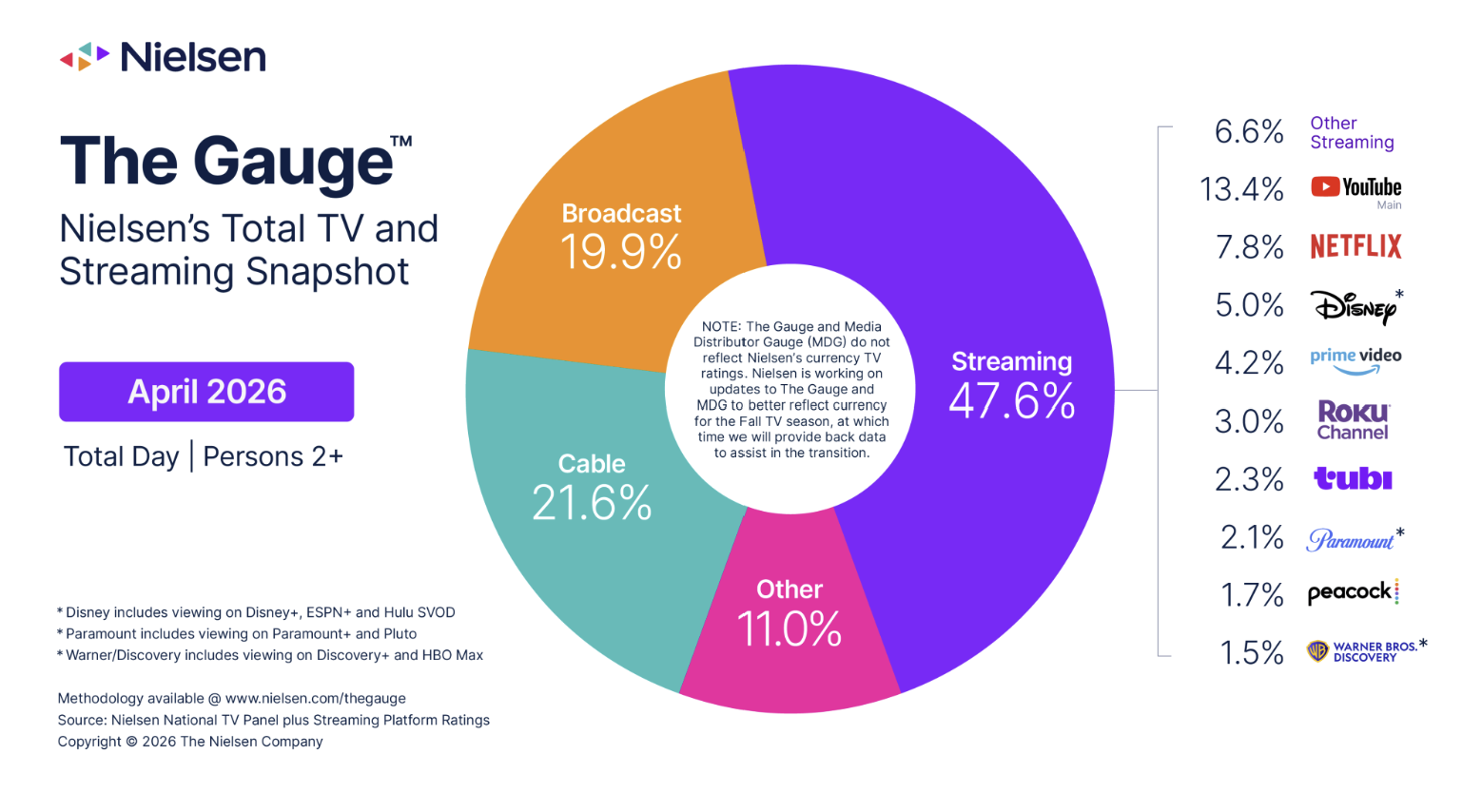
Nielsen Gauge

The structural backdrop explains why this matters more now than it would have five years ago. Netflix's growth story rests on a single premise: that it will keep absorbing viewers abandoning cable and broadcast, converting cord-cutting into ever-rising watch time. That premise is fraying. Netflix's share of total U.S. TV viewing has grown more slowly than free alternatives YouTube and Roku.

Even with last year's slate — which included the final seasons of both Squid Game and Stranger Things — total viewing time grew less than 2%. Subscribers rose over the same period, which suggests that most new sign-ups came from the password-sharing crackdown, or that the average member is simply watching less. In the advertising era of streaming, watch time is revenue. Second-season attrition is no longer a programming footnote; it is a variable that shakes the entire growth model.

Flagship Titles Collapse in Season 2

Netflix's own data, cited by Bloomberg and measured over the first four weeks of release, shows the scale of the drop. The Night Agent, one of the platform's most-watched shows of 2023, fell from roughly 72 million views in season one to about 38 million in season two, then shed another 35% in season three.

One Piece slid from 52 million to 35 million views, a decline of more than 30%. The steepest fall belongs to Beef, which went from 26 million views in season one to about 4 million in season two — an exodus approaching 85%. The comedies The Four Seasons and Running Point each lost more than half their audiences, dropping from 30 million to 12 million and from 28 million to 13 million views, respectively.

Season 1 vs. Season 2 views for major Netflix originals (Source: Netflix, via Bloomberg Screentime)

The pattern extends beyond that chart. The latest season of Avatar: The Last Airbender, one of Netflix's most-watched titles of 2024, dropped more than 60% in its first week.

Netflix originals have always front-loaded their audiences: viewership peaks in season one and declines from there, the inverse of broadcast dramas that historically built through word of mouth toward mid-run peaks. What has changed is the speed and depth of the decline. According to people familiar with the matter, Netflix has been mining its data to understand why. The Night Agent will end after its next season. Running Point and The Four Seasons, by contrast, were renewed despite surrendering more than half their audiences.

Four Months Without a Hit After Bridgerton

Netflix has long prided itself on not depending on any single show. It releases enough programming to expect several new hits every quarter, sometimes in the same week. Yet in the first five months of 2026, only two titles broke through: His & Hers and the fourth season of Bridgerton, a rare franchise to escape the sequel-season decline.

Both arrived early in the year. Roughly four months passed without a major hit after Bridgerton. Beef and One Piece were supposed to carry that stretch; instead, the platform's biggest viewing week in April or May belonged to the Kevin Hart roast.

The drought arrived at a bad moment. Netflix shares have been sliding since the company made its bid for Warner Bros. Discovery. Co-CEOs Ted Sarandos and Greg Peters framed the offer as a rare chance to acquire a great asset, but investors read it differently — as a signal that a company built on making rather than buying had run out of organic ideas.

The two executives then surprised the market by walking away when the price climbed too high, which eased fears of a bidding war. Shares rebounded briefly, then slipped again after the most recent earnings report, when guidance came in below expectations.

“Following its decision to walk away from the Warner Bros. acquisition, we would have expected a clear and more compelling articulation of management's near-to-medium term outlook,” Bank of America wrote in an April note. Netflix no longer reports subscriber counts, but third-party estimates point to slowing growth this year, at least in the U.S.

Live Sports and Podcasts as the Response

Sarandos and Peters have dismissed the engagement concerns while acting on them anyway. Netflix has added live sports and podcasts, and expanded partnerships with local players overseas. The post-WBD strategy, as management describes it, is to keep executing the vision that preceded the deal — more content, converted into more watch time.

Betting against Netflix has been a losing trade for a decade, and the counter-evidence is real. Paramount+, HBO Max, Amazon and Peacock have all produced hits this year, yet half of streaming's most-watched shows still belong to Netflix. The company has emerged from programming droughts before with a surprise smash. The latest candidate is I Will Find You, based on the Harlan Coben novel, which has drawn nearly 60 million views in its first two weeks. As a limited series, it will never face a season-two test.

The structural question remains, however. If season-one buzz does not carry into season two, every content investment becomes a fresh lottery ticket rather than a down payment on a franchise. That is the gap between Netflix and the Disney and HBO playbooks, which built durable viewing bases on recurring properties. Until Netflix recovers its hold on returning audiences, the premium the market has long assigned to the company will keep coming under review.

(Reference: Lucas Shaw, “Netflix Viewers Are Abandoning Shows After One Season,” Bloomberg Screentime, July 6, 2026)