Snapchat parent absorbs mapping and spatial-computing tech, targeting a roughly $2,500 consumer AR launch this fall
Snap has acquired spatial augmented reality startup Illumix to sharpen the real-world sensing that will define its forthcoming Specs glasses. The Snapchat parent said it will fold Illumix’s mapping technology and platform into Specs and retain most of the startup’s staff. Terms were not disclosed. The move slots in the last piece Snap needs before pushing into the consumer market in earnest.


The deal lands as computing’s center of gravity shifts from the smartphone toward eyewear. Meta has grown the category with Ray-Ban Meta; Google and Samsung are chasing through the Android XR camp; and Apple is still weighing its entry.
EssilorLuxottica sold more than seven million Ray-Ban and Oakley smart glasses last year, more than tripling its prior annual total. Yet almost everything shipped so far has been a camera-and-voice ‘smart glass’ — no company has put true binocular AR glasses, which overlay digital objects onto physical space, in consumers’ hands at scale. That gap is why Snap has spent more than 11 years and over $3 billion on the effort, and why it bought Illumix.
What Snap Bought: Mapping at Scale
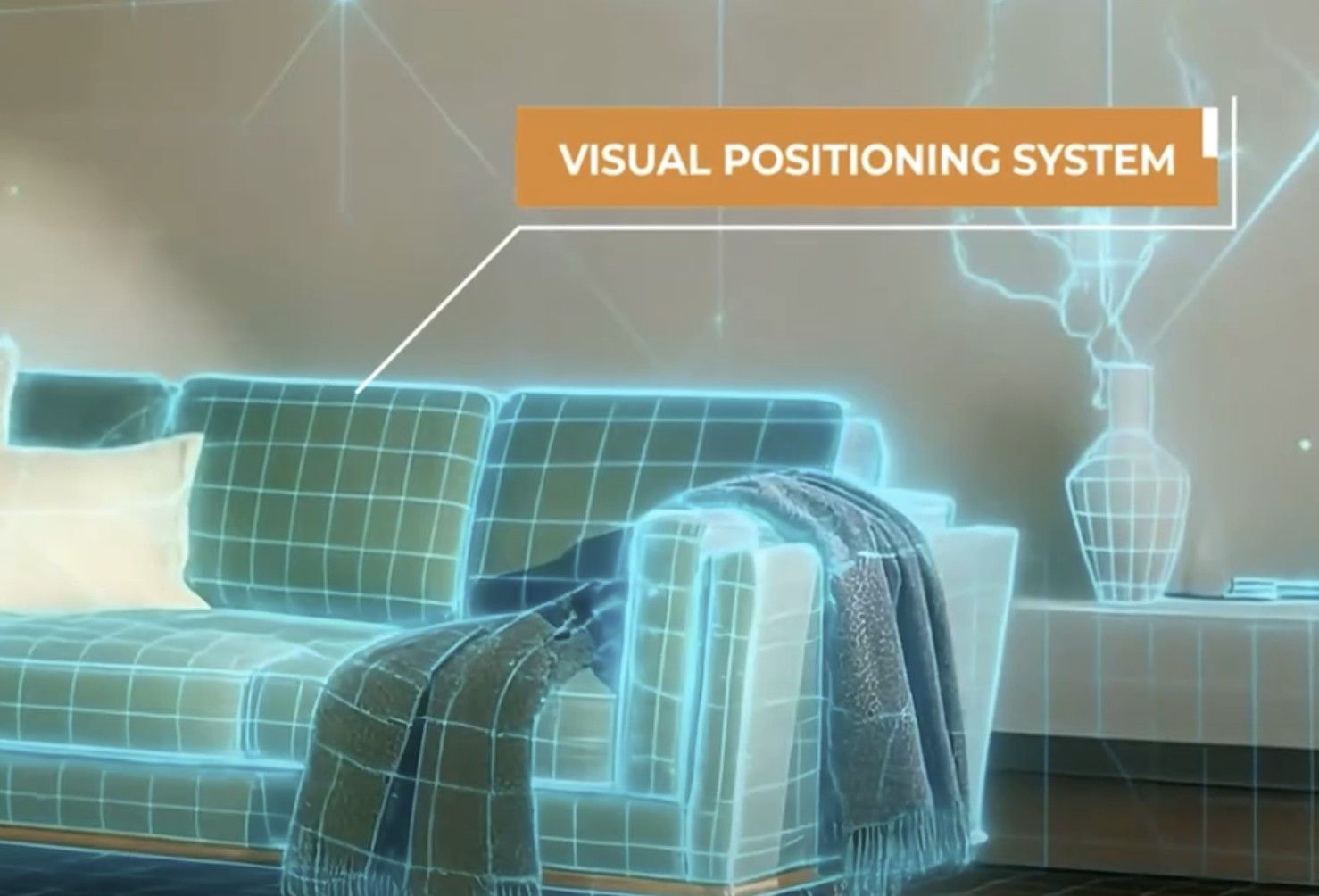
Snap’s interest centered on Illumix’s work scaling its mapping technology and building it out for real-world experiences, and the company plans to adopt that technology and platform directly in Specs. Founded in 2017 by CEO Kirin Sinha, Illumix has focused on AR products that bring the digital and physical worlds closer. It co-developed an AR version of the hit game “Five Nights at Freddy’s,” released in 2019, and has worked on bringing AI into physical space, including systems that respond to changing environments.

Specs Spun Out, AWE Reveal Set for June 16
Snap stepped up the program in January by launching Specs Inc., a standalone subsidiary dedicated to AR glasses. It plans to share more at the Augmented World Expo in Long Beach, California, on June 16, where CEO Evan Spiegel is slated to give a keynote built around the theme of making computing more human.
Specs is designed as a standalone device that needs no tethered puck or phone, targeting a binocular display with head and hand tracking and real-time environment meshing. That is a different architecture from Meta’s Ray-Ban Display, which shows only a fixed heads-up panel in one eye. Industry reporting points to a fall launch at around $2,500. With Meta’s true AR glasses expected in 2027 and Apple’s no earlier than 2028, Snap could become the first to bring full consumer AR glasses to market at scale.
‘The Most Important Platform Transition Since the Smartphone’
Snap reported first-quarter revenue of $1.53 billion, up 12% year over year, and narrowed its net loss to $89 million from $139.6 million a year earlier. In its quarterly shareholder letter, the company framed smart glasses as the most important computing platform transition since the smartphone, and argued it is uniquely positioned to shape that future through a scaled AR platform, a large developer ecosystem, and a vertically integrated software-and-hardware stack spanning Lens Studio, Snap OS and Specs.
Snap also said Lenses developed for the glasses rose 28% year over year. Snapchat’s daily active users reached 483 million in the quarter, up 5%. Carrying its camera-based AR usage and developer base over to the glasses platform is the foundation of that strategy.
What to Watch
The contest is hardening into camp-versus-camp. Google plans to introduce Android XR glasses this year with Warby Parker, Gentle Monster and Samsung, while Samsung is readying a more affordable device known by the codename “Jinju.” Privacy has emerged as the swing variable: after allegations that footage from Ray-Ban Meta glasses was exposed to outside review, regulators have begun probing the category, making data handling and consent design central to consumer trust in glasses that continuously sense the world. How Snap turns Illumix’s spatial-sensing tech into a usable, privacy-aware experience will first come into focus on the AWE stage on June 16.
Sources: Variety (June 4, 2026); Snap investor materials and shareholder letter; AWE USA 2026; industry reporting.