[Samseog Ko's Insight]Why "Coevolution"? — From Content Export to Ecosystem Building
by
2026년 2월 23일
![[Samseog Ko's Insight]Why "Coevolution"? — From Content Export to Ecosystem Building](https://cdn.media.bluedot.so/bluedot.kentertechhub/2026/02/rhl2gg_202602230602.png)
Why Culture-Tech Power Is the Defining Axis of 21st-Century Global Competition
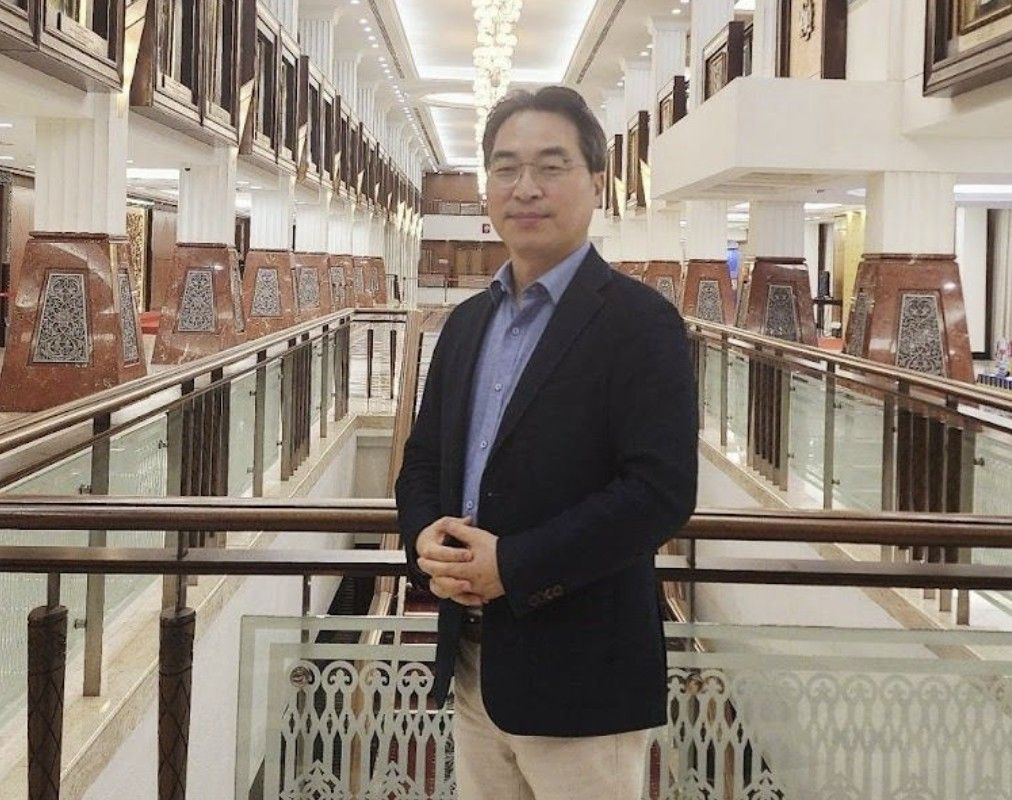
Samseog Ko(고삼석)
Distinguished Professor, College of AI Convergence, Dongguk University
Presidential Committee on Artificial Intelligence of the Republic of Korea
The contest between nations in the twenty-first century can no longer be measured by military strength or industrial output alone. A new architecture of power is taking shape — one in which culture and technology are not merely adjacent forces but irreversibly fused — and what might rightly be called culture-tech power is rapidly emerging as the defining axis of national competitiveness.
SXSW (South by Southwest), opening on 12 March 2026 in Austin, Texas, offers perhaps the sharpest available lens through which to observe this transformation. Far from a conventional cultural festival, it has become a strategic platform where the creator economy, technological innovation, and global cultural networks converge — and where the contours of tomorrow's influence are quietly, but unmistakably, drawn.
The historical significance of SXSW lies, above all, in its sustained commitment to convergence. Launched in 1987 as a modest music gathering on the margins of the American entertainment calendar, it has evolved into the world's preeminent culture-technology fusion forum — one that now encompasses film, interactive media, artificial intelligence, venture capital, and public policy in equal measure.
Where CES functions as a showcase for engineering accomplishment, SXSW has claimed a distinct and more elusive identity: a space not merely for announcing what has been built, but for interrogating what it all means for human beings and the societies they inhabit. In this respect, SXSW is best understood as a post-technology platform — a forum for reckoning with consequences rather than merely celebrating capabilities.
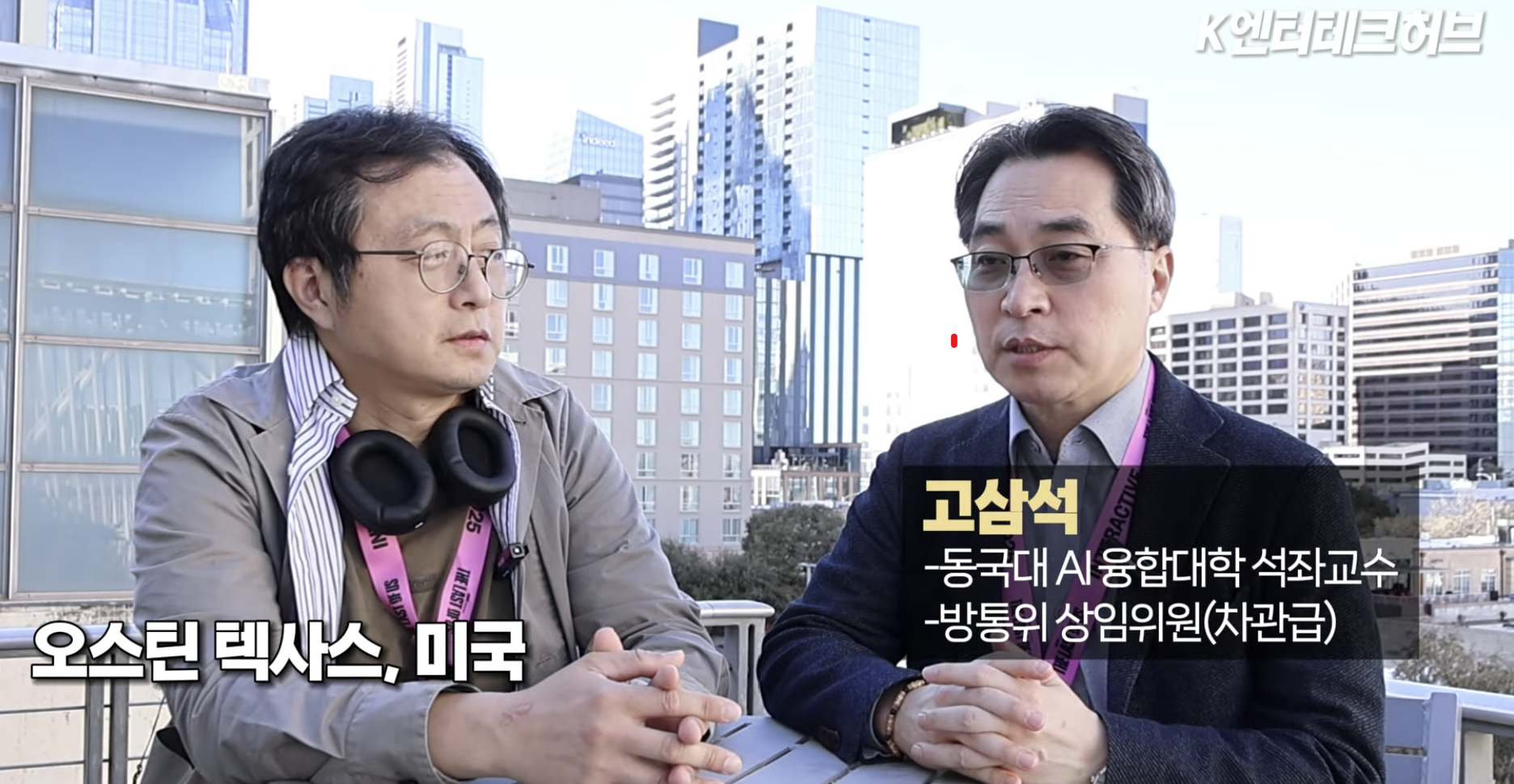
The defining intellectual preoccupation of SXSW 2026 is human-centered artificial intelligence. The conversation has moved decisively beyond questions of productivity and efficiency to examine how AI intersects — and, more disturbingly, interferes — with creativity, emotion, community, and conscience. The growing prominence of affective AI, the urgent demand for ethical technology frameworks, and sustained attention to societal impact together signal something of cardinal importance: the real competition in the global technology order is no longer purely algorithmic. It has become, at its core, a contest over social trust and cultural legitimacy.
This distinction carries profound weight in the arena of international affairs. As the technology rivalry between the United States and China deepens, it is extending beyond semiconductor supply chains and data architecture into something more fundamental — a competition over values, norms, and the very conception of what a well-ordered technological society should look like. Nations that recognise and respond to this shift will be better placed to exercise influence; those that do not will find themselves increasingly reactive in a world shaped by others.
The second major theme animating SXSW 2026 is the creator economy — and the structural transformation it represents. The event draws together global platform companies, content enterprises, early-stage start-ups, and institutional investors to examine the economics of fandom, community, and platform ecosystems. What this gathering reflects is a shift of considerable historical magnitude: the dissolution of the boundary between producer and consumer, and the elevation of individual creators to the status of primary economic agents in global markets.
The older model — in which nation-states and large conglomerates occupied the commanding heights of cultural industry — is being dismantled with remarkable speed. In its place, networks connecting creators directly with fan communities are assuming the role of principal architects of economic and cultural order. This development demands a revised vocabulary. The classical concept of cultural imperialism no longer suffices. We are now contending with platform imperialism — and, beyond it, with what might usefully be termed fandom network power: the capacity of distributed, passion-driven communities to generate influence that transcends borders, institutions, and the conventional instruments of soft power.
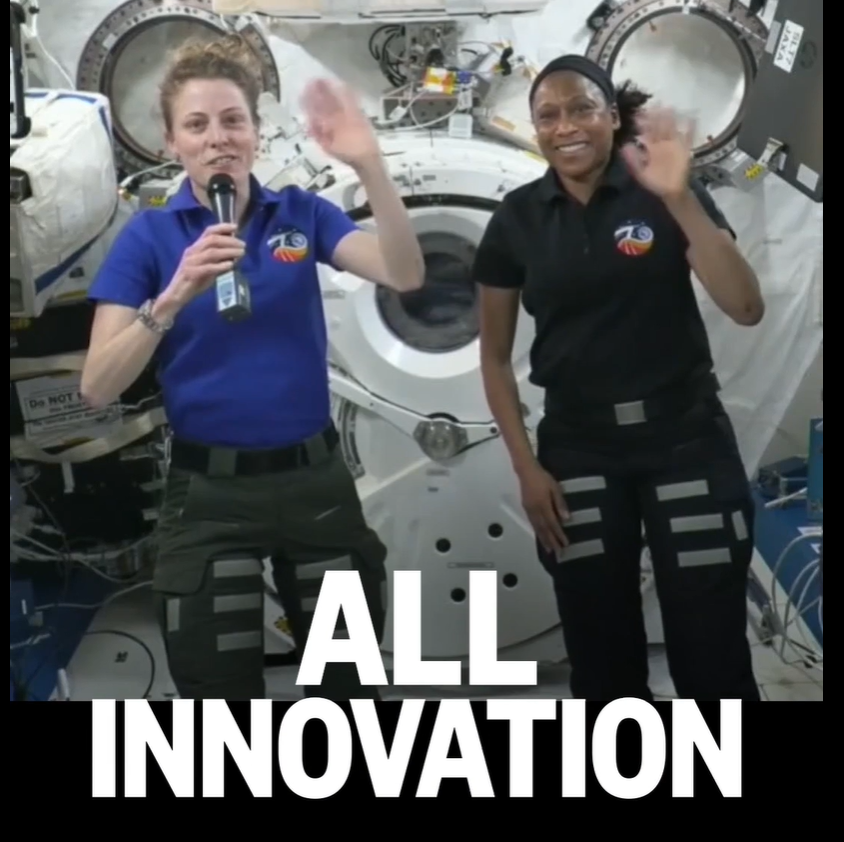
The third defining feature of SXSW is the seamless and mutually reinforcing integration of technology, city, and culture. Austin is far more than a host city for this event — it is a living proof of concept. By weaving together music, start-up culture, established technology enterprises, and the creative industries, Austin has grown into a globally recognised creative city of the first order. Unlike Silicon Valley or Seattle, whose identities are defined largely by technological infrastructure and engineering pedigree, Austin's innovation ecosystem is grounded in cultural identity. It is this distinction that makes Austin not merely a successful city, but a genuinely instructive model for national policymakers and urban strategists alike.
SXSW functions as the central platform for this urban development strategy, offering a compelling demonstration of how the fusion of culture and technology can constitute the foundation of competitive advantage — at the city level and, by extension, at the national level. For those engaged in long-term thinking about cities, regions, and national trajectories, Austin's example repays close and sustained attention.
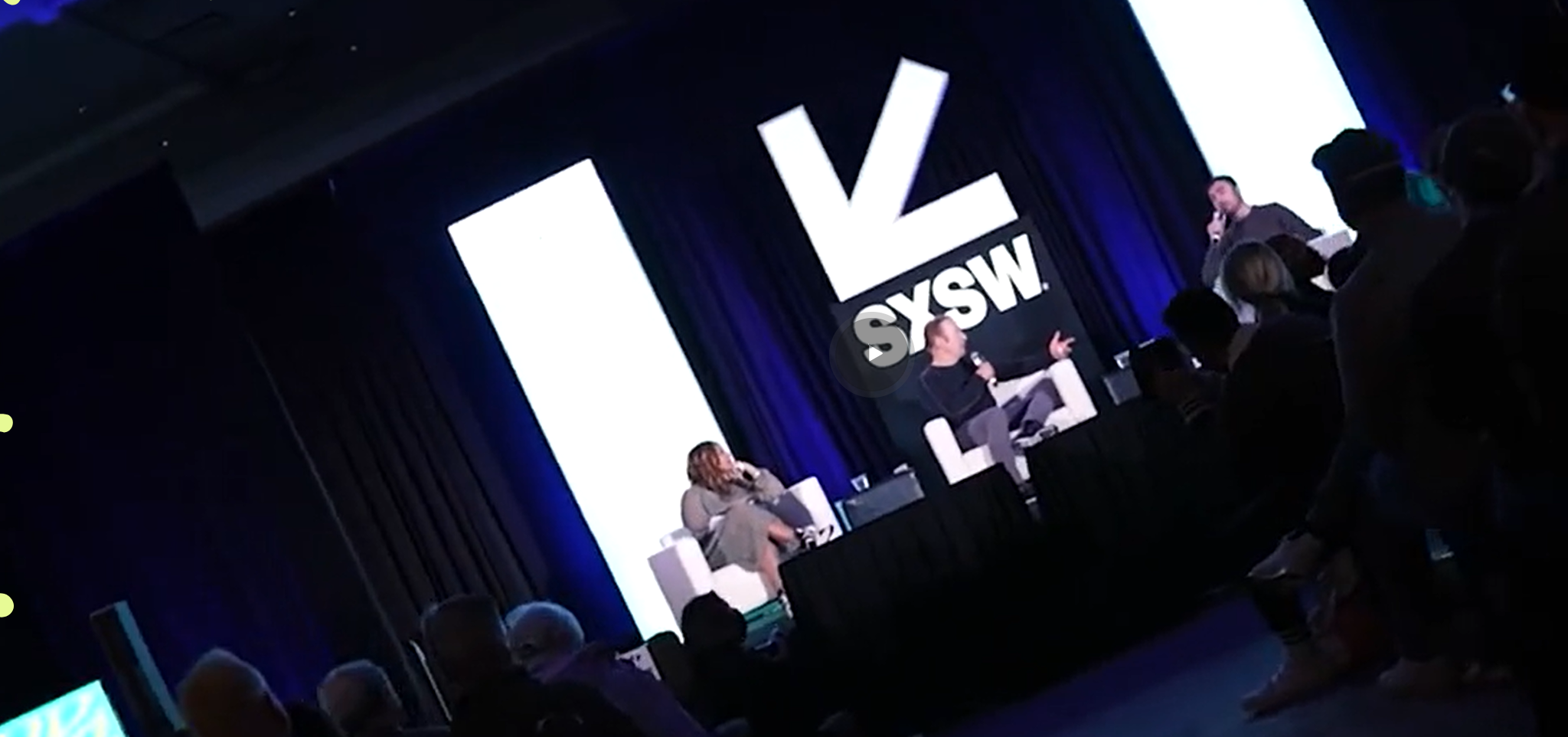
As SXSW marks its fortieth anniversary, its significance has grown well beyond the cultural or the celebratory. The event now serves as perhaps the most reliable early-warning system available for identifying emergent trends across technology, industry, and culture. The evidence is not circumstantial: X (formerly Twitter), Airbnb, and Uber each used SXSW as the launchpad for their ascent into global markets. This record of anticipation and amplification confirms what SXSW has become — simultaneously a laboratory for innovation and a diffusion platform for the ideas that will, in time, reshape the way we live, work, and compete.
For senior executives, policy architects, investors, and strategic thinkers, the implications are direct and unavoidable. To be absent from SXSW is not merely to miss a gathering; it is to forfeit early access to the signals that will define the next decade of competition.

For Korea — a nation that possesses formidable soft power in the form of K-culture and the Korean Wave (Hallyu) — these developments represent both a consequential opportunity and an urgent strategic challenge. Korean drama, K-pop, and interactive entertainment have secured competitive footholds in global markets that would have seemed implausible a generation ago, and Korea has accumulated substantial, transferable experience in constructing fan-driven global networks. But the next stage of competition will be determined not by content exports alone, however impressive their scale, but by the capacity to build and govern platforms and ecosystems.
The future that SXSW points toward is not organised around content in isolation. It is shaped by integrated ecosystems in which creators, fan communities, technology platforms, and cultural infrastructure are tightly and purposefully interwoven. This demands a fundamental strategic reorientation.
Three imperatives stand out with particular clarity. First, AI-driven content production capabilities and the policy frameworks that support individual creators must be substantially and urgently strengthened. Second, platforms designed to activate global fan communities must be purpose-built from the ground up — not improvised from existing infrastructure, but architected for the new realities of distributed cultural power. Third, urban strategies that place the fusion of culture and technology at their centre should be pursued with far greater ambition, with the deliberate objective of creating globally competitive creative hubs capable of attracting and retaining world-class talent at scale.
Pursued with coherence and resolve, these steps will elevate cultural industry policy into something of an altogether different order: a cornerstone of national competitiveness and a pillar of long-term strategic positioning that no serious government can afford to defer.
SXSW 2026 will mark a pivotal transition — a passage from a world in which technology is regarded as the primary source of power to one increasingly shaped by creativity, cultural authority, and the ecosystems that sustain them. The next form of global leadership will not be determined by AI capability, semiconductor production, and data infrastructure alone. It will be determined, in equal and perhaps surpassing measure, by how effectively nations build the ecosystems that connect creators, fan communities, and cultural networks across borders and across generations.
In the new international order emerging from the convergence of cultural and technological power, nations must evolve into what might aptly be called culture-technology states: entities for which the integration of creative capacity and technological strength is not a supplementary ambition but a core function of statecraft. Only those nations that move with foresight and resolution to meet this challenge will sustain meaningful global influence in the decades ahead. The question, for Korea and for every nation with serious global aspirations, is not whether this transition is coming. It is whether they will be ready.
ABOUT THE AUTHOR
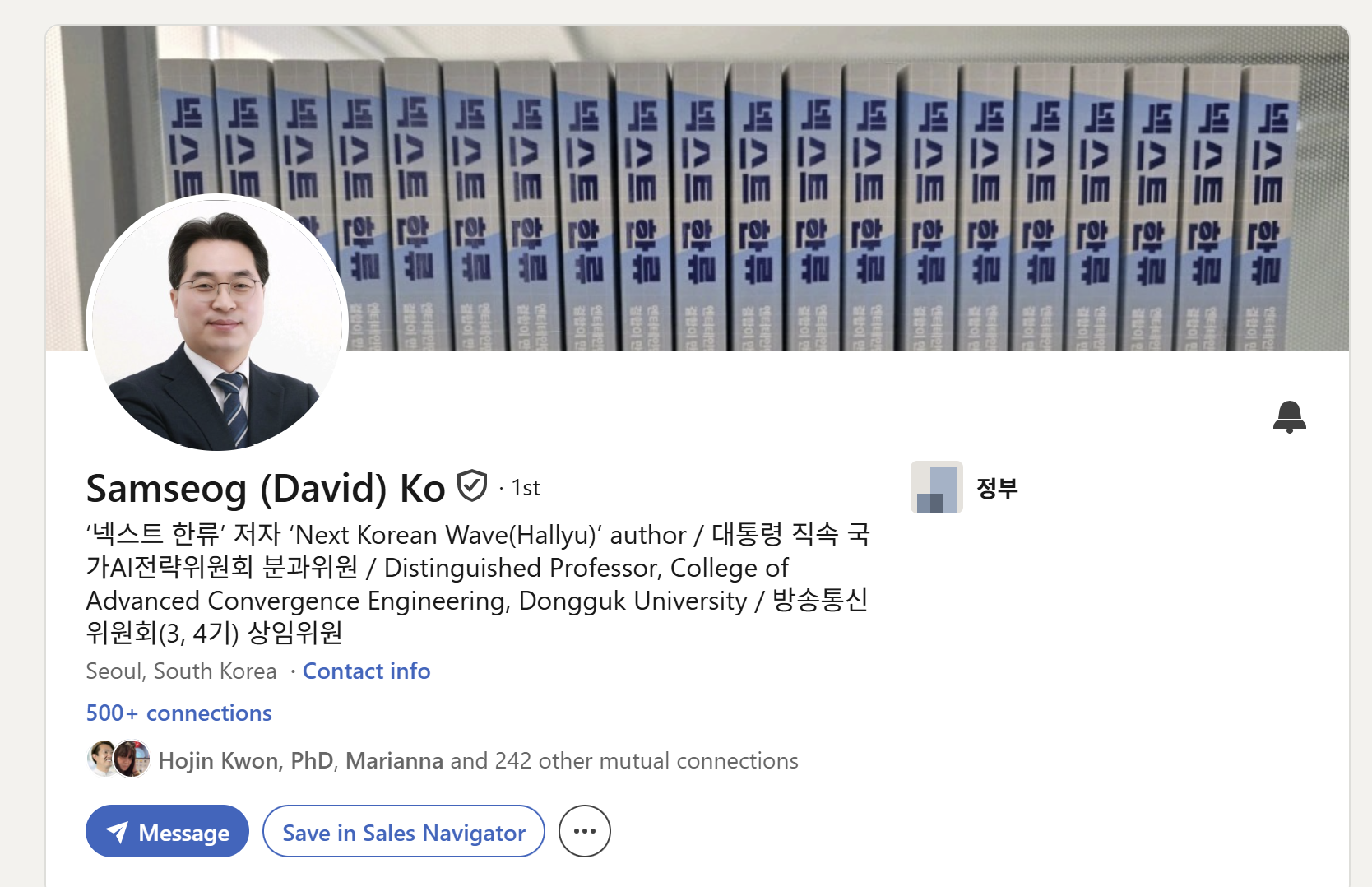
Samseog Ko (고삼석) is Distinguished Professor at the College of AI Convergence, Dongguk University (Ph.D. in Communication). He serves as a Member of Korea's National AI Committee and as Standing Representative of the National Assembly EntertainTech Forum.
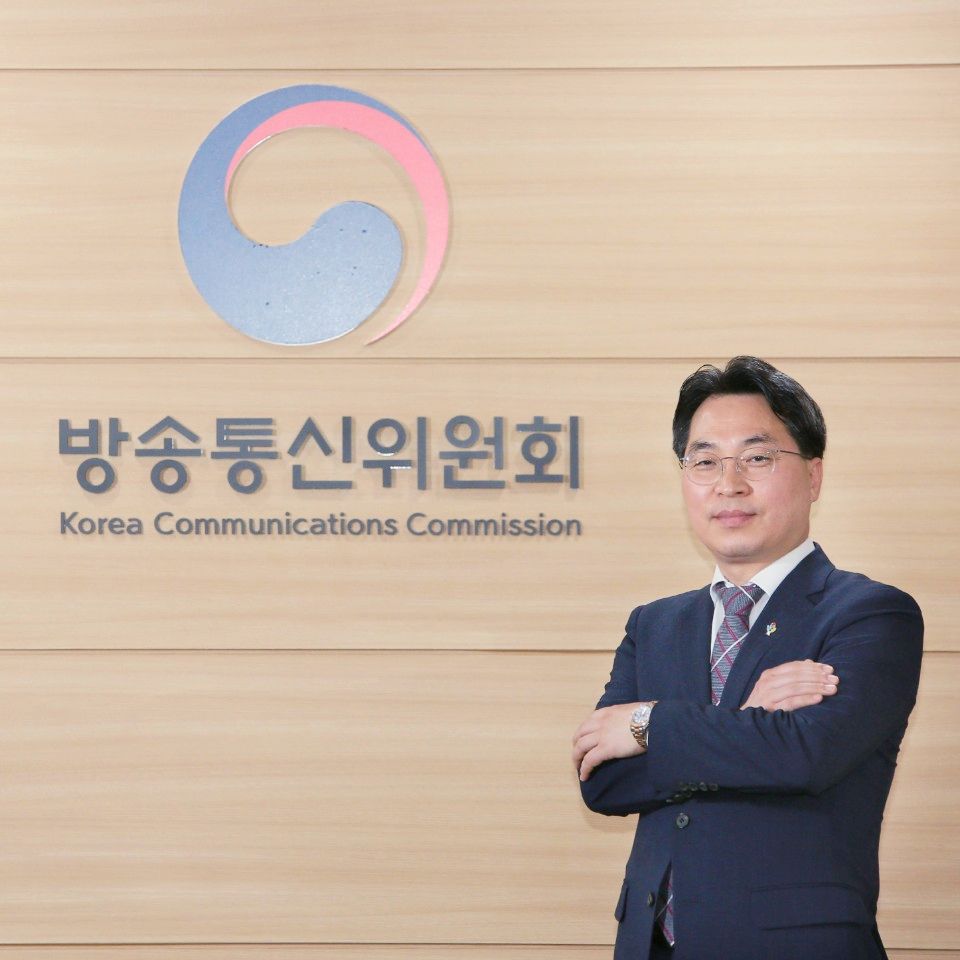
A leading expert in media, ICT, and AI policy, he previously served as Commissioner (Vice-Minister level) of the Korea Communications Commission (2014–2019) — the longest-serving political appointee in the commission's history — and as Senior Secretary for Innovation in the Presidential Secretariat, advising Presidents Kim Dae-jung, Roh Moo-hyun, and Moon Jae-in.
He is the author of Digital Media Divide, 5G Hyper-Connected Society: A Completely New Future (a bestseller in China), and Next Hallyu. His research focuses on the convergence of media, culture, and emerging technologies in the context of global strategic competition.
![[Samseog Ko's Insight]Co-Evolution, Not Competition: A Strategy for Korea-Malaysia Content Industry Partnership](https://cdn.media.bluedot.so/bluedot.kentertechhub/2026/02/1fzdnf_202602170324.jpeg)



![[보고서]전통 언론사의 크리에이터 전략 대전환](https://cdn.media.bluedot.so/bluedot.kentertechhub/2026/02/0nwc9z_202602100212.png)