Nonverbal appeal short video reach and live stakes extend the business from dance schools to leagues and dedicated channels
Live entertainment that is difficult for generative AI to replace is emerging as an investment opportunity, bringing renewed attention to K-pop dance as intellectual property. Its nonverbal expression travels with relatively low language barriers, while a distinctive movement can capture attention within seconds, making it suited to short video. Live competition adds something else: the uncertainty of real performers under pressure and the shared response of an audience. AI can reproduce movements, but it cannot substitute for the actual result of a contest yet to take place or the experience of waiting for it. Dance combines multiplatform reach with the scarcity of a live event.
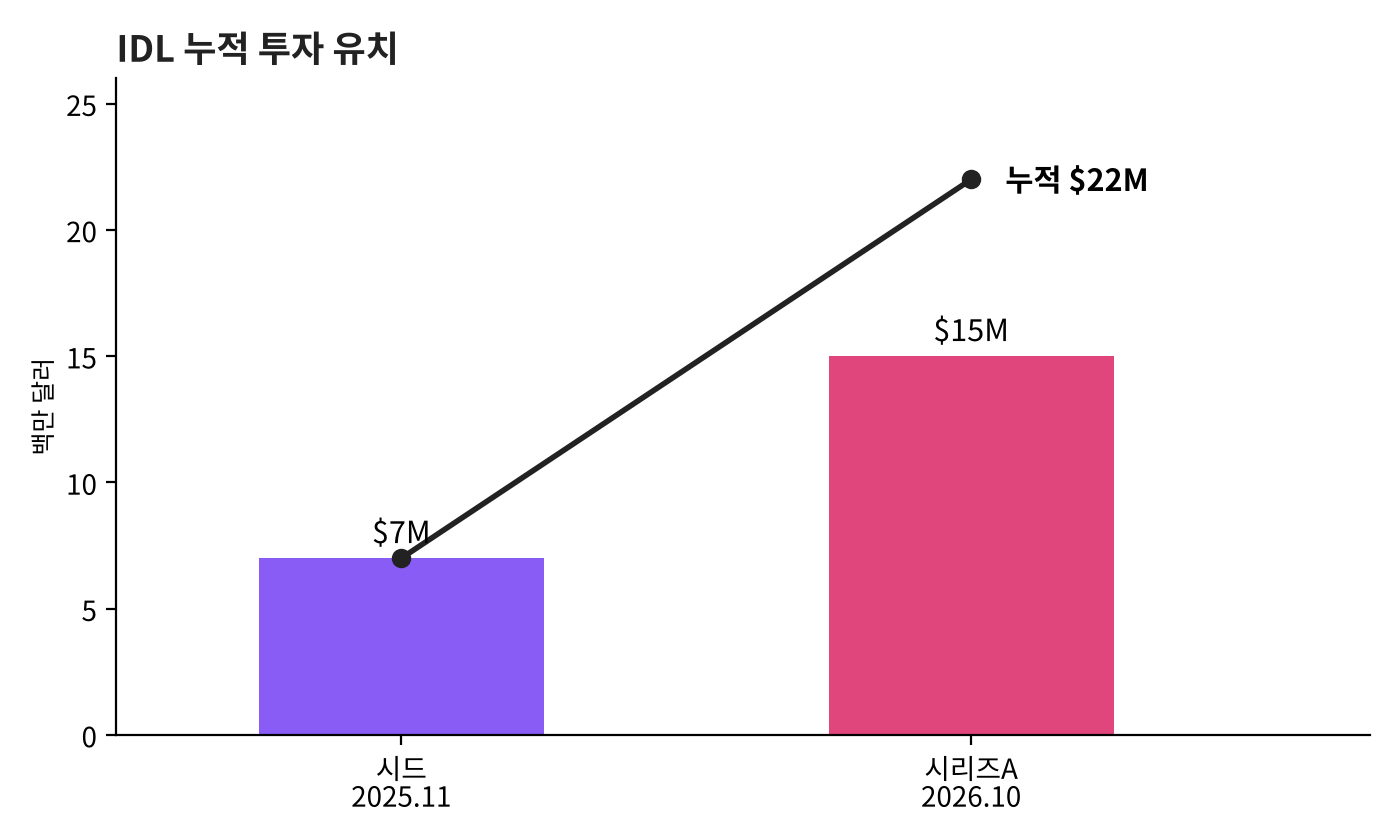
That value is finding outlets in schools and workshops, crew fandom, television competitions, international leagues and dedicated channels. International Dance League (IDL) announced a $15 million Series A on October 21; the Cannes roundtable ahead of MIPCOM supplied European observations of K-pop dance enthusiasm and interest in reaching younger audiences. A routine people want to learn supports a class, a crew they follow becomes a league attraction, and recorded performances become channel programming. Multiple uses of the same creative identity are broadening the commercial opportunity for dance amplified by K-pop.
Nonverbal expression connects short discovery to deeper engagement
Movement, expression and rhythm can reach an audience before a full sentence is translated. Rules and team context still require explanation, but the central performance can travel as the same footage across markets. K-pop dance adds song recognition, artist awareness and distinctive choreographer and crew identities to that relatively low dependence on language.
Short video lets a striking movement become an entry point without requiring a full-event commitment. Fans share and cover the sequence, then seek out the song and its creators. A long performance supplies short excerpts, while those excerpts can direct attention back to the full routine or a class. The advantage lies in participatory movement and recognizable creative style, not merely in a shorter runtime.
A crew or choreographer can therefore sustain recognition beyond one song’s promotional window. Schools, live contests, television, social video and FAST offer different occasions for engagement. Revenue depends on conversion into viewing, learning and attendance, but the expanding set of outlets increases the strategic importance of an original property with its own fan relationship.
A larger licensing economy provides context
Licensing International puts global retail sales of licensed merchandise and services at $389.8 billion in 2025, up 5.45% from $369.6 billion. Character and entertainment properties generated $161.8 billion; sports generated $44.4 billion. These are adjacent commercial markets, not estimates of the K-pop or dance sector.
Retail sales are also different from royalties paid to rights owners. The licensing survey does not measure all sports broadcasting rights. IFPI separately reports $31.7 billion in global recorded-music revenue for 2025. The figures have different boundaries and must not be added together. Their relevance is the range of business models available around a recognizable cultural property.
K-pop performance invites participation as well as viewing. Fans learn routines, follow choreographers and attend competitions. That movement can support classes, merchandise and commercial partnerships. These are potential extensions; IDL fundraising and video reach do not establish how much revenue any of those extensions will produce.
Sources Licensing International 2026 Global Study and IFPI Global Music Report 2026. B means billion US dollars. These are not K-pop or dance market estimates and are not additive.
Investors are backing a recurring season
Elysian Park Ventures, the investment arm of the Los Angeles Dodgers ownership group, led IDL’s Series A. Participants included Sony Group Corporation, Sony Corporation, Yamaha Music Innovations Fund, KB Partners, APEX and October Ventures. KB Partners here is the US sports investment firm; its name should not be taken as evidence of participation by a Korean banking group. A $7 million seed round in November 2025 brings total capital raised to $22 million.
Founded by the team behind online dance education platform STEEZY, IDL packages six city- and region-linked teams into a season. New funding supports touring, broadcast and digital production, team and dancer infrastructure, fan experiences and the 2027 commercial operation. The proposition is an organization that gives audiences reasons to return across events and seasons.
IDL reports sellouts at all six inaugural-season events, 2 billion social-video views and 6 million livestream views. Honda and e.l.f. Cosmetics became brand partners. Those cumulative viewing metrics may include repeat consumption; they are not unique paying customers or revenue. Capital raised is neither the league’s valuation nor the value of its media agreement.
Seoul supplies a local story within a global competition
Regular events took place in New York, Vancouver, Sydney, Seoul and Los Angeles, followed by the September 20 championship at LA’s Shrine Expo Hall. Brotherhood earned 14 points at each of five regular events, totaling 70, then added 12 championship points for an aggregate 82. GRV won the championship final with 94.00 against Brotherhood’s 93.57; Jam Republic placed third at 90.86. Aggregate season points and the championship title are distinct measures.
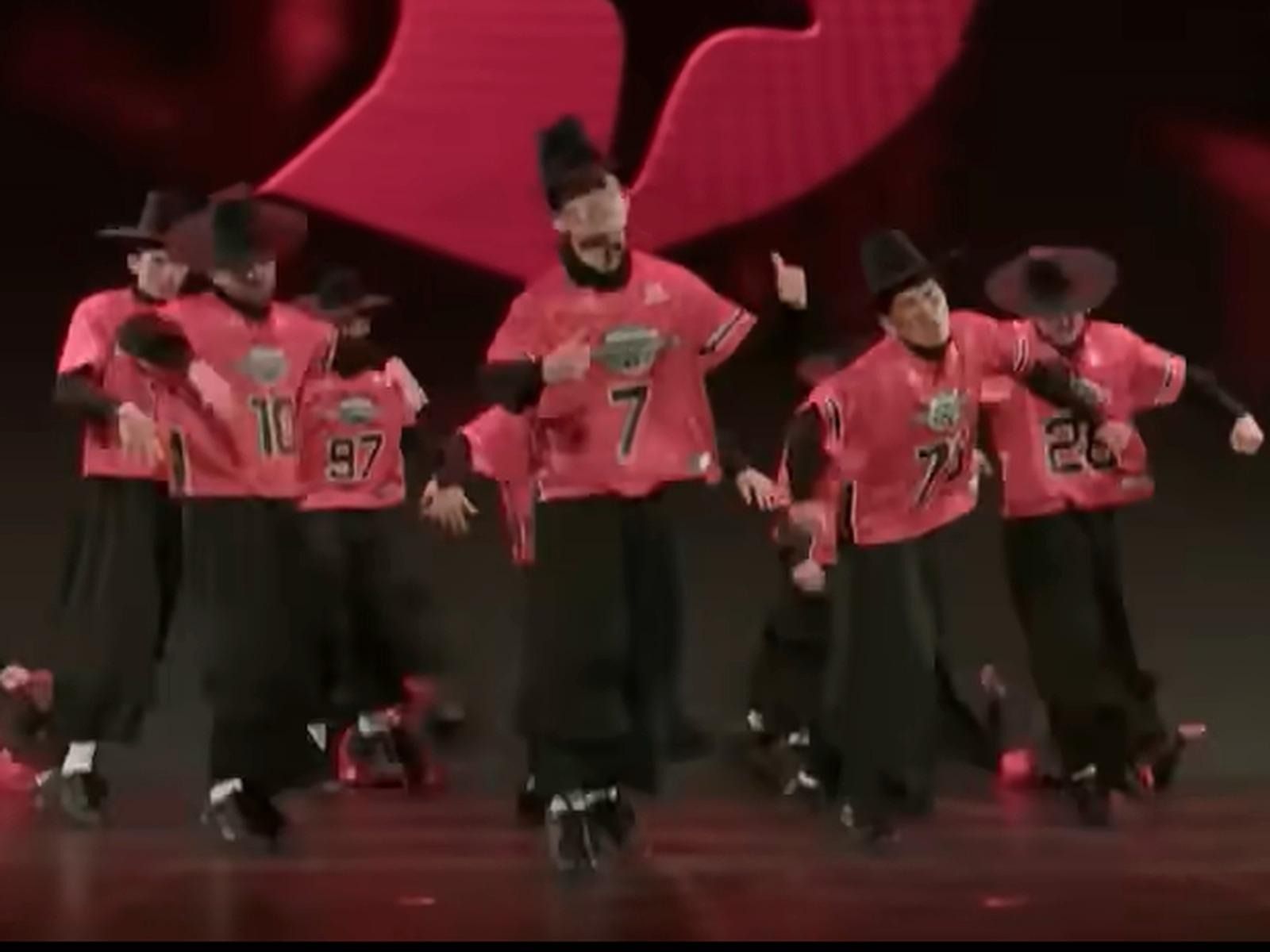
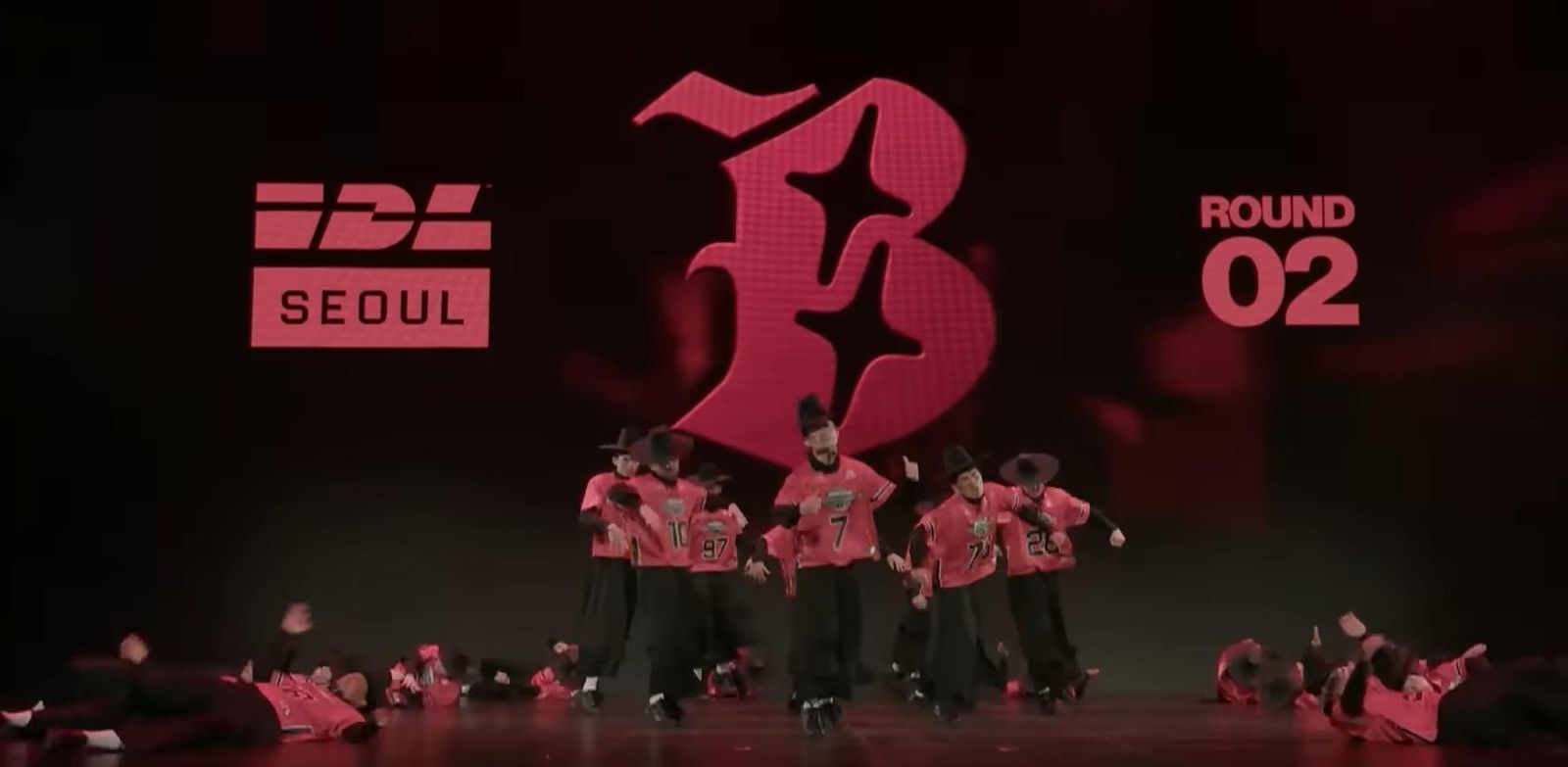
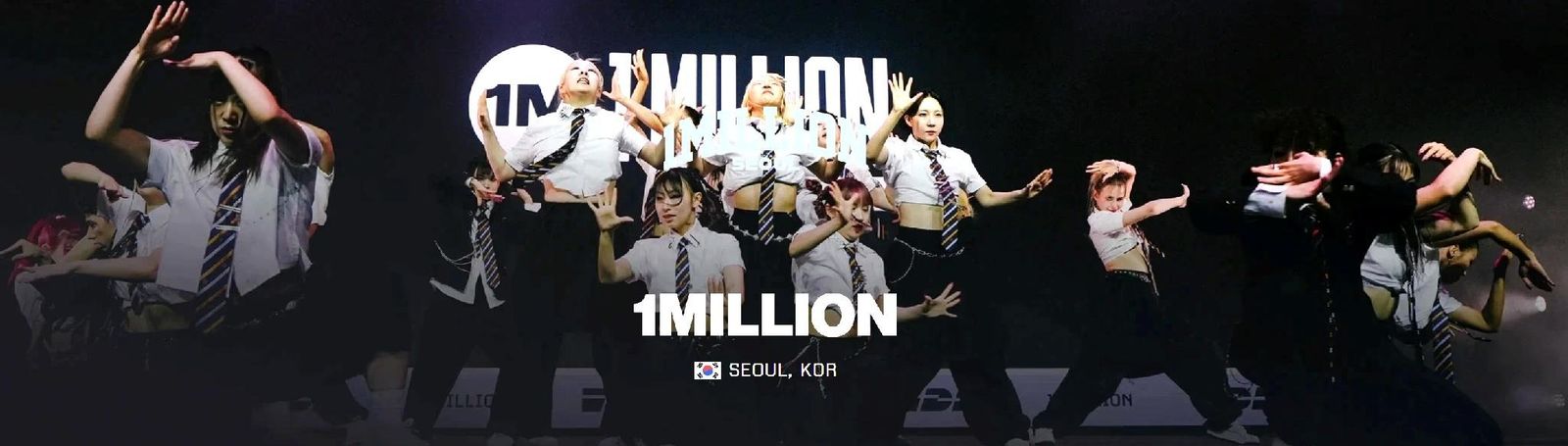
At the August 1 Seoul event, Brotherhood performed in red uniforms and traditional Korean gat hats, winning with 14 points. Home team 1MILLION took second with 11 and finished the season fourth on an aggregate 32. The Seoul studio’s audience of more than 26 million YouTube subscribers and co-founder Lia Kim’s profile helped connect the event to a local fan community. Its performances also supplied material for circulation after the show.
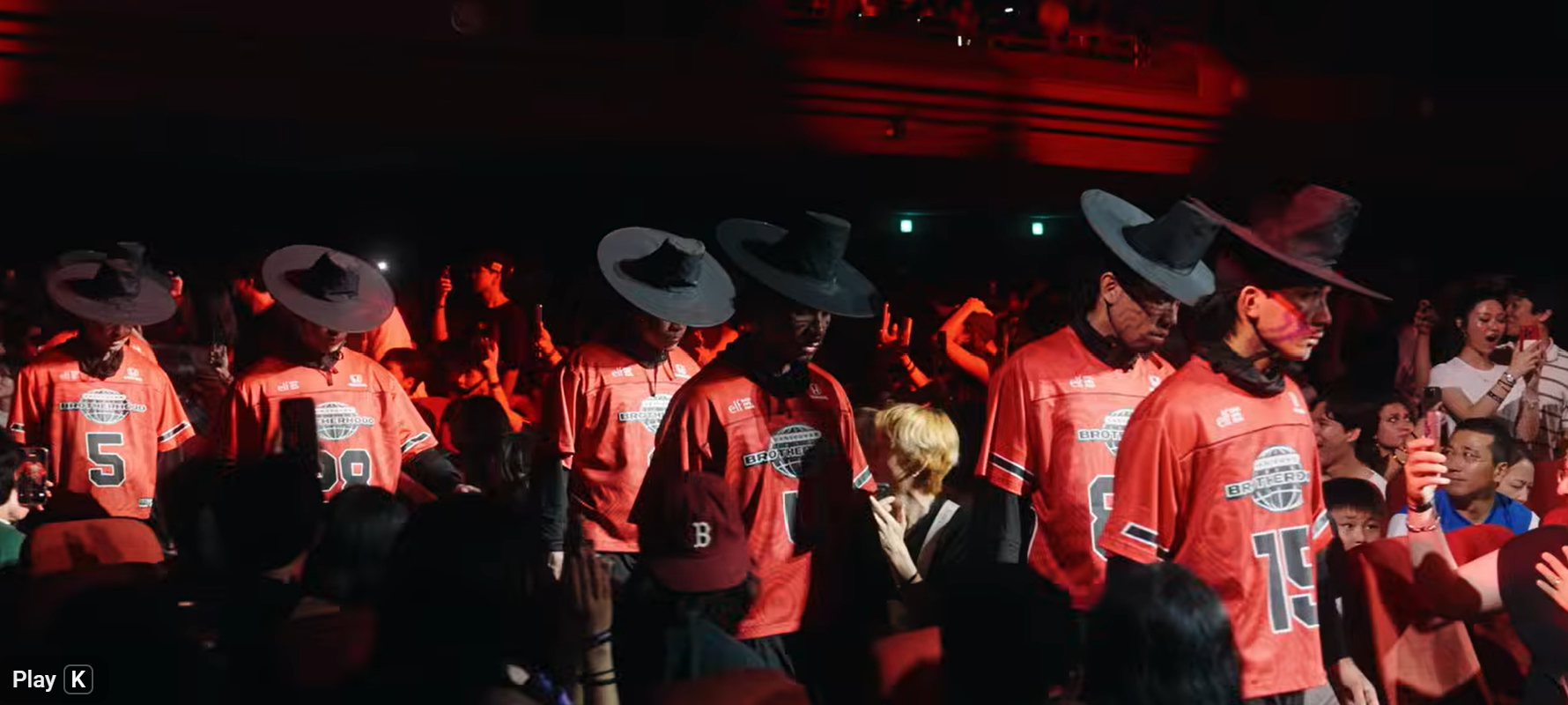
Brotherhood’s entrance through the crowd in Korean gat hats brings the live experience into focus. The distance between performers and spectators narrows as fans raise cameras to record their own view. A Canadian crew’s choice of a Korean cultural symbol makes Seoul part of the performance itself. Even when shared as a short clip, the scene retains the context of a real encounter at a particular event.
Distribution requires a further distinction. IDL’s official ESPN schedule describes television edits of past events, rather than a promise that ESPN2 carried every contest live. Seoul distribution through YouTube, SOOP and Disney+ involved separate viewing outlets. Platforms, territories and release windows matter; published material does not establish the agreement’s fee or detailed revenue split.
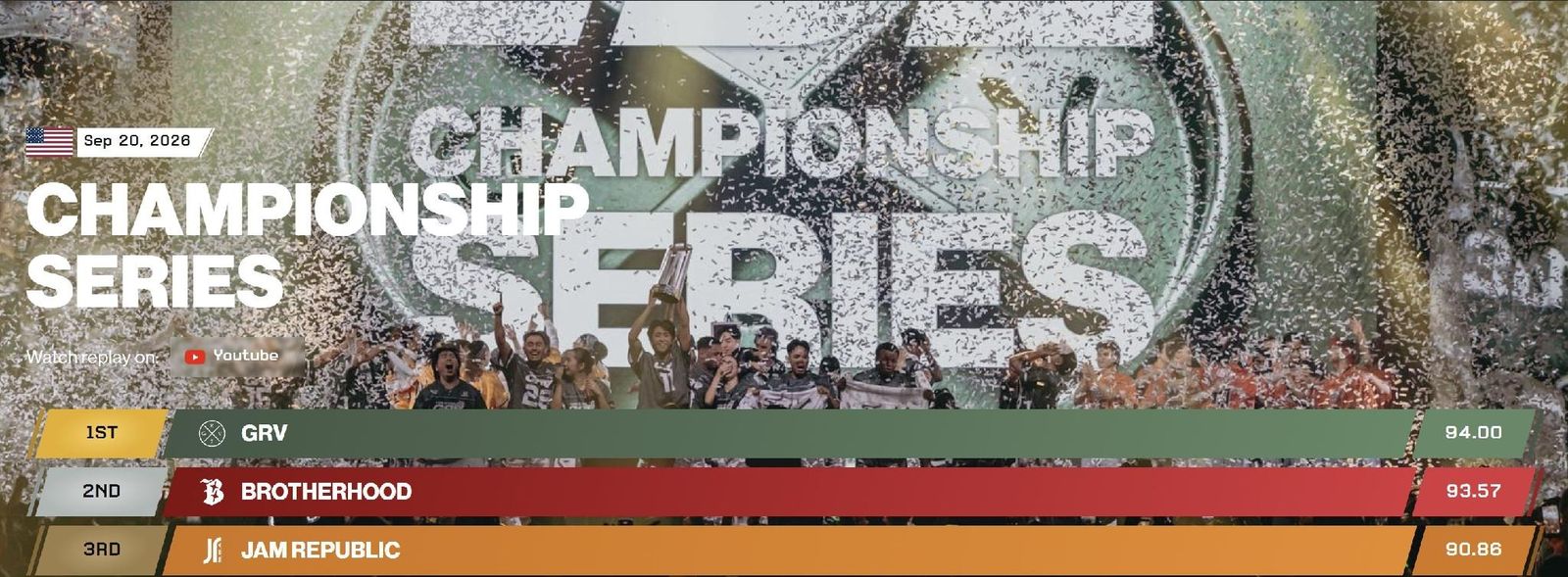
Season aggregate standings and championship outcomes
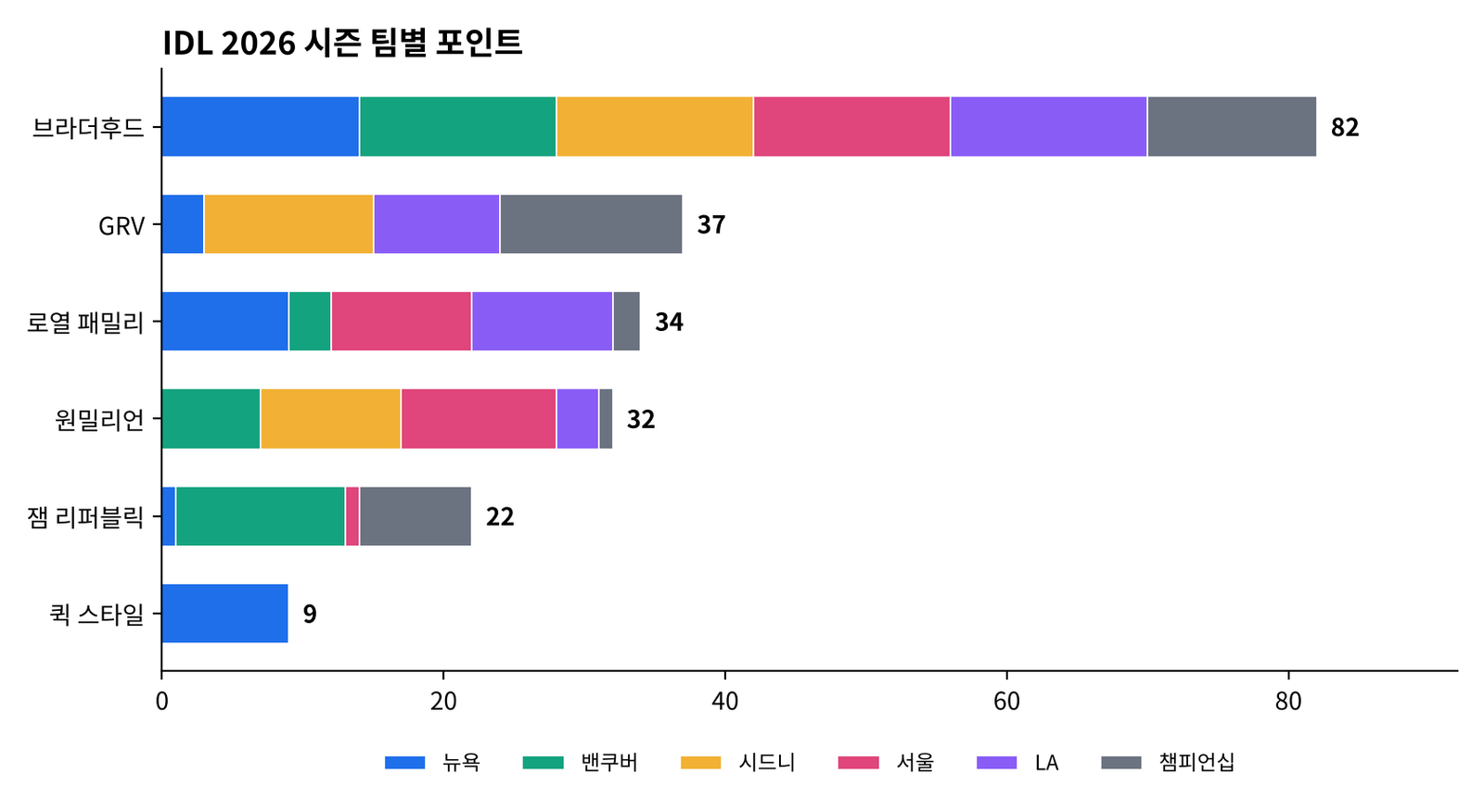
Points by event including the championship. NYC Vancouver Sydney Seoul LA Championship. Source IDL
What synthetic imagery cannot replace about a real contest
The distinction is not whether AI can reproduce dance movements or an arena image. A synthetic sequence cannot retroactively replace the outcome produced by real people at a specific event, or the experience of supporters who waited for it. Brotherhood won all five regular events yet lost the championship final to GRV by 0.43 points. Fans follow the possibility that pressure, execution and judgment will change the result, alongside the choreography itself.
That live experience can support subsequent uses: a decisive move becomes a short clip, the competitive journey supports full-event viewing or documentary storytelling, and a season builds memory around a team and its next appearance. Television and streaming deliver events; social platforms enable discovery and participation; FAST extends library viewing. A distinctive original property can therefore serve different viewing situations across platforms.
Turning that potential into revenue still requires usable rights and audience conversion. More distribution outlets can mean repeated exposure to the same fans, while music or footage restrictions can limit reuse. IDL funding and the K-Dance launch show capital and distribution responding to the opportunity; they do not establish a universal surge in dance asset prices.
Why the audience becomes a supporter base
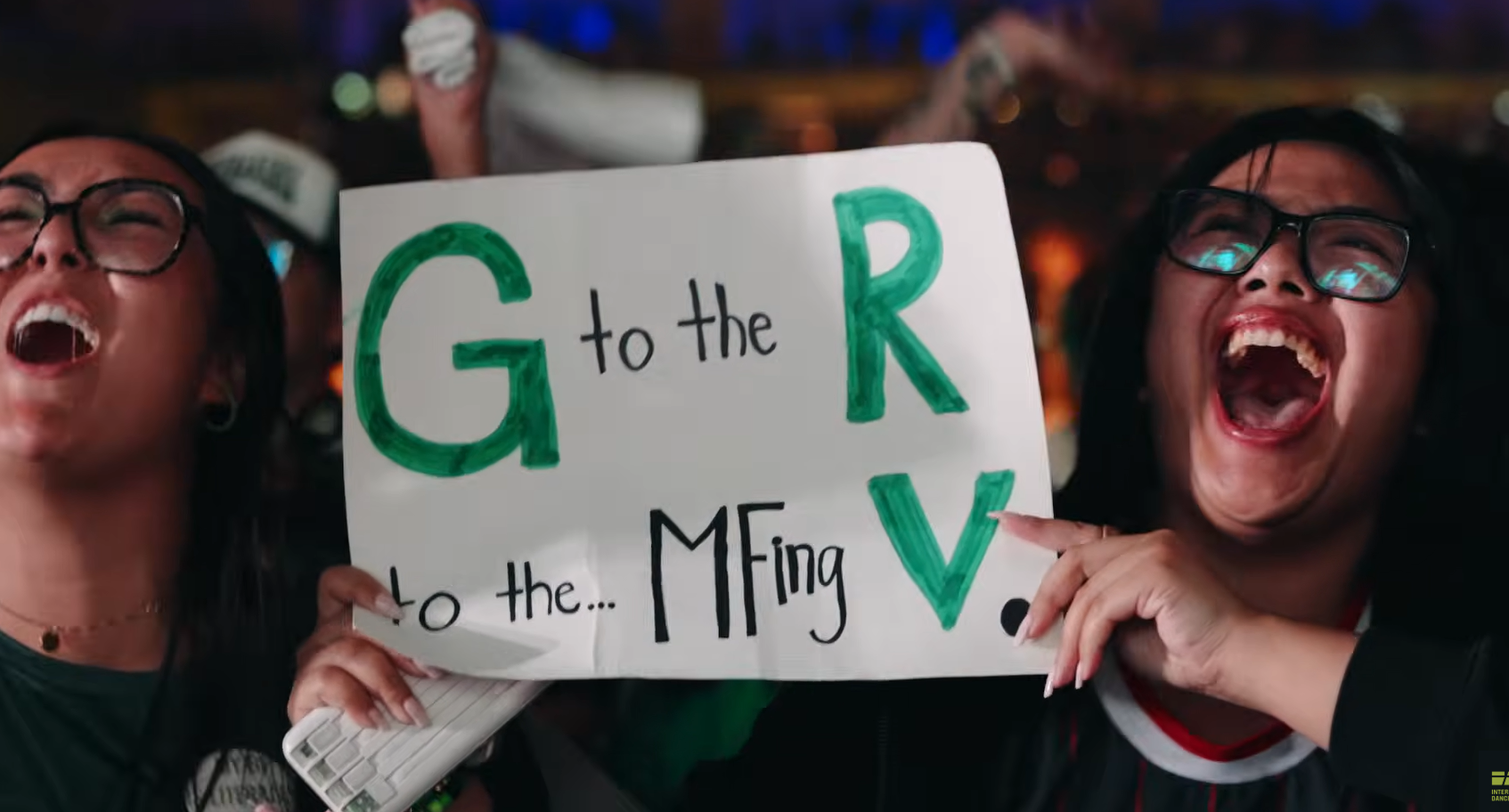
In the stands, spectators cheer with a handmade GRV sign. It captures identification with a team, adding allegiance to the pleasure of watching a performance. A single image cannot establish the motivations of the entire audience or explain sales, but it illustrates the kind of participation a recurring competition can cultivate.
Returning teams and changing standings give viewers a reason to remember previous performances and anticipate the next opponent. Judging and fan voting create involvement in the outcome. Short videos offer an accessible route to sharing a move or learning it. Distinctive crews and local cultural references can give audiences a team to support without requiring complete fluency in the language.
The commercial opportunity is a connected path from a free clip to a full event, a team follow and a return visit. This is an interpretation of the format, not a measured explanation of purchasing behavior. Repeat attendance, team-level audience data and viewing conversion would be needed to establish which mechanisms actually create loyal customers.
From watching K pop to learning K dance at 1MILLION
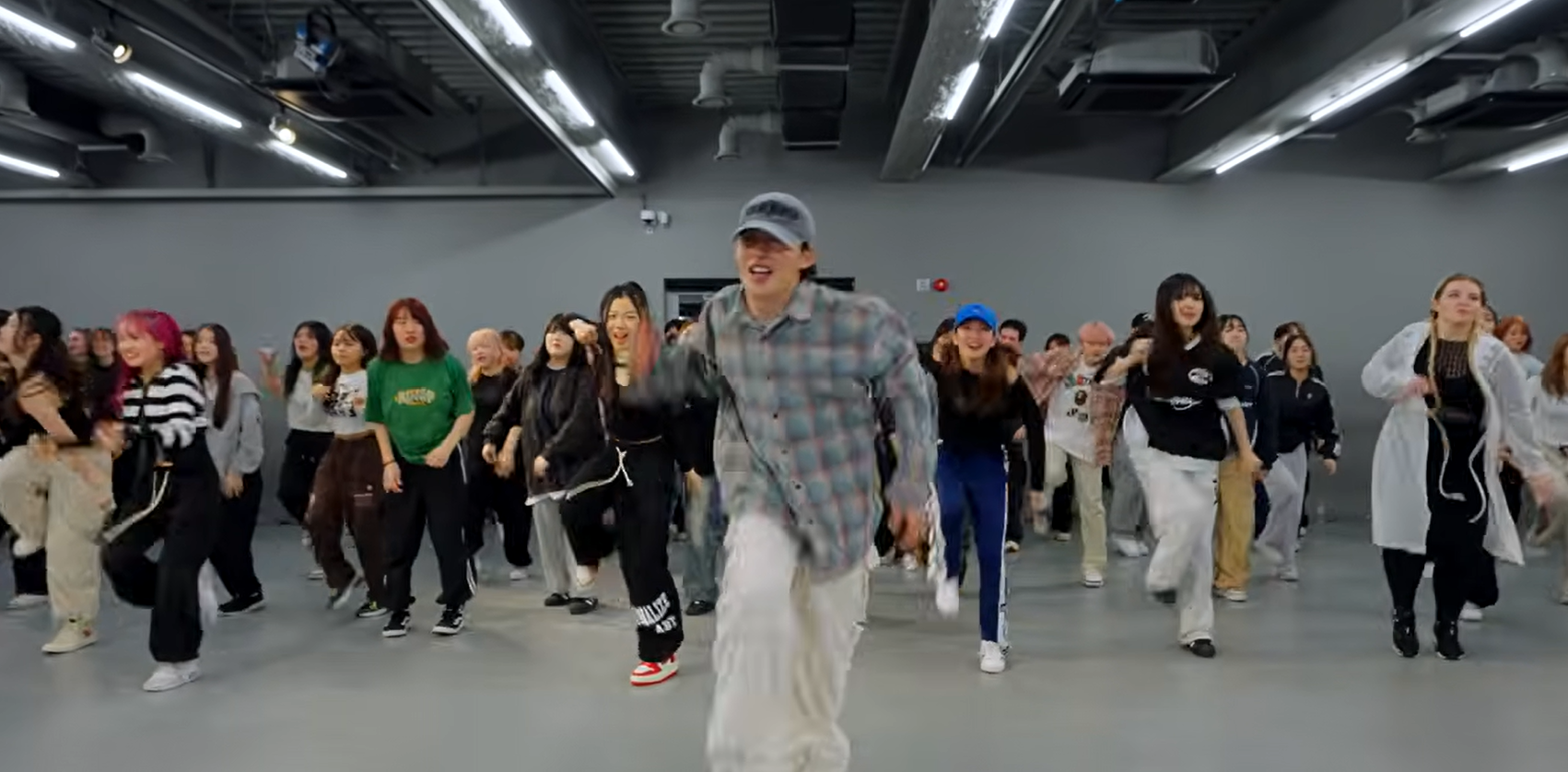
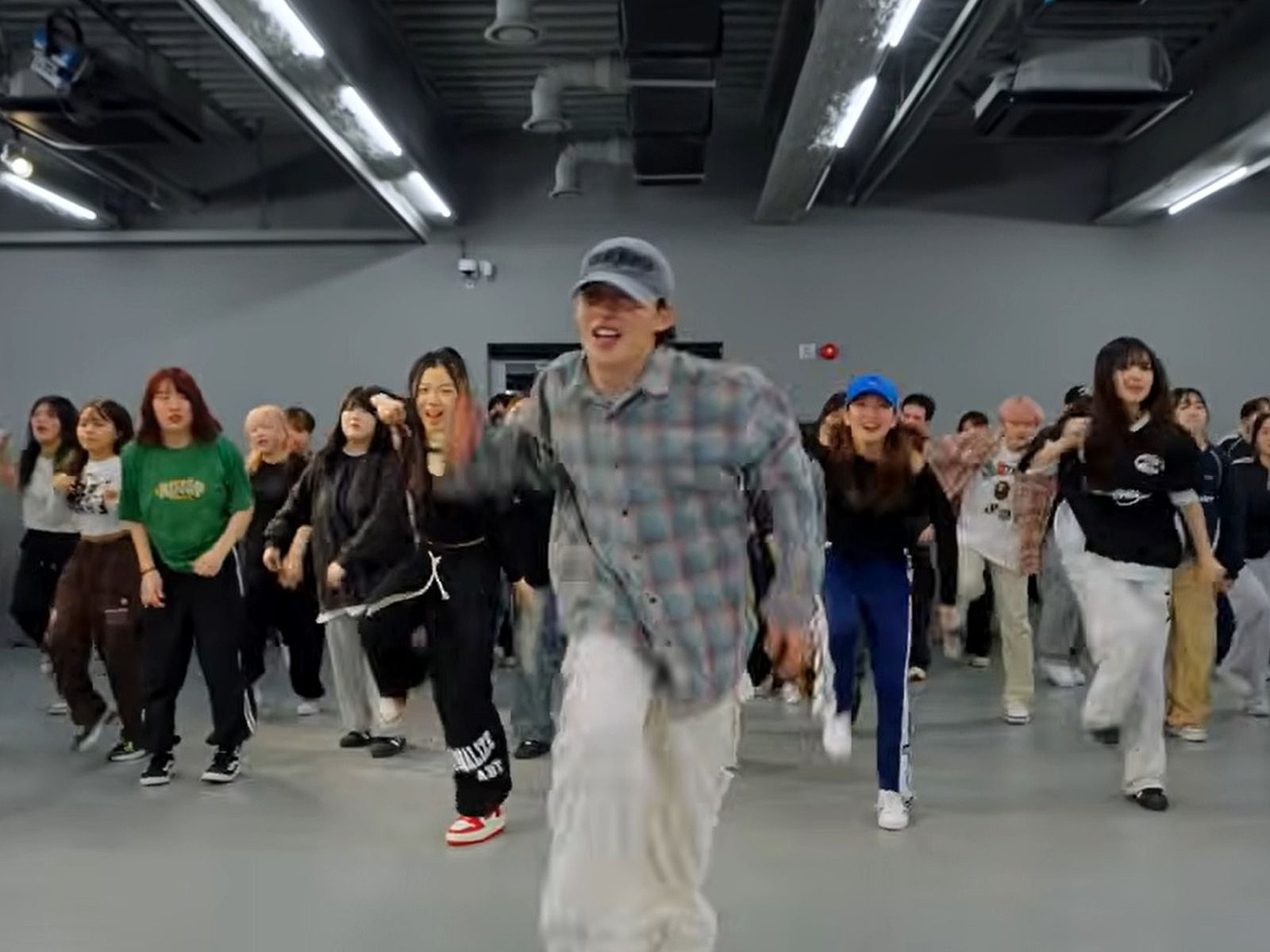
1MILLION offers Step by 1M for newcomers, followed by Starter, Learner and Master programs, alongside Pro and Popup classes. The lineup connects first-time learners with more advanced creative practice. Interest in a recorded performance can become a class booking, while learning a choreographer’s style can build a continuing relationship with that creator.
This participation culture also gives a K-pop dance channel a potential audience foundation. Viewers watch a performance, revisit a routine, learn or cover it, and come to recognize its creators. Rehearsal, competition and behind-the-scenes stories can give those viewers reasons to return. The relevant FAST opportunity is a continuing destination for dance fandom, rather than channel expansion in the abstract.
The Cannes roundtable captures European enthusiasm for K dance
European industry feedback gives this opportunity a concrete setting. At K-EnterTech Hub’s Korean content and entertainment technology roundtable in Cannes on October 11, ahead of MIPCOM 2026, Media Hansa founder Karina Rompa recalled K-pop dance teams gathering at a Korean brand event in Warsaw. She described similar enthusiasm in the Czech Republic and sellout K-pop shows. Her observations point to participation around dance and performance, rather than viewing alone.
Latvian media and streaming strategist Inga Alika said at the same discussion that attracting young viewers was something everyone wanted and that K-dance had substantial potential. European telecom and pay-TV operators are looking for ways to reach younger audiences; a dance channel could connect programming with a culture those audiences already participate in. Rompa described free FAST viewing as a low-barrier way for people unfamiliar with Korean content to discover it.
Hudson AI CEO Hyunjin Shin’s presentation carried the message that the opportunity was to add languages to existing content rather than simply produce more. Hudson AI leads the consortium for CJ ENM’s K-Dance flagship channel. At the roundtable, Shin demonstrated AI dubbing and real-time interpretation, then proposed roughly ten-minute Latvian and Polish dubbing tests so the European participants could assess translation quality and potential local use.
The roundtable illustrated that local interest in dance already exists. The task is to connect that interest with classes, performances and the stories of recognizable crews. Shin’s localization demonstration and the European participants’ responses point toward using AI to bring real performances to more audiences, rather than substituting for the event itself.
Korea has the ingredients for a broader performance business
Korea combines demand from music agencies, choreography studios such as 1MILLION, Mnet’s competition franchises and distribution through Samsung TV Plus and LG Channels. Jam Republic appeared on Street Woman Fighter 2; Royal Family competed on World of Street Woman Fighter. Teams moving between Korean television and an international league create a bridge between program recognition and continuing dancer fandom.
The Korean reporting cited here put Street Woman Fighter 2 related videos close to 200 million cumulative views in September 2023 and the 2025 World of Street Woman Fighter mega-crew videos above 31 million within four days. A reported 90.1% live viewing share concerned concurrent live channels within TVING, not all television viewers. Ratings, cumulative video views and platform shares cannot be compared directly, but each reveals a different route to audience engagement.
CJ ENM’s dedicated K-Dance channel sits within this same development. Launched on LG Channels in the US and Canada on October 27, it brings together Street Woman Fighter, Street Man Fighter, K-pop fancams and MAMA performances. The format offers a continuing home for the music, choreography and crew stories that can engage the young audiences discussed in Cannes. Its significance is dance becoming a genre viewers seek out in its own right.
Korean dance industry assets and business priorities
The next task is to retain participation in recurring value
Broadcasters can extend dancer and team stories between program seasons. Agencies and studios can consider participation in teaching, events, merchandise and footage uses alongside production fees. Platforms need audience information useful to local advertisers. Co-hosting, co-production, team investment and territorial licensing are different options, each bringing different costs and authority.
A performance business should distinguish music, choreography, performer participation, footage and team branding when planning commercial uses. Territory, term, distribution format and creator participation need to be addressed separately. Fan covers and challenges help discovery, making a workable relationship between open participation and commercial compensation especially valuable.
For 2027, repeat attendance, sponsor renewals, media terms and event production costs will test IDL’s durability. Viewing hours, ad revenue and fresh programming will matter for K-Dance FAST. IDL has announced that all six founding teams will return, with dates and host cities to follow. Korea’s opportunity is to connect its creative capability and fandom to products and rights that generate recurring, shared proceeds.
In the AI era, Korea’s durable asset is the credibility and identity of a real performance, together with the audience relationship it creates. Retaining participation in league, team and program rights can connect that live value to recurring multiplatform income, allowing dance amplified by K-pop to develop as an independent property.