
Dongguk Hallyu Convergence Institute conference looks to everyday life, filming sites and longer stays to lift regional tourism, and signs a joint policy research agreement with the Korea Culture & Tourism Institute
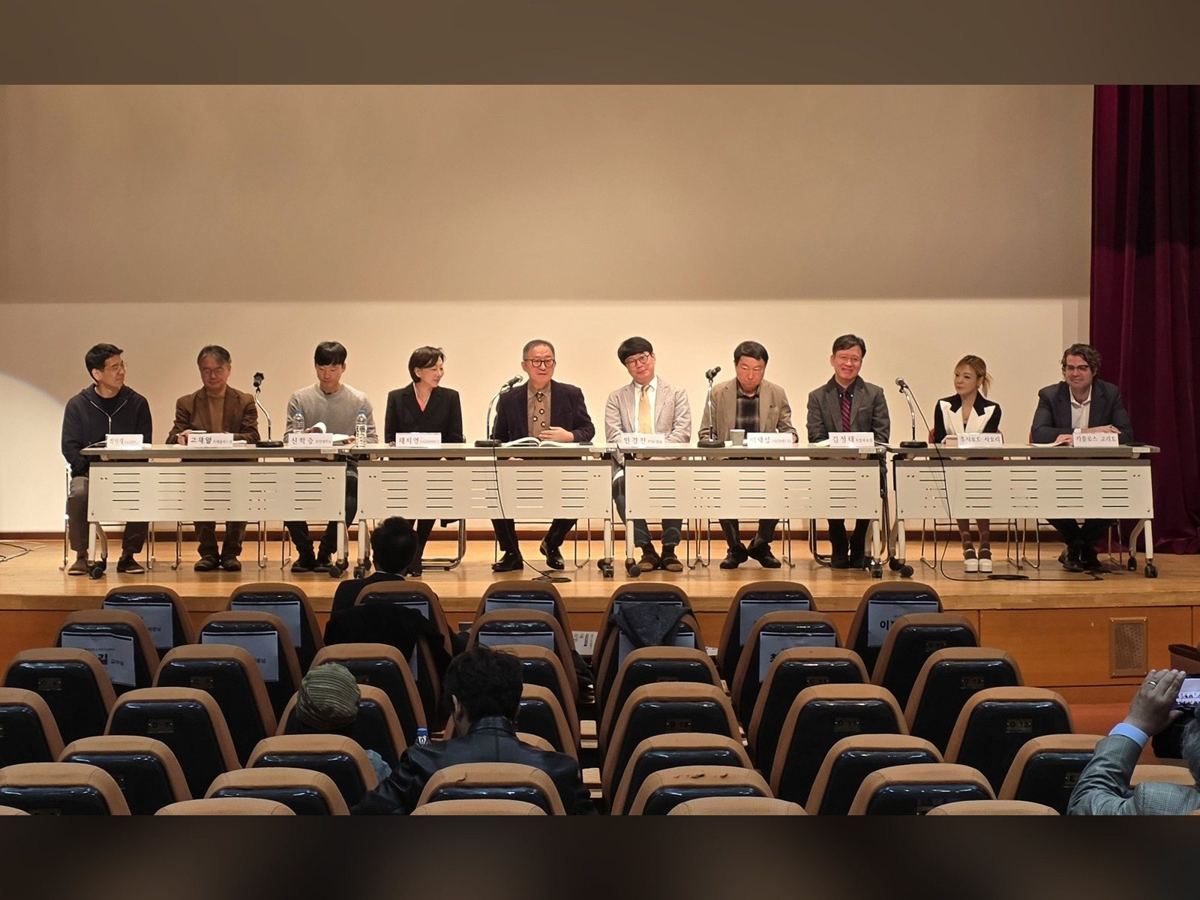
Dongguk University’s Hallyu Convergence Institute used its Nov. 18 conference to weigh stays, spending and return visits for a 30-million-visitor era. Speakers covered everyday culture, screen tourism, local revenue and lodging gaps; moderator Samseog Ko proposed a “co-evolution ecosystem.”
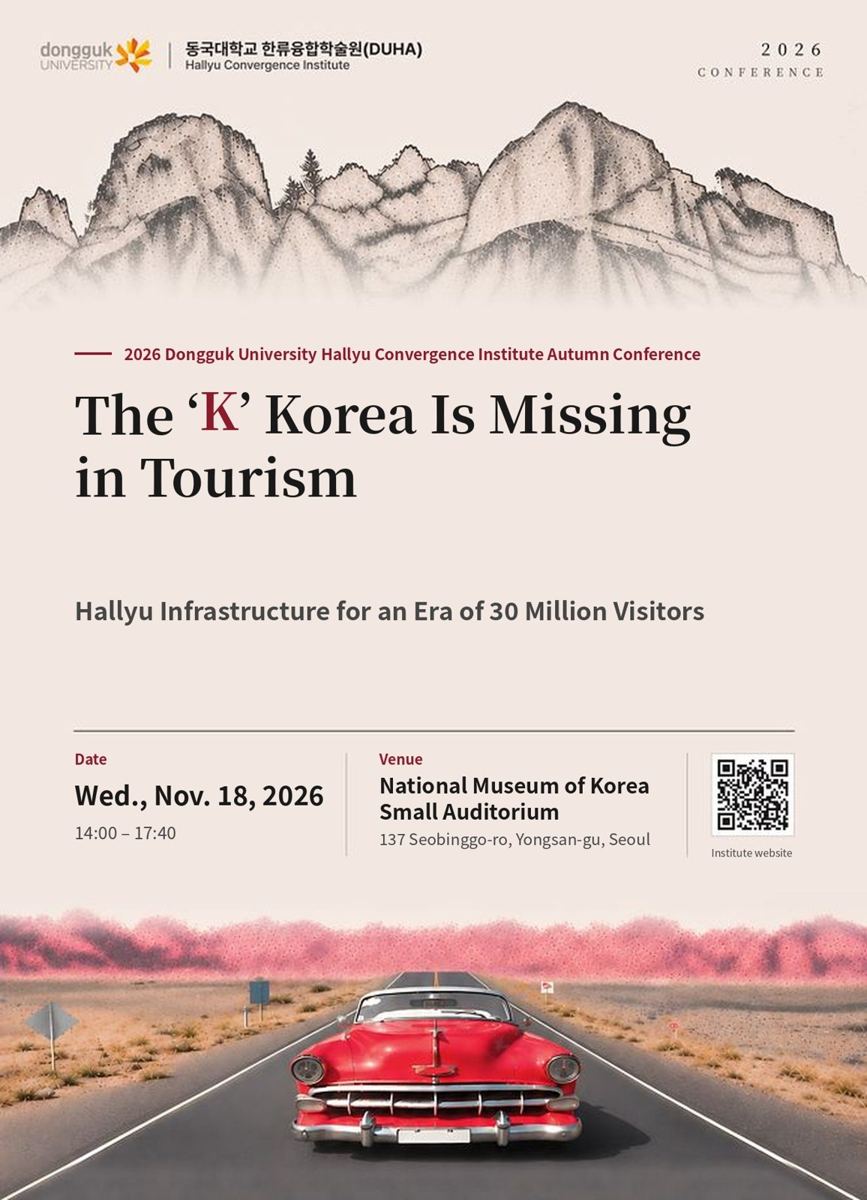
Foreign arrivals in Korea passed 20 million this year for the first time, and the government has moved its 30-million target up a year to 2029. At the autumn conference of Dongguk University’s (동국대학교) Hallyu Convergence Institute (한류융합학술원), held Nov. 18 at the National Museum of Korea (국립중앙박물관) in Seoul, the question was not how many come, but how long they stay and whether they return.
“The core task of K-tourism is to turn the global popularity of Hallyu into actual visits, stays, spending and return trips,” said Samseog Ko (고삼석), Distinguished Professor at Dongguk’s College of Advanced Convergence, who moderated the expert session. “To prepare for 30 million visitors, we need to go beyond quantitative growth and focus on the quality of tourism and on revitalizing regional economies,” he added. Ko, a member of the Presidential Council on National AI Strategy (국가인공지능전략위원회) and author of “Next Hallyu” (넥스트 한류), proposed a “co-evolution” ecosystem in which K-content, tourism, technology and local communities create value together and share the gains.
Foreign visitors spent 15.94 trillion won (about $11.9 billion) on tourism from January through September, up 47.7% from a year earlier, according to the Ministry of Culture, Sports and Tourism (문화체육관광부). Arrivals through airports outside the Seoul area rose 37.4% to 3.24 million. Speakers named the conditions for turning that momentum into local revenue and repeat visits: everyday-life content, screen tourism, a structure for longer stays and spending, and better lodging and digital infrastructure.
Alleys, daily life and ‘KPop Demon Hunters’ settings: turning visitors into a “relationship population”
Chae Ji-young (채지영), senior research fellow at the Korea Culture & Tourism Institute (KCTI, 한국문화관광연구원), urged planners to look for tourism experiences in daily life rather than new facilities. Ordinary food, routines, alleys and neighborhoods feel special to foreigners, she said, so everyday culture found only outside Seoul should be developed as content.
Choi Won-jae (최원재), a researcher at the institute, traced the same pattern in “set-jetting,” travel to filming locations. Seoul’s Namsan and Bukchon Hanok Village drew attention through “KPop Demon Hunters.” Visitors who come because of a show want to live like locals, Choi said, and can become a “relationship population” with lasting ties to a place.
A four-day week and a ‘tourism renaissance’: turning stays into local revenue
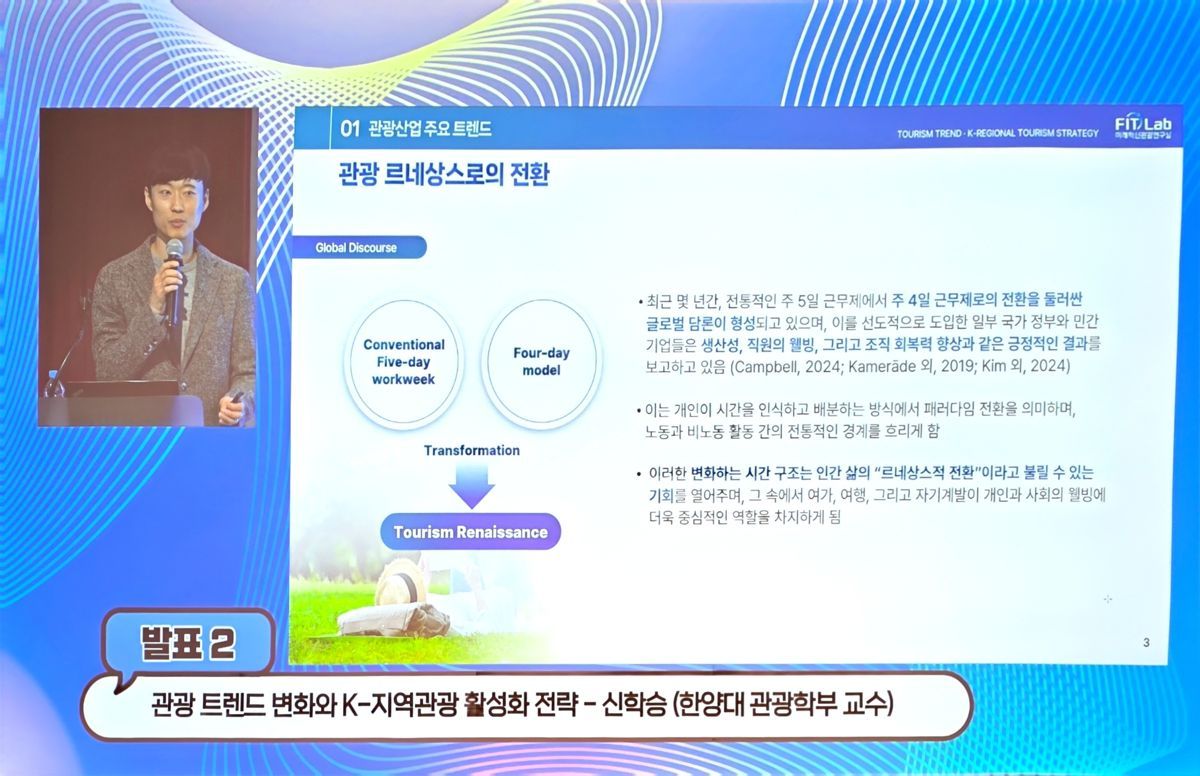
Shin Hak-seung (신학승), professor of tourism at Hanyang University (한양대학교), framed the challenge in terms of local economies. He described the global debate over a four-day workweek, which blurs the line between work and leisure, as a shift toward a “tourism renaissance” in which leisure, travel and self-development take a more central place in personal and social well-being. More arrivals leave little behind unless time and spending per visitor rise. Regions need a structure that turns that spending into revenue and value added for local businesses, he said, and should judge results with qualitative measures such as a “tourism living population.”
Ko Jae-yeol (고재열), chief travel director at Travelers Lab (트래블러스랩), described what stands in the way on the ground. “When the opportunity of Hallyu tourism arrives, we need to look for the warning signs,” he said. He cited lodging and digital infrastructure that have not kept pace with demand, and look-alike development projects across local governments. His call to find new experiences in hidden local assets and everyday Korean life echoed Chae’s.
Experience, regions and co-evolution: a call for joint governance
Ko tied the four talks together around experience, regional tourism and co-evolution. K-tourism starts with K-culture but is completed by the visitor’s experience, he said, and the 30-million era will turn on regional tourism and on longer stays, more spending and repeat visits. “If Hallyu is the force that brings the world to Korea, K-tourism should be the force that makes them discover new value across the country and come back,” he said, calling for a cooperative framework of central and local government, culture and tourism businesses, and residents. “Our goal should go beyond 30 million visitors to building a Korea that the world wants to visit again,” he added.
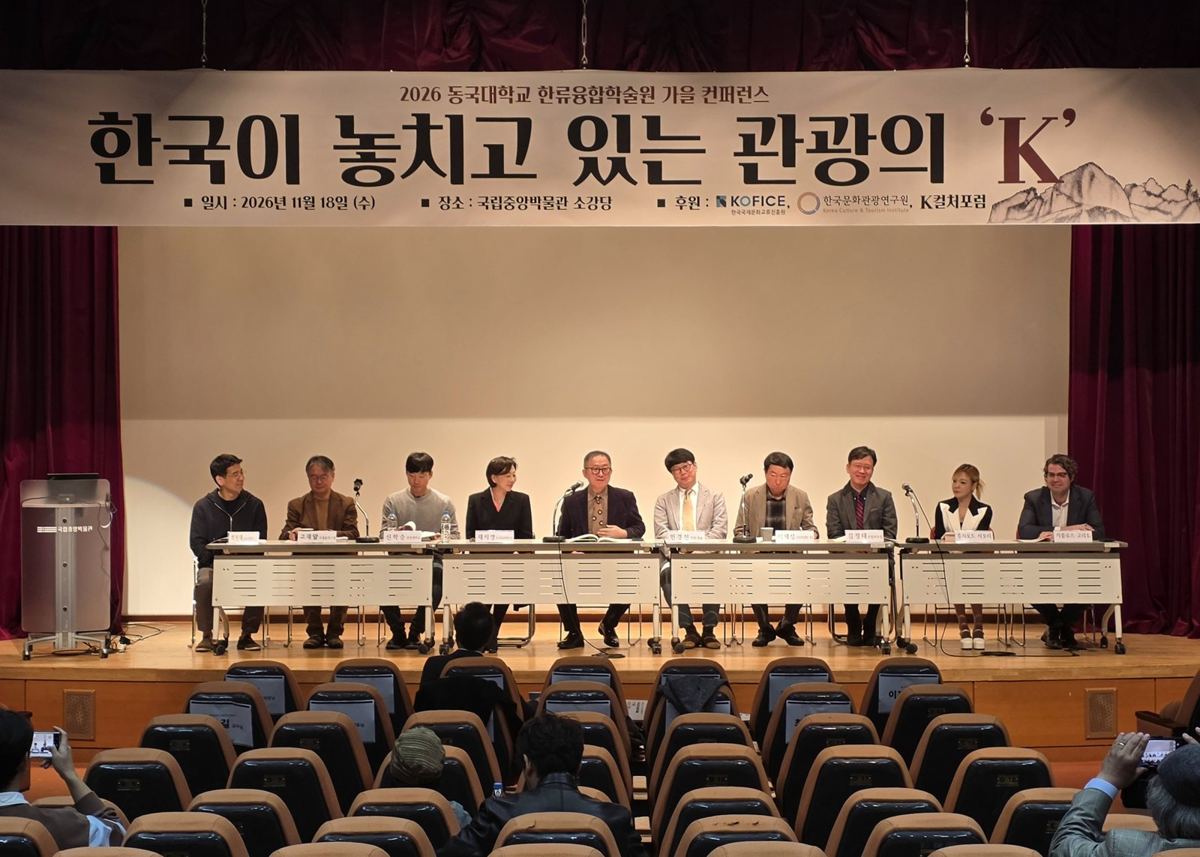
After the presentations, speakers and panelists took the stage together for an open discussion. Researchers, travel planners and foreign panelists traded views on what the “K” in Korean tourism should be.
Joint research, events and tourism data: an agreement with KCTI
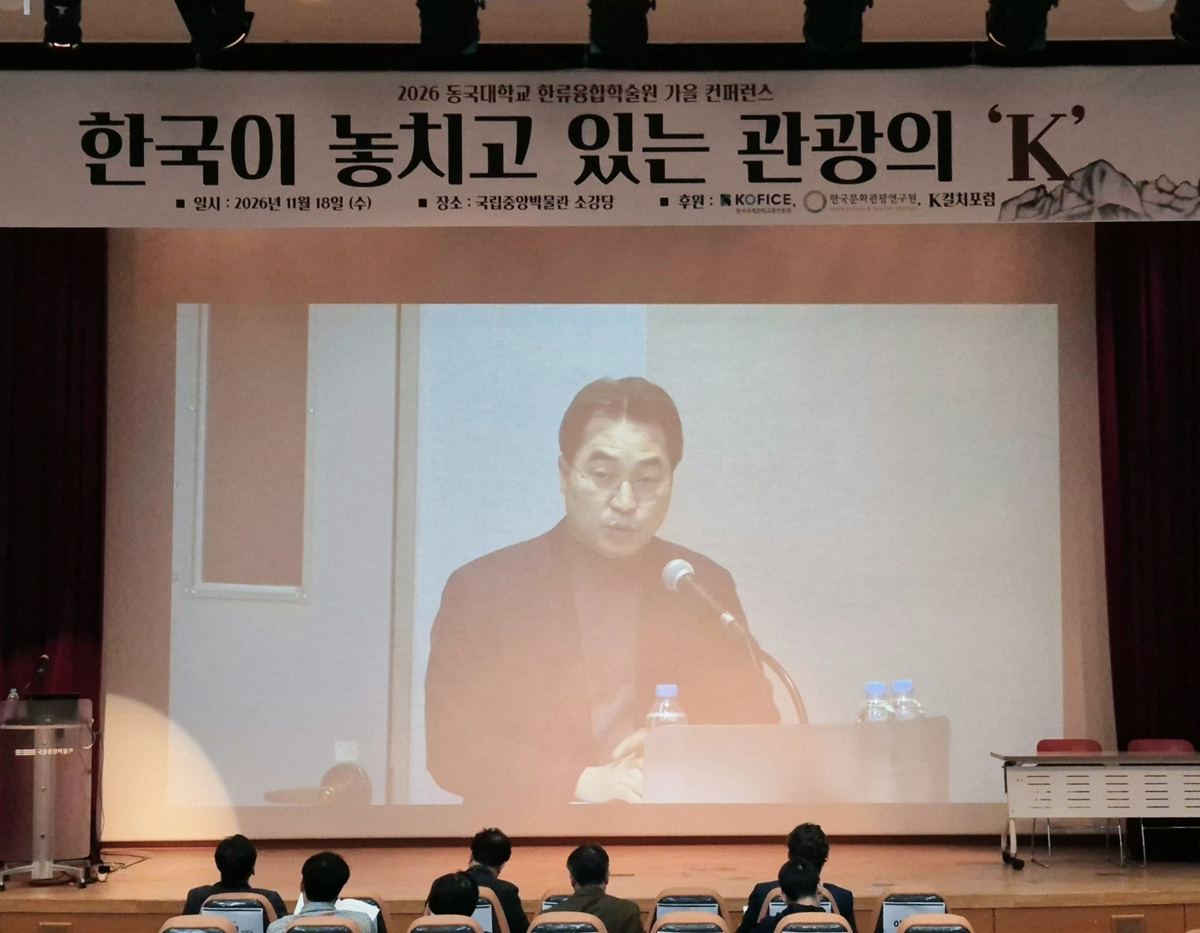
The conference was organized to examine transport, lodging, public safety and heritage capacity for 30 million visitors, and to look for ways to bring K-content, fandom and digital technology into tourism policy. “For the inbound tourism boom led by K-content to become a lasting national asset rather than a short-lived hit, we need to dramatically strengthen tourism infrastructure and the institutional base,” institute director Chung Kil-hwa (정길화) said ahead of the event.
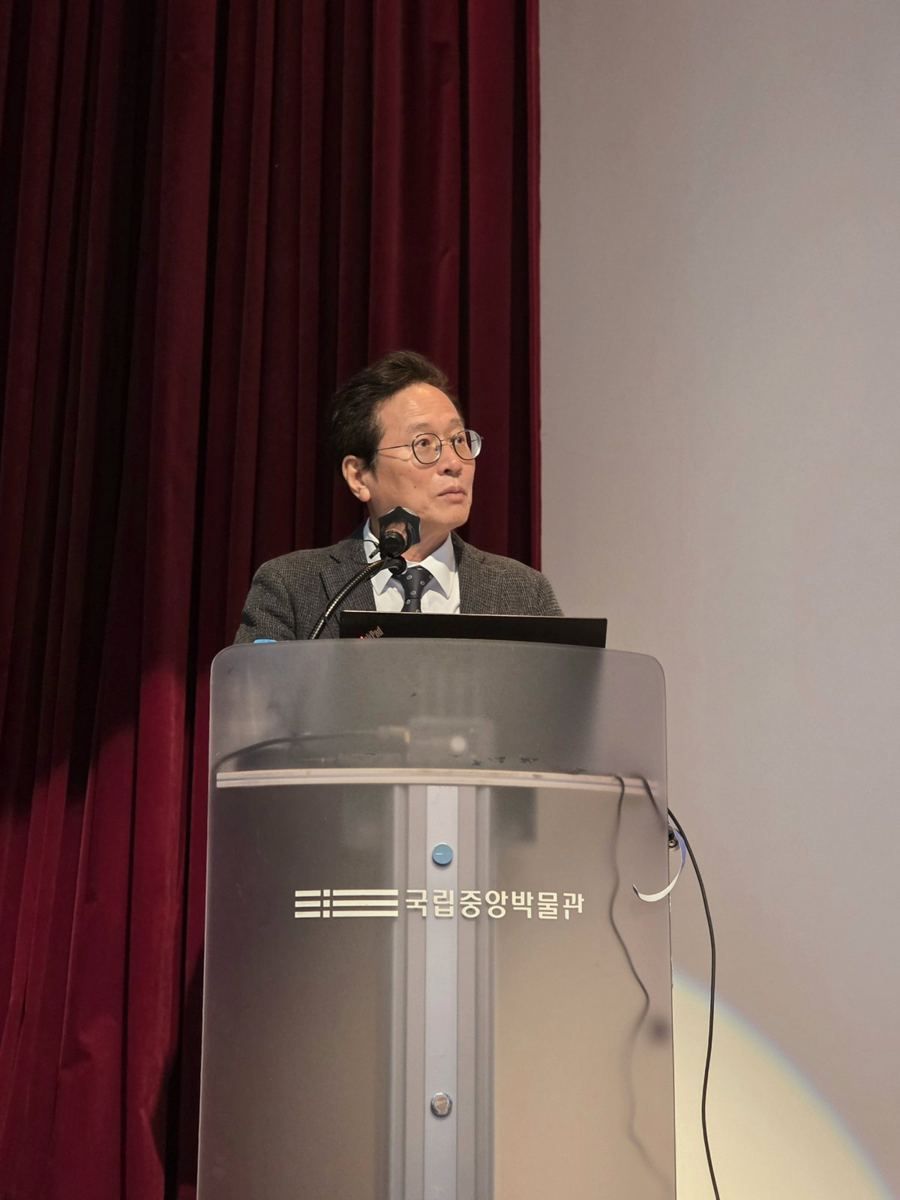
Jung Yun-gil (정윤길), a center director at the institute, hosted the program. After Chung’s opening remarks, Dongguk President Yun Jae-woong (윤재웅) and KCTI President Hwang Kyo-ik (황교익) gave congratulatory speeches.
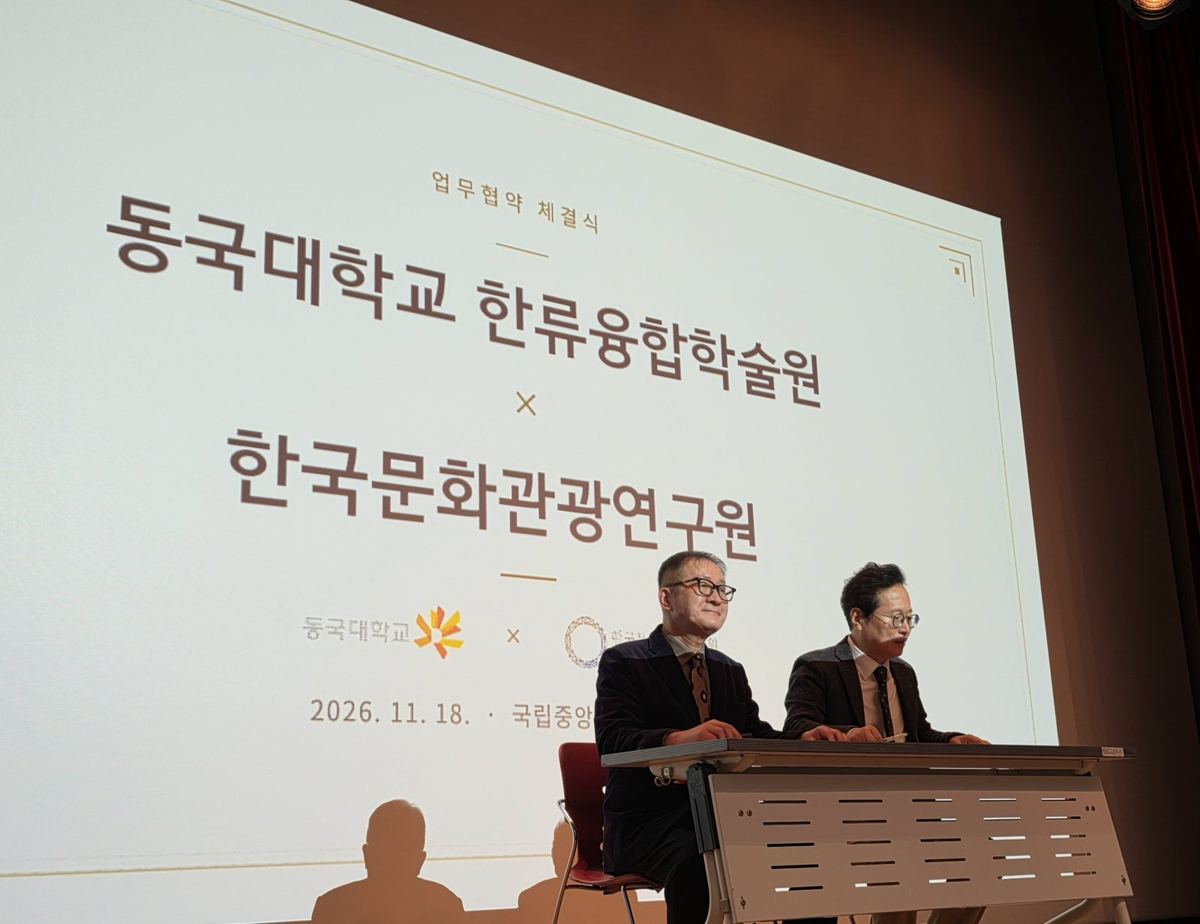
Before the conference, KCTI and the institute signed an agreement to expand research cooperation in culture, tourism and content. The two will pursue joint policy research linking Hallyu content and tourism, co-host forums, seminars and workshops, share research reports, publications and tourism survey statistics, and widen personnel exchanges, including advisory and review roles on research projects.
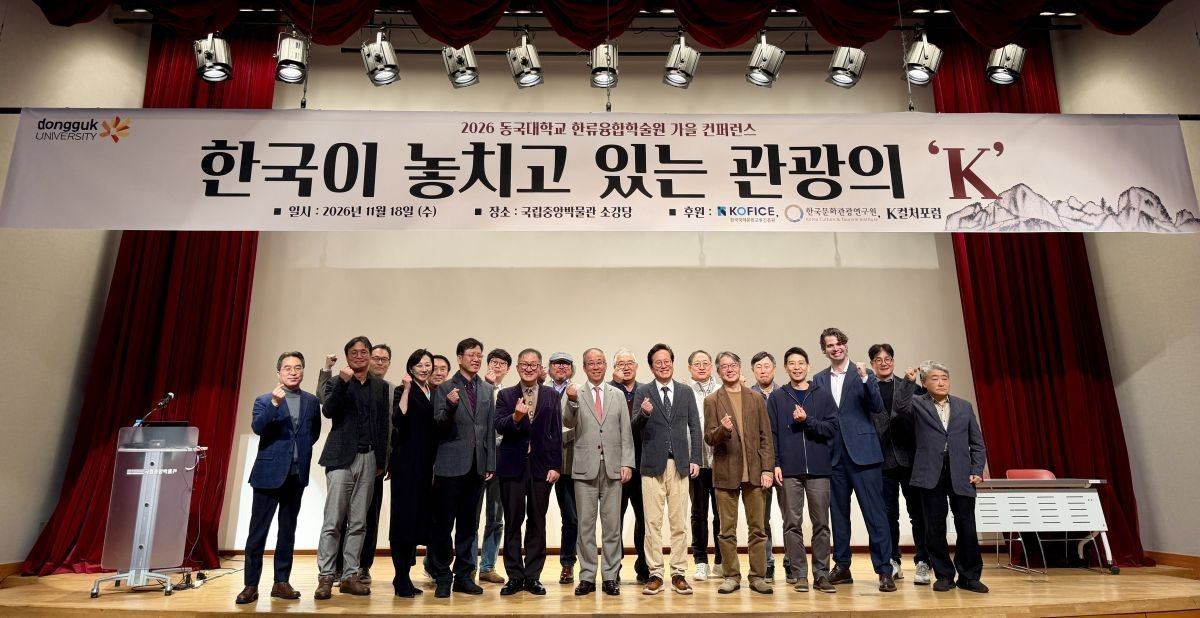
“Connecting Hallyu content to well-designed tourism policy and infrastructure matters more than anything,” Hwang said. “By actively sharing our research resources and field insight, we will produce K-tourism policy research that people and the industry can actually feel.” The agreement gives the everyday-content, screen-tourism and long-stay agendas raised that day a route into joint research. The event was sponsored by KCTI, the Korea Foundation for International Cultural Exchange (KOFICE, 한국국제문화교류진흥원) and the K-Culture Forum (K컬처포럼).