
DramaWave's 27-member writing staff organizes with the WGA… first contract talks to cover pay, job security, credits and limits on AI
The 27 full-time writers at vertical-series app DramaWave have won union recognition with the Writers Guild of America (WGA) — the first full-time writing staff at a microdrama company to do so. They plan to bargain over pay, job security, credits and AI use. As microdrama viewing soars, the terms for writers churning out one-minute episodes have become an industry issue, and Korean short-drama companies producing in the U.S. now have WGA rules to factor in.
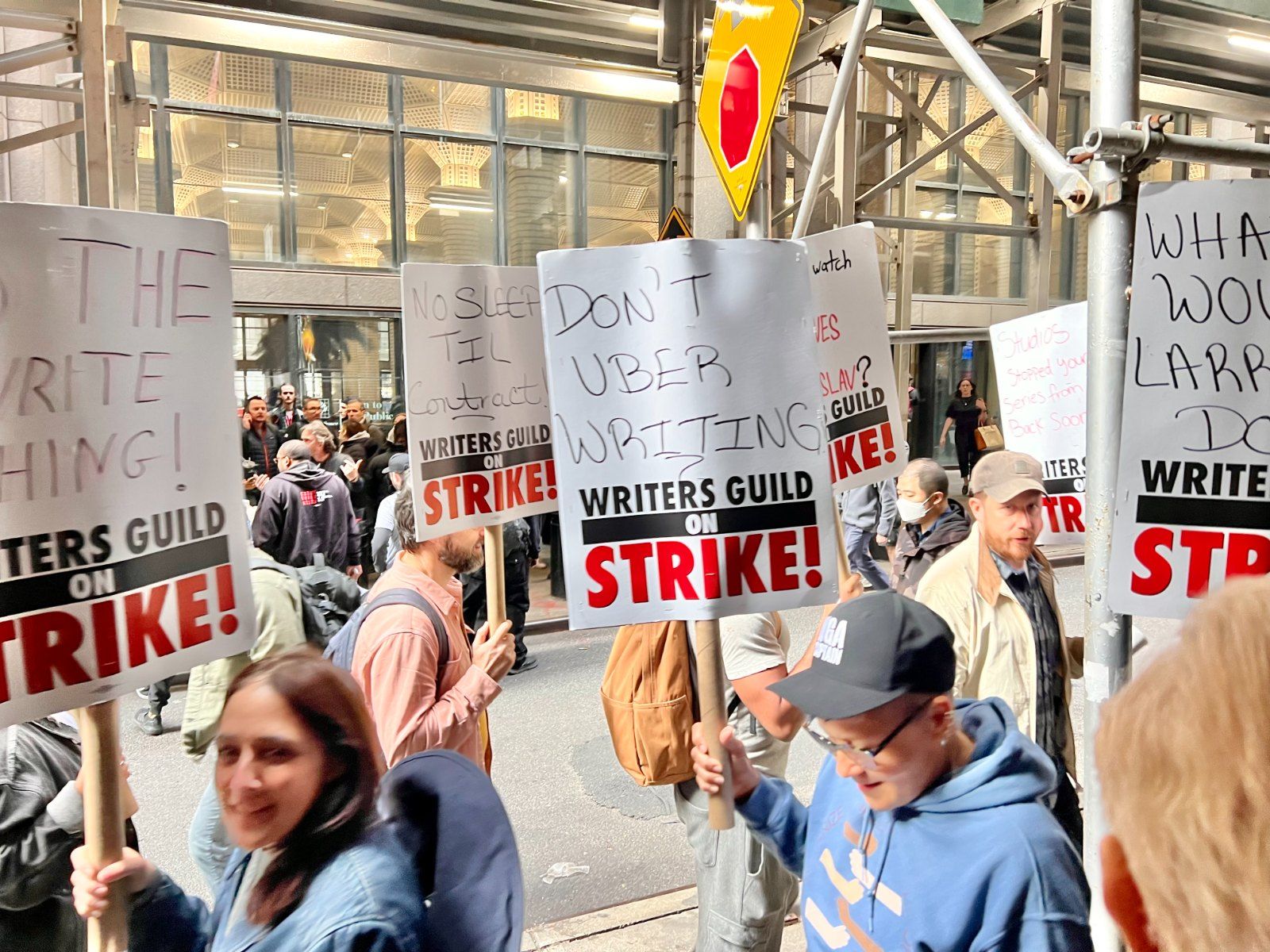
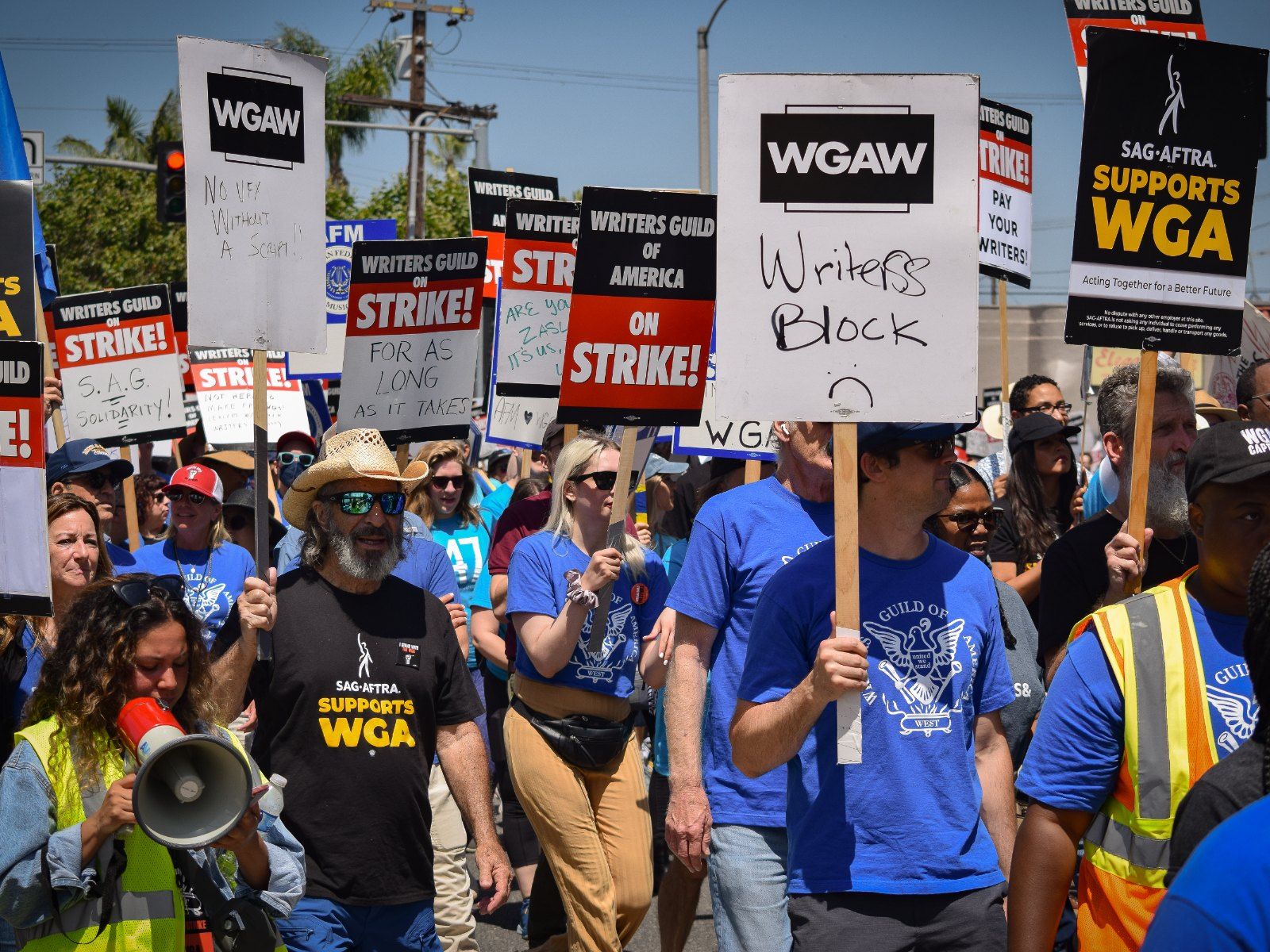
The writing staff of DramaWave, one of the fastest-growing vertical-series apps, has organized with the Writers Guild of America. The company has recognized the guild as the writers' bargaining representative, making them the first full-time writing staff at a microdrama company to win union recognition, Variety reported on Nov. 16.
The 27 writers intend to negotiate compensation and benefits, job security, a fair crediting system and limits on the use of AI in writing. No bargaining date has been set.
DramaWave was launched internationally in September 2024 by Skywork AI, a unit of China's Kunlun Tech. By the end of April 2025 it had reached 53 million cumulative downloads and $47 million (about ₩63 billion) in in-app revenue worldwide, according to Sensor Tower, after early pushes into Southeast Asia and Latin America. Variety ranks it among the top five microdrama apps; its catalog runs on titles such as "The Hidden Billionaire Reclaims All" and "Don't Bet Against the Hidden Queen."
The category is expanding fast. Short-drama app downloads hit 1.45 billion in the first half of 2026, up 95.5% from a year earlier — nearly six times the 16.6% growth of non-gaming apps overall, according to a Mintegral report. That volume rests on writers' rooms turning out dozens of short episodes per series, which is what put workload and contract terms on the table.
Organizing began in July… recognition demanded Oct. 28
The writers began organizing in July and formed an organizing committee in August. A majority had signed union authorization cards by October, and on Oct. 28 they delivered a letter demanding that DramaWave recognize the WGA as their bargaining representative. The company recognized the union quickly.
Peter Forbes, a senior writer on the organizing committee, said the staff organized to gain a voice on the job and the protections a union contract provides, credited the company for its swift recognition and said the writers look forward to negotiating a fair contract.
WGA: microdrama jobs "should be union jobs"
Michele Mulroney, president of the Writers Guild of America West, credited DramaWave's writers for the app's rise and said that as microdramas grow, it is critical that these writing jobs "be union jobs."
The guild has been moving into the vertical space since last year, when it told members that writing work on verticals and microdramas can be covered under a guild contract; its Minimum Basic Agreement already includes terms for shortform and low-budget programming. The guild also ordered non-signatory producer EverBrite Studios to stop recruiting WGA members on LinkedIn, and the company agreed, The Hollywood Reporter reported. Guild members may not write for companies that have not signed a WGA contract.
AI on the table at an AI company's app
Limits on AI are among the central issues. DramaWave's parent, Kunlun Tech, develops the Skywork family of large language models. Because microdramas demand dozens of one- to two-minute episodes on tight schedules, generative AI is increasingly used for script drafts, translation and dubbing. The writers want the boundaries of AI use in their work written into the contract.
Hollywood writers won provisions in their 2023 contract, after a 148-day strike, under which AI-generated material cannot count as source or literary material. The DramaWave talks will test how much of that standard carries over to a short-form platform.
Korea's short-drama users tripled in a year… writer terms set company by company
Monthly active users of Korea's major short-drama apps rose from 900,000 in August 2025 to 2.98 million in August 2026, according to WiseApp·Retail (와이즈앱·리테일). The Korea Times (코리아타임스) put the domestic market at about ₩650 billion ($485 million) last year. Local apps TopReels (탑릴스), Vigloo (비글루) and ShortCha (숏차) compete with ReelShort, DramaBox and DramaWave, and film director Lee Joon-ik (이준익), JYP Entertainment (JYP엔터테인먼트) and Lezhin Entertainment (레진엔터테인먼트) have entered production.
The format — 50 to 80 episodes of one to three minutes each — means a single writer must deliver a large number of episodes in a short time. Working conditions remain contested across Korean production: a survey of 237 drama crew members released Oct. 24 by the Hanbit Media Labor Rights Center (한빛미디어노동인권센터) found an average workweek of 54 hours and 23 minutes, as reported by The Korea Herald. In April 2025, Korea's webtoon writers' union filed an unfair labor practice complaint after Kakao Entertainment (카카오엔터테인먼트) refused its request for collective bargaining.
For Korean companies hiring U.S. writers, WGA rules become a contract variable. Many American TV and film writers are guild members, and members cannot work for non-signatories. Korean short-drama companies expanding U.S. production will need to budget for signatory status and for credit and AI terms. At home, how per-episode fees, credits and AI use are written into contracts is a question producers and writers have yet to settle.
Outlook: the first contract could set the baseline
eMarketer forecasts that U.S. microdrama viewers will more than double from 5 million in 2026 to 10.8 million in 2028. As audiences and output grow, writers at other microdrama companies may push to organize, and the pay, credit and AI terms in the first DramaWave–WGA contract are likely to become a reference point for those talks.
Vertical drama grew on low cost and high volume. With a writers' union at the table, labor standards and AI rules now enter the production budget — something Korean companies competing in the U.S., Southeast Asia and Latin America will need to account for in their plans.