Waving Entertainment Tech Summit at UNLV Immersive Learning Initiatives opens Jan. 7 at UNLV Immersive Learning Initiatives with hands-on VR, talks from Adobe and other big tech and entertainment companies, and Korean company pitches; free with advance registration
The Waving Entertainment Tech Summit at UNLV Immersive Learning Initiatives opens at 5 p.m. Jan. 7, during CES 2027. Guests try mall VR turned courseware, then hear Adobe, other tech and entertainment firms and Korean pitches. Dreamscape Learn, born in Hollywood, seeks K-content IP partners.
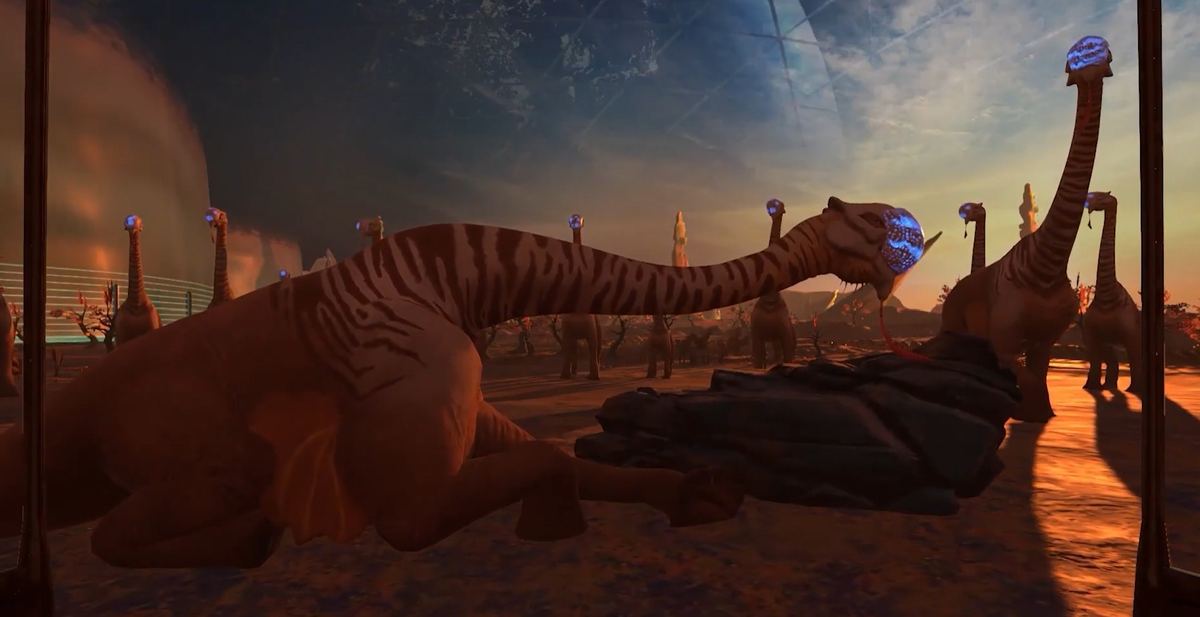
A 12-minute VR adventure that a Hollywood producer set up in a shopping mall became biology courseware at American universities. The story belongs to "Alien Zoo," created by the producer of "Men in Black." As an entertainment IP that once sold tickets to audiences moved into a classroom and then into licensing, content shifted from something people watch to something they step inside. It is a scene worth studying for a Korean industry that has largely monetized drama, K-pop and webtoon IP through rights sales.
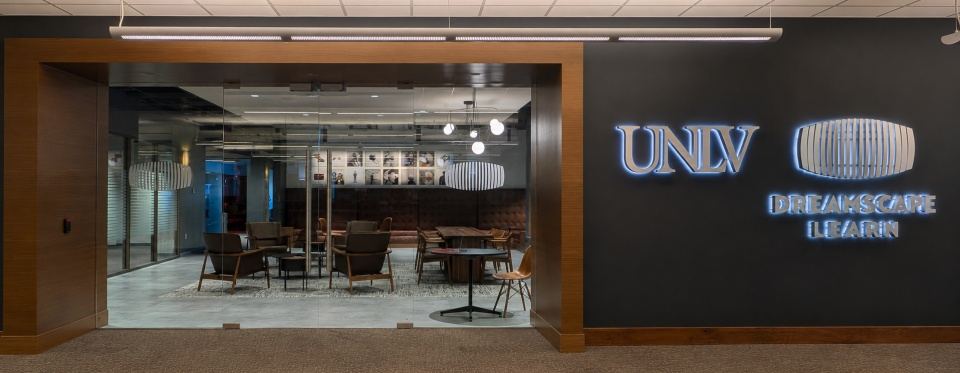
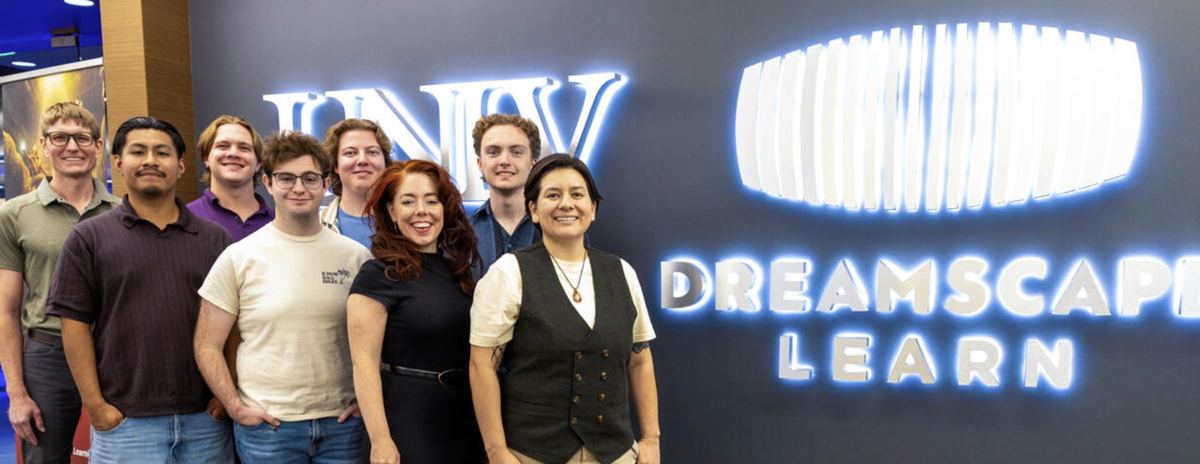
The Waving Entertainment Tech Summit at UNLV Immersive Learning Initiatives takes place where that IP now runs. K-EnterTech Hub (K엔터테크허브) and smartcms (스마트씨엠에스) will hold the summit at 5 p.m. on Jan. 7 at Dreamscape Learn, on the second floor of Lied Library at the University of Nevada, Las Vegas (UNLV). Before taking their seats, guests rotate through the center in three groups and try the VR lessons and immersive experiences first.
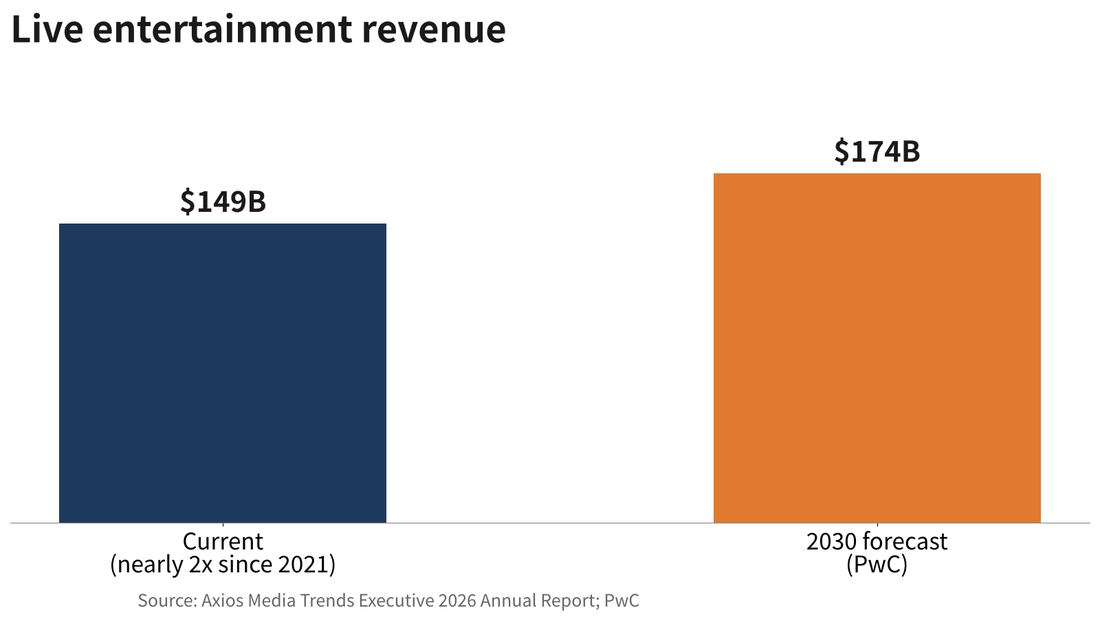
The summit's theme is "from scale to scarcity." The competition is shifting away from making more content and spreading it wider, and toward assets that are hard to replace — IP, fandom and live experience. Axios' Media Trends Executive 2026 Annual Report, presented Oct. 20, makes the same call: live entertainment revenue has nearly doubled since 2021 to $149 billion, and "scarcity wins."
After the VR session come talks from Adobe and other big tech and entertainment companies, followed by pitches from Korean entertainment tech and AI companies. Dreamscape Learn, founded by a film producer, also sees the summit as an opening to work with Korean content companies. It is a room for working out, on site, what experiences Korean IP could be sold as next.
Mall VR turned courseware: the three markets "Alien Zoo" opened
It started in Hollywood. Dreamscape Immersive was co-founded by Walter Parkes, a producer of "Men in Black" and former head of DreamWorks Pictures, and backed by studios including 21st Century Fox, WarnerMedia and Viacom, along with Steven Spielberg. In December 2018 the company opened at the Westfield Century City mall in Los Angeles with three 12-minute experiences, including "Alien Zoo" and "Lavan's Magic Projector: The Lost Pearl." "Someone asked us, 'Is this the peak of entertainment?' No, but it's a future of entertainment," Parkes told Time Out. He said the company's next properties would likely be tied to major franchises, and Nickelodeon looked at producing a Dreamscape experience based on its properties.
The second market was education. In 2020 Dreamscape teamed up with Arizona State University (ASU) to build the Dreamscape Learn platform, and ASU says its experiences are built on "Alien Zoo". The storytelling and production methods that once held mall audiences became courseware as they were. The third market is licensing. The platform is now in universities including UNLV. That raises a question for Korean IP holders: after the rights are sold, what is left to sell from that world?
A classroom you walk into like a film: a 16-seat VR space that delivers wind and vibration
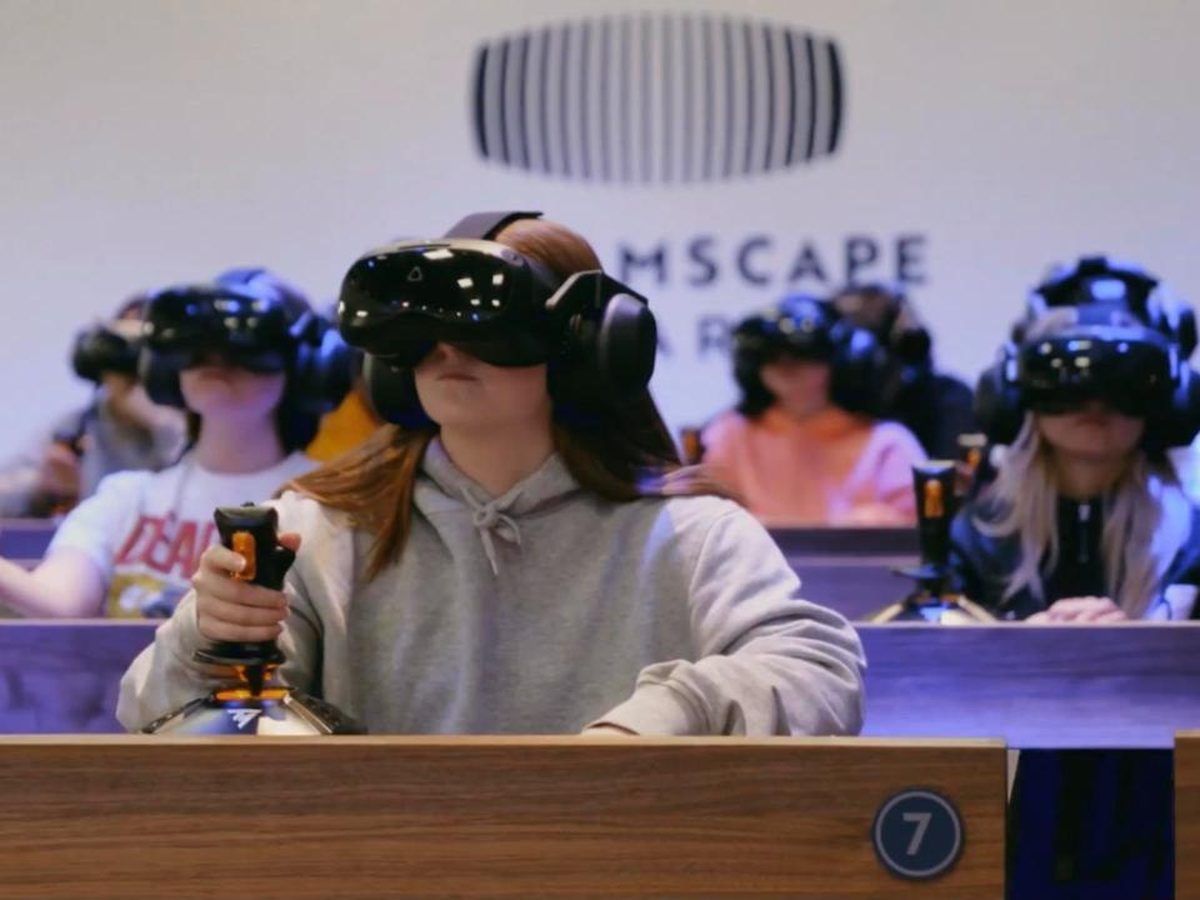
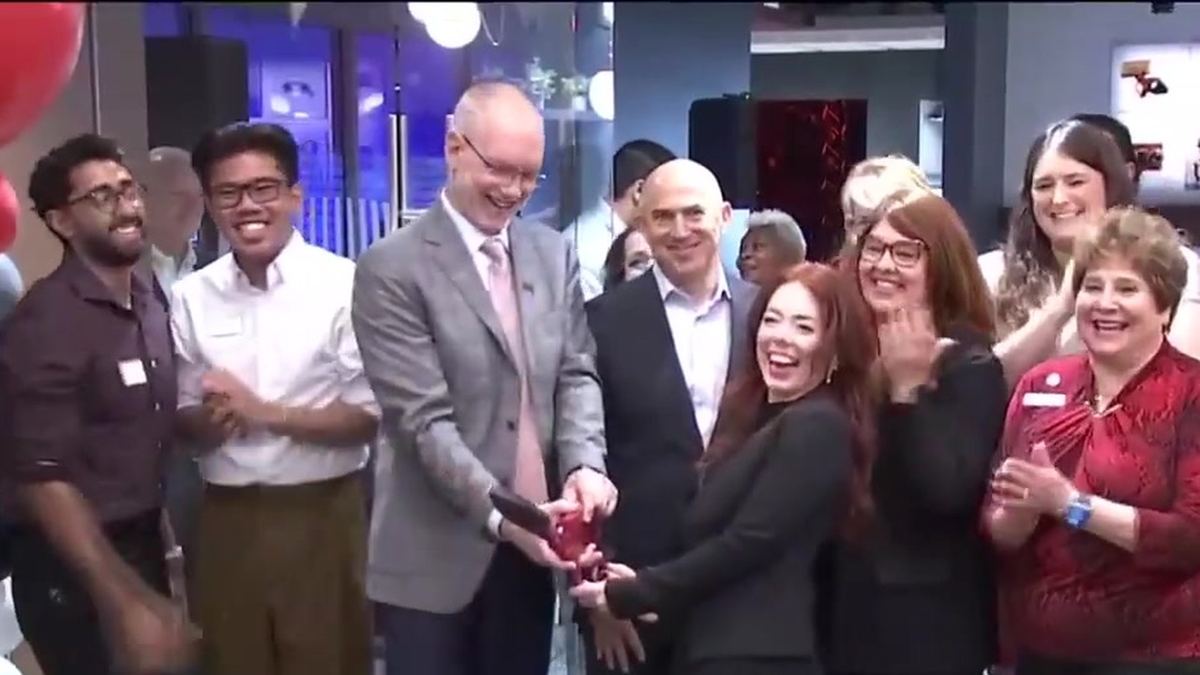
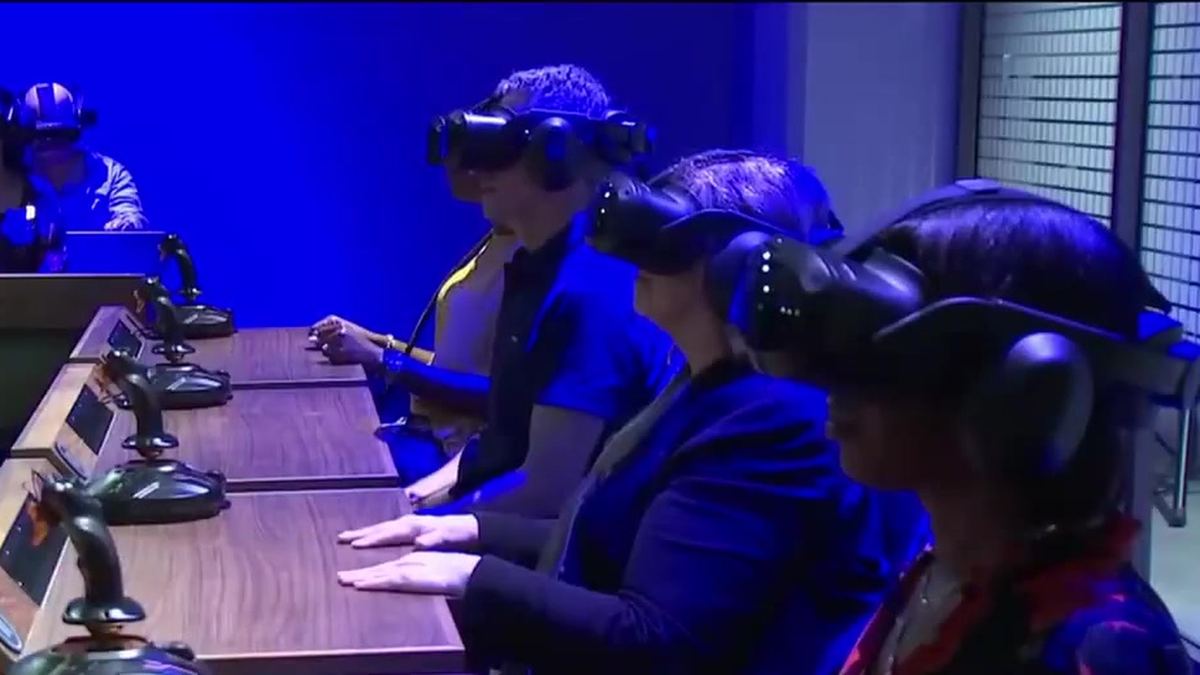
UNLV opened its five-room Dreamscape Learn center on Sept. 22, 2025, in roughly 4,000 square feet on the second floor of Lied Library. Its core is a 16-seat "immersive classroom" with an HTC Vive headset at every desk; haptics built into the desks and chairs simulate motion and wind.
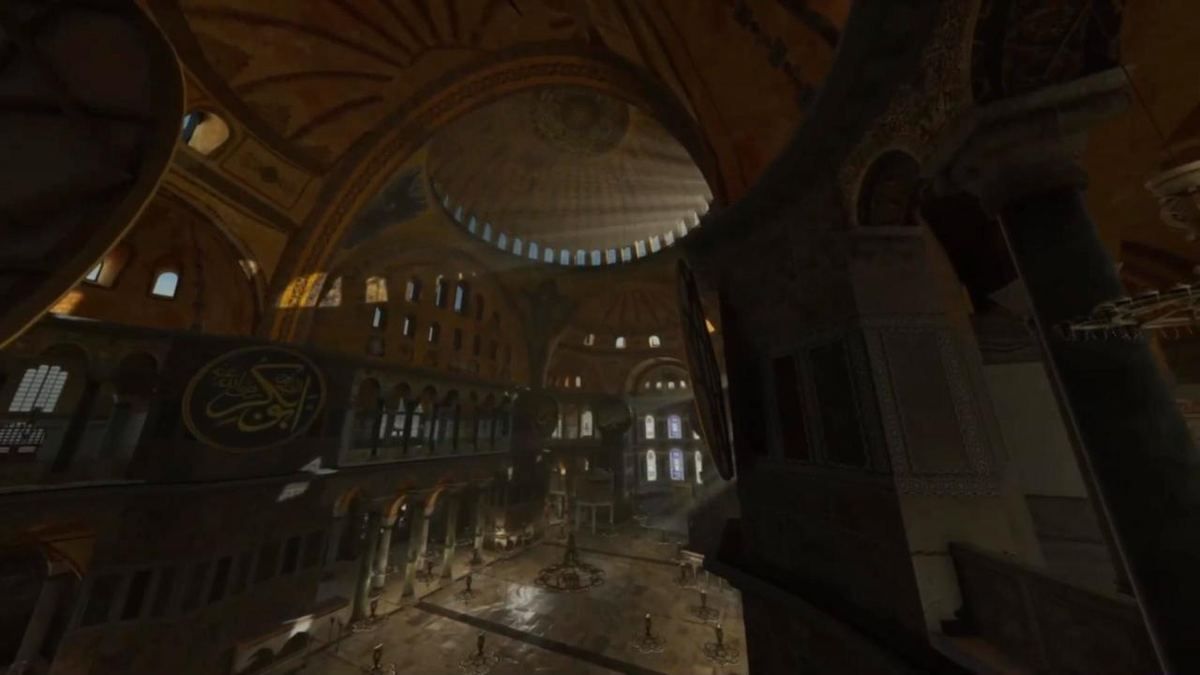
The classroom content also starts from the world of "Alien Zoo." At its center is Alien Zoo Biology, an 18-module life-science course set in an alien wildlife sanctuary; there is also a virtual field trip to 12 locations, from the Colorado River to the Oval Office and the moon, and an art-history visit to Istanbul's Hagia Sophia.
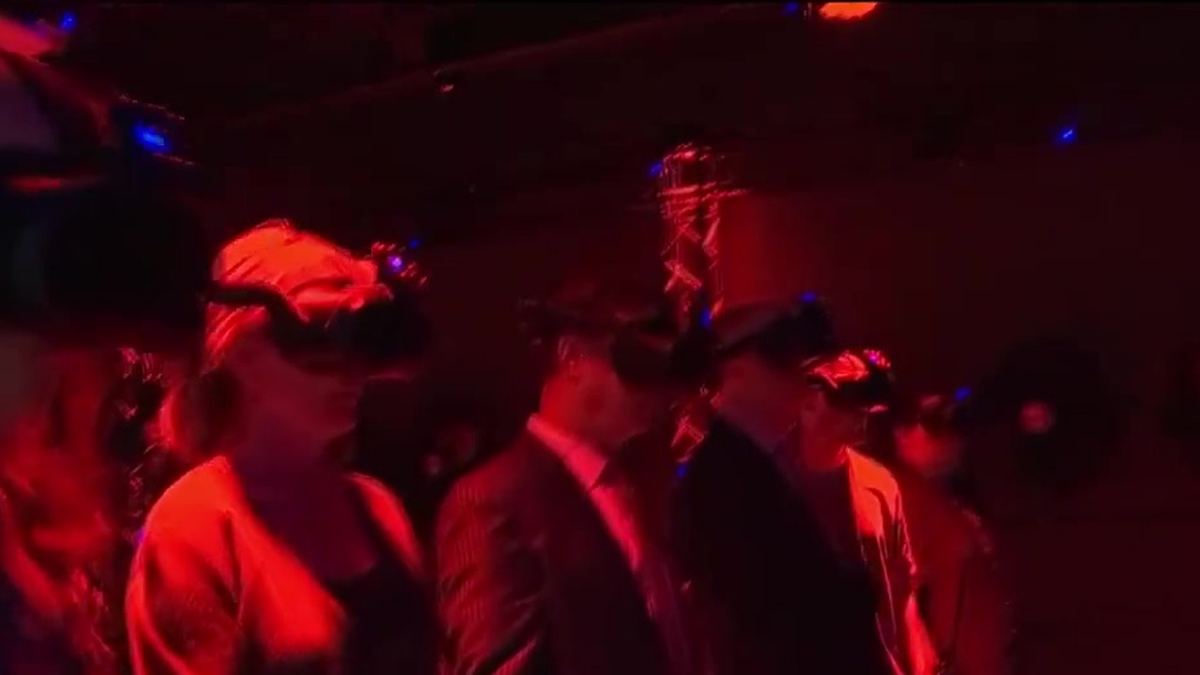
Next door, the free-roam pod carries over, unchanged, the entertainment format of the mall locations. Small groups wear headsets plus hand and foot trackers and walk through roughly 15-minute adventures, with floor vibration and simulated breezes, powered by nine computers in an adjoining room. The Indiana Jones-style "The Curse of the Lost Pearl" and "Alien Zoo" run there.
The center is run by Aundrea Frahm, UNLV's director of immersive learning, an art professor who previously opened a VR and AR innovation studio at Southern Utah University. "For me, it's about getting them in the headset for the first time; misperceptions change after that," she told UNLV News. It is also why the summit puts the experience before the talks.
Story holds people: what ASU's 4,000-student study shows about immersive IP
The evidence that a story built for entertainment also works in the classroom comes from ASU research. ASU's Action Lab followed more than 4,000 introductory-biology students over four terms, from fall 2022 to spring 2024. As ASU News reported on April 7, 2025, students who took the course after Dreamscape Learn labs were added were more likely to stay in life-sciences majors than those who took it before.
Las Vegas Weekly, citing ASU research, reported that intro-biology students using the technology were nearly twice as likely to earn an A on lab assignments. At UNLV, six faculty members built the center into their courses in fall 2025, and a six-student content team handles coding and 3D asset production.
From watching to making: UNLV students build the center's first in-house app
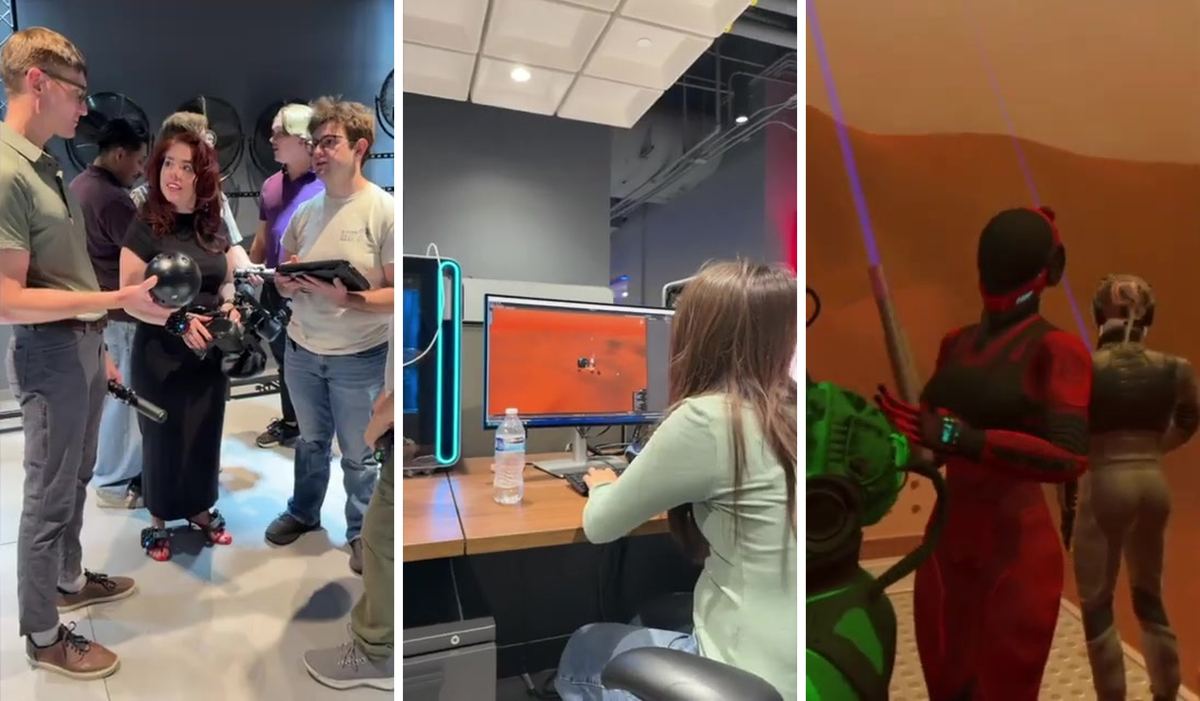
The center has moved beyond consuming content to making it. UNLV News reported Sept. 30 that seven students majoring in fields from biochemistry and computer science to art and entertainment engineering built R.2X Cosmic Expedition, a Mars-bound astronomy experience and the first Dreamscape Learn application developed by a multidisciplinary student team. It runs in the free-roam pod.
"I wanted our students to know that other students who hadn't really learned how to create a VR app built this themselves," said Frahm, who served as game director. ASU's Lisa Flesher has pointed to the ability of partner-university engineers to create VR experiences that other partners can share as an advantage of the platform. Content and production talent grow together inside it.
Born in Hollywood entertainment, Dreamscape Learn seeks K-content IP partners
Dreamscape Learn hopes the summit leads to collaboration with Korean content companies. The platform is available for licensing at institutions beyond ASU and has grown by letting partners share the VR experiences they build. UNLV's center, where students just shipped their first in-house app, doubles as a production base that outside content can plug into.
Dreamscape Learn's roots are in entertainment, not education. "Alien Zoo" and "The Lost Pearl" were ticketed attractions that a film producer built for mall audiences, and Dreamscape Learn carried that storytelling and production method into the classroom. Both still run in UNLV's free-roam pod. When Parkes opened the first location in 2018 he said the next titles would be tied to major franchises, and Nickelodeon looked at building Dreamscape experiences from its own IP. The format, in which a small group walks through one story world for about 15 minutes, suits K-drama and webtoon IP with strong characters and worlds and K-pop IP with large fandoms. Dreamscape has also shown with "Alien Zoo" that the same content can be sold as an education version and a fan-experience version.
Natural starting points are co-productions that turn K-drama, K-pop and webtoon IP into Hollywood-style story VR, and programs that bring Korean student and corporate groups to Las Vegas to learn immersive content. The key is designing what fans want to do inside that world. Guests experience the storytelling and hardware in VR first, then can discuss collaboration directly with center staff at the evening networking session.
Big tech and entertainment talks; Korean entertainment tech and AI pitches at 7:30
The evening program covers how content gets made and how it reaches audiences. Guests move to the Goldfield Room at 6:30 p.m. for a buffet dinner, followed at 6:40 by opening remarks from K-EnterTech Hub and smartcms and a welcome from invited guests.
From 6:50, speakers from Adobe and other big tech and entertainment companies talk about making and distributing content in the AI era, and K-EnterTech Hub lays out the entertainment tech trends and key issues for 2027 and provides a CES 2027 summary. Korean entertainment tech and AI companies pitch from 7:30, and after the 7:55 close the evening moves to the K-Culture Zone and networking.
| Time | Program |
|---|---|
| 5:00 p.m. | Dreamscape Learn VR experience (three rotating groups) |
| 6:30 p.m. | Move to Goldfield Room; buffet dinner |
| 6:40 p.m. | Opening remarks (K-EnterTech Hub, smartcms); welcome |
| 6:50 p.m. | Talks from big tech and entertainment companies (Adobe and others) |
| 7:20 p.m. | 2027 entertainment tech trends and key issues; CES 2027 summary — K-EnterTech Hub |
| 7:30 p.m. | Pitches from Korean entertainment tech and AI companies |
| 7:55 p.m. | Close; K-Culture Zone and networking |
Organizers are also inviting representatives of the Nevada Governor's Office of Economic Development (GOED) and Film Nevada. Presenting companies and sponsors are being recruited through Dec. 15. Proceedings will be published as a YouTube "Tech Report" video and as articles in four languages.
K-pop got there first: VR concerts sell performance IP to cinemas again
In Korea, K-pop was the first to turn immersive experience into a business. VR concert producer AMAZE (formerly AmazeVR) premiered aespa's VR concert at SXSW in March 2023 and brought it to Megabox cinemas that October, in a production with Studio Realive, a subsidiary of SM Entertainment (SM엔터테인먼트).
Titles multiplied quickly. TOMORROW X TOGETHER (TXT) became the first K-pop act with three VR concerts with "Endless Ride," which Singapore's Golden Village screened from Aug. 14 to Sept. 3, 2026. LE SSERAFIM launched its first, "INVITATION," on April 15, 2026. AMAZE plans at least six VR concerts in 2026 and more distribution countries and cities, Korean broadcaster MTN (머니투데이방송) reported Jan. 9.
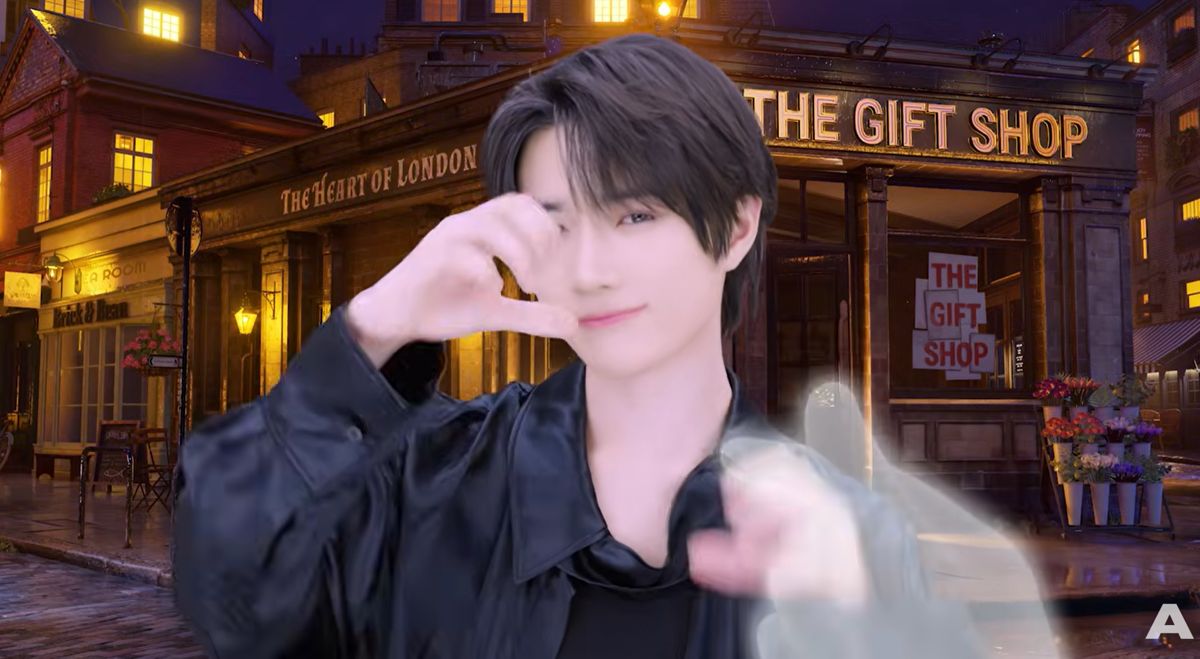
Dreamscape, built by a film producer, and K-pop VR concerts share the same business skeleton: a story built once, loaded onto dedicated spaces and hardware, and experienced again and again in many places. After ASU and UNLV, California colleges are lining up to adopt the platform, ASU News reported March 3, 2025. Whether the path K-pop opened can extend to drama and webtoon IP is the question to watch at the summit.
Why scarcity now: live revenue hits $149 billion, and fans pay more
Scarcity is the summit's theme because the way media grows has changed. Axios' report puts live at the center of media growth. PwC expects live entertainment revenue, now $149 billion, to reach $174 billion by 2030. "Scarcity wins," the report says: live experiences command pricing power and offer an AI-resistant growth bet.
Fans keep paying more. U.S. admission prices are up 41% since 2016 and top-tour tickets hit $127, yet attendance roughly doubled. Live podcast ticket sales are up 1,442% since 2019. The filmed Broadway musical "Hadestown" opened to $10.2 million across 1,949 North American theaters, topping "Hamilton" for a live theater capture — the same move from stage to cinema that K-pop VR concerts are making.
Disney earns 38% from experiences: streaming's next growth is off-screen and vertical
Axios describes streaming as entering a third phase, in which growth comes from using streaming to lift ads, commerce and experiences. Disney now earns 38% of revenue from its Experiences segment, including theme parks and cruises. As fandom becomes the new KPI, streaming services are turning into franchise hubs.
On screen, formats are getting shorter and taller. Disney and Netflix added vertical video feeds to drive discovery. TelevisaUnivision's ViX MicrOs topped 1 billion views, with viewership up 48% quarter over quarter, and Peacock and Fox are investing in mobile-first scripted series and microdramas.
The report's broader line is that "taste + trust is the new moat." AI slop sites grew fivefold year over year, and the line between AI-assisted and AI-made content is blurring.
"The Wizard of Oz" sells again: $400 million in Sphere tickets as IP becomes a place
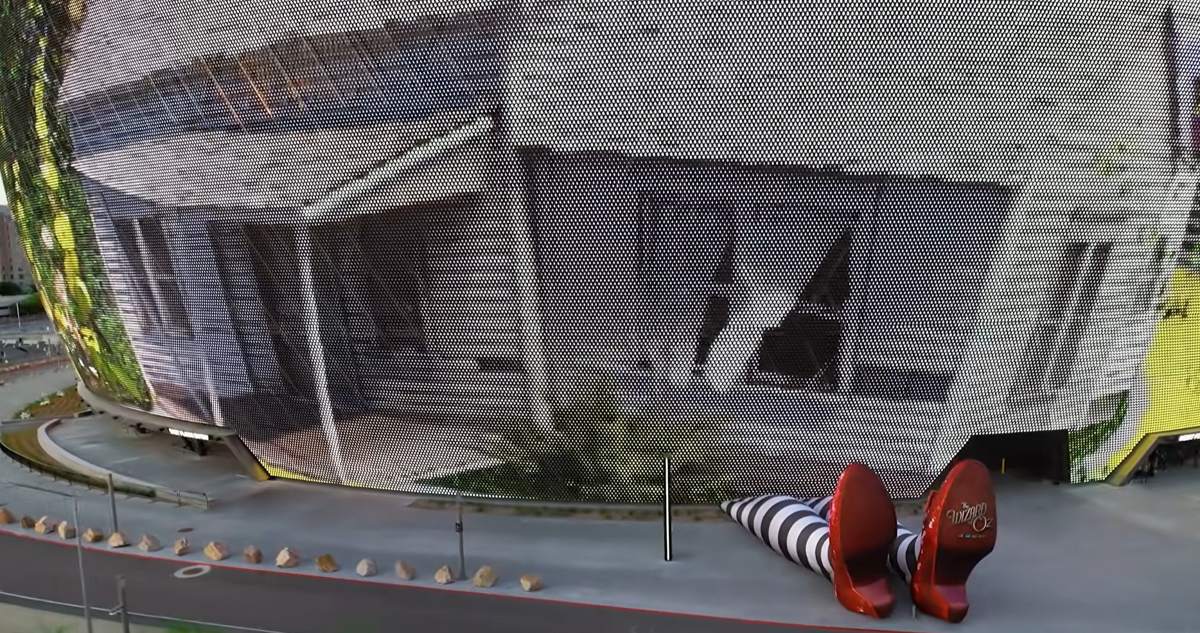
The immersive venues tour participants visit on Jan. 5 point the same way. Sphere Entertainment reported on May 5 that revenue in its Sphere segment rose 69% year over year to $266 million in the first quarter of 2026. "The Wizard of Oz at Sphere," which opened on Aug. 28, 2025, passed $400 million in ticket sales and more than three million tickets by mid-June.
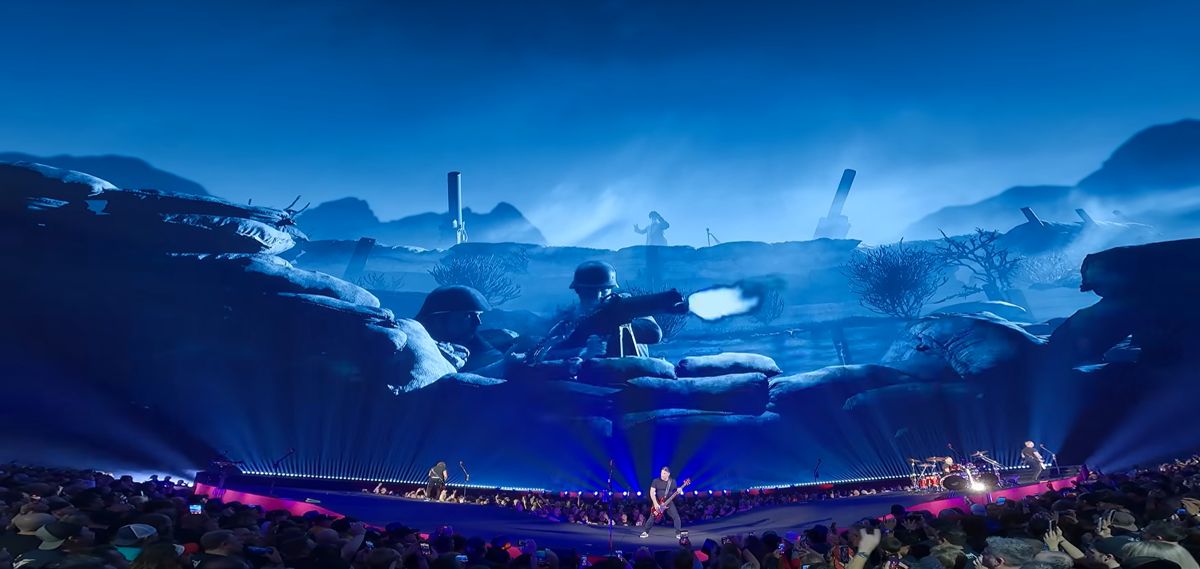
Metallica opened its "Life Burns Faster" residency at Sphere on Oct. 1, 2026, the first heavy metal act to headline the venue. The run, announced at eight shows, grew to 24 on demand, and the dates have sold out. It continues through March 13, 2027.
AREA15, west of the Strip, calls itself the world's first purpose-built immersive entertainment district and says it has welcomed more than 15 million visitors. Universal Destinations & Experiences, the theme park arm of Comcast NBCUniversal, is opening its first year-round horror experience there. Sphere, AREA15 and Dreamscape Learn differ in scale and audience, but all turn films and stories into spaces people walk into.
Beyond rights sales: selling K-content IP three ways — screen, short-form, immersive
"Scale to scarcity" is ultimately a question of how far an IP can travel. Dreamscape stretched "Alien Zoo" from a ticketed mall attraction into courseware and licensing; K-pop agencies rebuild concerts in VR for overseas cinemas. Korean broadcasters and studios holding drama, variety and webtoon IP, by contrast, still mostly sell rights. Immersive products that fans travel to and pay for remain an open market.
At the summit, guests see the same IP sold three ways in one evening: Hollywood-style immersive IP at Dreamscape Learn, AI-era production and new formats from big tech and entertainment speakers, and Korean AI and immersive technology in the pitch session.
Beyond the show floor on one route: reading trends as business models on site
UNLV treats the center as the hub for its extended reality (XR) work and plans platform-agnostic VR classrooms across campus — for hospitality practice in virtual hotel lobbies, interview and presentation rehearsal, anatomy, and engineering with 3D building information models. More than 175 students and faculty had tried the technology by early October 2025, Las Vegas Weekly reported.
K-EnterTech Hub's CES 2027 Next Hallyu Entertainment Tech Tour is built to put the Axios trends in front of participants on the ground. On Jan. 5 the group attends the morning session of Digital Hollywood, held the day before CES opens, then visits the A's Ballpark Experience Center, Allegiant Stadium, AREA15 and Sphere. On Jan. 7 it covers the LVCC show floor, C Space and the Variety Entertainment Summit before the evening summit.
| Axios data point | Where the tour sees it | Date |
|---|---|---|
| Live revenue at $149B; "scarcity wins" | Sphere, Allegiant Stadium | Jan. 5 |
| Disney earns 38% from experiences; ad dollars shift to real-world experiences | AREA15, A's Ballpark Experience Center | Jan. 5 |
| Netflix, Apple and Amazon have won 32 Oscars since 2017 | Digital Hollywood; CES floor and C Space | Jan. 5 & 7 |
| Disney and Netflix vertical feeds; ViX MicrOs tops 1B views | Big tech and entertainment talks (summit) | Jan. 7 |
| "Taste + trust is the new moat"; AI slop sites up 5x | Variety Entertainment Summit | Jan. 7 |
| Experience as a fandom KPI | Dreamscape Learn VR (summit) | Jan. 7 |
K-content's next deal starts with experience
K-content's expansion is not only about supplying the same video to more countries. A VR adventure that sold tickets in a mall became university courseware, K-pop concerts were rebuilt in VR for overseas cinemas, and a 1939 film sold $400 million in tickets at Sphere. An IP's value is now measured in part by how deeply fans enter its world — and how readily they pay.
Not every IP will become an immersive product. Companies first have to work out which part of the original comes alive as an experience, who the customer is, and who builds and runs it. Those calls depend on costs and audience response that can only be judged on site — which is why the summit puts the experience first and the discussion second.
The Waving Entertainment Tech Summit at UNLV Immersive Learning Initiatives gathers the experience and the conversation those decisions need into one evening. Guests feel how content becomes a place in the VR classroom and free-roam pod, hear Adobe and other big tech and entertainment companies on AI-era production and distribution, and look for partners to link IP and technology in the pitches and networking. For companies holding drama, K-pop or webtoon IP in search of new uses, or Korean firms introducing AI and immersive technology to the U.S., it belongs on the CES calendar.
Admission is free with advance registration through Jan. 6 and includes the Dreamscape Learn VR experience. Companies interested in presenting or sponsoring should contact the organizers by Dec. 15. Coverage of the summit and tour will follow in January on K-EnterTech Hub and its YouTube "Tech Report."