When Cooking Became Entertainment: The Future of K-Food Content
by
2026년 2월 13일
By Sarah Song | Columnist, K-EnterTech Hub | January 22, 2026
sarahsong@shampagne.us
Las Vegas in January always smells like the future. CES 2026 — drawing 148,000 attendees and over 4,100 exhibitors — once again lived up to its billing as the compass of the global tech industry. AI, autonomous vehicles, and robotics grabbed the headlines. But walking those floors, I kept being pulled toward a quieter, more persistent current running beneath the spectacle: a full-scale reinvention of how we eat, how we manage our health, and what role technology plays in both.
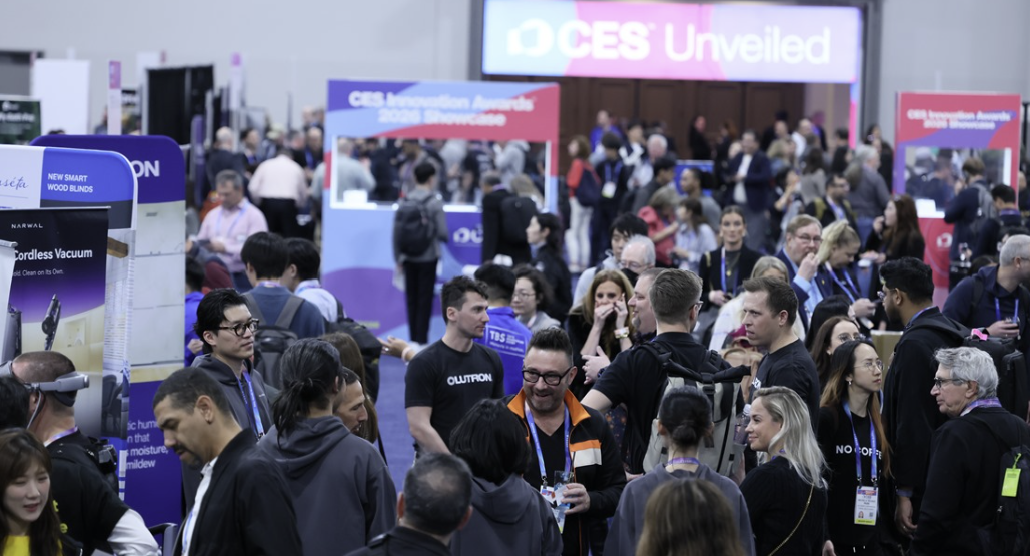
One of the most striking developments at CES 2026 was the surge of AI-powered nutrition tracking platforms. Amazfit unveiled its V1tal food tracker prototype — a device that photographs your meal and instantly analyzes calories, nutrients, and glycemic impact in real time. The company's representative made it clear: this is just the beginning. Platforms like Noom, Zoe, and AlterMe already offer AI-driven dietary guidance, and CES 2026 saw a wave of new entrants joining the field.
Abbott showcased its Libre Assist app, demonstrating how continuous glucose monitoring data connects in real time to dietary decisions. The session — featuring tennis legend Serena Williams wearing Abbott's biowearable device and speaking about how connected health technology can enhance human performance — became one of the defining images of CES 2026. CES has officially entered the body.
If CES 2026 had a recurring theme in its foodtech corridors, it was fermentation and the gut microbiome. Industry analysts have named "fibermaxxing" one of the defining wellness trends of 2026 — a consumer-driven shift away from protein-centric nutrition toward dietary fiber and gut health. More than half of global consumers now link gut health to their overall wellbeing, and this is producing explosive demand for fermented food products and prebiotics.
In this context, the standing of Korean fermented foods has been transformed. Kimchi, doenjang, and cheonggukjang are no longer exotic items in an ethnic food aisle. They have been repositioned as premium functional foods with robust scientific backing, securing shelf space in mainstream North American retail. According to 2026 global food trend reports, conversations about Korean food on social media grew 5.5% in the past year, with gochujang and kimchi emerging as the fastest-spreading "heritage flavors" among Gen Z consumers.
One foodtech startup founder told me at the show: "A significant portion of the core database behind our microbiome analysis platform comes from Korean traditional fermented foods. In terms of probiotic diversity, kimchi is among the world's best data sources." Thousands of years of Korean fermentation wisdom are being translated into the language of advanced biotechnology — and CES 2026 was where I saw that translation happen live.
Gary Vaynerchuk spoke at CES 2026 about how automation and AI are reshaping brand growth strategy. Chef and TV host Tyler Florence discussed AI's expanding role in the culinary world. What struck me about both sessions wasn't just the technological insight — it was the underlying structure they illuminated: content creates consumer culture, and consumer culture designs new categories in the food industry.
The evidence that K-content-driven cultural interest is converting into real market data has become undeniable in 2026. The National Restaurant Association's 2026 What's Hot Culinary Forecast officially listed Korean soju as an emerging beverage trend, explicitly noting that "ties to K-culture" are driving its growth. The same dynamic is playing out across fermented beverages, where Korean options are gaining ground alongside kombucha and tepache. Entertainment is redesigning food culture, and food culture is reshaping the wellness industry — and I watched that loop close in real time at CES 2026.
One more keyword was unavoidable on the CES 2026 foodtech floor: GLP-1. The rapid spread of GLP-1 weight-loss medications like Ozempic and Mounjaro has created a completely new demand category in the food industry. Users experience a dramatic decrease in appetite alongside a heightened need for nutrient-dense foods — making the "high nutrition density, low calorie" category one of the fastest-growing segments in CPG. Korean namul vegetables, fermented foods, and traditional herbal ingredients sit at an unmatched competitive advantage in precisely this positioning.
K-EnterTech Hub spent CES 2026 moving between Eureka Park and the main exhibition halls, focusing coverage on Korean healthtech and foodtech startups. The companies I met showed not just technical capability but an evolution in storytelling — a new confidence in articulating why these ingredients, and how they change lives. That confidence is what turns a product into a category.
CES 2026 is over. But this story isn't. Austin is next.
Sarah Song is a columnist at K-EnterTech Hub, covering the intersection of global entertainment, technology, and wellness industries. She regularly covers CES, SXSW, and Expo West.




![[보고서]전통 언론사의 크리에이터 전략 대전환](https://cdn.media.bluedot.so/bluedot.kentertechhub/2026/02/0nwc9z_202602100212.png)