
GLOBAL STAGE HOLLYWOOD FILM FESTIVAL 2026 · RESPONSIBLE AI SESSION, PART 3 · PANEL
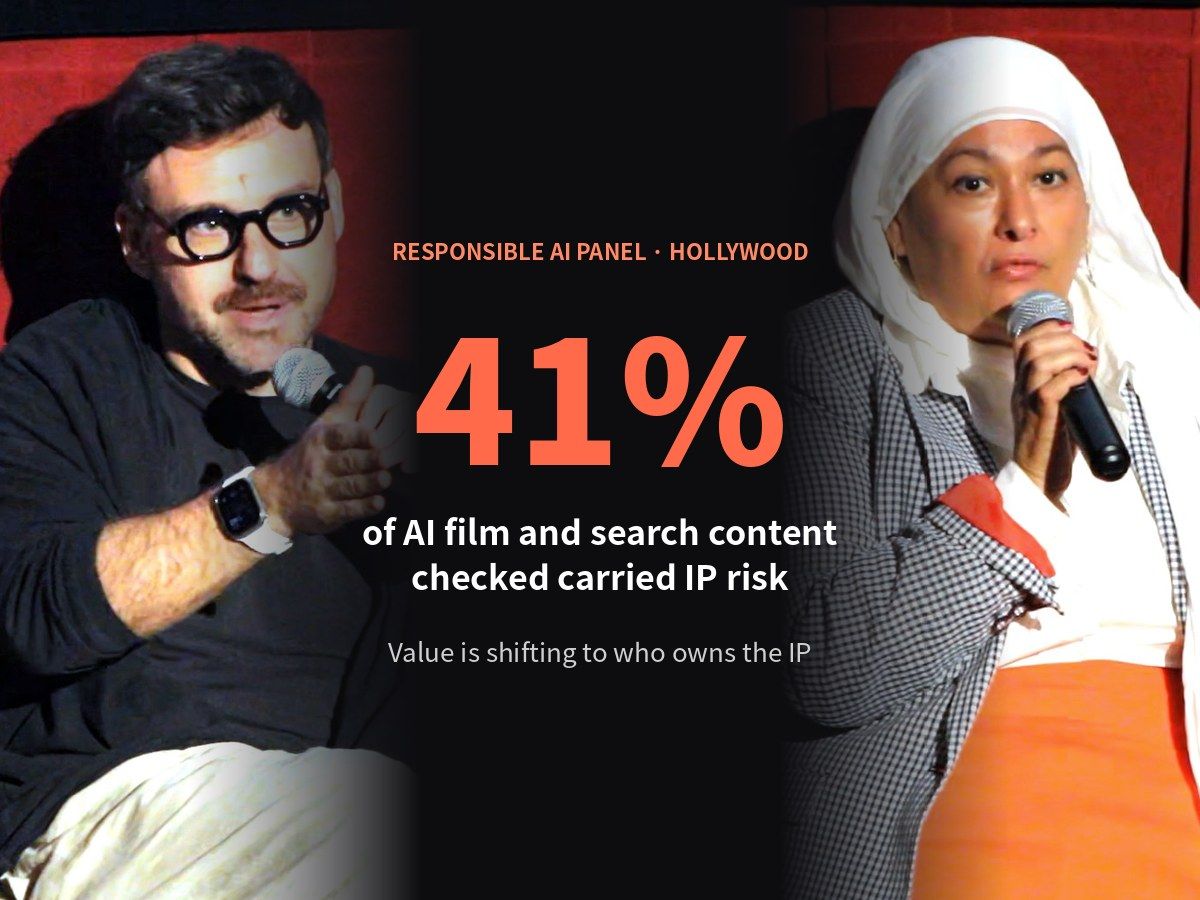
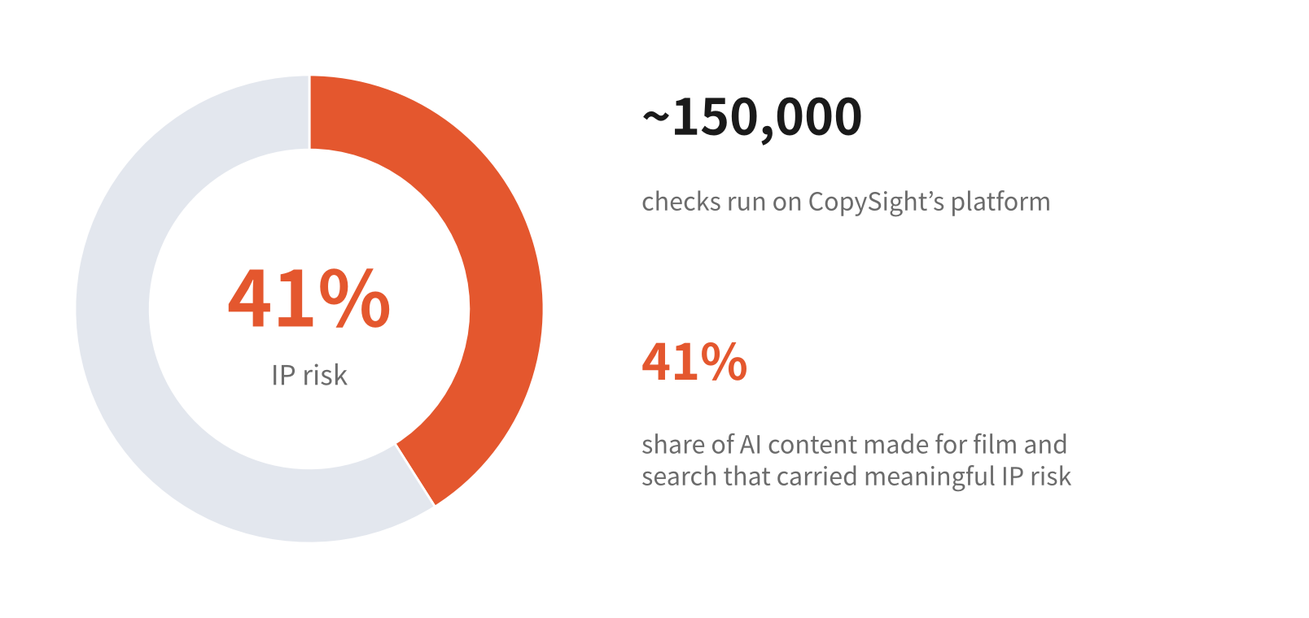
CopySight says 41% of about 150,000 checks found IP risk; panelists urge continuous licensing and automatic compensation instead of one-time sales to platforms
IN BRIEF
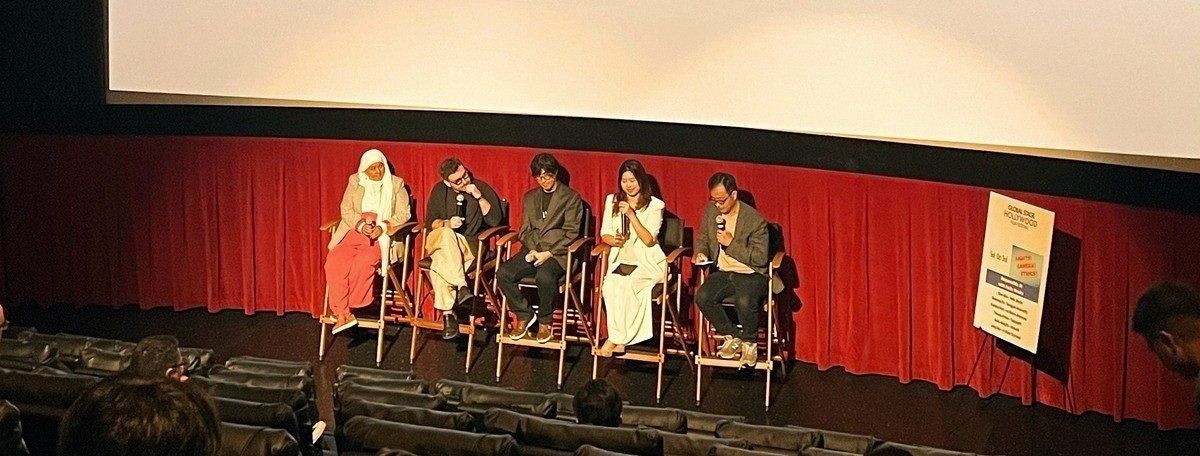
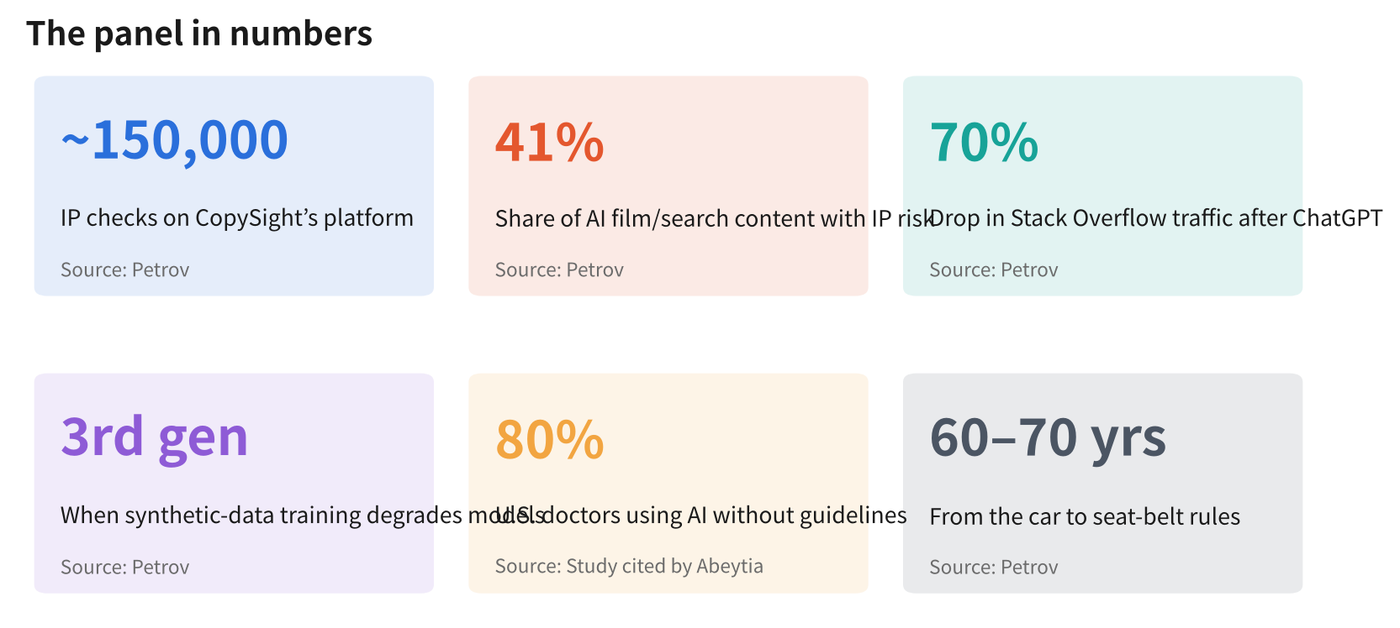
Forty-one percent of AI content created for film and search carries meaningful intellectual-property risk, according to checks disclosed on stage at a Hollywood film festival. Artem “Tommy” Petrov, CEO of CopySight, cited the figure on Oct. 3 at the Responsible AI panel of the Global Stage Hollywood Film Festival, held at the TCL Chinese Theatres. “We checked about 150,000 items on a platform that different studios are using,” he said.
“AI is trained on everything people have ever created,” Petrov said, explaining the cause. CopySight checks AI-generated images and video for overlap with existing trademarks, characters, celebrity likenesses and art styles before release, and raised a $3 million seed round in July.
“Content was very valuable, but now IP is more valuable than production,” Petrov said. “Production now is just a prompt. The barrier is lower.” Yet the way Korean content is sold to global platforms has not changed. The panel took up what Korean companies should do where those two trends meet.
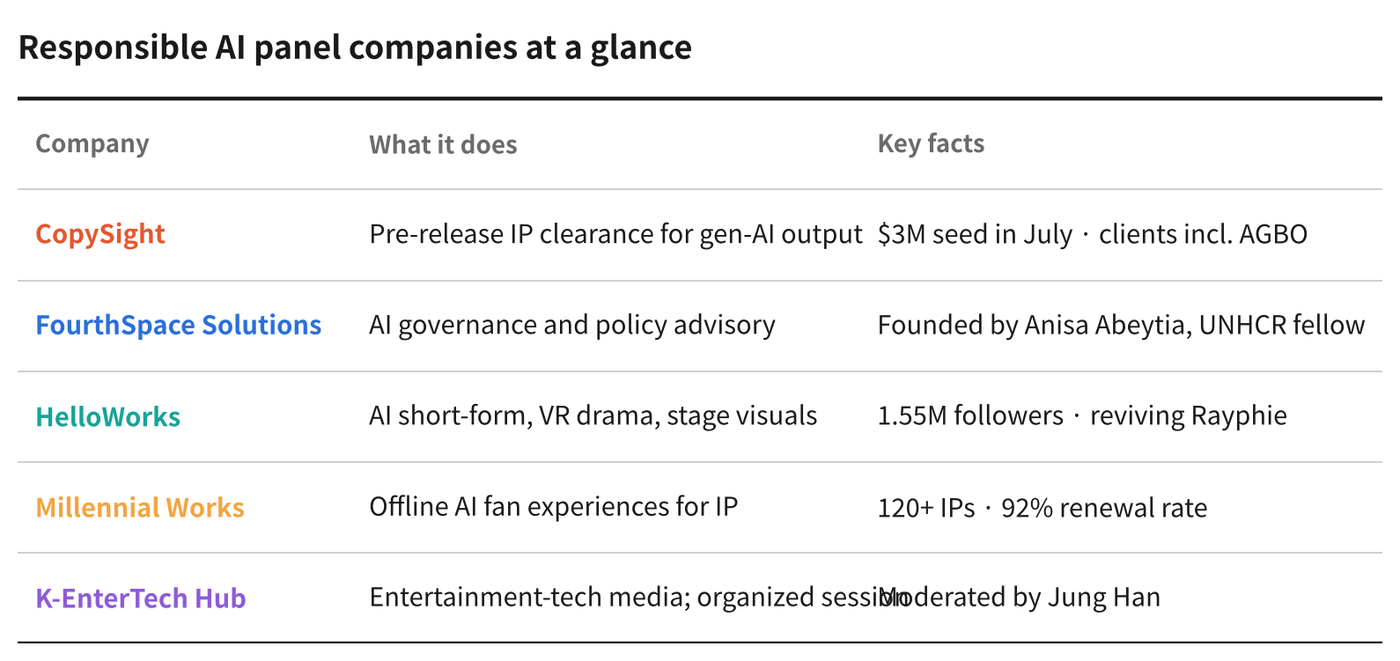
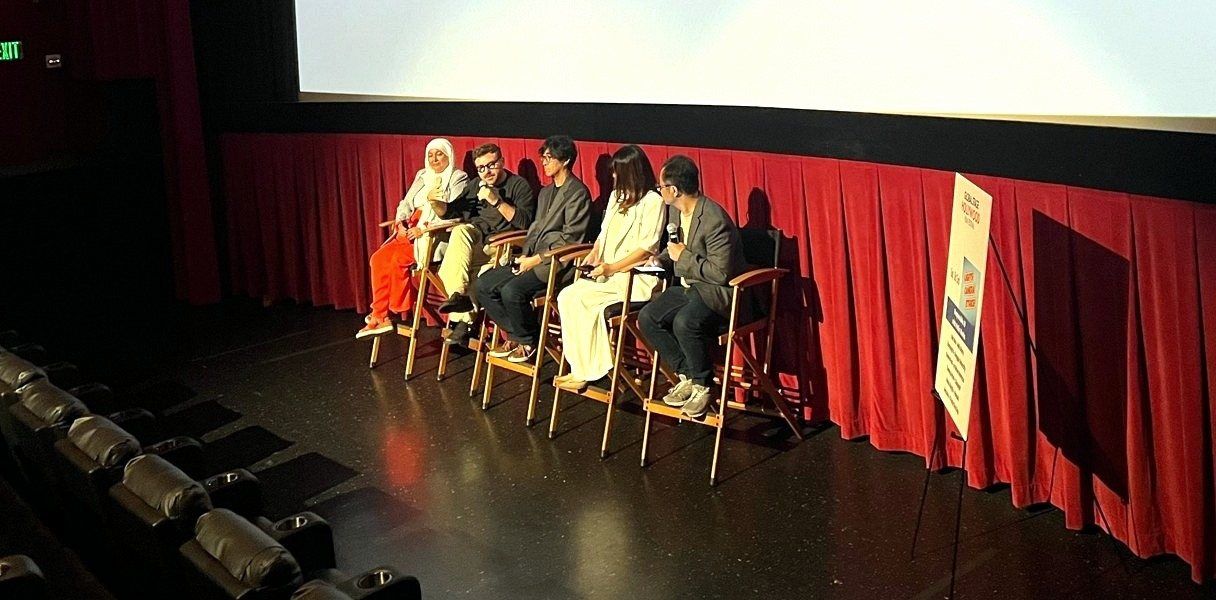
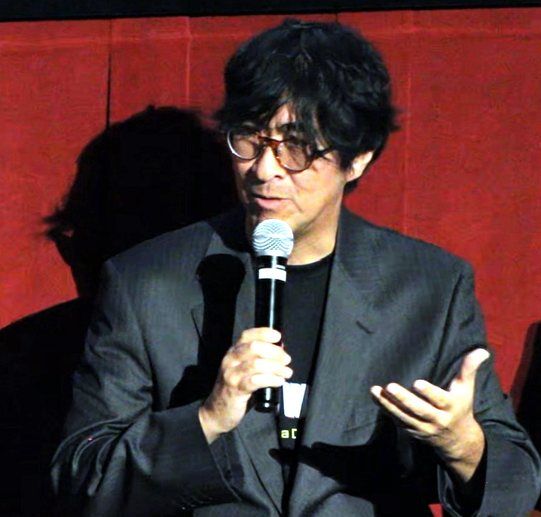
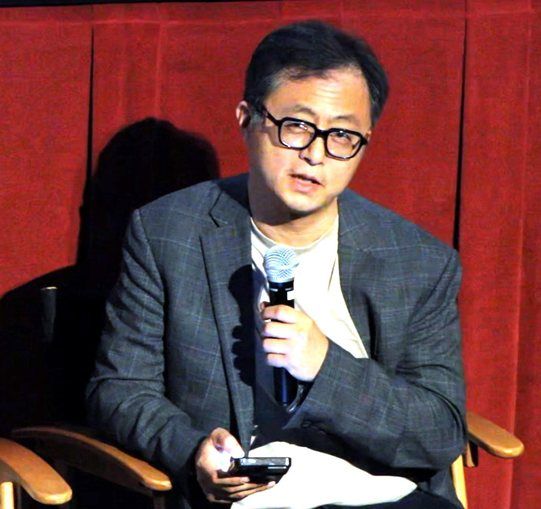
Joining Petrov were Anisa Abeytia, a UNHCR Innovation Fellow and founder of the AI governance consultancy FourthSpace Solutions; Sam Woo (샘 우) of HelloWorks (헬로웍스); and Hailey Song (송유상), CEO of Millennial Works (밀레니얼웍스). Jung Han (한정훈), CEO of K-EnterTech Hub (케이엔터테크허브), moderated.
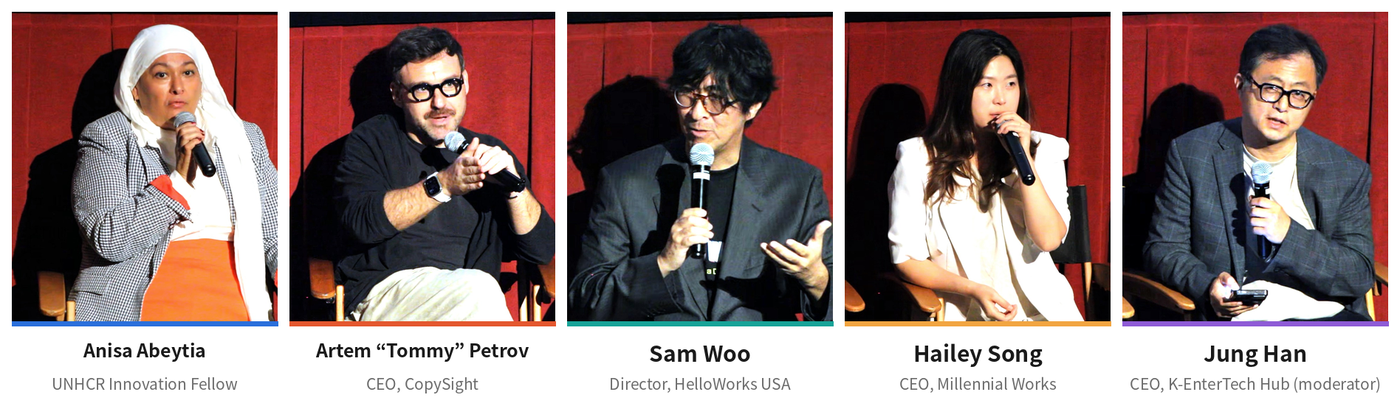
Who was on stage: IP clearance, AI governance, AI short-form and AI pop-ups
CopySight is an IP-clearance company that checks, before release, whether images and video made with generative AI overlap with existing trademarks, characters, celebrity likenesses or art styles. Co-founder and CEO Petrov leads a team drawn from Snap, Apple and Meta. According to Pulse 2.0, the company raised a $3 million seed round in July led by Mucker Capital, with Taisu VC, Flint Capital and Yellow Rocks! participating. Its clients include AGBO, the law firm ArentFox Schiff and the AI image platform OpenArt. The same report put checks since January at more than 87,000; on stage, Petrov cited a cumulative figure of about 150,000.
FourthSpace Solutions is an AI governance consultancy founded by Abeytia that helps companies and institutions set AI policies and guidelines. Abeytia holds a master’s degree from Stanford University, and as a UNHCR Innovation Fellow she is described as having taken part in UN advisory discussions on AI and the Global Digital Compact process. On the panel she focused on regulatory differences across countries and internal guidelines.
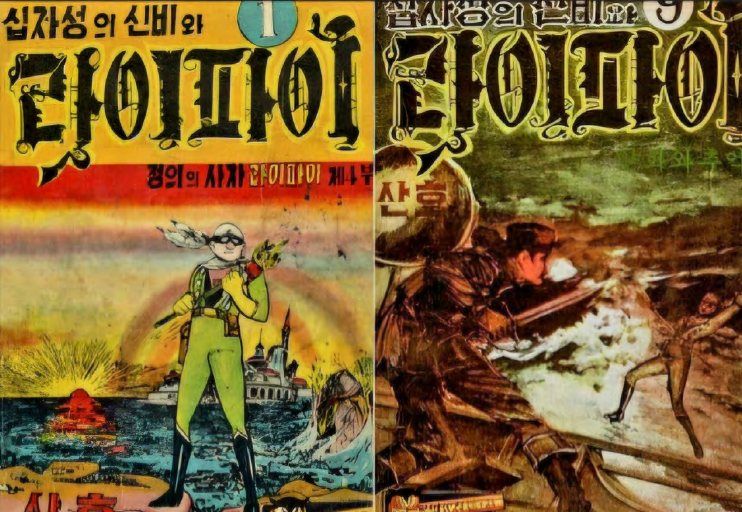
HelloWorks (헬로웍스) is a Korean studio with eight years in story development and four years producing short-form dramas and YouTube videos. Its own channels have a combined 1.55 million followers. It created all of the AI visuals for the stage musical Doctor Dolittle and has produced first-person VR drama pilots. It is now working with the original creator to revive Rayphie (정의의 사자 라이파이), a 1959 Korean sci-fi comic, as an AI animation. Woo leads overseas business from the company’s U.S. office.
Millennial Works (밀레니얼웍스) is an AI experience company founded in 2021 in Goyang (고양), Gyeonggi Province. It started by renting AI photo booths and has expanded into AI kiosks, AI pop-up stores and AI theme parks. It runs its own venue, SPACE:V (스페이스브이), at AK Plaza (AK플라자) in Seoul’s Hongdae (홍대) district. According to its IR materials, it has worked with more than 120 IPs and brands, with a 92% IP renewal rate. It received pre-Series A investment from SM Entertainment (SM엔터테인먼트) in 2025 and has offices in Japan, Taiwan and Singapore. Song presented the business model in the earlier session.
K-EnterTech Hub (케이엔터테크허브), which moderated, covers and researches the intersection of entertainment and technology and has organized overseas stages for Korean entertainment-tech companies. It built the Responsible AI session, pairing presentations by HelloWorks and Millennial Works with a panel that included international experts.
A Japan–Hollywood festival adds two AI sessions
Global Stage Hollywood is a 501(c)(3) nonprofit festival built to strengthen the two-way bridge between the Japanese and American entertainment industries. It was founded by Douglas Montgomery, a former Warner Bros. executive and former chairman of the Japan America Society of Southern California. According to the Consulate General of Japan in Los Angeles, it grew out of earlier Japanese film events: LA Eiga Fest (2011–2015), Japan Cuts Hollywood (2019) and Japan Connects Hollywood (2020). Alongside Japanese cinema, it screens international independent features, documentaries and shorts, and hosts industry panels and networking for filmmakers and distributors.
This year’s festival opened on Oct. 2 with a screening of 90 Meters and a reception at JAPAN HOUSE Los Angeles in the same complex. Two AI sessions followed on Oct. 3. Responsible AI, organized by K-EnterTech Hub (케이엔터테크허브) with two Korean companies presenting, brought a Korean entertainment-tech session to a festival rooted in Japanese film.
Two checks, at storyboard and final pixel
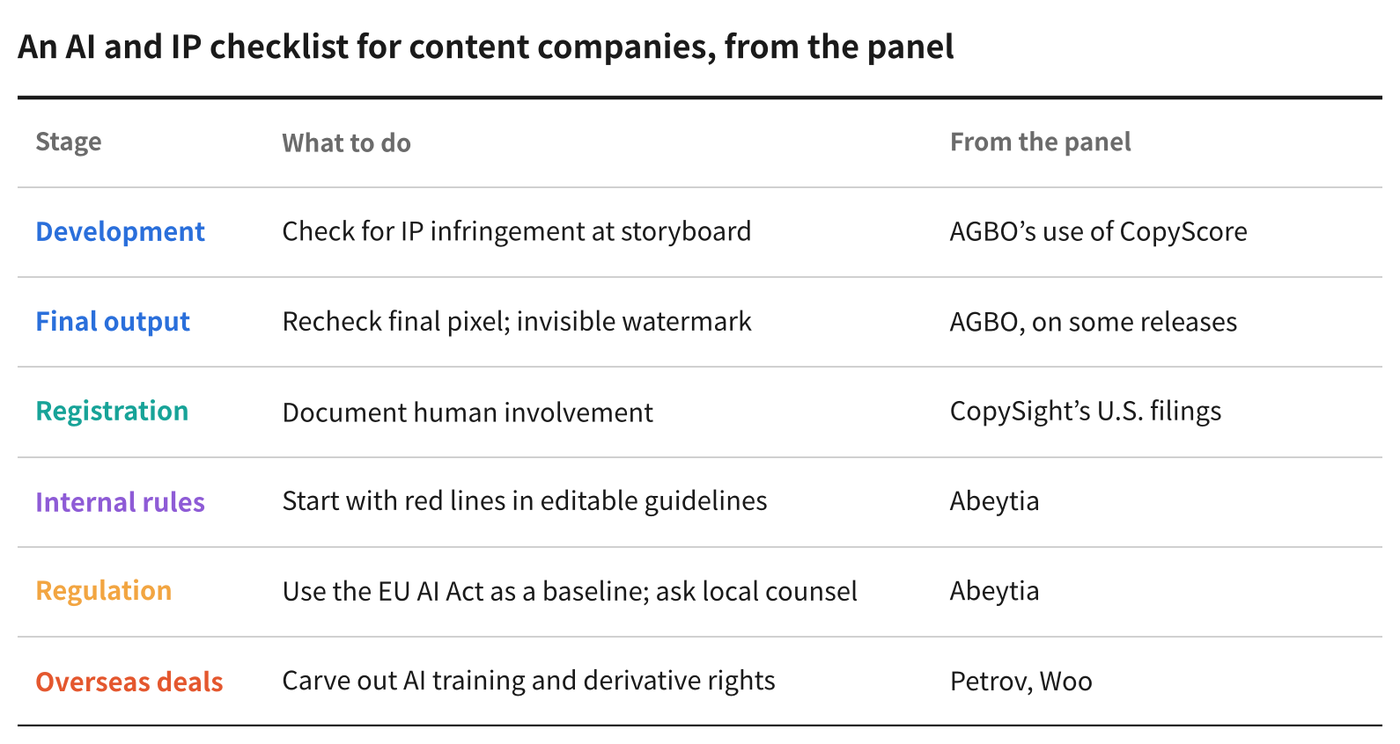
Petrov described how AGBO, the production company of Avengers: Endgame directors Joe and Anthony Russo, checks AI material. AGBO runs CopySight’s CopyScore on characters and environment assets before approving them internally, checking hundreds of thousands of sketches and pre-art for reliance on existing IP or the public domain, and then checks the final video again.
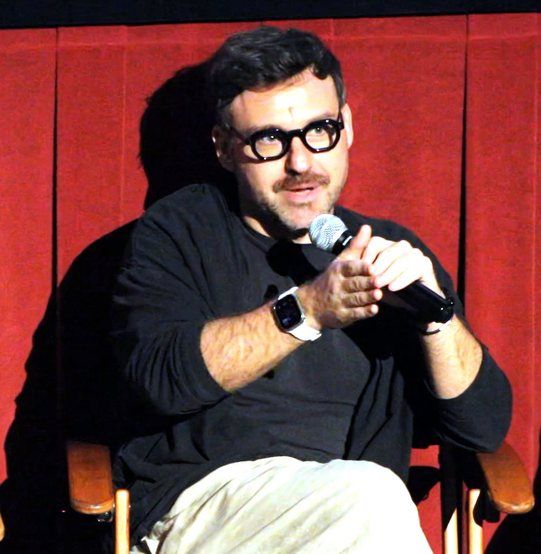
“They do the check on the storyboard level and on the final pixel to make sure they’re not infringing, and they put an invisible watermark on some of the content when they distribute it, so they can trace it back,” Petrov said. “They’re not basing it on anyone’s work without paying or licensing it. It’s also a reputational issue.”
Copyright needs significant human involvement in the U.S.
“Currently AI-created content is not protected by copyright,” Abeytia said. “You have to prove that there’s a human hand in it, and that’s really strong in California law.” Companies also have to ask who owns that content, she said, and whether it can then be used legally to create something else.
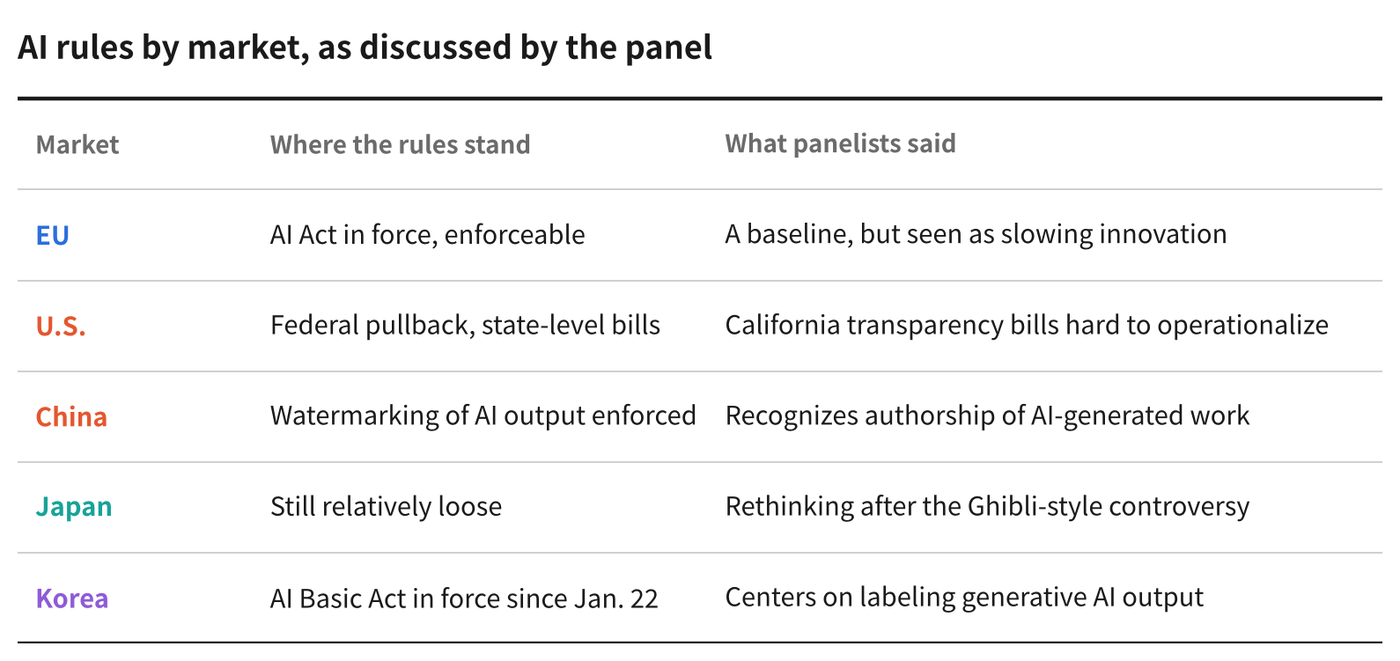
Petrov said CopySight has registered AI-assisted works in the U.S. several times by demonstrating significant human involvement. In his account, the EU AI Act is strict and enforceable but has held back AI innovation in Europe; China already enforces watermarking and recognizes authorship of AI-generated work; and Japan remains loose but is rethinking its stance. He offered to share a comparison of conditions in Japan, China, Korea and the U.S. with companies that ask.
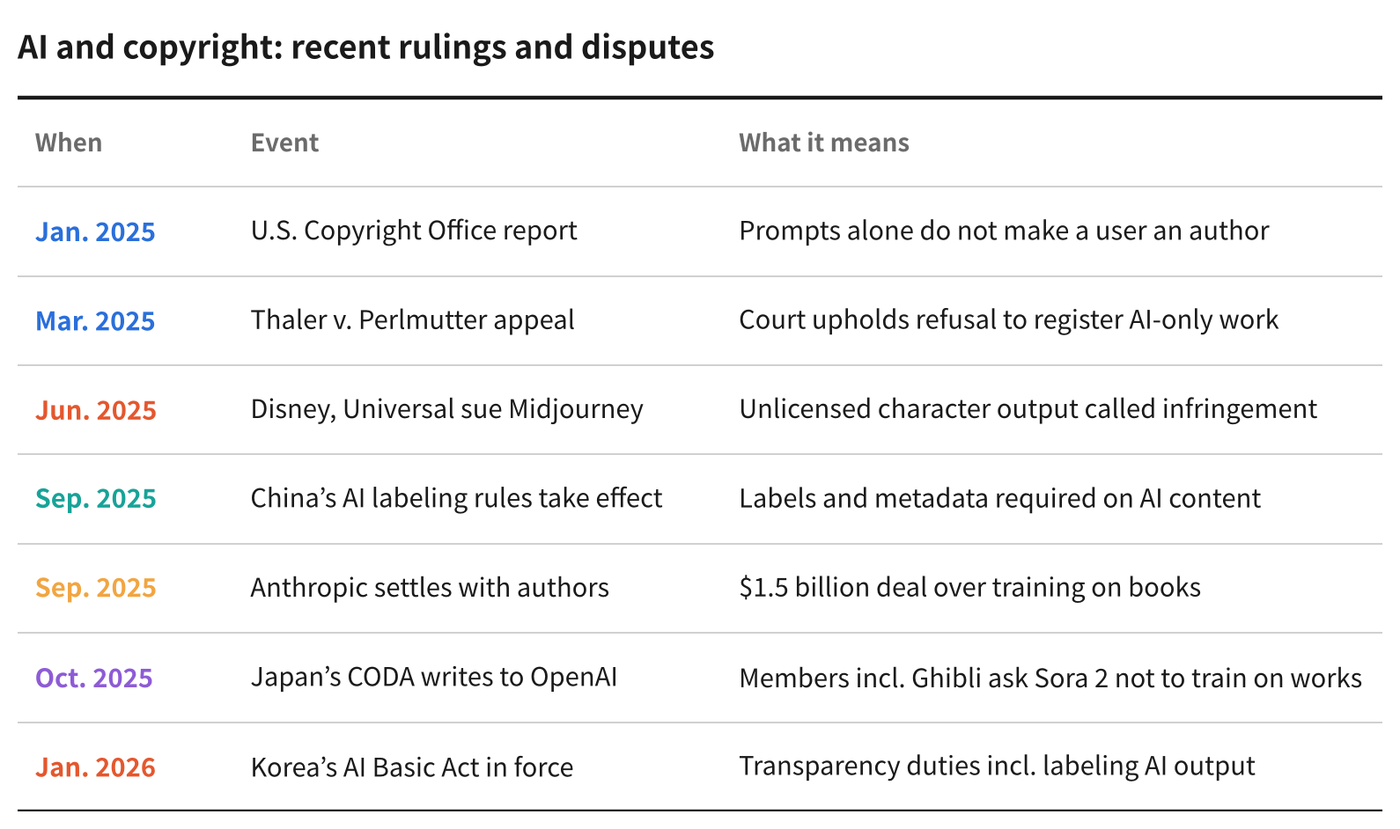
The human-involvement standard the panel described is hardening in U.S. rulings. In a January 2025 report, the U.S. Copyright Office said prompts alone do not make a user the author, and that protection covers only the parts where a person selects, arranges or modifies the expression. In March, the U.S. Court of Appeals for the D.C. Circuit, in Thaler v. Perlmutter, upheld the office’s refusal to register an image made by AI on its own.
Disputes over training and output have followed. In June 2025, Disney and Universal sued the image generator Midjourney, saying it produces their characters without permission. In September 2025 Anthropic reached a $1.5 billion settlement in a class action brought by authors over books used in training. The Ghibli case fits the same pattern: in October 2025, Japan’s Content Overseas Distribution Association (CODA), whose members include Studio Ghibli, Bandai Namco and Square Enix, formally asked OpenAI not to train its video model Sora 2 on members’ works. That is the coalition response Abeytia referred to. On labeling, China began enforcing rules on Sept. 1, 2025 that require visible labels and metadata on AI-generated content.
Train on synthetic data, and models degrade within three generations
“If you’re not training on something new, something produced by humans, the synthetic data degrades the models — on the third generation,” Petrov said. “That means we need to incentivize creators to keep doing that work.” He noted that traffic to the developer Q&A site Stack Overflow fell 70% after ChatGPT launched, a sign that the next generation of training data is disappearing.
Abeytia, who once worked on the creative team of the producer of The Godfather, called it model drift and warned of monoculture. “Creativity builds upon what was before,” she said. “How are the new engineers going to learn? What are they going to be training on?” Woo said AI has cut time and cost in music production while session musicians lose work.
Regulation lags; start with the EU AI Act and internal guidelines
Asked what minimum AI policy a content company entering several countries should have, Abeytia said there is no global law, and that the current U.S. administration has moved away from regulation and left it to the states. She pointed to the EU AI Act as a foundation because it is enforceable, and said the work of the Hiroshima AI Process Friends Group is valuable because it includes industry.
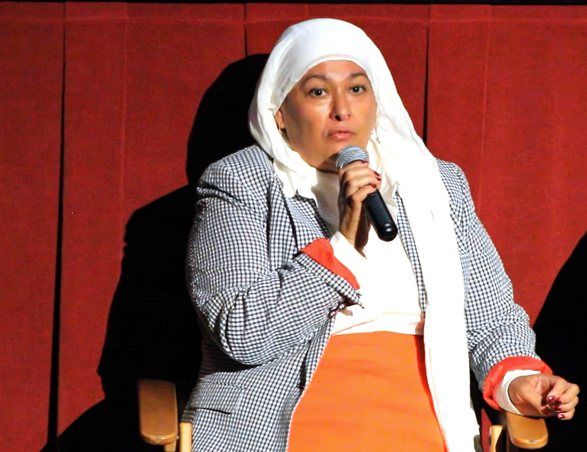
Inside companies, she favored guidelines over policy. “It’s a lot harder to change your policy. It’s much easier to work with guidelines,” she said. “Start by setting where your red lines are.” She cited a study in which about 80% of U.S. doctors said they use AI, with no guidelines or policy in place. Petrov added that it took 60 to 70 years from the invention of the car to seat-belt rules.
Abeytia said she had taken part in a California AI working group the day before. California’s bills on AI-content transparency have good intentions, she said, but “the devil’s in the details. How do you operationalize those laws? That’s the big hurdle.” She advised companies to consult a lawyer in their own jurisdiction.
Audiences worry about their data, not AI content; Ghibli chose a coalition over court
Asked whether disclosing AI use hurts business or builds trust, Abeytia said: “I don’t think the public is that concerned about consuming AI-generated content. What they’re mostly concerned about is how their information is being used.” Citing the wave of Ghibli-style AI images, she said Studio Ghibli did not go to court but formed a coalition, which may be one reason Japan is rethinking its approach. Even a small company that publishes guidelines shows consumers that it is thinking about governance, she said.
Petrov described a client that created eight characters drawing 40 million views. After a designer left and began using the same characters, claiming they were AI-generated and in the public domain, the company struggled to respond. “People are not owning what they create,” he said.
From one-time sales to continuous licensing, with automatic pay for IP use
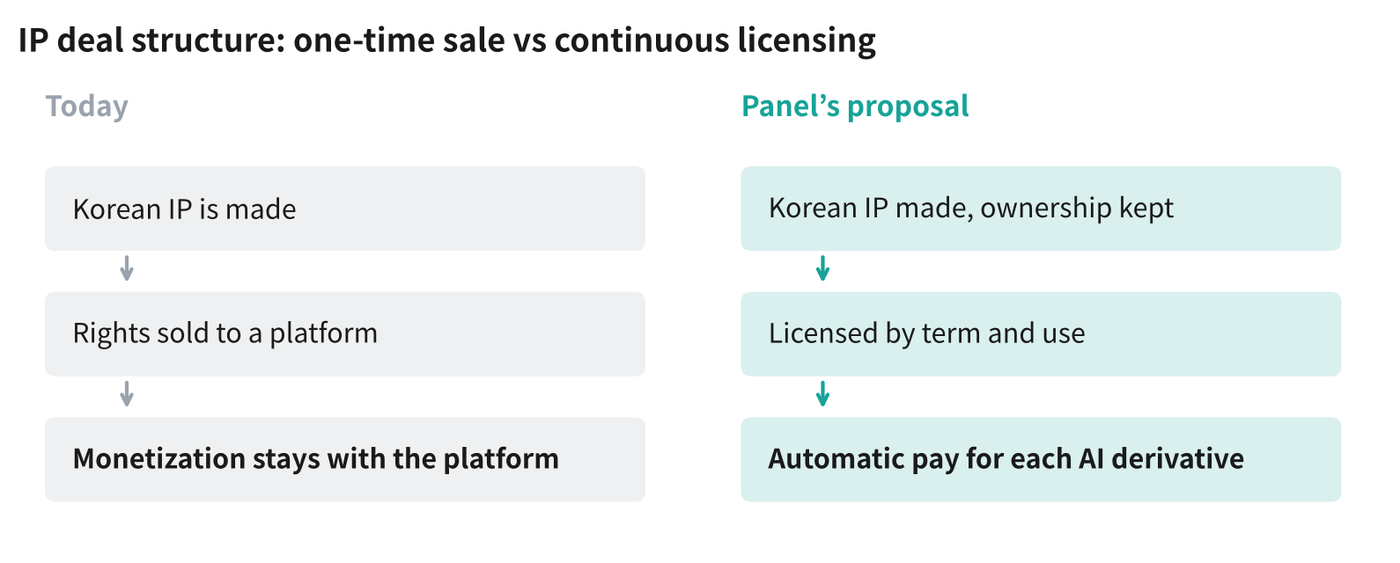
Petrov said Korea, China and Japan each plan to build IP from their own heritage and sell it overseas, but “the problem starts when they sell it. The monetization starts being on Netflix’s side,” and the country of origin does not benefit. “The strategy should change from just licensing overseas to a continuous and protectable licensing pattern that comes back to the country of origin.”
Every time a platform generates an AI asset from Korean IP, he said, it should pay, which requires regulation, government and business to move together. CopySight has run a first sandbox for a system that automatically pays IP owners when their IP is used to generate content at a commercial level, and he said it would be presented in Singapore the following week.
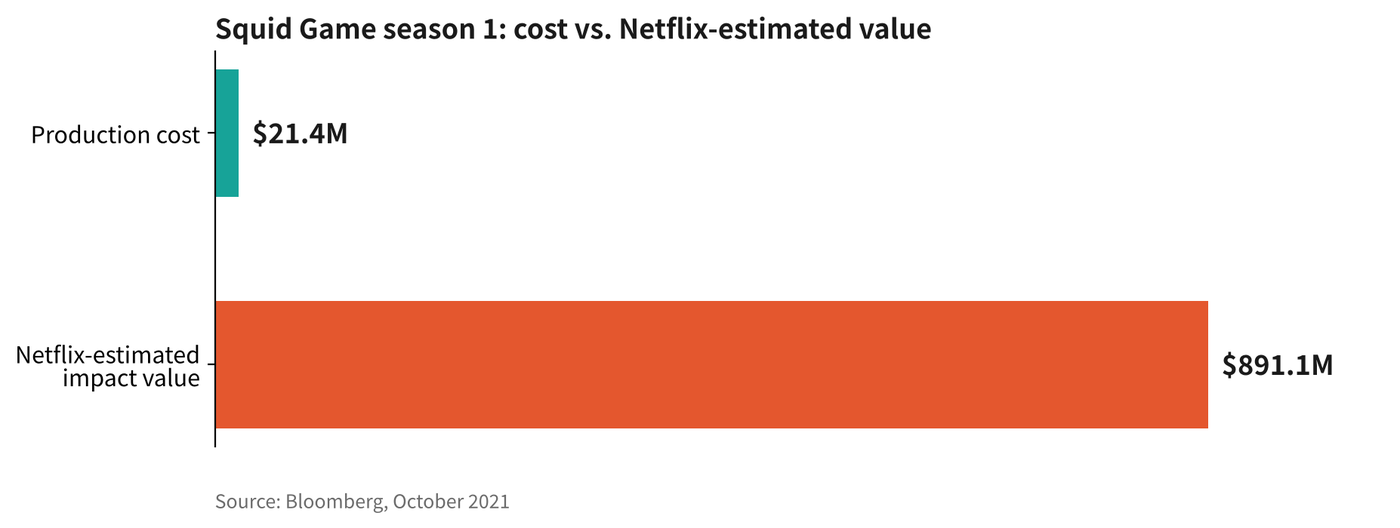
“Netflix being Netflix, we have to go by their rules,” Woo said, pointing to Squid Game (오징어 게임) as a warning for Korean producers. Abeytia suggested sharing revenue with fans when fandom-created content earns money, and mentioned a push in the U.K. to let people monetize their social-media data.
Squid Game, the example Woo cited, put numbers on that structure. Internal Netflix figures reported by Bloomberg in October 2021 put the first season’s budget at $21.4 million and Netflix’s estimate of its “impact value” at $891.1 million, about 42 times the cost. Under an original deal in which Netflix holds the rights, that gap does not flow back to the producer. Netflix pledged in April 2023 to invest $2.5 billion in Korean content over four years.
Ten years of Netflix in Korea: Ownership is the open issue
Han noted that Netflix entered Korea in 2016. In the decade since, Korean content has been discovered by U.S. and global audiences, but Netflix’s large share of K-content IP remains a matter of debate in Korea.
Many existing contracts do not say whether original rights holders are paid when a platform that bought a Korean title generates AI derivatives from it. Unless Korean broadcasters and studios spell out AI training and derivative rights in overseas sales contracts, the pattern the panel described, with monetization passing to the buyer at the moment of sale, could repeat in AI. Korea’s AI Basic Act (인공지능 기본법), in force since Jan. 22, 2026, centers on transparency duties such as labeling generative AI output; it does not address AI rights in overseas licensing deals.
Outlook: Fan content and cross-border AI licensing come next
Who owns fan-made content? How should AI-generated assets be licensed across jurisdictions? How can the human creative work that keeps models improving be sustained? The panel left these questions open.
Panelists offered three steps companies can take now: check IP at both the development and final stages and keep records, as AGBO does; set red lines through internal AI guidelines that are easy to revise; and negotiate continuous licensing that keeps ownership in overseas deals. If CopySight’s automatic-compensation system starts appearing in studio contracts, Korean IP holders would have a new basis for negotiating with global platforms.
Quotations are from the session on October 3, 2026, lightly edited for clarity. Unquoted statements paraphrase remarks made on stage. The author moderated the session.
Currency conversions use 1,400 won to the dollar.
References: CopySight Raises $3 Million (Pulse 2.0) · Anisa Abeytia profile (Influential Women) · U.S. Copyright Office, AI Report Part 2 · Thaler v. Perlmutter (Skadden) · Disney, Universal v. Midjourney (The Fashion Law) · Anthropic settlement (Bloomberg Law) · CODA letter to OpenAI (Yahoo News) · China AI labeling rules (Loeb & Loeb) · Squid Game valuation (Gulf News, citing Bloomberg) · Netflix $2.5 billion pledge (CBS News)