
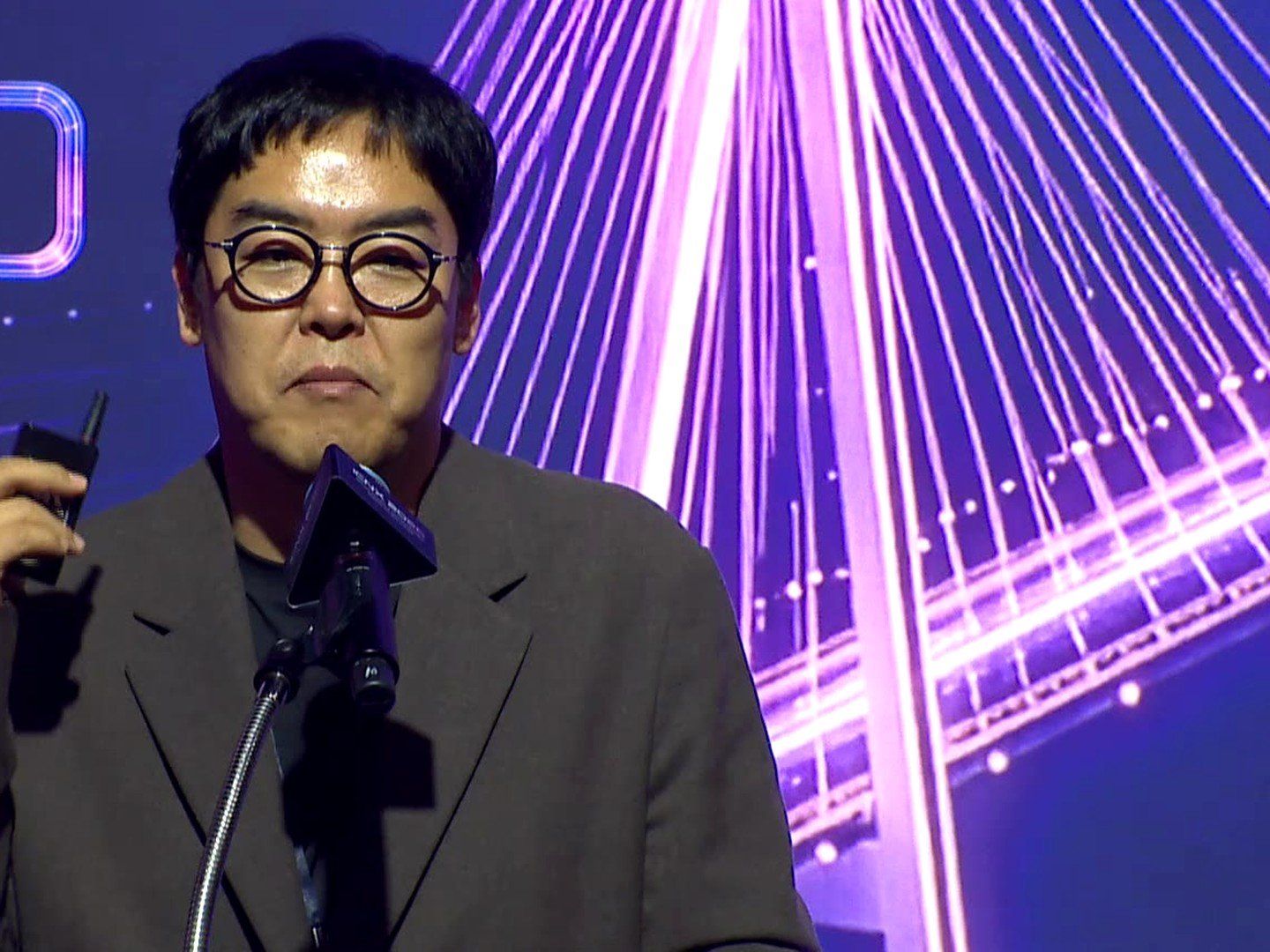
CEO Kim Jin-soo at the ICNX 2026 Technology Showcase: feature cost from ₩20 billion to ₩2 billion, and new IP launched where fans already gather
Oneness Korea CEO Kim Jin-soo said at ICNX 2026 that an in-house AI pipeline cuts feature costs to a tenth, and that the company will grow original IP inside a mall built around Shueisha, Shogakukan and Kodansha IP.
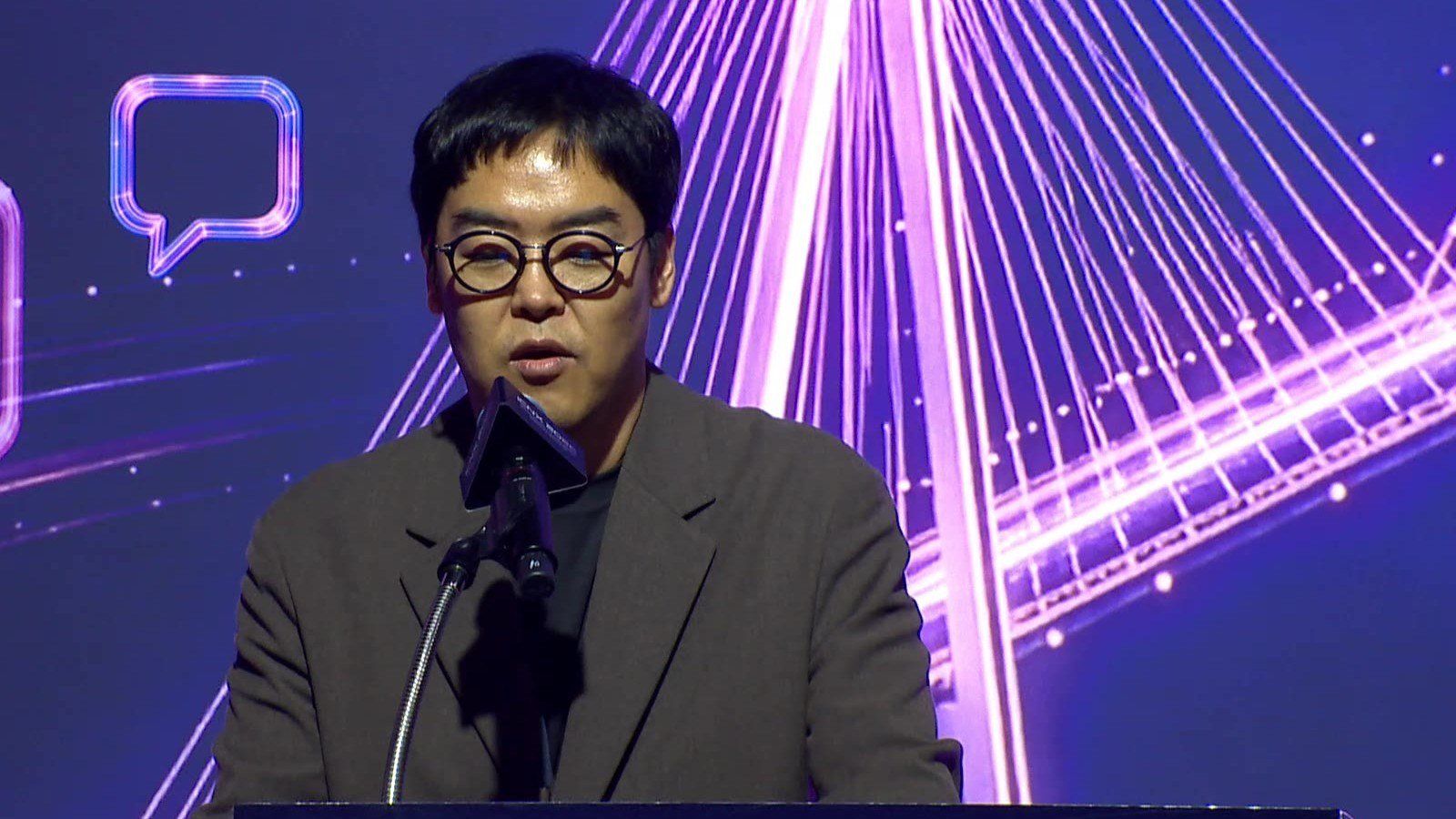
Kim Jin-soo (김진수), CEO of Oneness Korea (원니스코리아) and the first speaker at the Technology Showcase of ICNX 2026, the Incheon Advanced Media Global Conference (인천 첨단미디어 글로벌 컨퍼런스), asked why animation never gets the “K” label. “There isn’t a single Korean animation in the global top 50,” he said on Nov. 4 at Songdo Convensia (송도컨벤시아) in Incheon. “K-drama and K-pop sell like wildfire, but animation alone can’t carry the K.”
Oneness Korea is an AI content company founded by Kim, who led the creation of Rozy (로지), Korea’s first virtual human. He pointed to three causes the industry names: too little investment, weak strategies to use IP across formats, and a shortage of original IP. “The technology was there,” he said. “We just didn’t use it.”

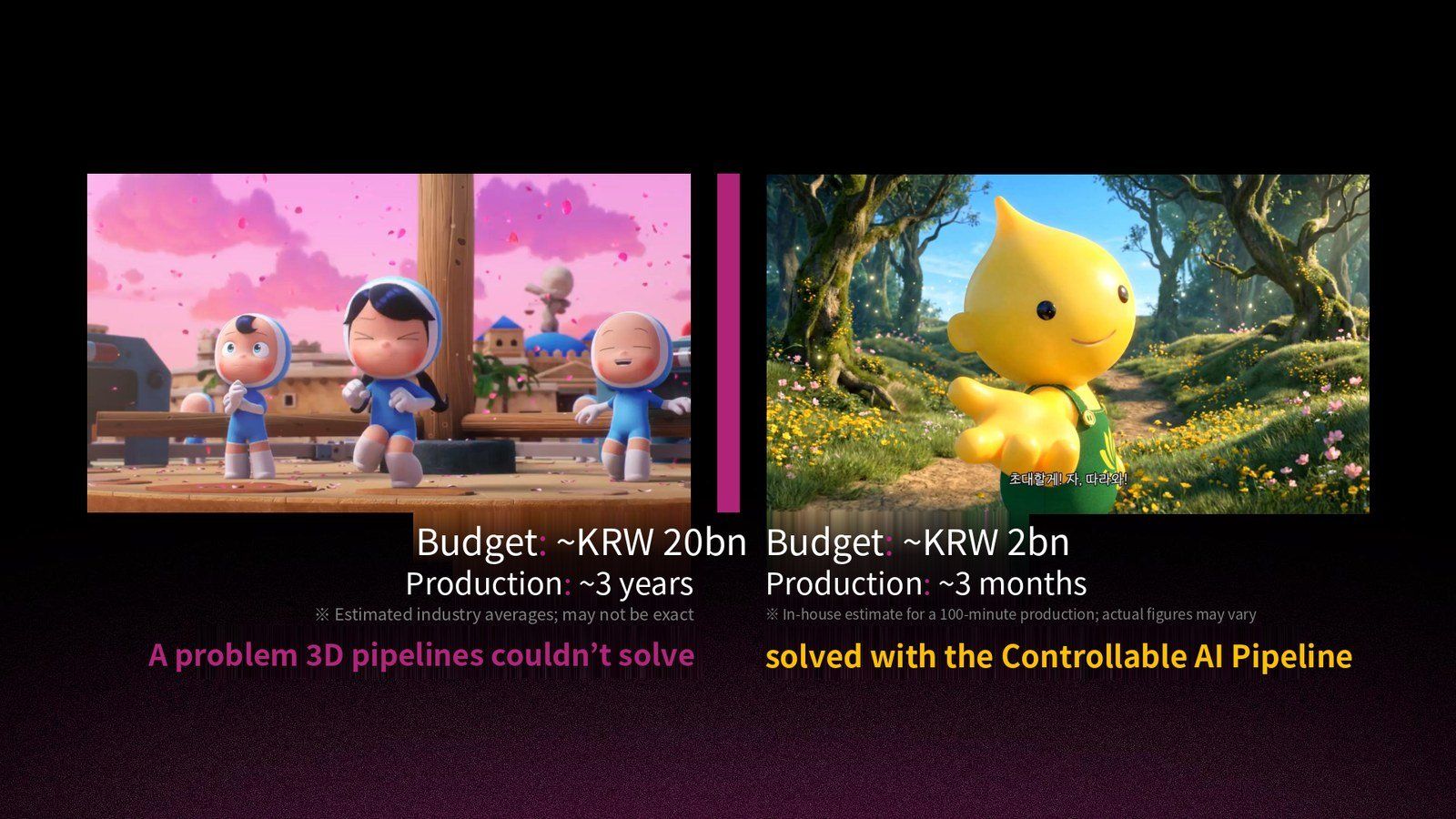
₩20 billion and three years → ₩2 billion and three months
The first issue is production cost. Kim said a theatrical animated feature made at his former company “cost tens of billions of won and took years.” His deck put the industry-average 3D feature at about ₩20 billion ($14.9 million) and three years. Oneness Korea estimates it can make one for about ₩2 billion ($1.49 million) in three months with its own Controllable AI Pipeline. A three-minute video costs about ₩2 million ($1,500) and five days.
Kim summarized the limits of commercial AI tools: no training data for brand-new characters, security risks from uploading assets to outside servers, and no fine motion control through prompts. Oneness Korea addresses them with character consistency, transfer of actors’ movements filmed on ordinary cameras to 3D, and generation on a closed in-house network.
“Famous because it’s famous”… original IP inside a Japanese mega-IP mall
The second issue is how IP is used. “In Korea, you can make IP and post it on YouTube, and 10,000 or 100,000 viewers is the ceiling,” Kim said. “You have to be famous to become famous.” Just as shoppers who come to Pop Mart for Labubu discover Crybaby, new IP has to stand where fans already gather.
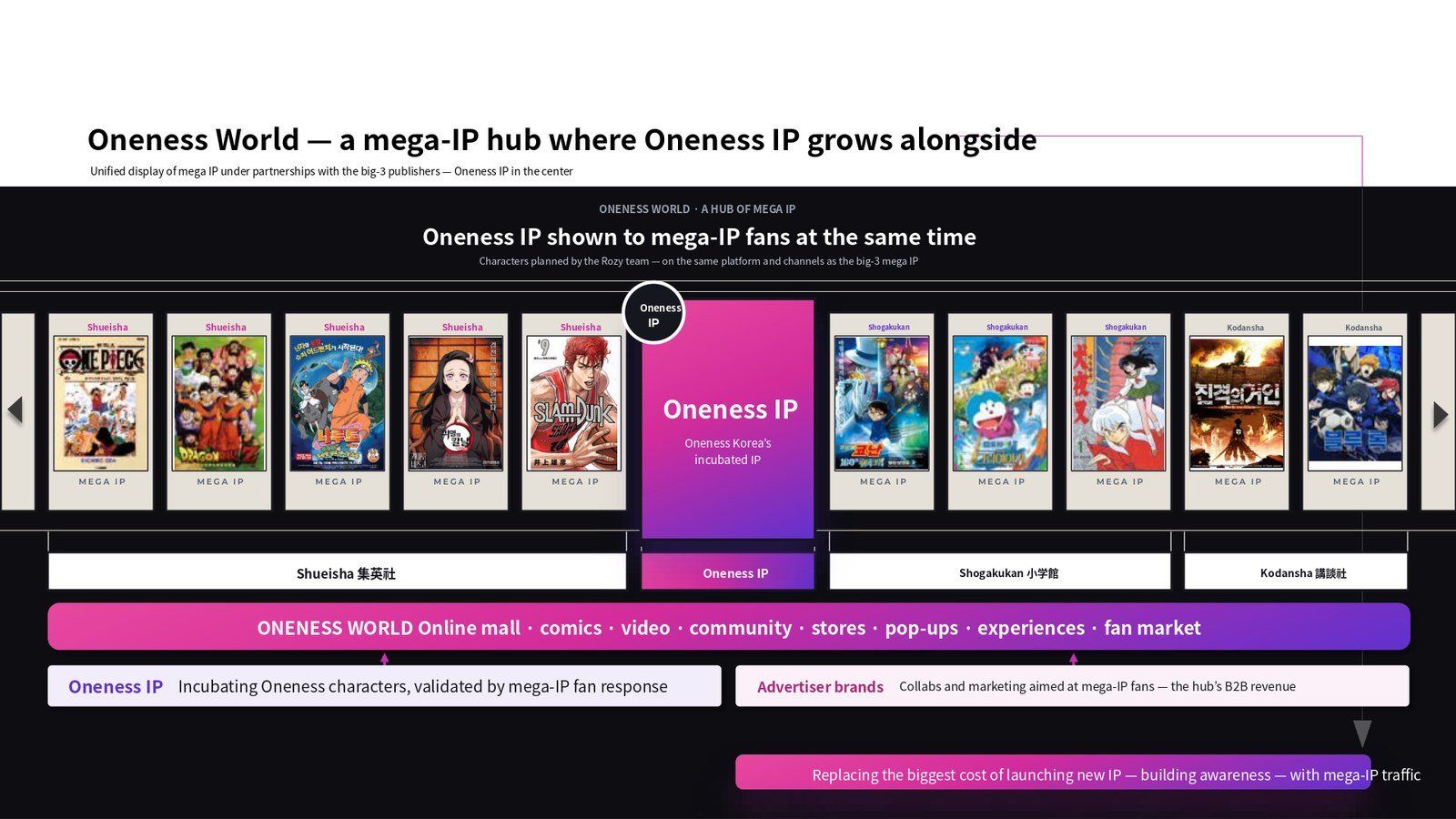
Oneness Korea chose Japanese mega IP. According to its deck, it has signed with Shogakukan (쇼가쿠칸), finished negotiations with Shueisha (슈에이샤), and is in talks with Kodansha (고단샤). In August the company discussed global content cooperation at Shueisha’s headquarters. The plan is Oneness World, an online and offline space gathering official goods, content and experiences from these IPs, with Oneness’s own IP placed at its center. “We offered to introduce the Japanese publishers’ IP in Korea,” Kim said, “and asked that their IP move inside the mall we operate.”
Make ten, discard nine… from hub to holder
The third issue, original IP, is solved once the first two work together, Kim said. “Making a video story for one IP costs us less than a few hundred thousand won internally,” he said. “We put out ten at a time, and if people like even one, we discard the other nine and make new ones.” Only IP with proven response gets the next round of capital, growing into features and one-source-multi-use.
Outlook: the conditions for owning animation IP are changing
Kim said the company will not rely on Japanese IP alone. “Ultimately we plan to bring in Korean webtoon IP that is loved globally,” he said. He closed with: “KPop Demon Hunters is not Korean IP.” As AI lowers production cost, Korean broadcasters and producers gain room to own animation IP directly. But as Oneness Korea’s strategy suggests, new IP needs a stage where fans already are, so programming and exposure have to be designed along with production.
The full talk is available on the K-EnterTech Hub YouTube channel (@kentertechhub) in Korean, English, Japanese and Chinese editions.