
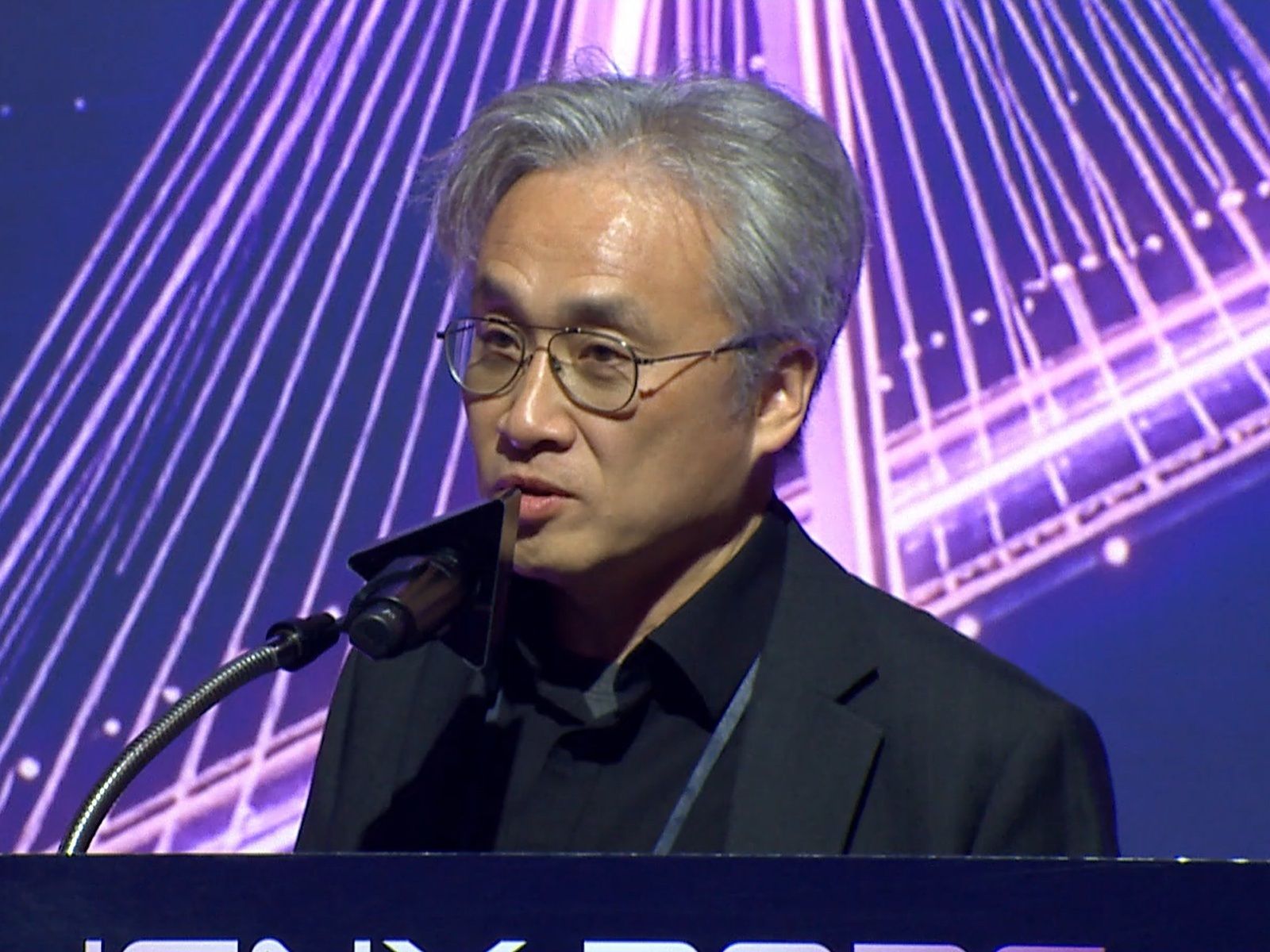
Studio Realive (SM Entertainment) CEO Kim Jong-min at ICNX 2026: LYNKPOP screens Stray Kids and i-dle in a Tokyo department-store basement and Hong Kong malls, with tickets sold on travel apps and at convenience stores
At ICNX 2026, Studio Realive CEO Kim Jong-min showed how LYNKPOP VR concerts play retail basements and malls in Tokyo and Hong Kong, bundling screening, exhibition and goods, and asked cities to fund operating years, clear rights early and share data.
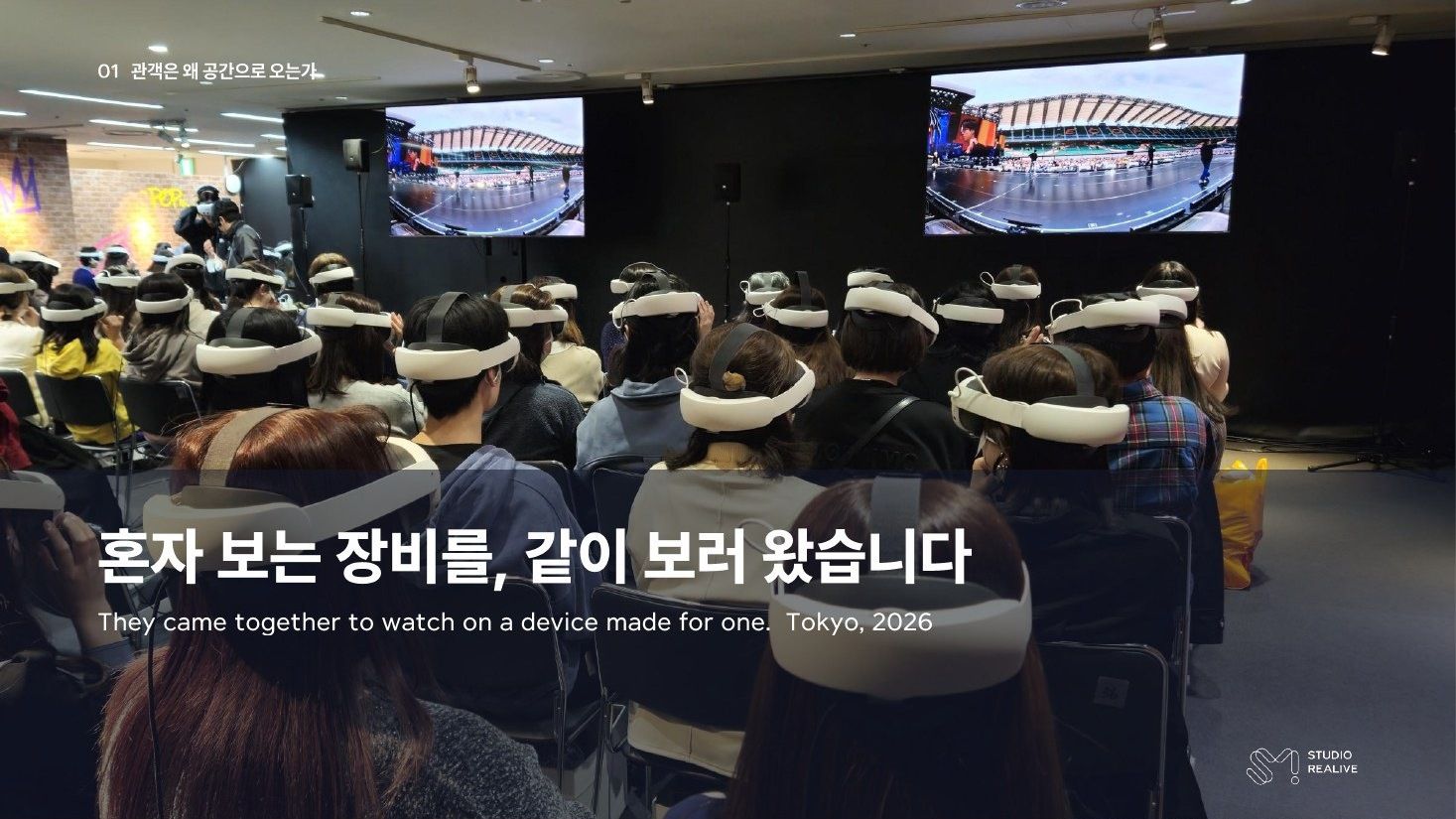
In the basement of a Tokyo department store, fans put on VR headsets to watch Stray Kids, then walk through an exhibition and buy goods sold only on site. In Osaka the venue was the basement of a station-side retail complex; in Shanghai and Hong Kong, shopping malls showed an i-dle concert. Hong Kong sold timed tickets through travel-booking platforms and convenience stores.
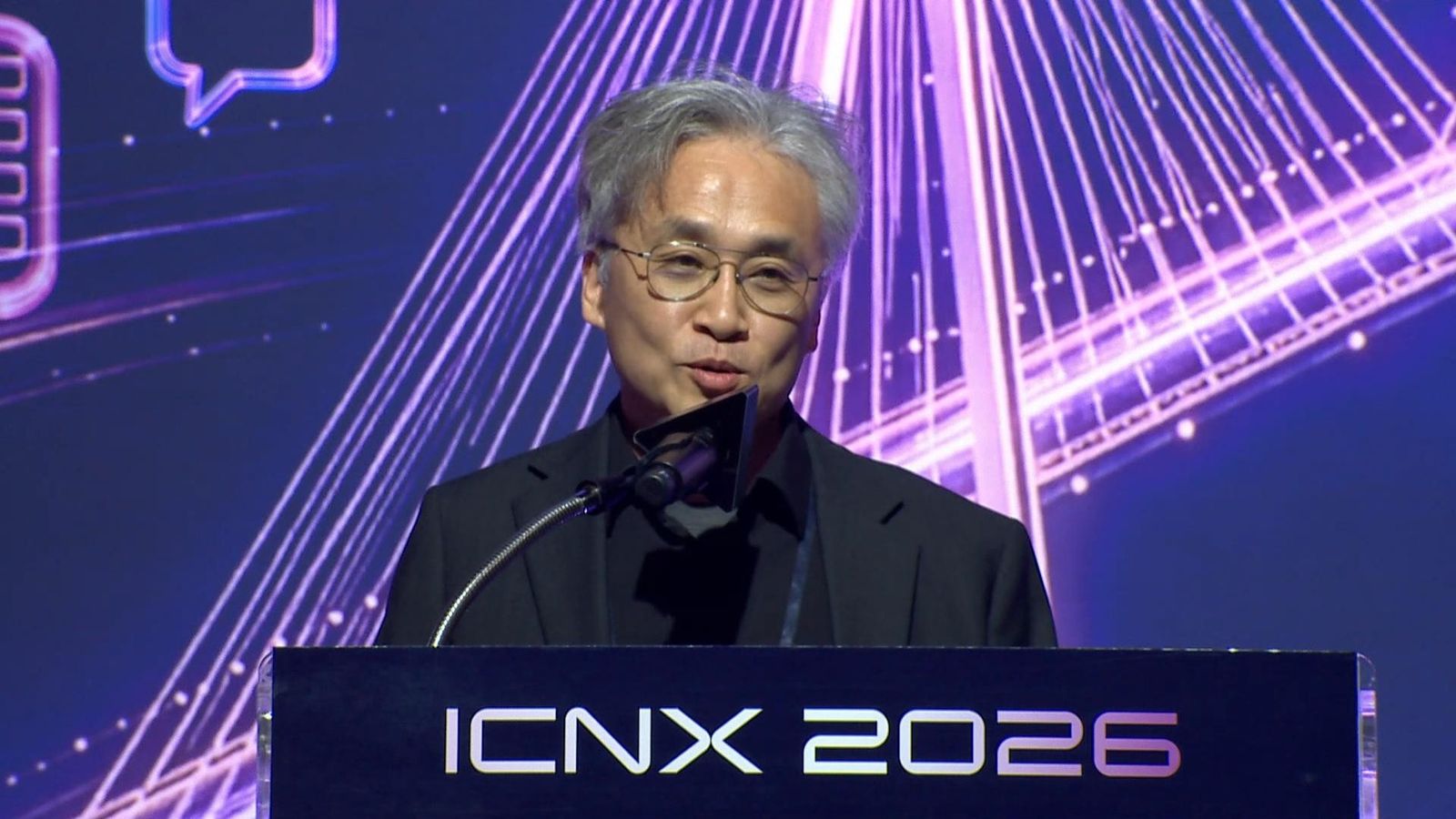
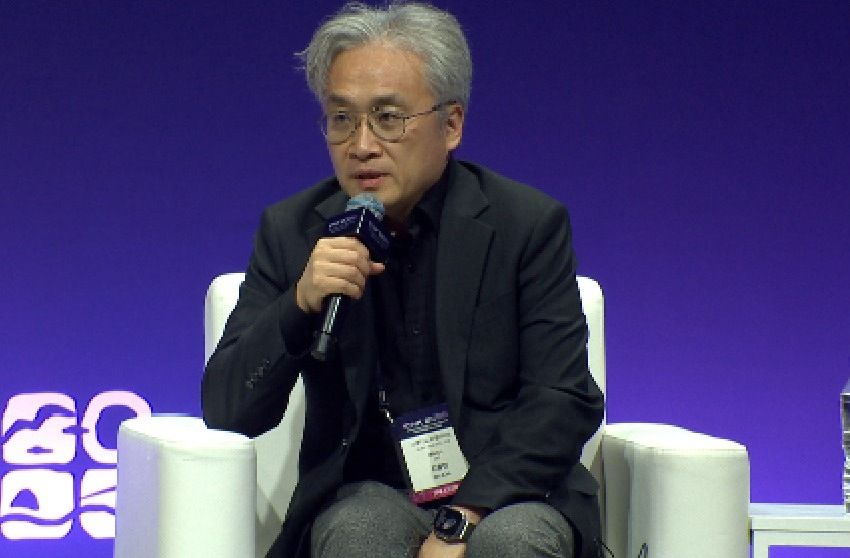
Kim Jong-min (김종민), CEO of Studio Realive (스튜디오 리얼라이브), showed the format behind the company's VR concert brand LYNKPOP at the ICNX 2026 roundtable at Songdo Convensia in Incheon on Nov. 3. "A headset is a device you wear alone, but the audience came to watch together," he said. Studio Realive is an SM Entertainment subsidiary.
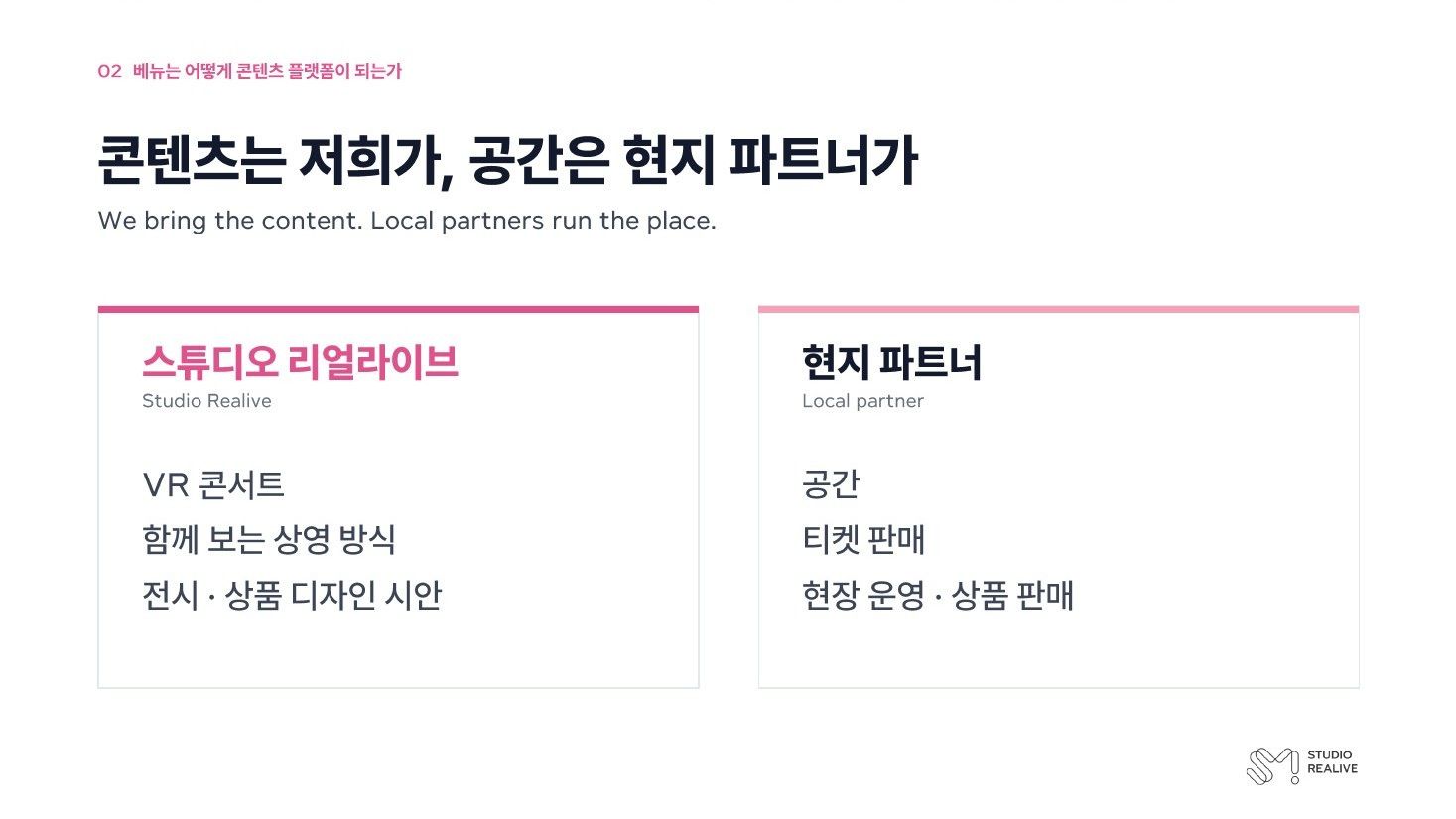
Studio Realive supplies the content and screening format; local partners run the space, ticketing and operations. "AI compresses the time to make. It cannot compress the time to relate," Kim said.
LYNKPOP: cinemas in season one, Meta Horizon in season two, overseas in 2026
Kim described Studio Realive as a bridge between content and audience, working with XR, immersive space, interactivity and AI. The company began in 2022 as Studio Kwangya and was renamed in 2023. Kim, a former XR programmer at the Bucheon International Fantastic Film Festival (BIFAN), became CEO in April 2026.
Season one screened aespa (2023) and KAI (2024) in cinemas; the aespa VR concert played Megabox COEX in 2023. Season two ran on Meta Horizon with i-dle, NCT DREAM, STAYC and RIIZE.
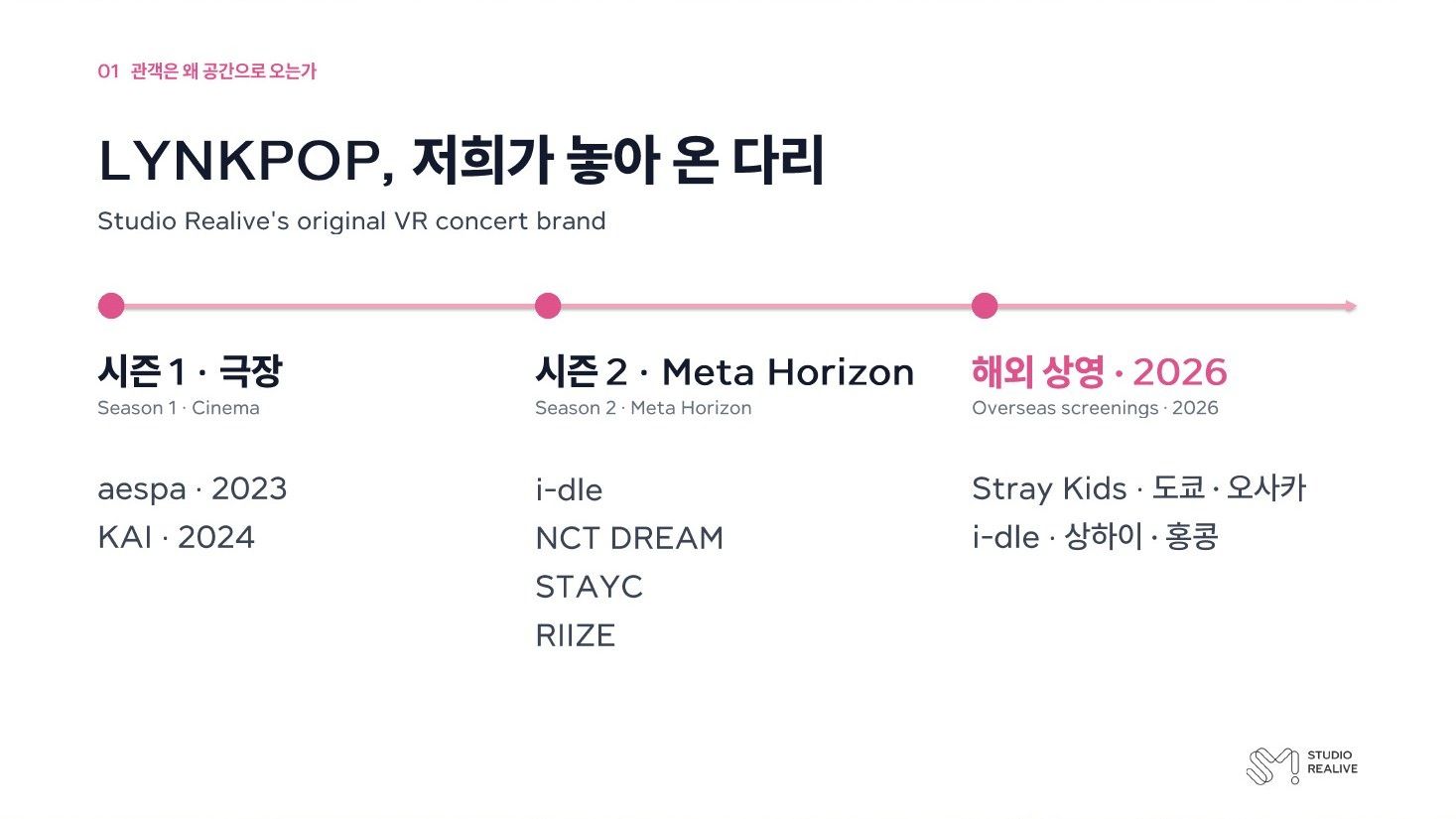
| Phase | Format | Artists |
|---|---|---|
| Season 1 | Cinema | aespa (2023), KAI (2024) |
| Season 2 | Meta Horizon | i-dle, NCT DREAM, STAYC, RIIZE |
| Overseas (2026) | Retail venue tour | Stray Kids (Tokyo, Osaka); i-dle (Shanghai, Hong Kong) |
LYNKPOP by season. Source: Studio Realive presentation, ICNX 2026
"A headset is made for one," yet fans came to Tokyo together
"A headset is made for one, and yet they came together to watch," Kim said, showing a 2026 screening in Tokyo. Fans want what they seek at signings and concerts, he said: to get closer to the artist and share the moment with other fans. The company also produced behind-the-scenes interviews and stage footage.
Audiences pay not to see a show again but for a distance only possible there, he said. Eye contact with an artist in VR is something no concert seat offers. He summed up the link between short video and venues as "Short-form is the door. Space is the home."
Tokyo department-store basement, Hong Kong malls: screening, exhibition and goods in one ticket
The screening rooms sit inside retail. Tokyo uses a department-store basement, Osaka the basement of a station-side retail complex, and Shanghai and Hong Kong shopping malls; Hong Kong was still showing at the time of the talk. A mall becomes a community hub where content, goods and the show sit together, Kim said.
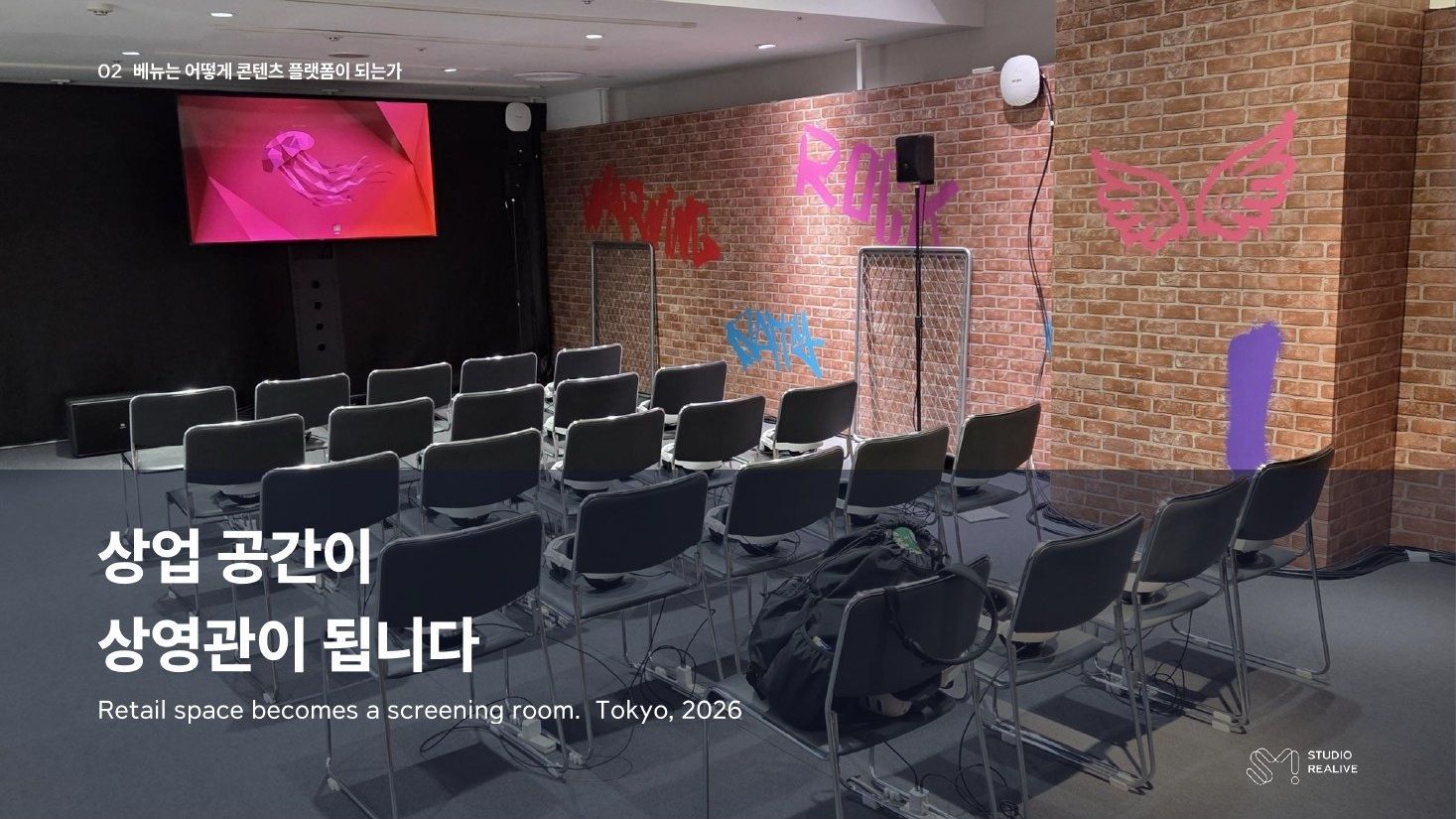
| City | Venue | Show |
|---|---|---|
| Tokyo | Department-store basement | Stray Kids |
| Osaka | Station-side retail complex, basement | Stray Kids |
| Shanghai | Shopping mall | i-dle |
| Hong Kong | Shopping mall (showing at time of talk); tickets via travel apps and convenience stores | i-dle |
LYNKPOP overseas venues, 2026. Source: Studio Realive presentation, ICNX 2026
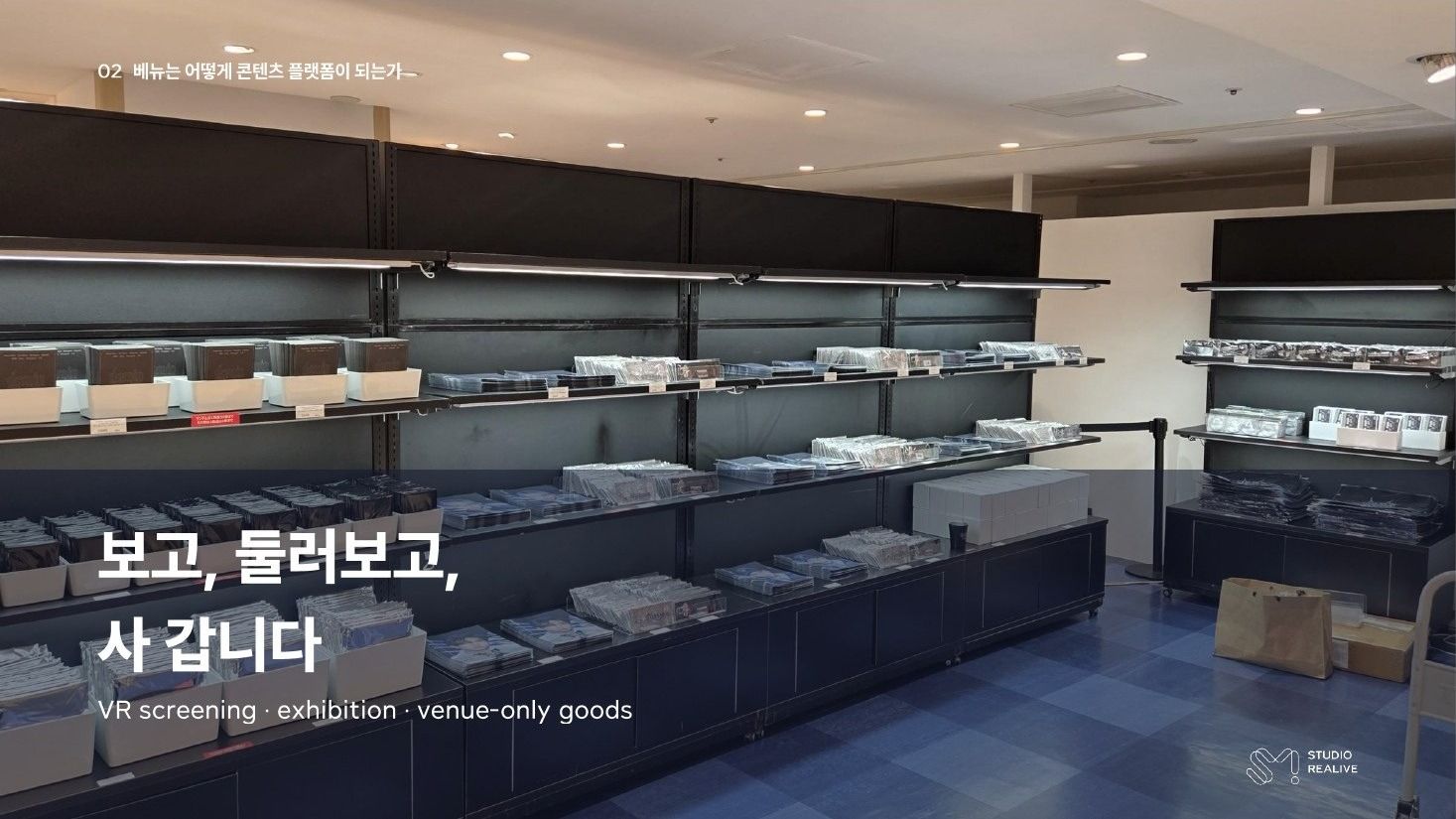
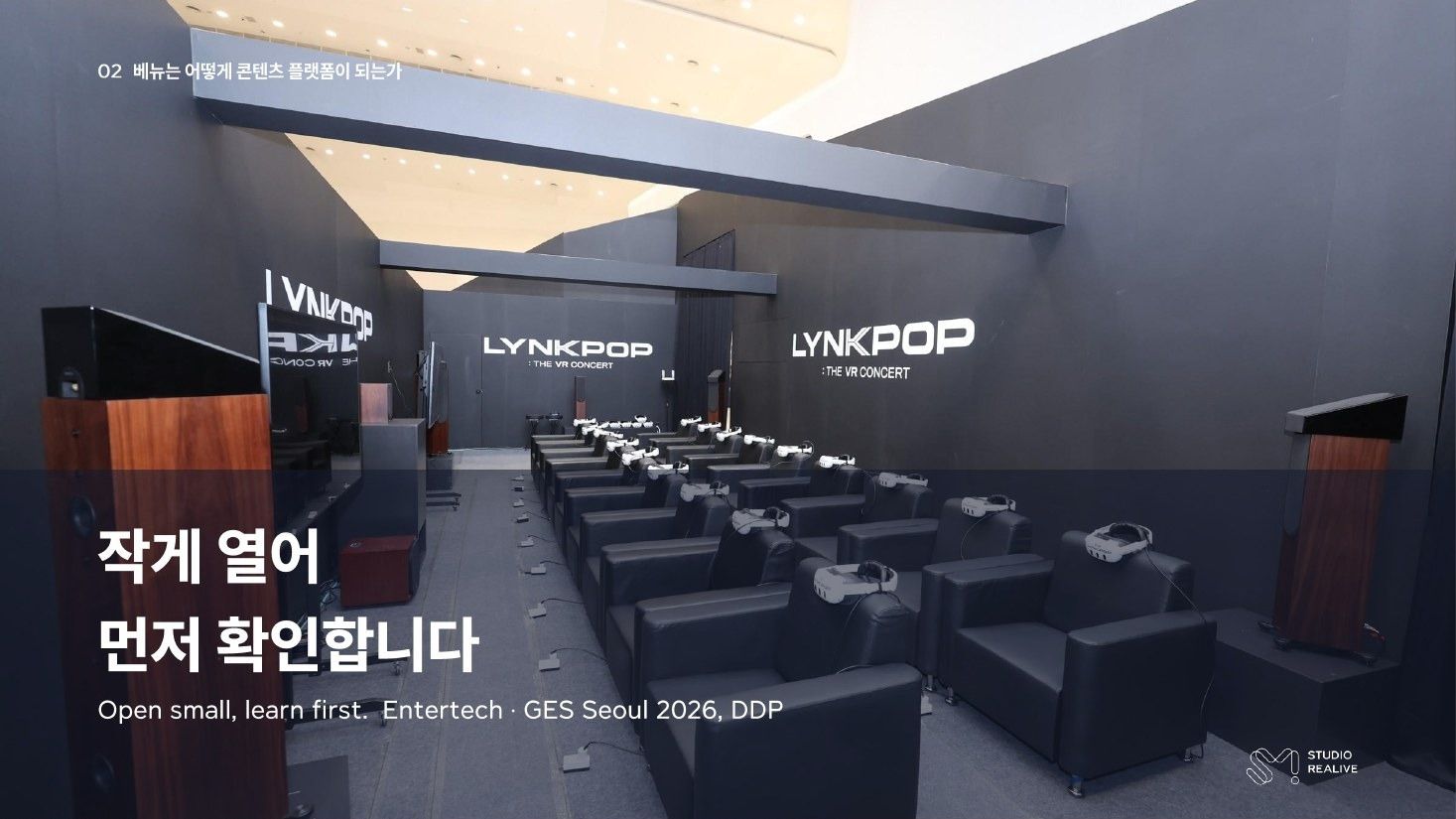
Content made once is reopened city by city. Studio Realive supplies the VR concert, the shared screening format and design drafts for exhibitions and goods. Local partners handle the space, ticketing, operations and merchandise. In Korea, the company opened a room at EnterTech·GES Seoul 2026 at Dongdaemun Design Plaza in September.
Three proposals: fund operating years, clear rights before the shoot, share data
Kim's first proposal was to invest in the years of operation as much as in the building, since relationships are built over operating time, not on opening day. The second was to clear rights to screens, regions and terms before filming, so the same content can reopen in more cities. The third was to share operating data rather than first-month numbers.
Asked about new venues and technology, he said content comes first and technology is a means. K-pop trends turn over in months, so a venue should be one layer of a larger system, keeping costs down and pushing content quickly to smart glasses, wearables and phones.
For VR concert tours, rights cleared before filming set the number of cities
Studio Realive runs VR concerts as a venue business. It uses retail space and local partners' ticketing networks, and earns from admission, venue-only goods and exhibitions.
Adding cities requires artists, labels and platforms to agree on screens, regions and terms before filming. Korean agencies and broadcasters reusing concert footage in VR or immersive formats will face the same condition. For local governments building content venues, operating years and data sharing become contract terms after completion.