
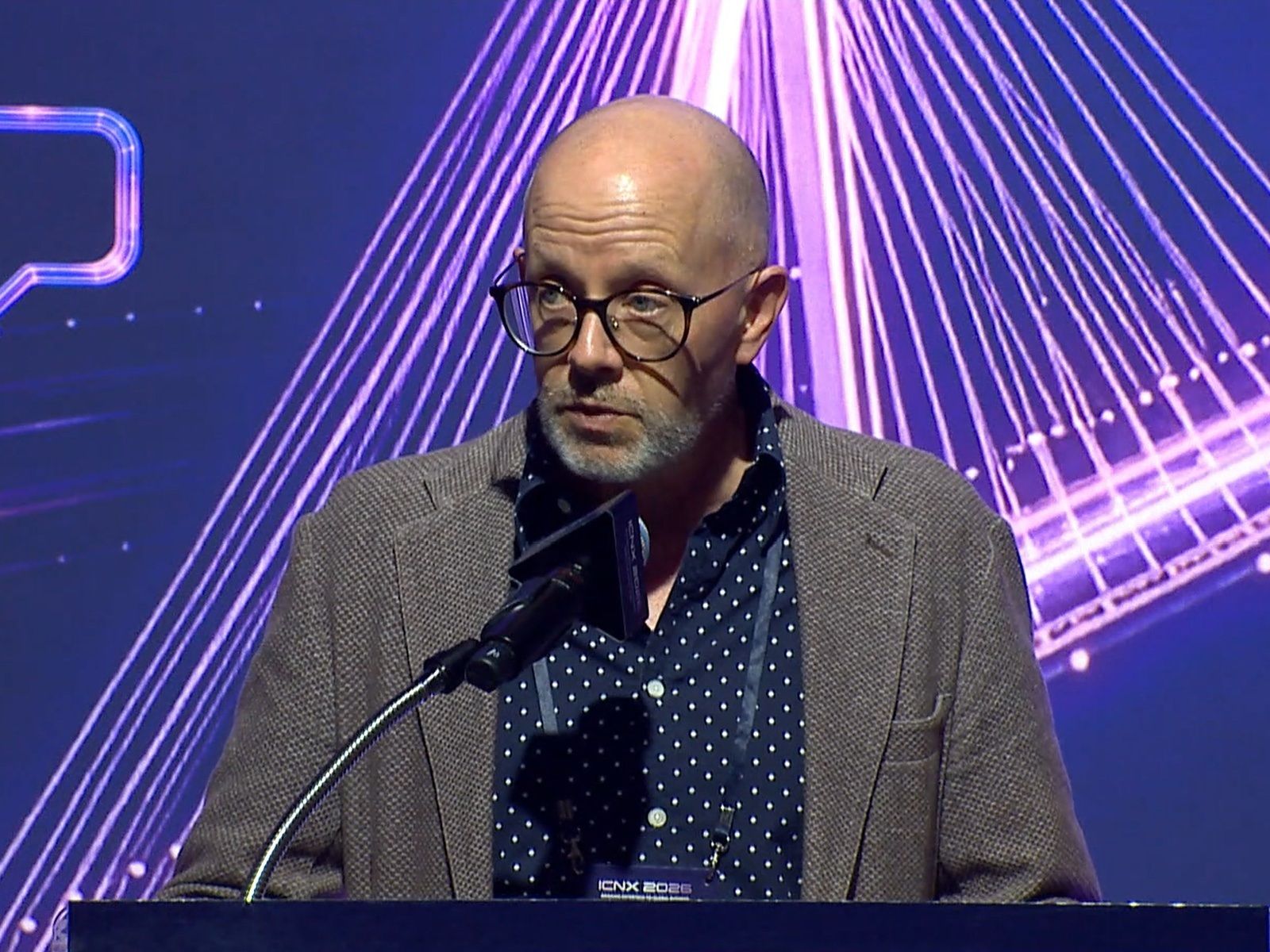
The Global Connects Media CEO at ICNX 2026: Lucky Star's Washimiya (5x shrine visitors, ¥3 billion over a decade) vs. Slam Dunk's Kamakura crossing (10,000 people in four days), and five conditions for K-Con Land
At ICNX 2026, Global Connects Media CEO Douglas Montgomery compared a town that shared the upside of screen fame with one that only absorbed its costs, and set five conditions for Incheon's K-Con Land, starting with a local broker.
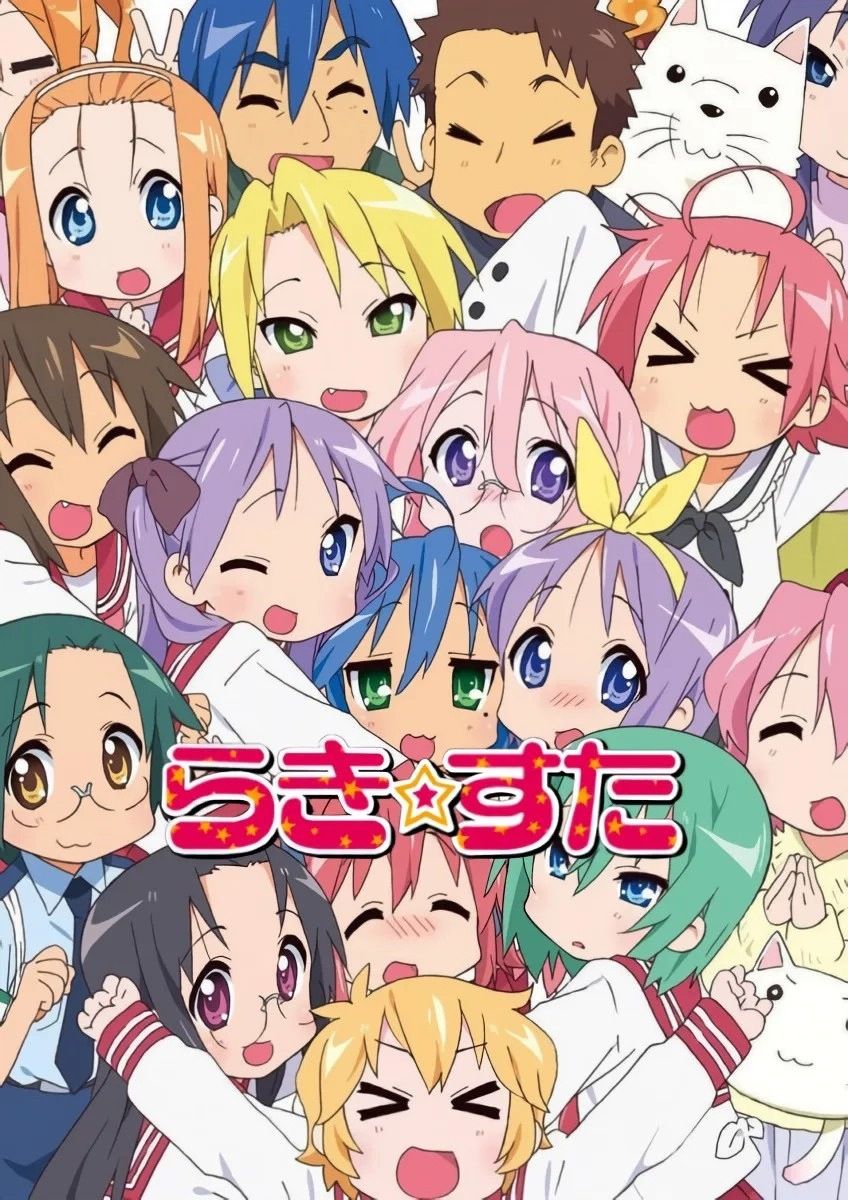
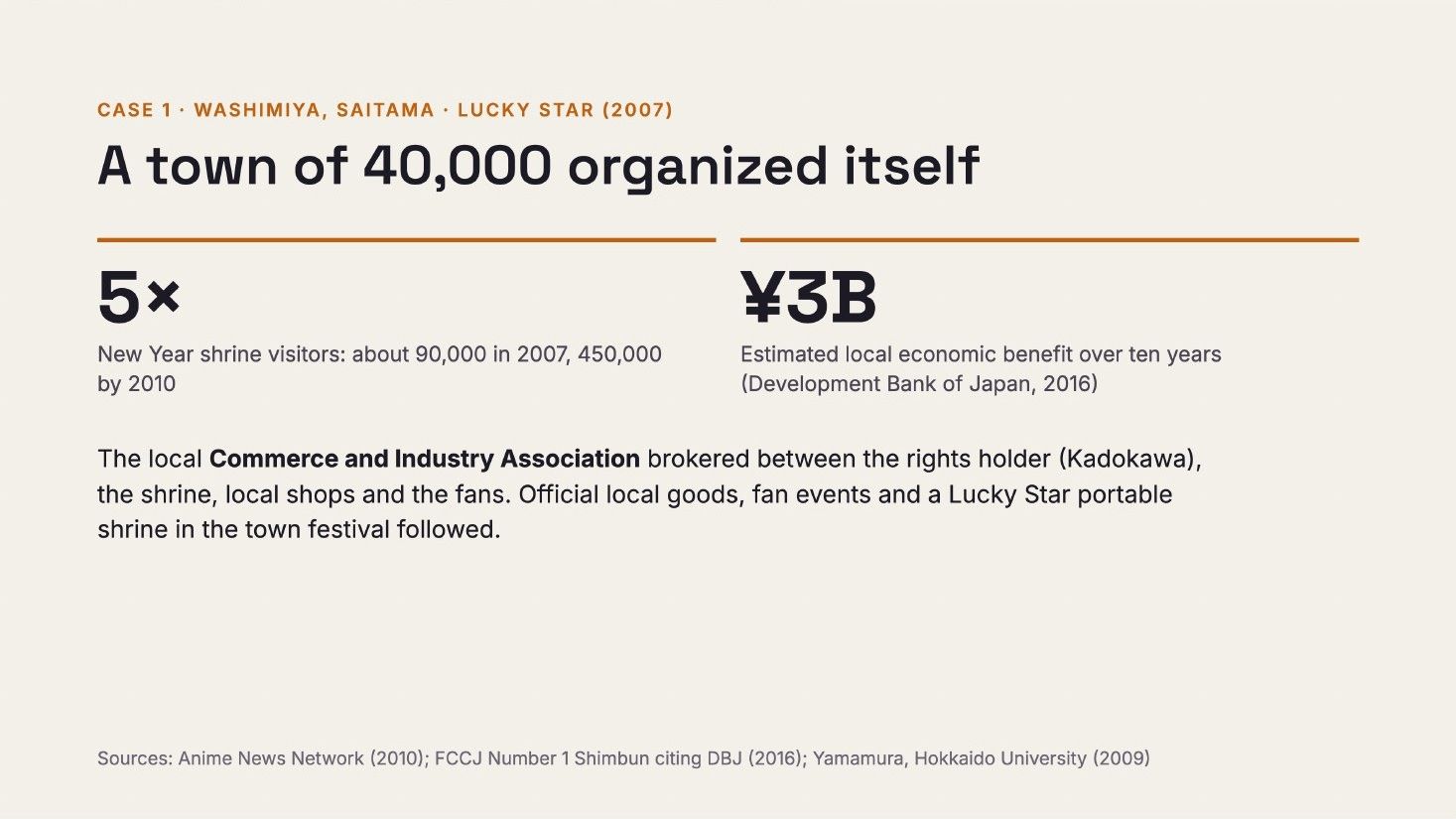
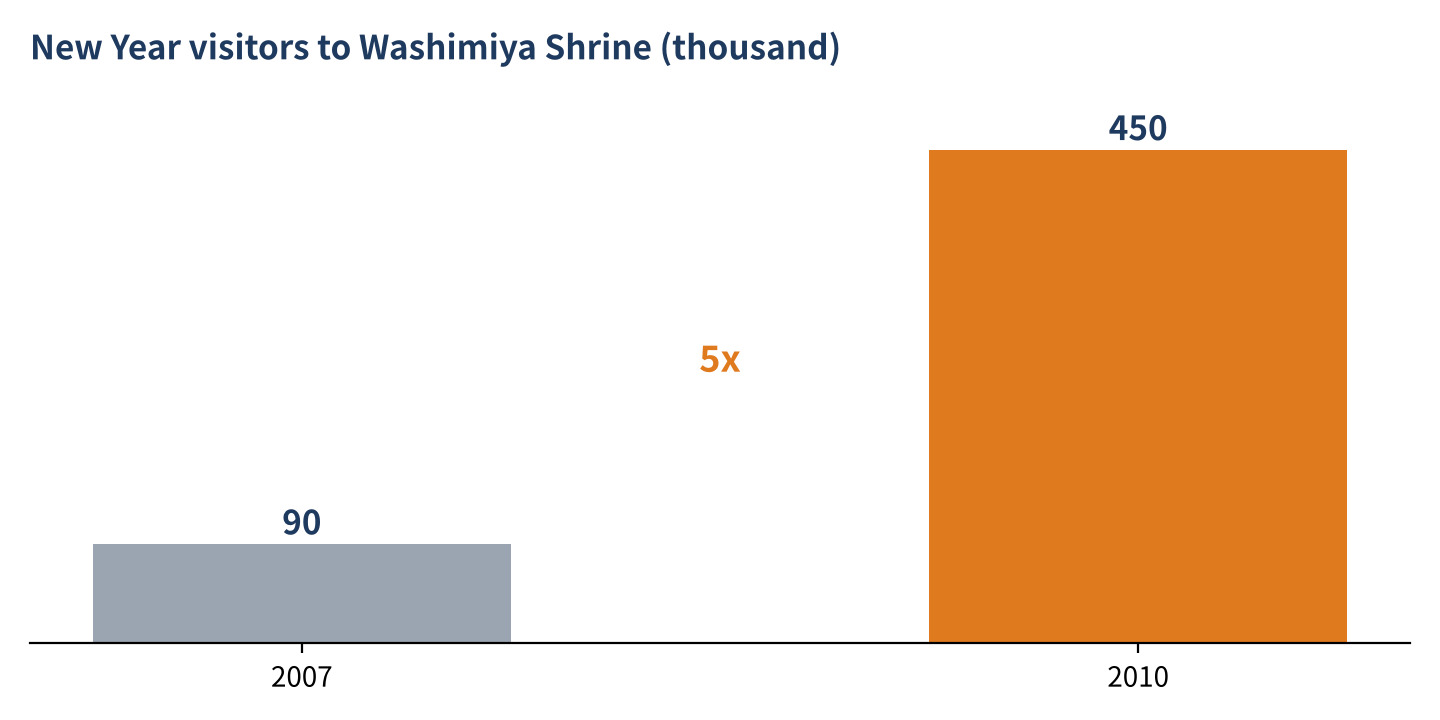
At the town festival in Washimiya, Saitama, a town of 40,000, a Lucky Star portable shrine (mikoshi) is carried through the streets. After the anime aired in 2007, New Year visitors to the town's shrine rose from 90,000 to 450,000 in three years. The Development Bank of Japan estimated the local benefit over ten years at ¥3 billion.
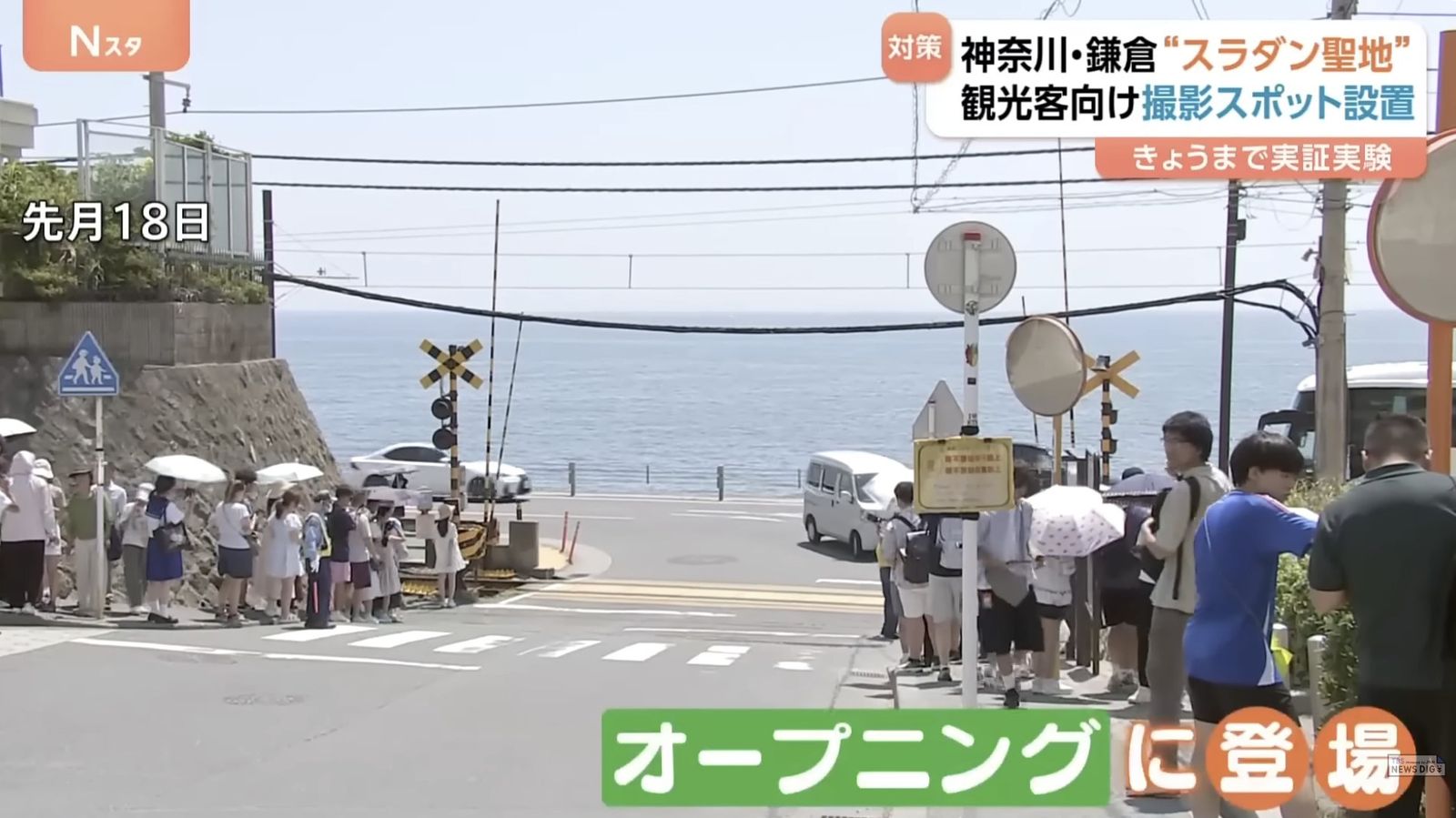
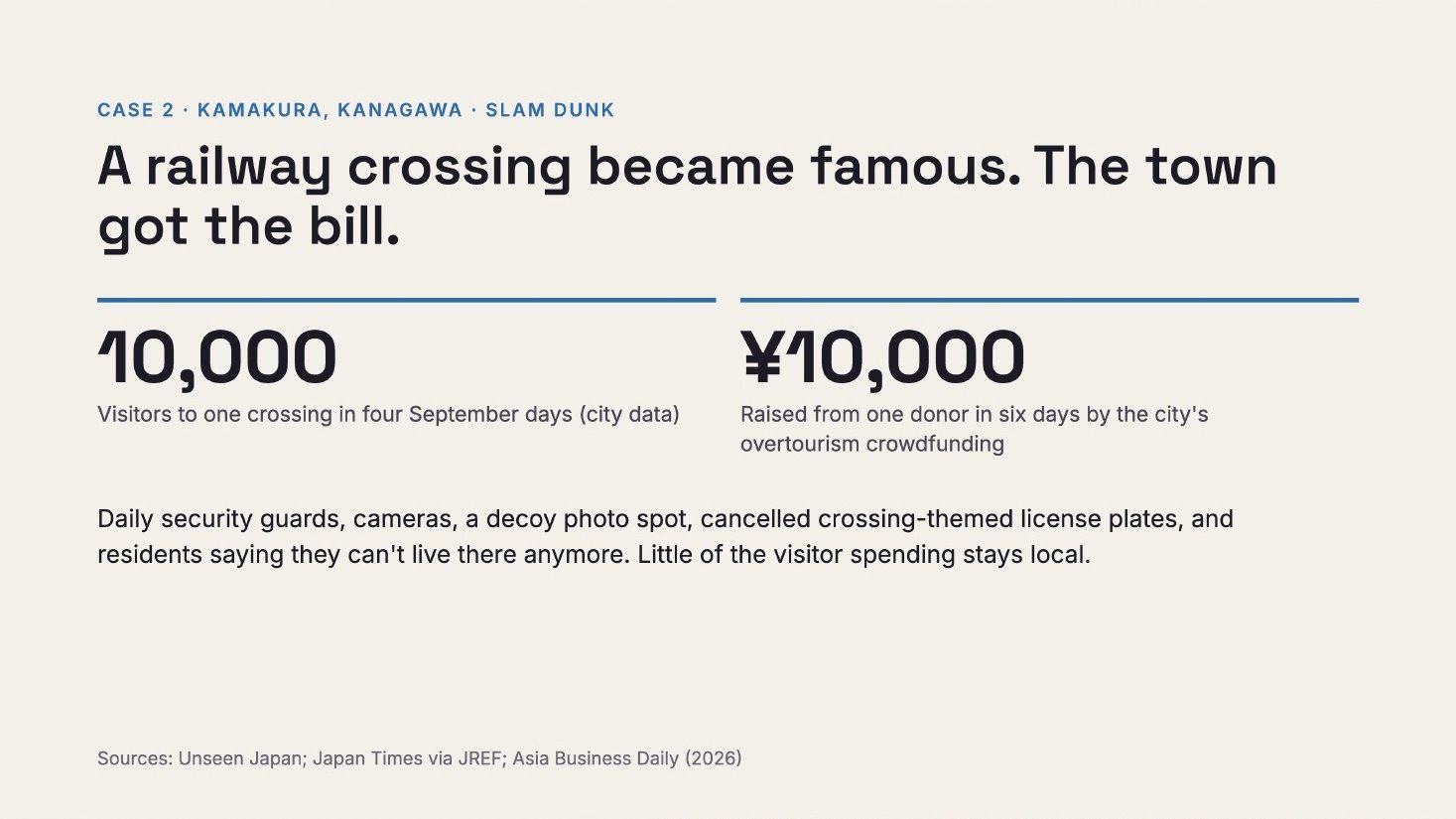
In Kamakura, Kanagawa, a railway crossing shown in the opening of Slam Dunk drew 10,000 people in four September days. The city posts guards there daily, and a crowdfunding drive to manage the crowds raised ¥10,000 in six days.
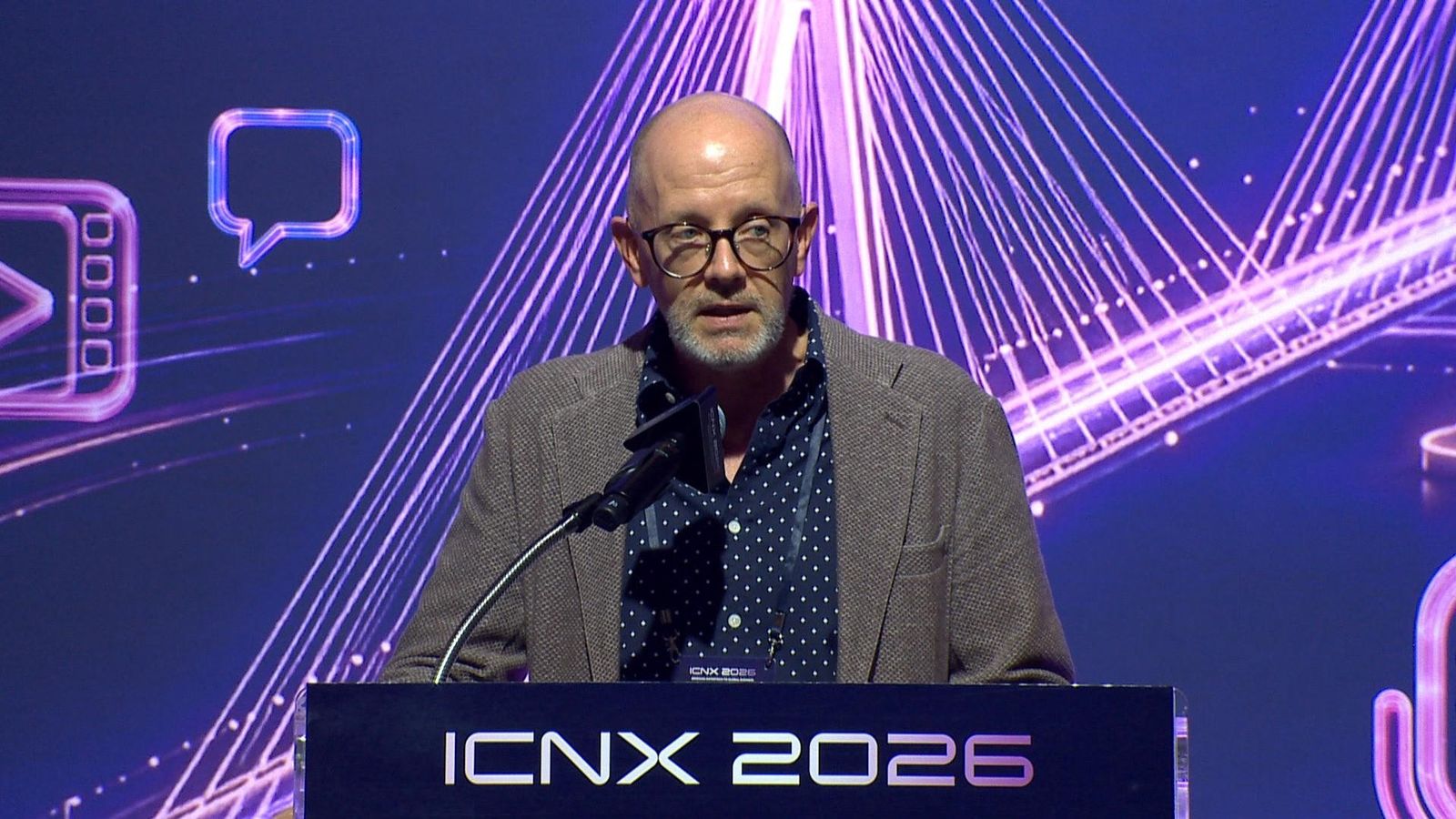
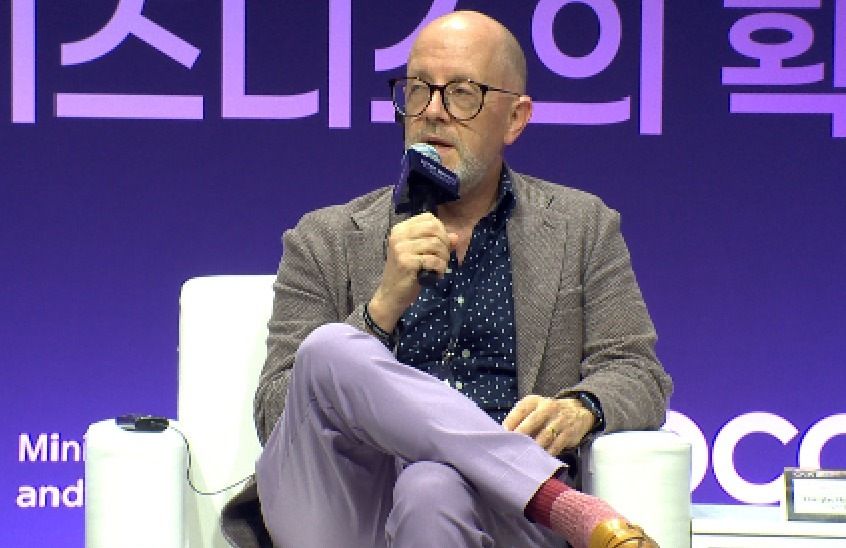
Douglas Montgomery, CEO of Global Connects Media, set the two side by side in "Backdrop or Partner?" at the ICNX 2026 roundtable at Songdo Convensia in Incheon on Nov. 3. "A backdrop absorbs the costs. A partner shares the upside," he said. Washimiya had a local business association that signed with rights holder KADOKAWA. Kamakura did not. Montgomery spent 17 years at Warner Bros. and runs the Global Stage Hollywood festival.
Of the Incheon Free Economic Zone Authority's target of 50 million visitors a year for K-Con Land, he said: "Fifty million visitors in a place where residents have no stake is Kamakura at scale."
About 100 Hollywood Sign residents sue; the Chamber of Commerce runs the Walk of Fame
On Oct. 26, about 100 residents living beneath the Hollywood Sign filed a public-nuisance complaint in Los Angeles County Superior Court against the city, Mayor Karen Bass and Councilmember Nithya Raman. They cited tourist traffic, trash, human waste and blocked fire access. "Visitors come for the sign. The neighborhood pays for it," Montgomery said.
The Hollywood Walk of Fame is administered by the Hollywood Chamber of Commerce. It was created about 70 years ago to draw visitors back after filming moved to Burbank and Culver City. The industry's most photographed sidewalk is run by local business, with studios and talent as customers.
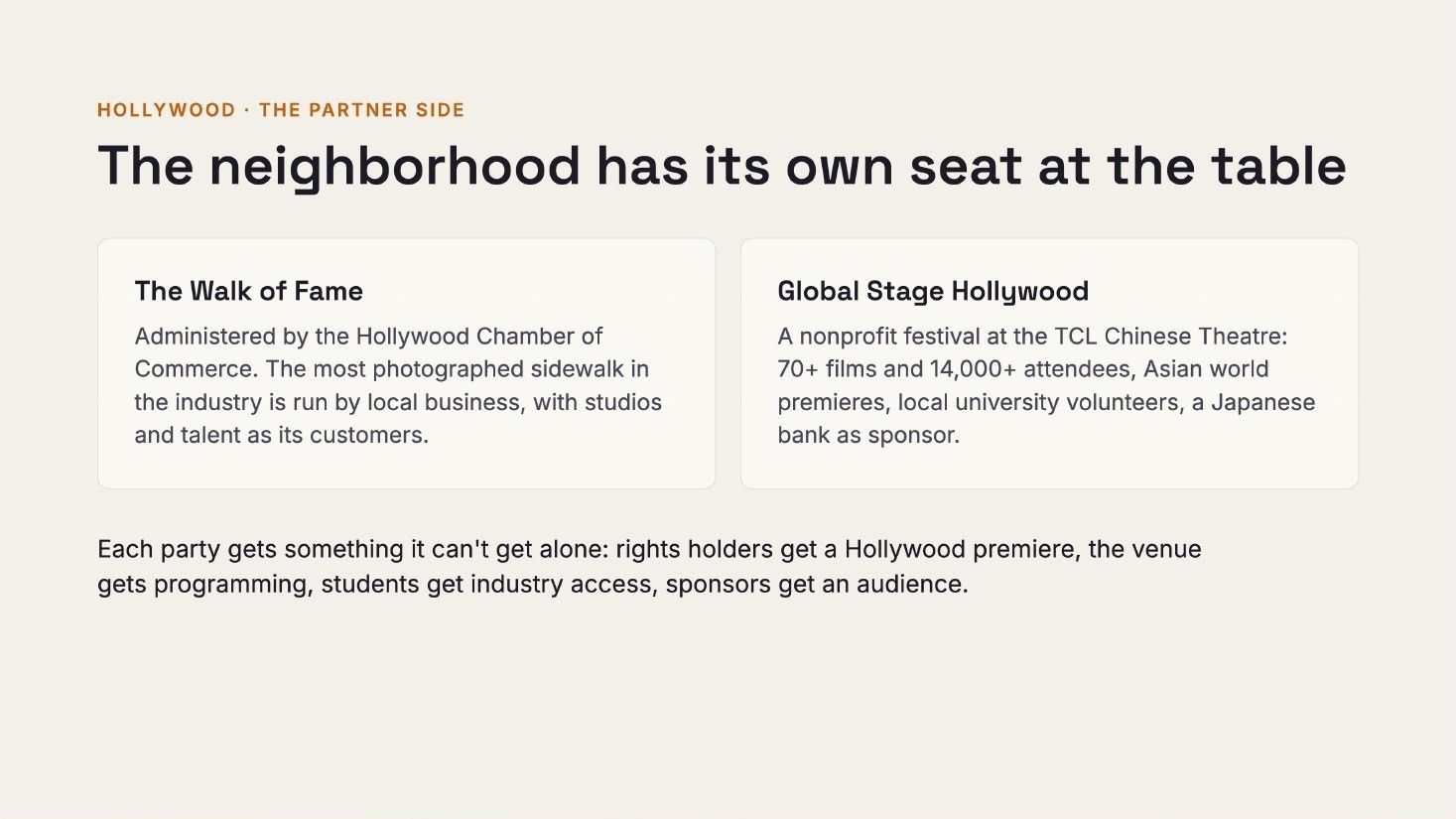
Global Stage Hollywood works the same way. The nonprofit festival, which Montgomery founded with his wife, screens more than 70 films at the TCL Chinese Theatre for over 14,000 attendees. Emerson College students volunteer, and a Japanese bank sponsors it.
| Party | What it gets |
|---|---|
| Rights holder | A Hollywood premiere |
| Venue (TCL Chinese Theatre) | Programming |
| Local students (e.g. Emerson College) | Industry access, priority entry |
| Sponsor (a Japanese bank) | An audience |
How Global Stage Hollywood works: 70+ films, 14,000+ attendees. Source: Douglas Montgomery presentation, ICNX 2026
Washimiya: 90,000 to 450,000 visitors and ¥3 billion; Kamakura: ¥10,000 raised in six days
In Washimiya, a town of 40,000, the local business association brokered between rights holder KADOKAWA, Washinomiya Shrine, shops and fans after Lucky Star aired in 2007. Official local goods and fan events followed, and a Lucky Star portable shrine joined the town festival. The town takes a share of licensing and sponsors festivals that manage the crowds. In 2016 the Development Bank of Japan put the local benefit over ten years at ¥3 billion.
In Kamakura, a Slam Dunk crossing drew 10,000 visitors in four September days, according to city data. The city posts guards daily and has installed cameras and a decoy photo spot. It cancelled crossing-themed license plates, and its overtourism crowdfunding raised ¥10,000 from one donor in six days. With no agreement with the work or its rights holder, Montgomery said, the town could not manage the crowds, and little visitor spending stayed local.
| Washimiya: partner | Kamakura: backdrop | |
|---|---|---|
| Local counterparty | Commerce and Industry Association | City reacting after the fact |
| Rights holder | Licensed local goods and events | No local tie-in |
| What visitors do | Buy, attend, carry the festival shrine | Take a photo, stand in the road |
| Outcome | An annual economy | An annual cost |
Same kind of hit, different local structure. Source: Douglas Montgomery presentation, ICNX 2026
Florence used its Hollywood awards footage to promote the Korean release
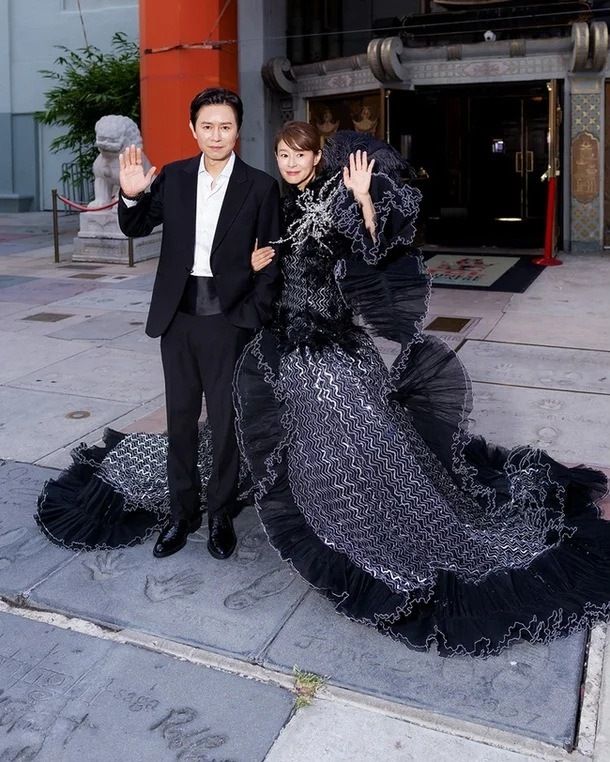
Director Lee Chang-yeol's (이창열) Florence Knockin' on You (피렌체) won best picture, best director and best screenplay at Global Stage Hollywood in October 2025, with leads Kim Min-jong (김민종) and Ye Ji-won (예지원) on the red carpet. The team arrived a week before the screening to shoot photos, video and interviews and used the premiere footage at home. "Partnerships go both ways," Montgomery said.
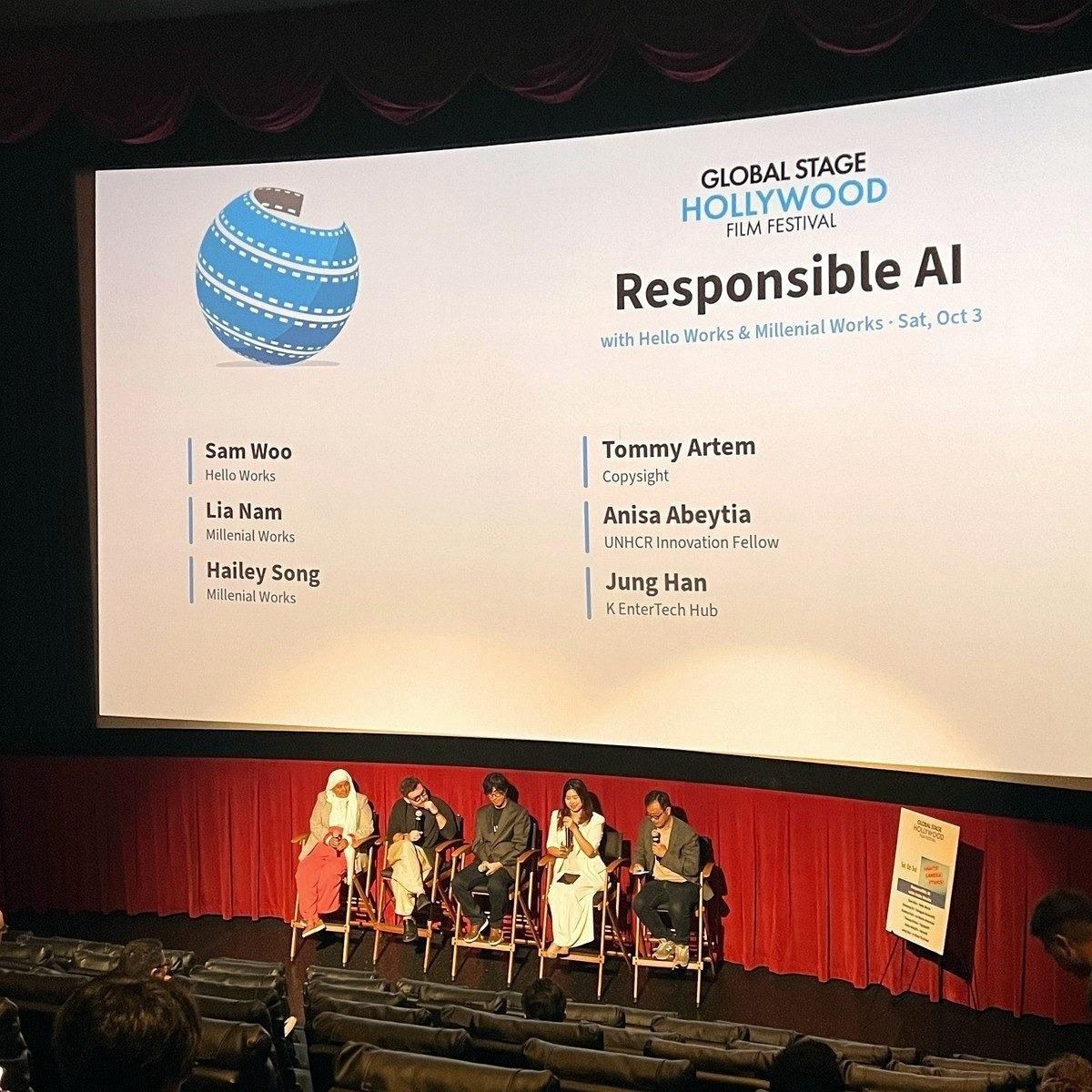
At this year's festival on Oct. 3, K-EnterTech Hub (K엔터테크허브) hosted a Korean session, "Responsible AI." HelloWorks (헬로웍스) presented its plan to revive Rayphie (라이파이), Korea's first science-fiction comic, as global IP, and Millennial Works (밀레니얼웍스) showed an AI idol-debut experience. The presenters then discussed rights and overseas expansion for AI content with panelists including Artem Petrov, CEO of AI rights-checking company CopySight.
The White Lotus chose Thailand; Crazy Rich Asians' subsidy and payoff landed in different countries
Montgomery cited his article on location choice for season three of HBO's The White Lotus. Producers considered Japan, but the support on offer fell short, and they chose Thailand, which has since added tourism products. Unlike a one-off such as the Osaka Expo, he said, a production that shows a place becomes "a commercial in perpetuity."
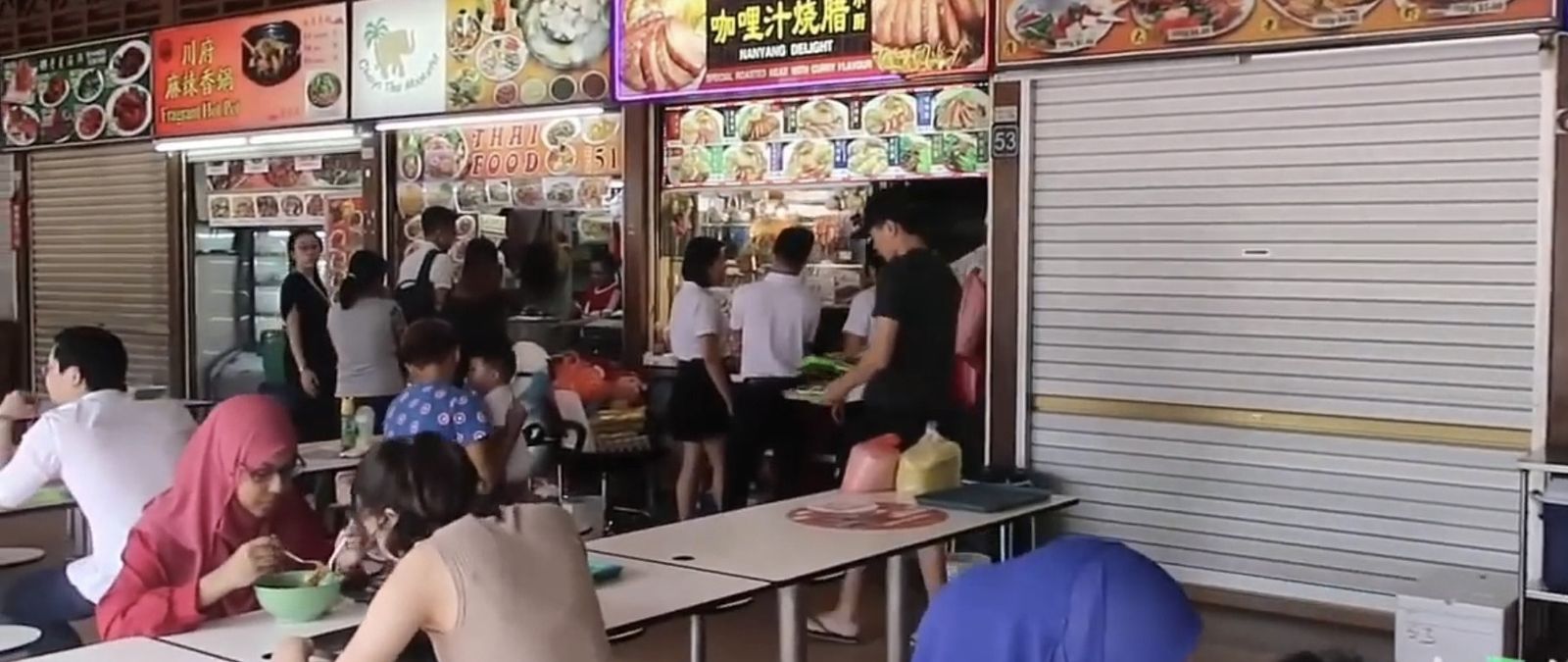
In the discussion he pointed to the 2018 film Crazy Rich Asians. Much of it is set in Singapore but was shot in Malaysia, whose government paid subsidies. Audiences remember the Singapore food-court scenes. "Singapore got the benefit; Malaysia paid," he said. Tokyo's Shitamachi area, a setting for HBO's Tokyo Vice, has drawn more visitors since the show aired.
K-Con Land's 50 million visitors: broker, licensing, fans, residents, demand data
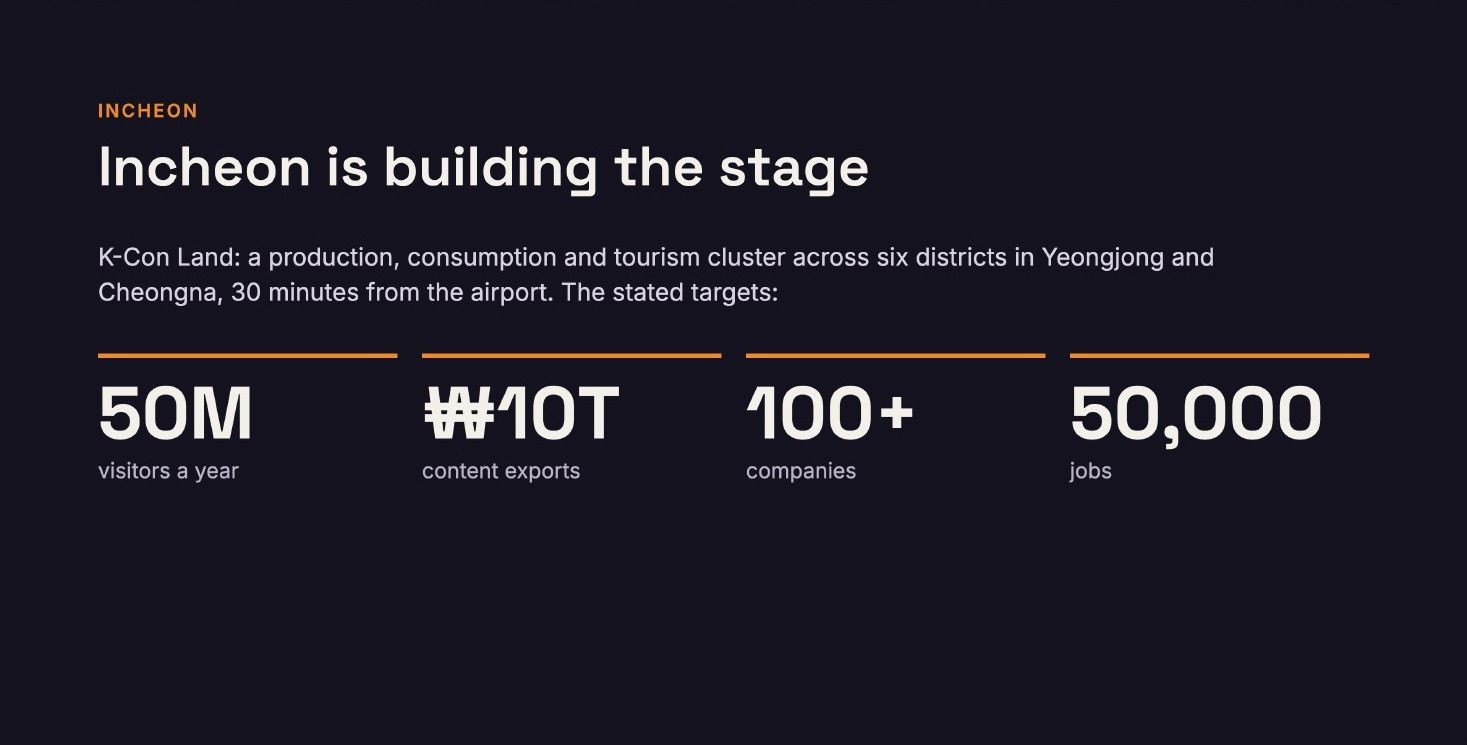
In 2025 the Incheon Free Economic Zone Authority announced K-Con Land across six districts in Yeongjong and Cheongna, targeting 50 million visitors a year, 10 trillion won in content exports, more than 100 companies and 50,000 jobs. Montgomery called these targets rather than results, but achievable.
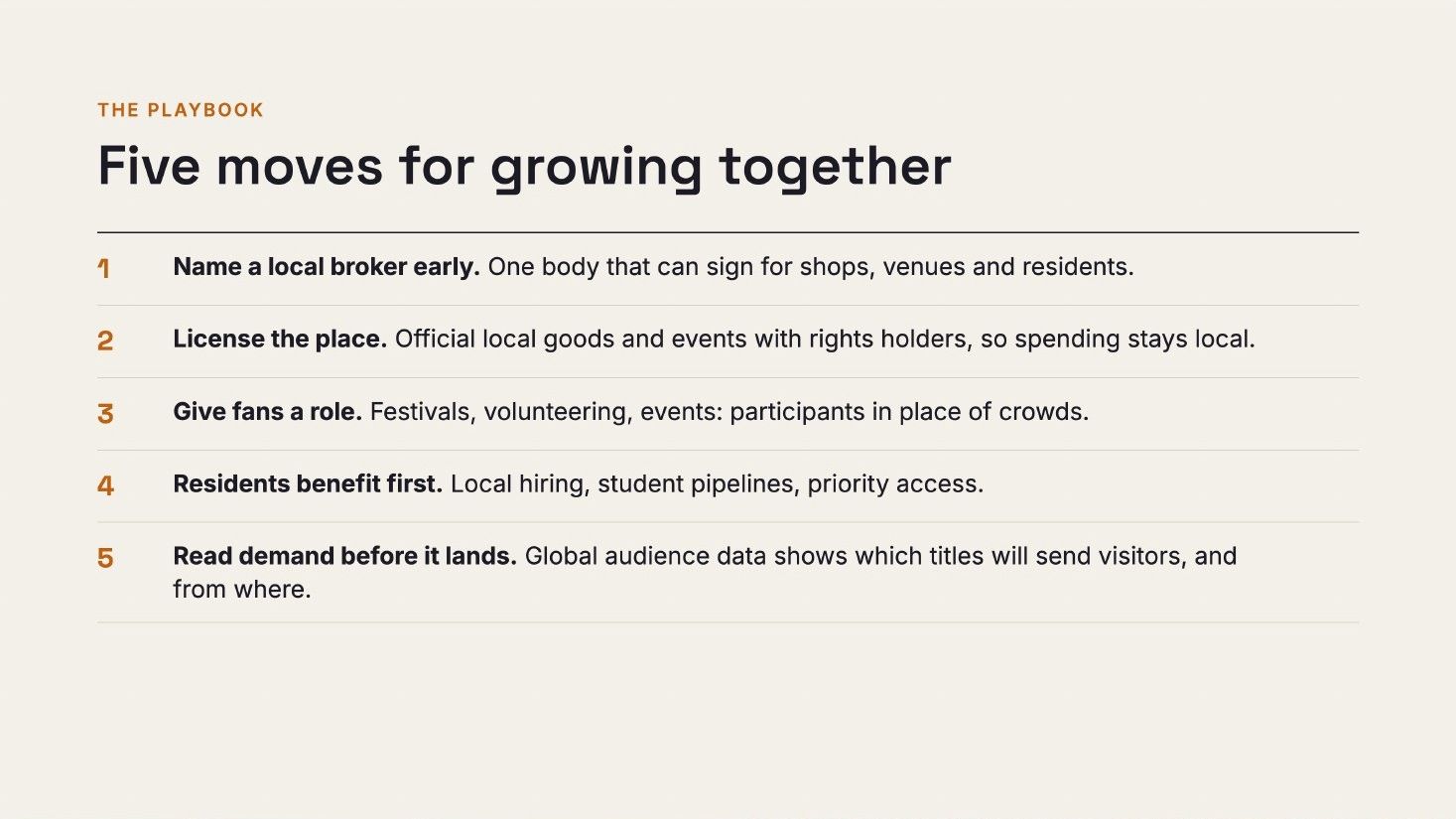
His five conditions: a local broker able to sign for shops, venues and residents; official goods and event licenses with rights holders; a role for fans in festivals and volunteering; benefits for residents through local hiring and student pipelines; and demand forecasts from global audience data. "Infrastructure brings people. Structure decides who benefits," he said.
For Incheon's EnterTech companies he named AR and XR wayfinding on the city's 3D map, ticketing and licensed-goods commerce, virtual production and AI localization. He closed with: "Be the partner, from day one."
Revenue-sharing and local hiring are the next terms in filming-support deals
In Washimiya and on the Walk of Fame, a local body designed the revenue structure with rights holders before visitors came. In Kamakura and beneath the Hollywood Sign, the response came after the crowds.
Korean local governments and film commissions attract dramas and films with production subsidies. Applied to those deals, Montgomery's conditions would add a regional share of post-broadcast goods, events and tour revenue, plus local hiring. For broadcasters and producers, what a city receives for sponsorship would widen from on-screen exposure to joint licensing and event operations.