
ICNX 2026 roundtable: Lucky Star's Washimiya earned ¥3 billion over a decade, Slam Dunk's Kamakura got a security bill, and Incheon's 50-million-visitor K-Con Land is asked what residents will get
At ICNX 2026, Nevada, Hollywood and Korean speakers discussed turning screen fame into local income. Washimiya, which signed with the rights holder first, gained ¥3 billion in ten years; Kamakura, with no deal, paid for security. Eight in ten visitors to Korea saw Korean shows on Netflix first.
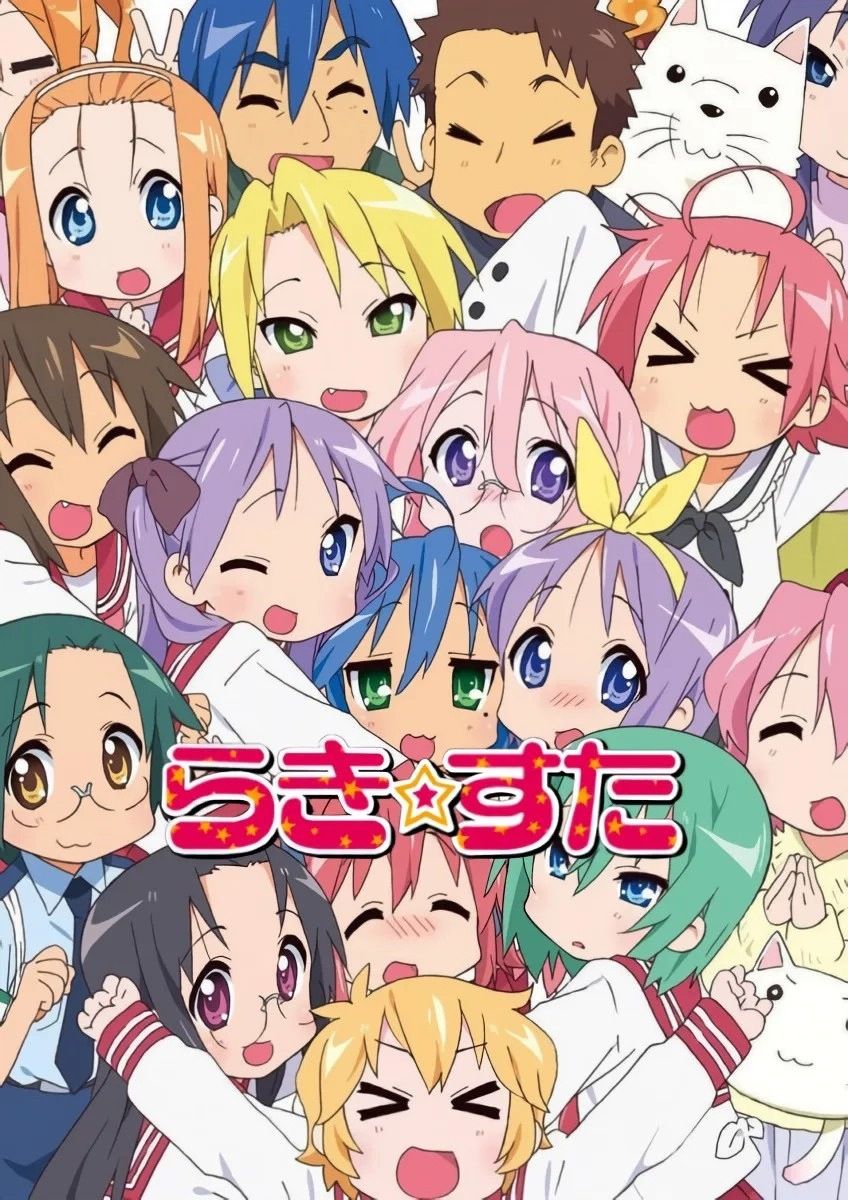
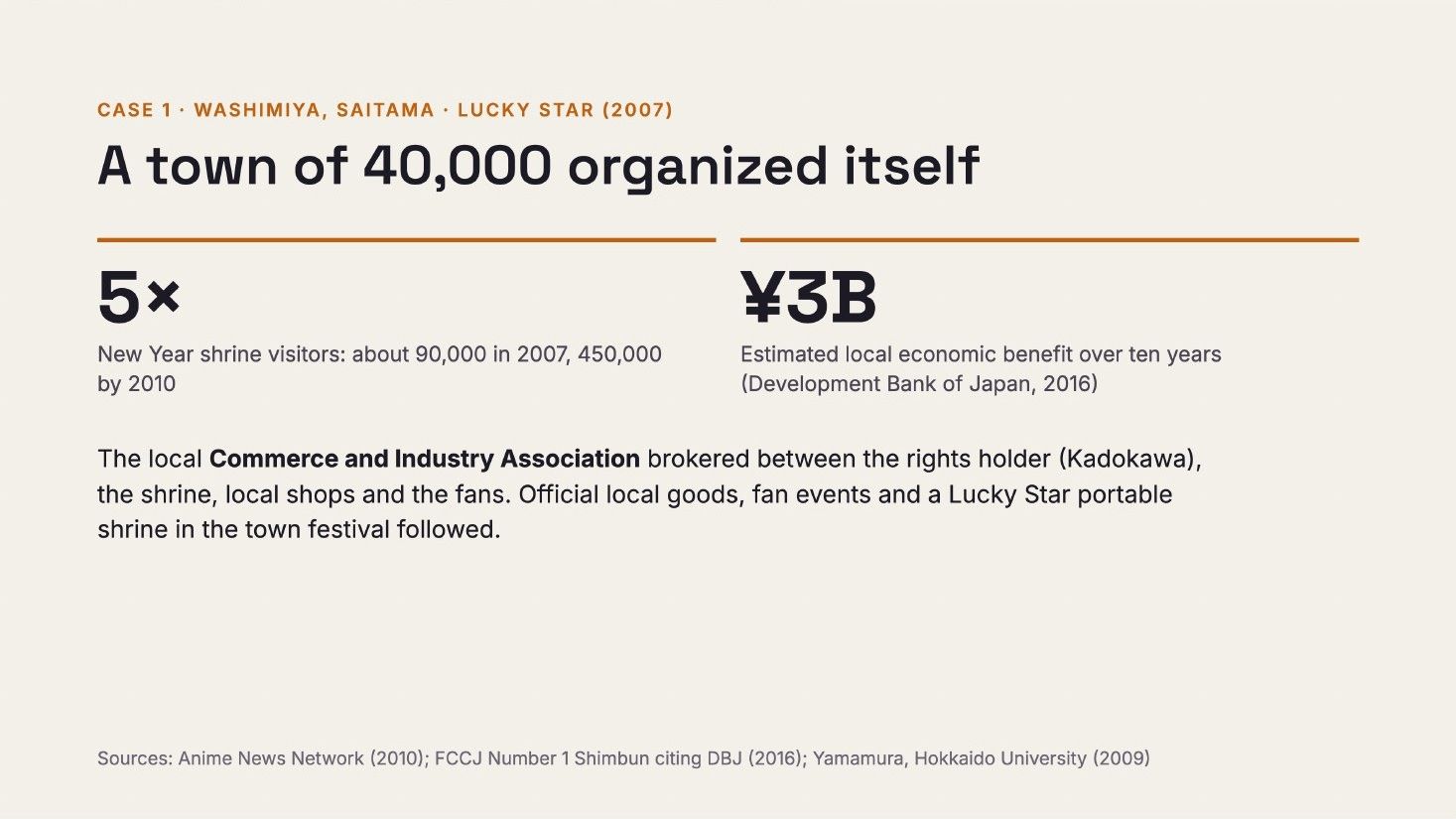
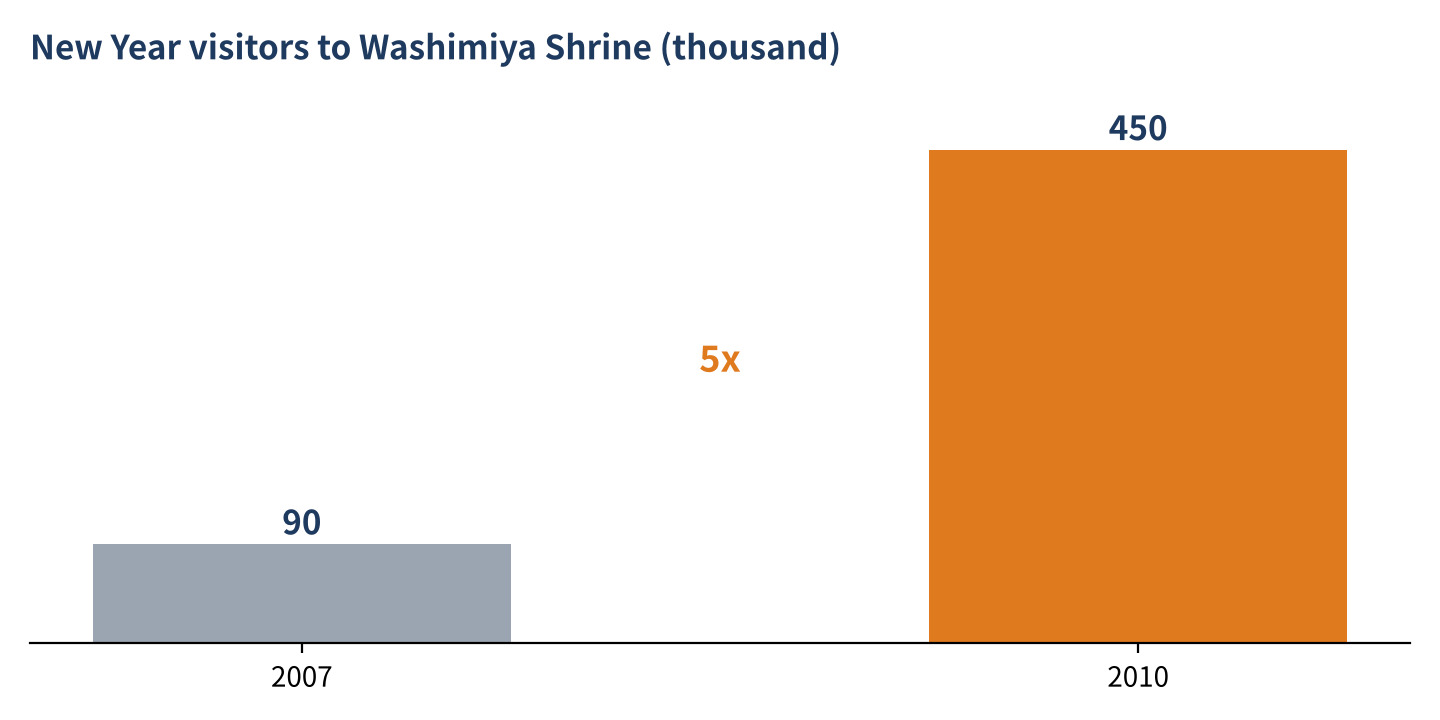
In the 2007 anime Lucky Star, the Hiiragi sisters live at a Shinto shrine. New Year visitors to the real shrine it was modeled on, in Washimiya, Saitama, rose from 90,000 that year to 450,000 in 2010. The Development Bank of Japan later put the local benefit over ten years at ¥3 billion.
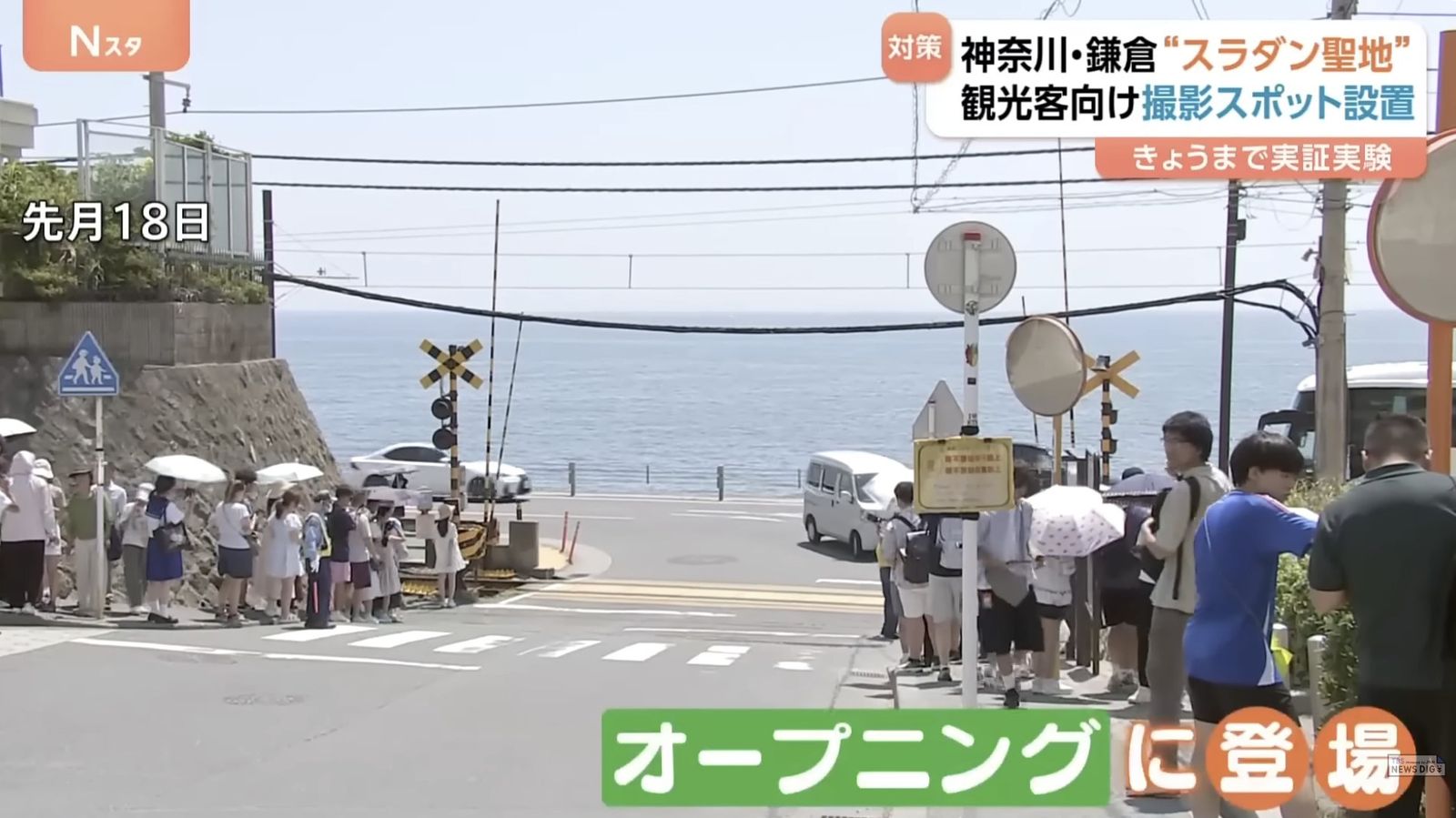
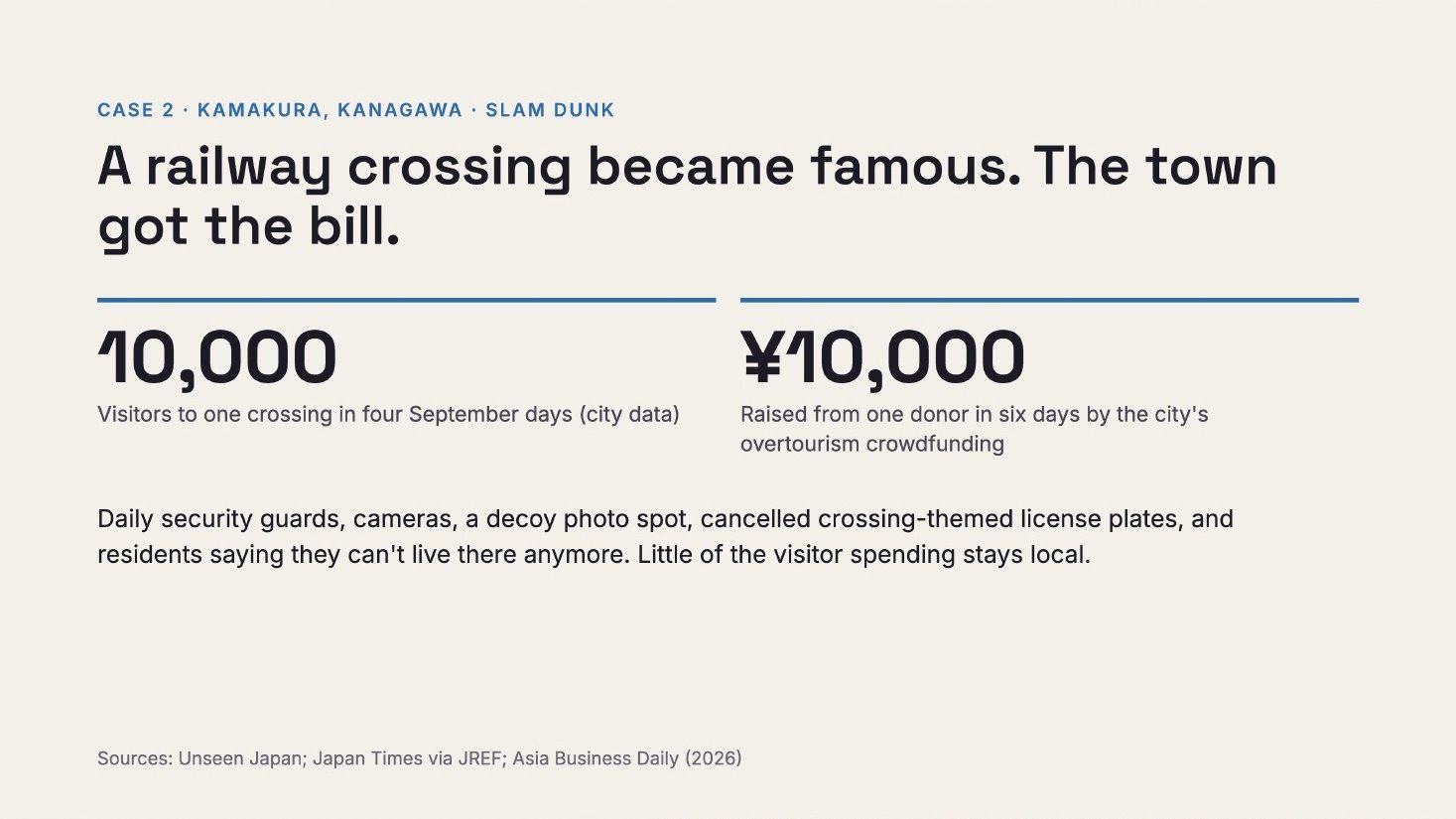
A railway crossing in Kamakura, Kanagawa, shown in the opening of Slam Dunk, tells a different story. It drew 10,000 people in four September days, and the city now posts guards there daily. A crowdfunding drive to manage the crowds raised ¥10,000 in six days.
The difference was how each handled contracts, and with them the value of the IP. In Washimiya, the local business association worked with rights holder KADOKAWA, the shrine and shops to produce official goods and a festival. Kamakura took the crowds with no agreement at all.
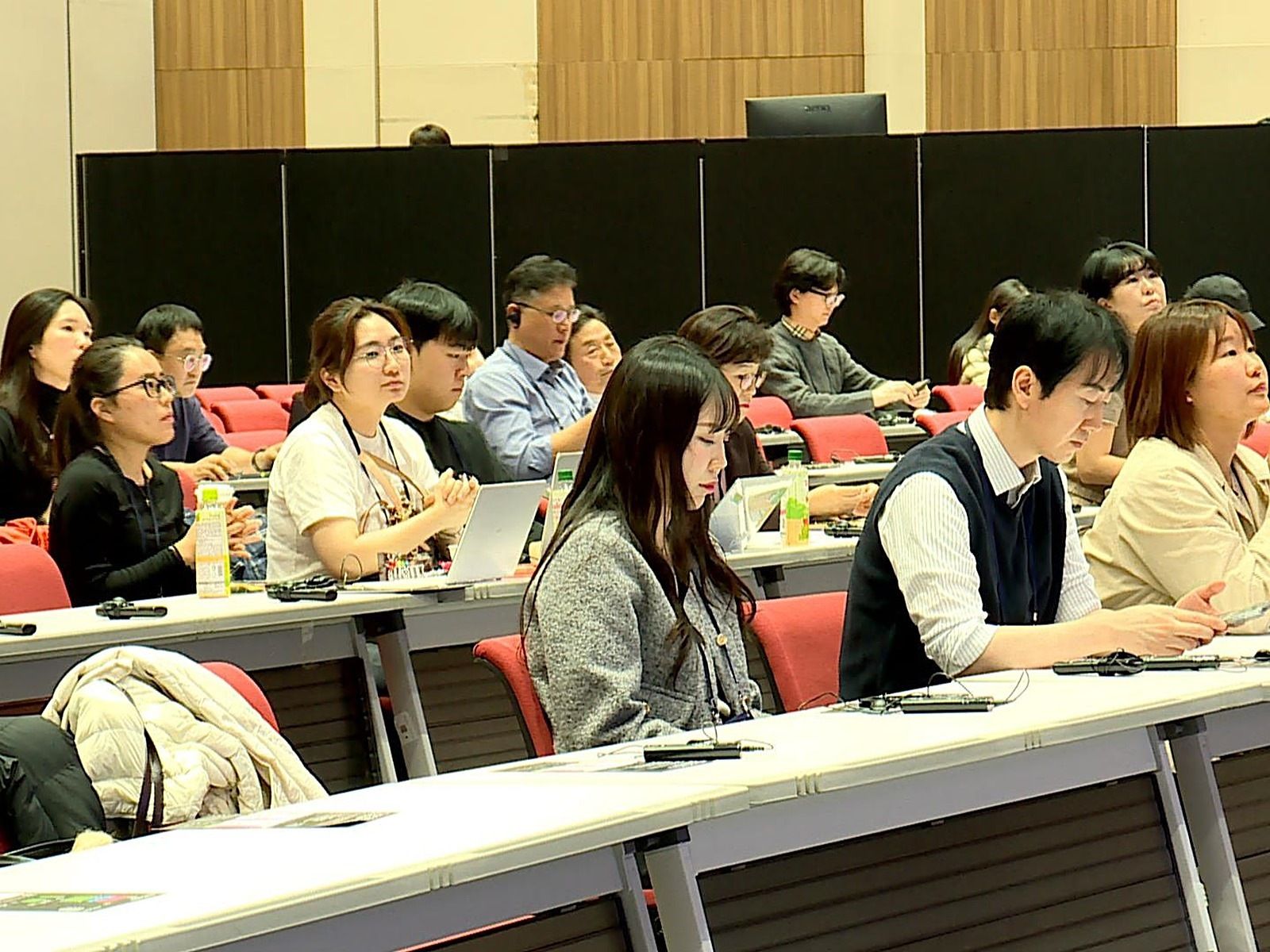
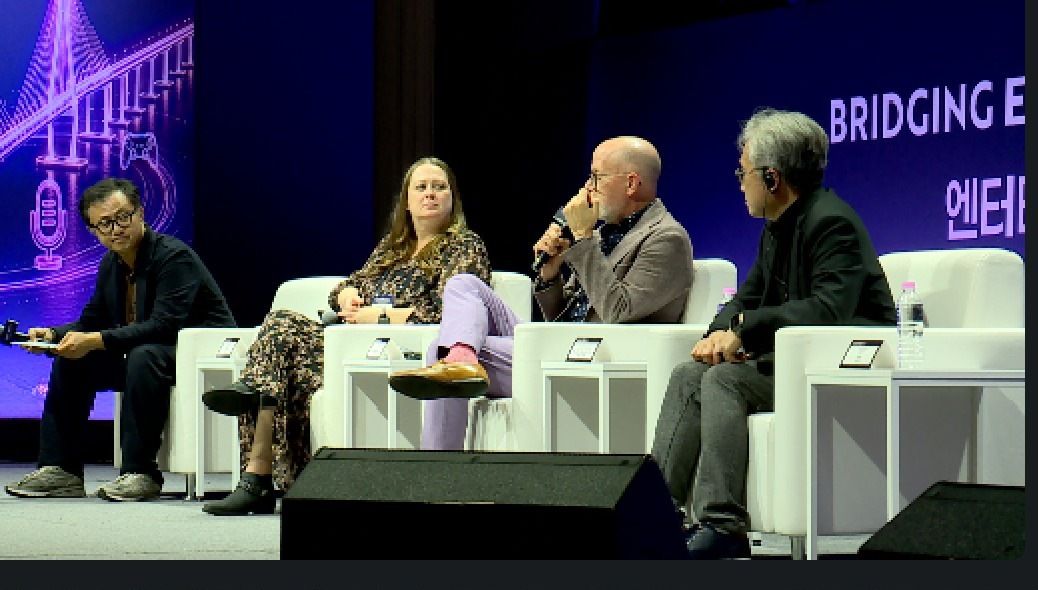
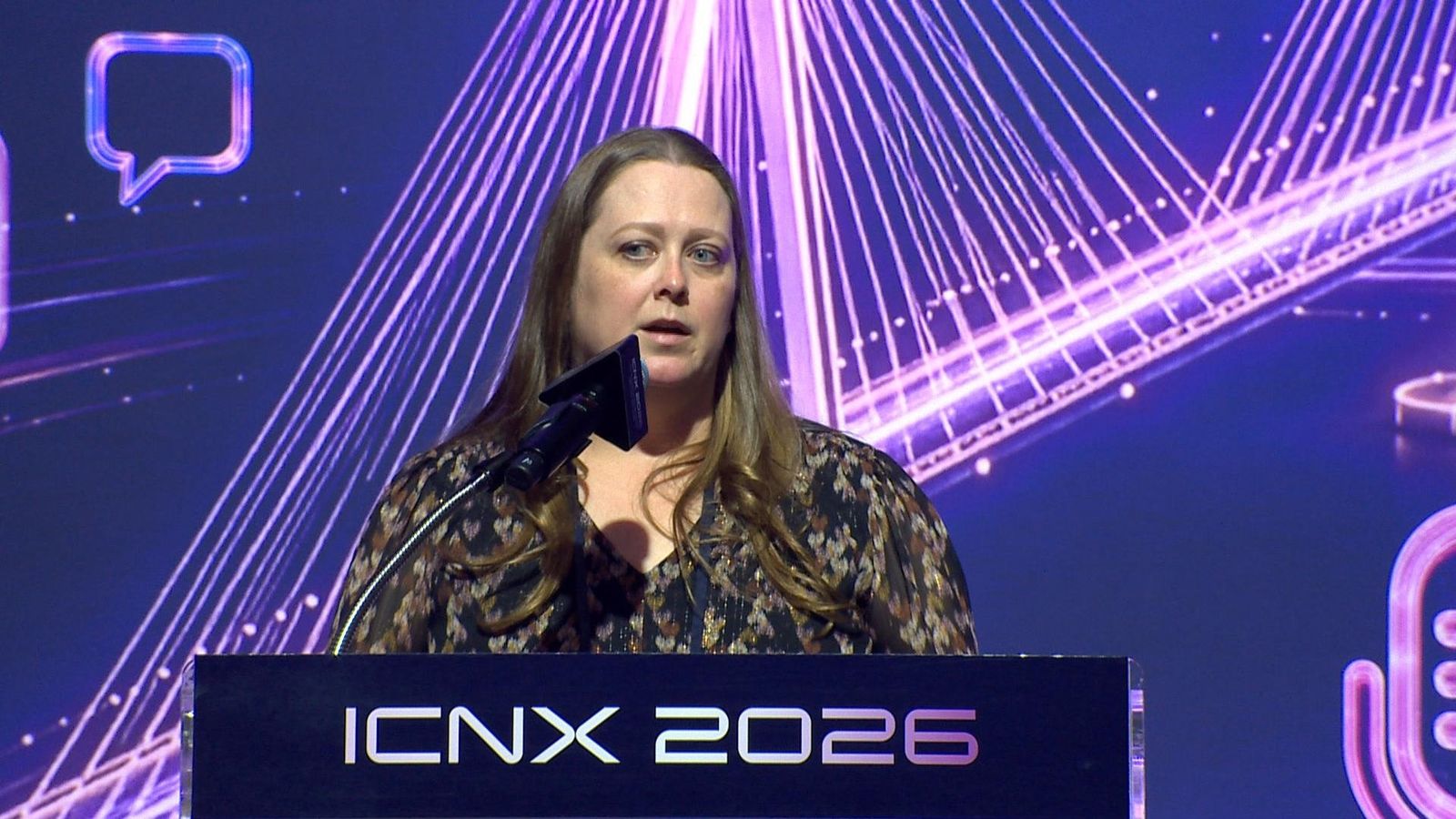
"A backdrop absorbs the costs. A partner shares the upside," Douglas Montgomery, CEO of Global Connects Media, said as he set the two side by side at the ICNX 2026 roundtable "How do cities and venues become content platforms?" at Songdo Convensia (송도컨벤시아) in Incheon on Nov. 3.
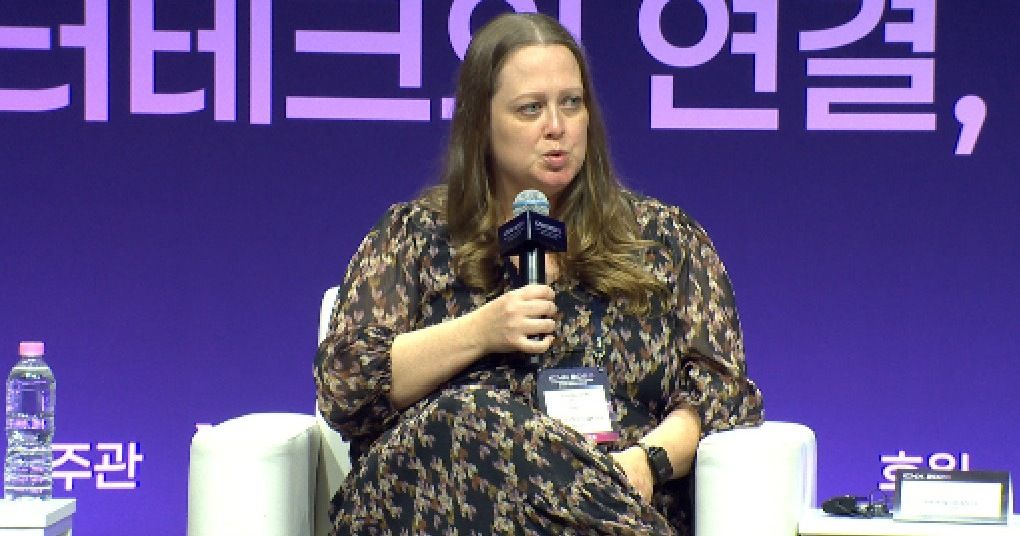
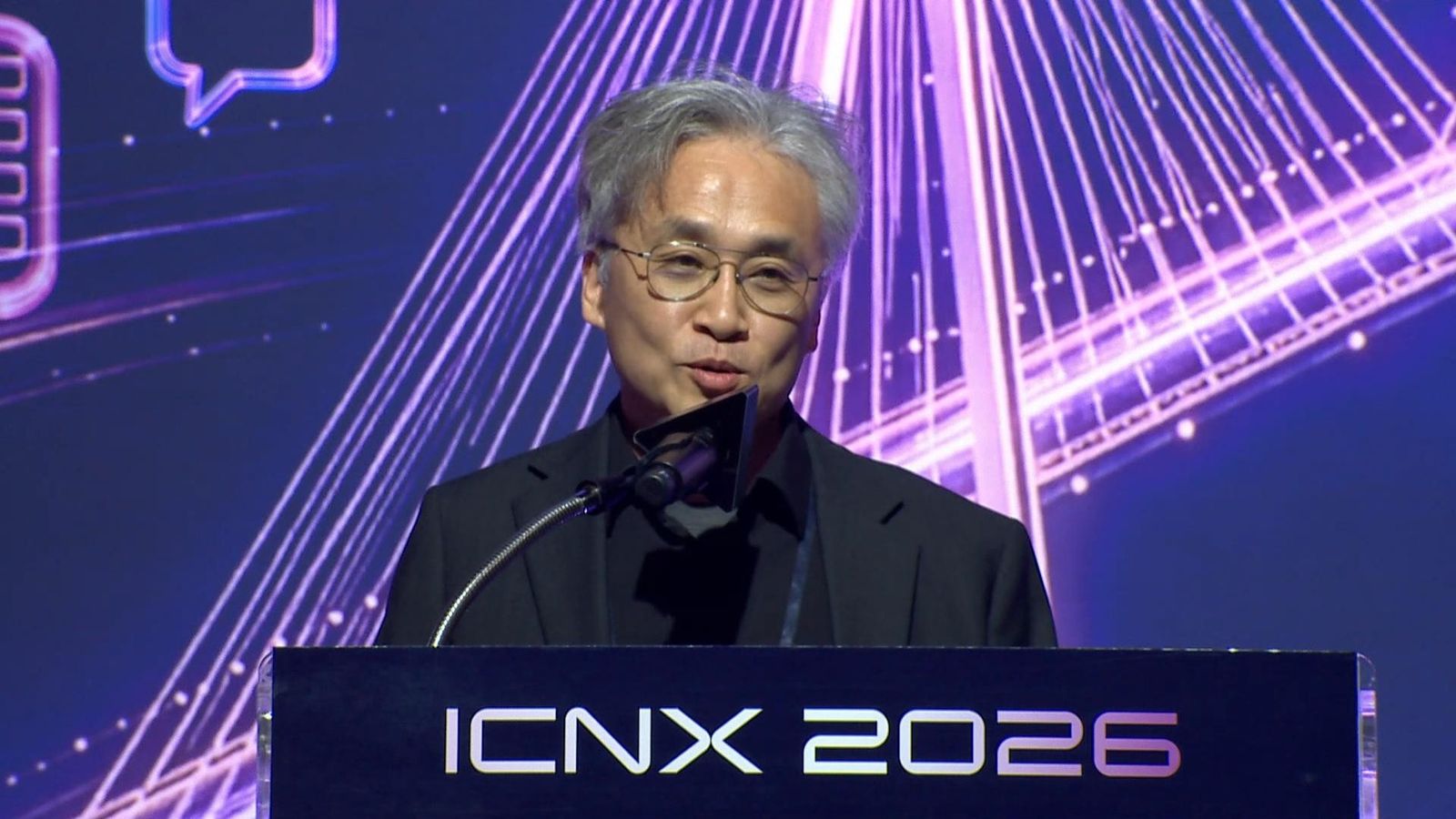
He was joined by Kim Spurgeon, director of the Nevada Film Office, and Kim Jong-min (김종민), CEO of Studio Realive (스튜디오 리얼라이브). Jung Han (한정훈), CEO of K-EnterTech Hub (K엔터테크허브), moderated. The talk turned to Incheon.
The Incheon Free Economic Zone Authority has set a target of 50 million visitors a year for K-Con Land. "Fifty million visitors in a place where residents have no stake is Kamakura at scale," Montgomery said. Spurgeon called for night-time attractions to hold visitors before they leave for Seoul; Kim called for investment in the years after a venue opens.
Washimiya: 90,000 to 450,000 shrine visitors; Kamakura: ¥10,000 raised in six days
In Washimiya, a town of 40,000, the local business association brokered between KADOKAWA, Washinomiya Shrine, shops and fans after Lucky Star aired. Official local goods and fan events followed, and a Lucky Star portable shrine joined the town festival. The town takes a share of merchandise licensing and sponsors festivals that manage the crowds. Montgomery said the arrangement has provided annual income for nearly 20 years.
In Kamakura, a Slam Dunk crossing drew 10,000 visitors in four September days, according to city data. The city posts guards daily and has installed cameras and a decoy photo spot. It cancelled crossing-themed license plates. Its overtourism crowdfunding raised ¥10,000 from one donor in six days. Visitors take a photo in the road and leave, Montgomery said, and little of their spending stays local.
| Washimiya: partner | Kamakura: backdrop | |
|---|---|---|
| Local counterparty | Commerce and Industry Association | City reacting after the fact |
| Rights holder | Licensed local goods and events | No local tie-in |
| What visitors do | Buy, attend, carry the festival shrine | Take a photo, stand in the road |
| Outcome | An annual economy | An annual cost |
Same kind of hit, different local structure. Source: Douglas Montgomery presentation, ICNX 2026
Nevada offers up to 25%, with $10 million a year and a $6 million cap per project
The Nevada Film Office is a division of the Governor's Office of Economic Development (GOED). It recruits film, TV, commercial and music-video shoots and provides, free of charge, a locations database, crew and equipment directories and permit guidance. The database runs from casinos and parks to private homes and abandoned buildings.
Stages include traditional facilities such as LMG Las Vegas (9,600 sq ft) and MG Studios, and LED stages at Creative Technology and Worre Studios. HyperX Arena, an esports venue, appeared in the film The Family Plan. Worre uses a 65-million-pixel, 360-degree 4K LED system to connect thousands of people on one screen. Spurgeon called LED stages "a precursor to AI-built virtual space."
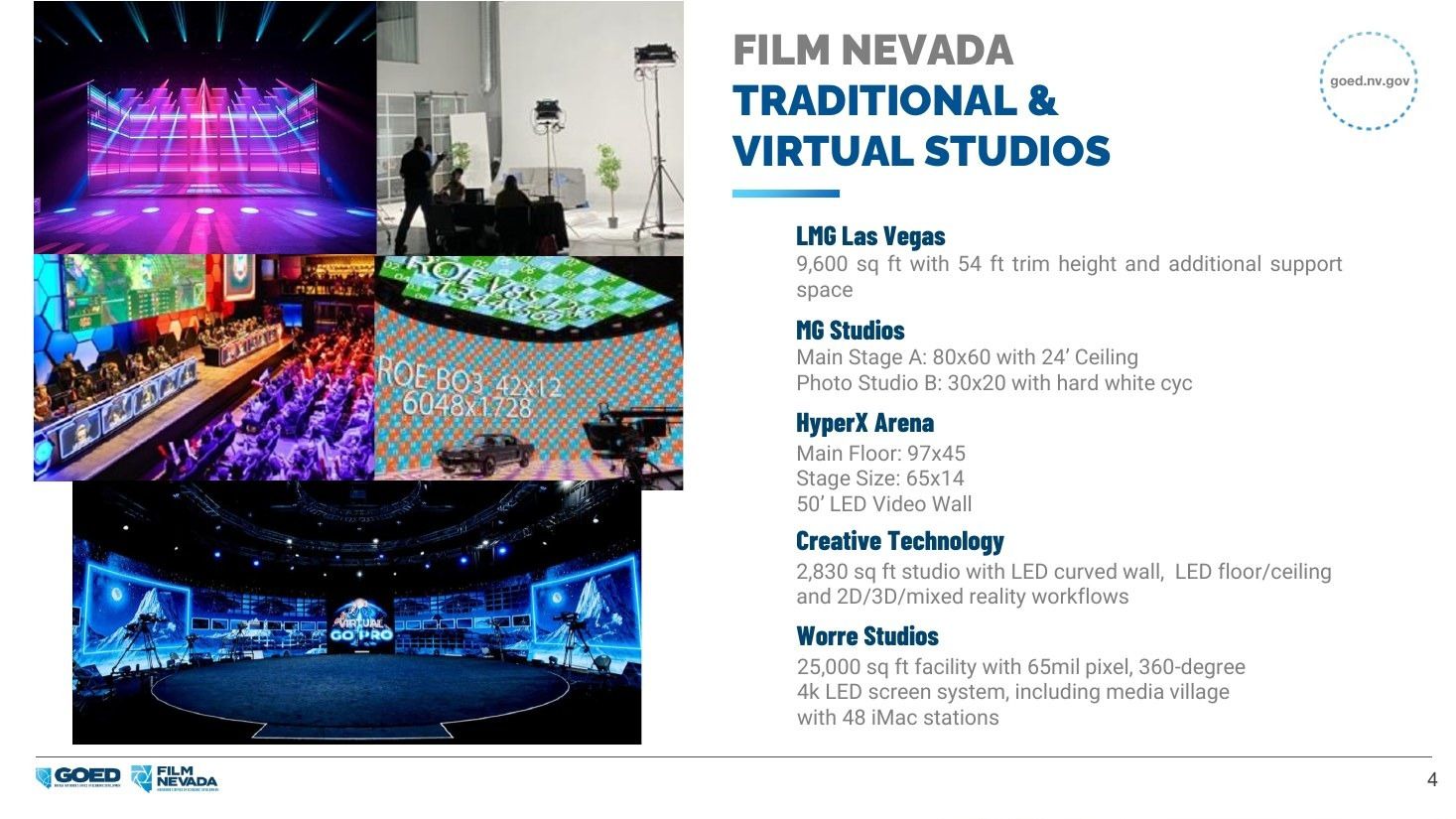
| Facility | Type | Key specs |
|---|---|---|
| LMG Las Vegas | Traditional stage | 9,600 sq ft, 54-ft trim height |
| MG Studios | Traditional stage | Main stage 80x60 ft, 24-ft ceiling |
| HyperX Arena | Esports venue | Main floor 97x45 ft, 50-ft LED wall |
| Creative Technology | Virtual studio | 2,830 sq ft, curved LED wall, LED floor/ceiling |
| Worre Studios | 360-degree LED stage | 25,000 sq ft, 65M-pixel 360-degree 4K LED |
Nevada's main production stages. Source: Nevada Film Office presentation, ICNX 2026
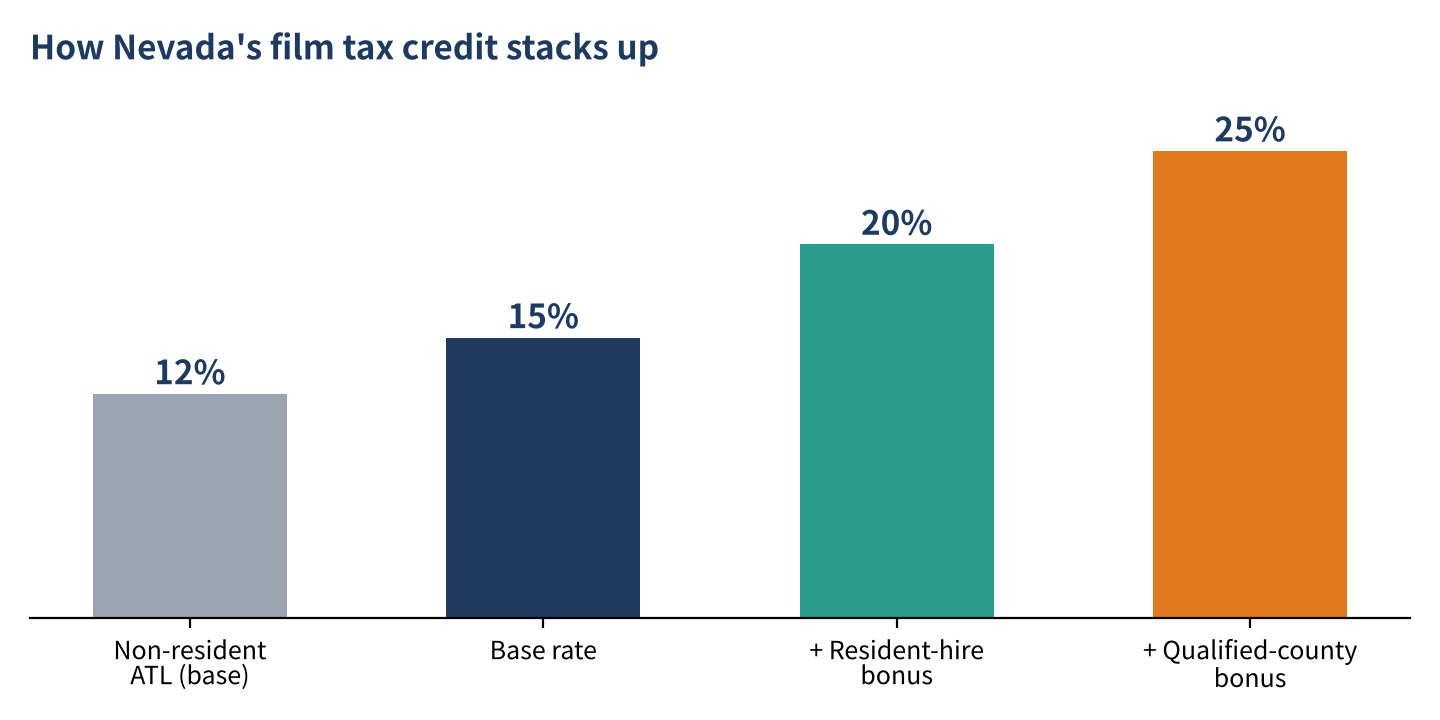
The incentive is a transferable tax credit, not a cash rebate. Productions must spend at least $500,000 (about 670 million won) in qualified costs and 60% of their budget in Nevada. The base rate is 15% on Nevada vendors and resident wages and 12% on non-resident above-the-line talent. Another 5% applies when more than half of below-the-line workdays go to residents, and 5% more when over half the shooting days are in a qualified county, defined as one with under $10 million in qualified production spending in each of the prior two years.
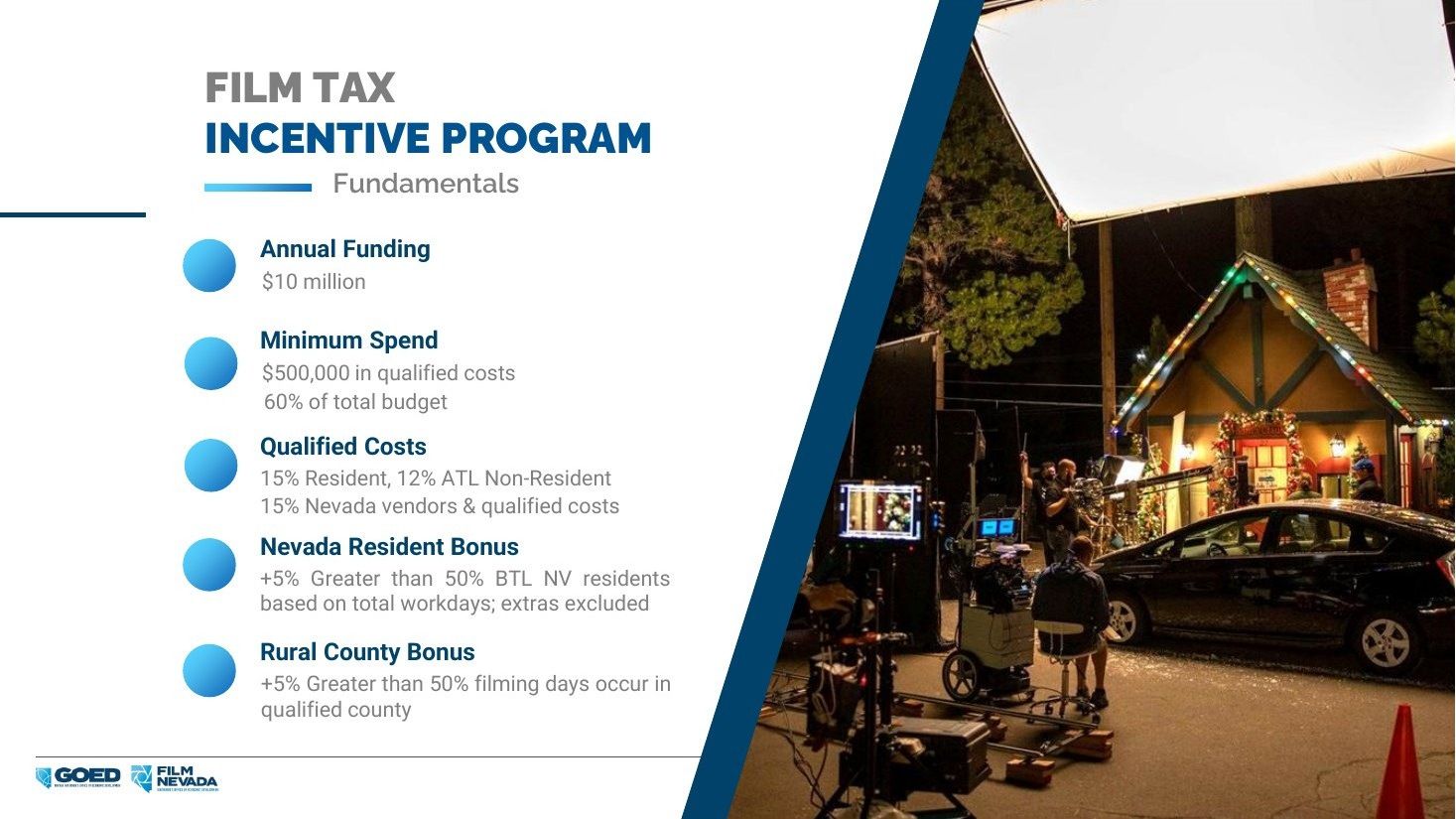
Funding is $10 million (about 13.4 billion won) a year, with a cap of $6 million (about 8 billion won) per project. Spurgeon acknowledged that is smaller than Georgia or New Jersey. Foreign producers can sell their credit certificates to companies that owe Nevada tax. State taxes fall due monthly and quarterly, so certificates trade all year.
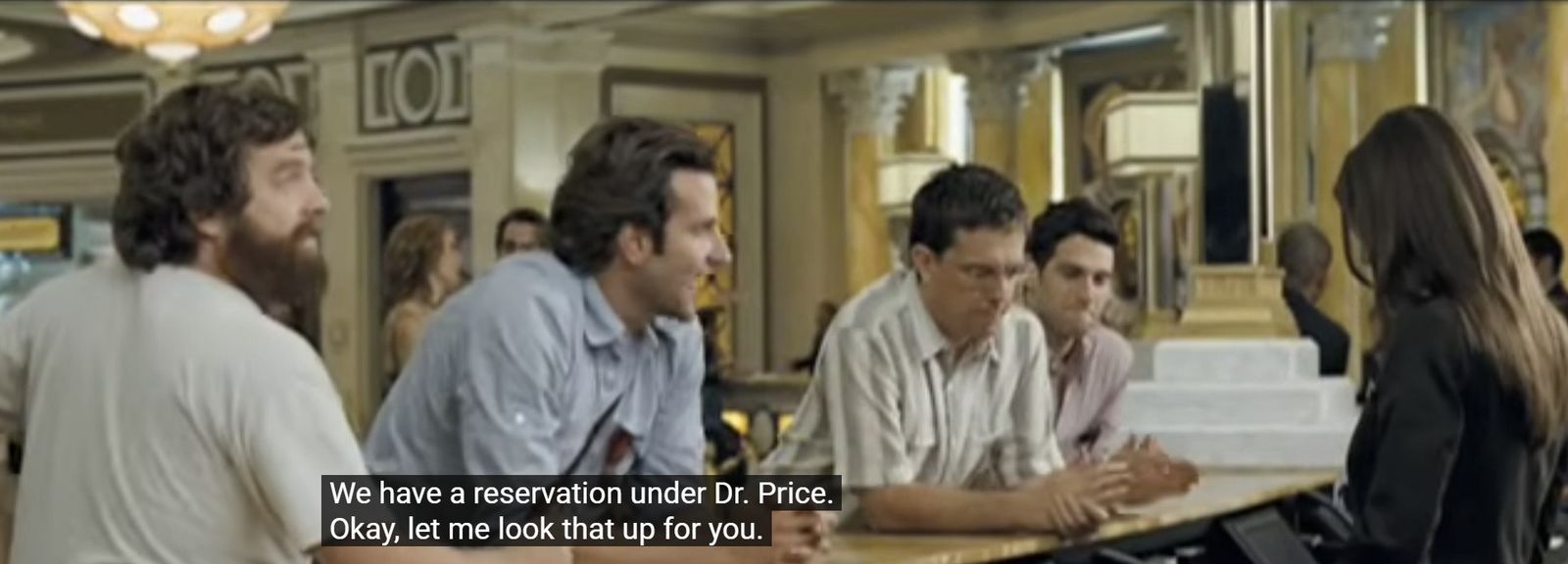
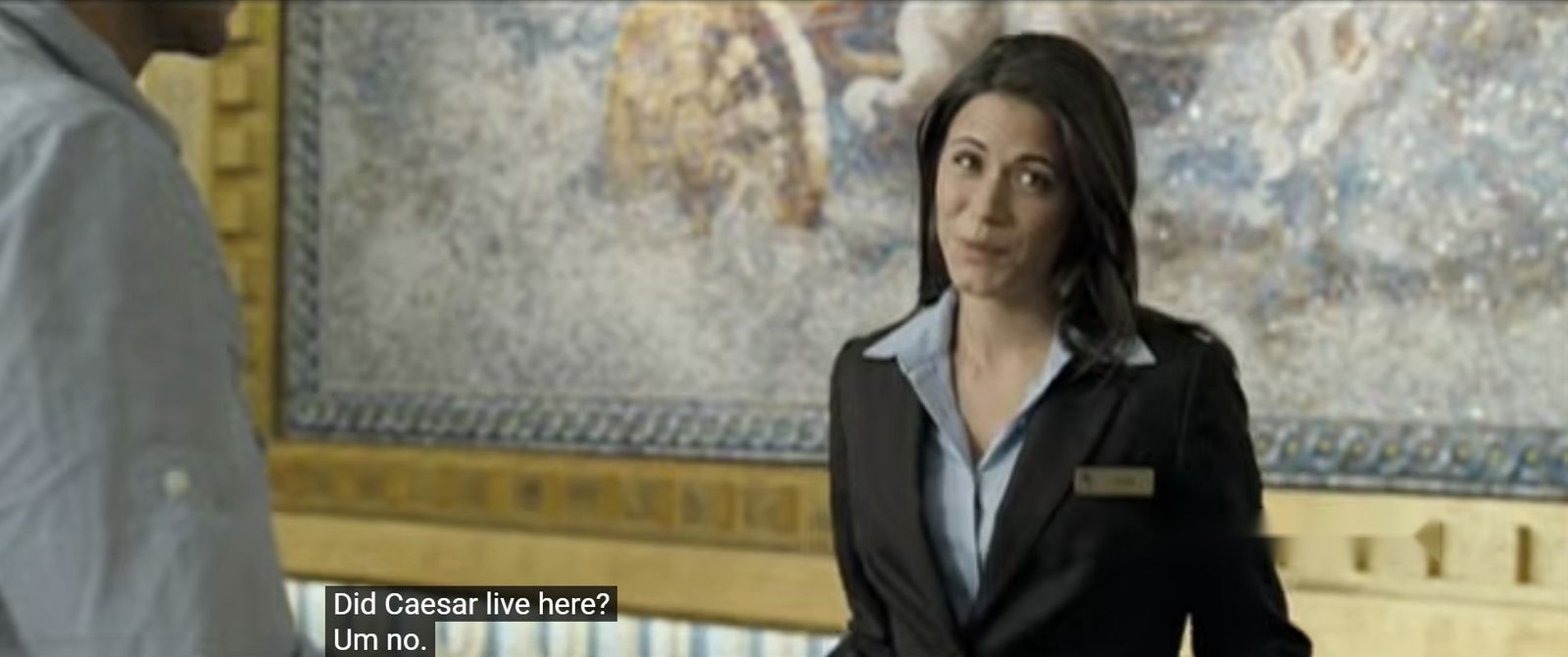
Seventeen years after The Hangover, tourists still crowd the Caesars Palace lobby
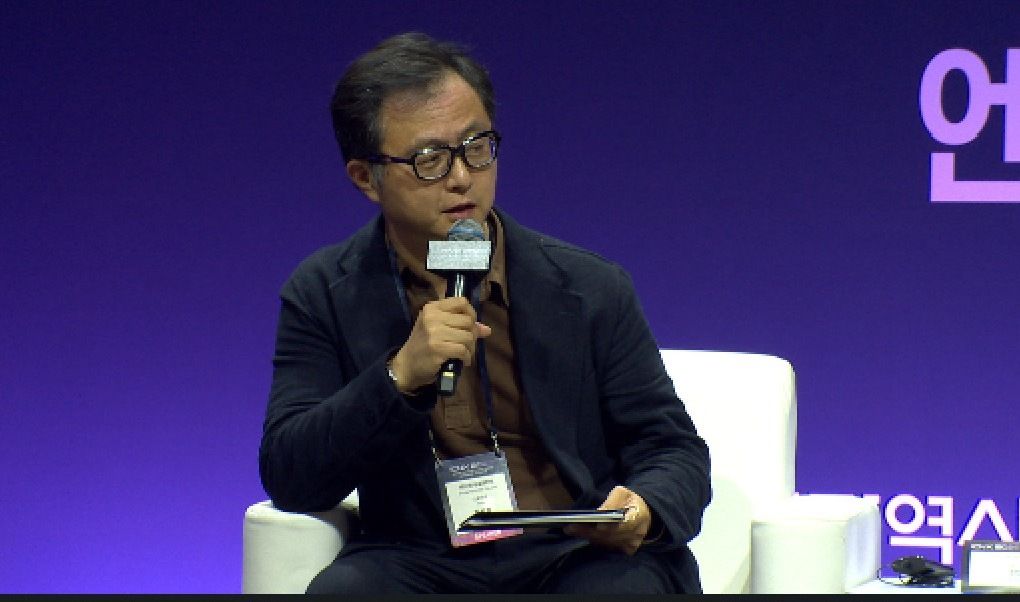
The first panel question was whether a film office looks at tourism at all. "A 30-second commercial is meant for a quick sale, but a series or film that features a place creates an emotional connection between the viewer and that place," Spurgeon said. Tourism agencies, she said, count crew spending and jobs during a shoot and miss the visits that follow for decades.
Visitors still go to the lobby of Caesars Palace, where The Hangover was filmed in 2009, to ask, "Did Caesar live here?"
Film Nevada has partnered with SetJetters, an app that shows which films, shows and games were shot where the user is standing. Opening it in Korea, Spurgeon said, mostly brought up KPop Demon Hunters and Parasite. She called the trend "Netflix tourism."
Eight in ten foreign visitors watched Korean shows on Netflix first; Squid Game 3 planned tourism before release
Screen tourism has already started in Korea. Eight in ten foreign visitors had watched Korean content on Netflix before coming to Korea, according to a survey commissioned by K-EnterTech Hub (K엔터테크허브) and conducted by I&I Research (아이앤아이리서치). More than six in ten had visited places featured in that content, such as Myeongdong (명동) and Bukchon Hanok Village (북촌 한옥마을), and every respondent had shared the trip on social media.
The survey covered 105 foreign nationals aged 18 and older who live in or have visited Korea: 40 from the U.S., 20 from the U.K. and 15 each from Singapore, Japan and the Philippines. Ninety-three percent had been in Korea for less than six months, and the largest age group was 25 to 34. The results were first released on June 30 at the K-Culture Explained conference at Yonsei University (연세대학교). It was an exploratory study with a non-probability sample, so the figures are directional; a follow-up with at least 200 respondents per country is being prepared.
At the same conference, Kim Mi-hoo (김미후), marketing director at Netflix Korea, said Squid Game was the turning point for its marketing, and that Korean titles have since been marketed with overseas viewers in mind from the planning stage. For the show's third season, tourism and consumer tie-ins were set up before release, from a Younghee statue in Gwanghwamun (광화문) to Chungju's Cheongmyeongju (충주 청명주) rice wine placed on screen. Fans once found filming locations on their own after a show aired; producers and local governments are now planning the visitor route in advance.
About 100 Hollywood Sign residents sue the city; the Chamber of Commerce runs the Walk of Fame
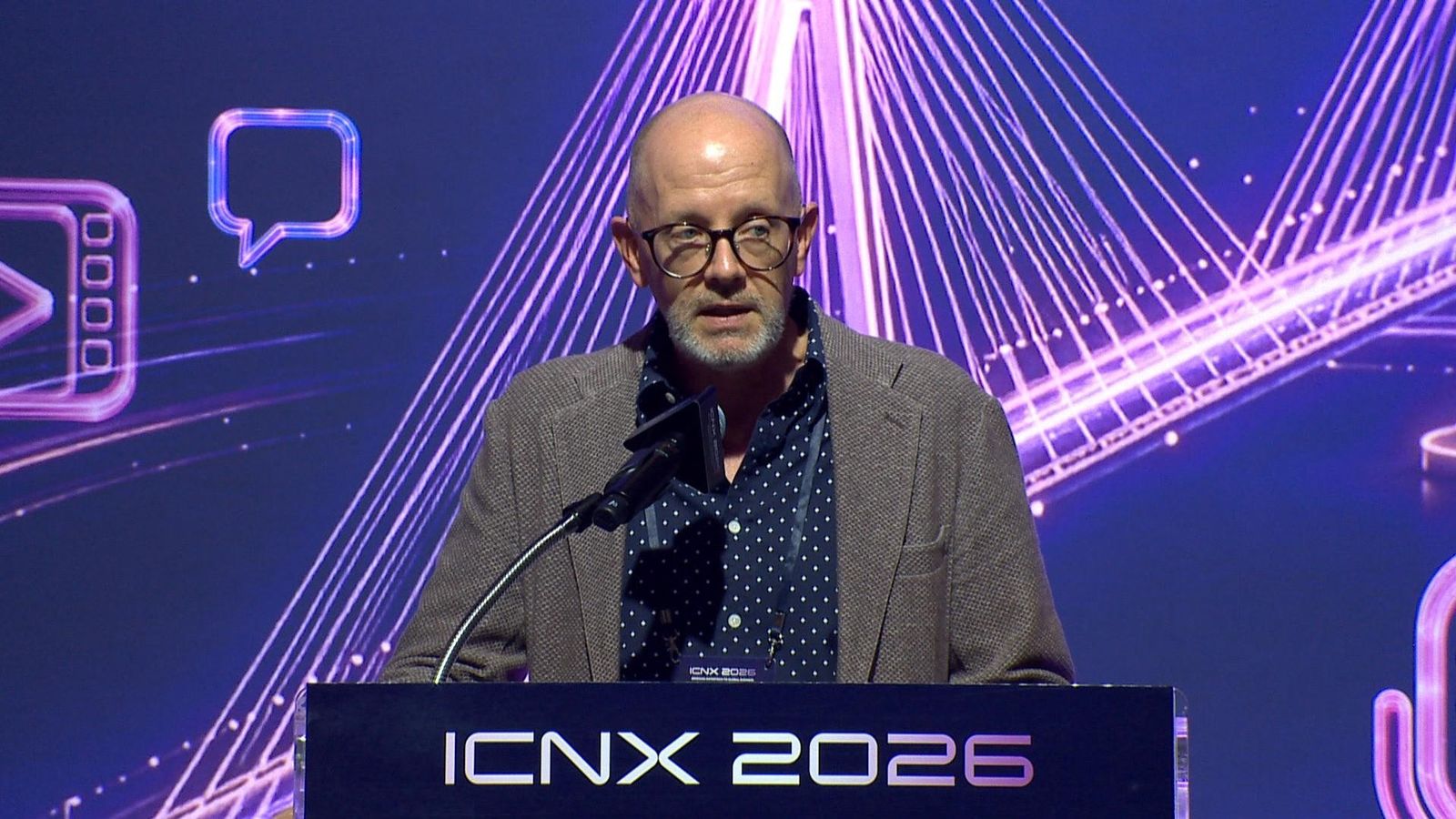
Montgomery spent 17 years at the legacy studio Warner Bros. He now runs the Global Stage Hollywood festival at the TCL Chinese Theatre and is Asia market advisor to Parrot Analytics.
On Oct. 26, about 100 residents living beneath the Hollywood Sign filed a public-nuisance complaint in Los Angeles County Superior Court against the city, Mayor Karen Bass and Councilmember Nithya Raman. They cited tourist traffic, trash, human waste and blocked fire access. "Visitors come for the sign. The neighborhood pays for it," Montgomery said.
The Hollywood Walk of Fame is administered by the Hollywood Chamber of Commerce. It was created about 70 years ago to draw visitors back after filming moved to Burbank and Culver City. Global Stage Hollywood, Montgomery's nonprofit festival, screens more than 70 films for over 14,000 attendees. Students from nearby Emerson College volunteer, and a Japanese bank sponsors it.
| Party | What it gets |
|---|---|
| Rights holder | A Hollywood premiere |
| Venue (TCL Chinese Theatre) | Programming |
| Local students (e.g. Emerson College) | Industry access, priority entry |
| Sponsor (a Japanese bank) | An audience |
How Global Stage Hollywood works: 70+ films, 14,000+ attendees. Source: Douglas Montgomery presentation, ICNX 2026
Florence used Hollywood premiere footage at home; Crazy Rich Asians split subsidy and payoff
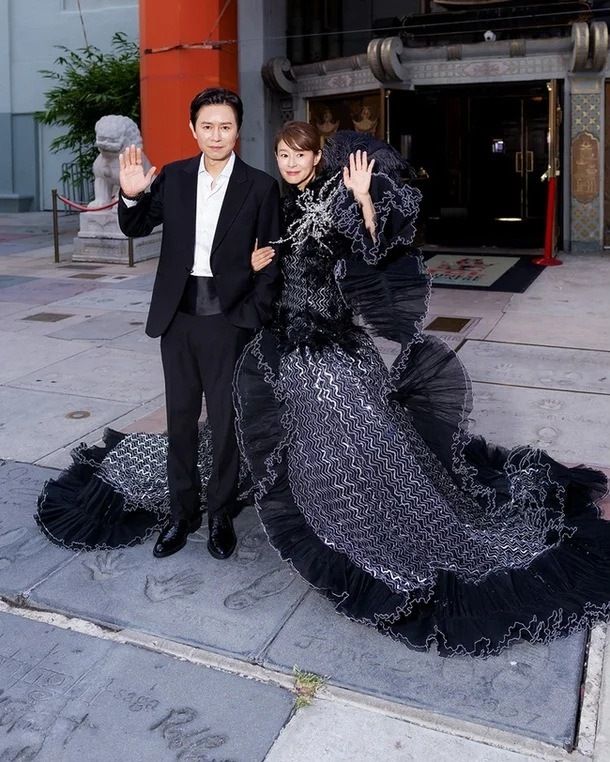
Director Lee Chang-yeol's (이창열) Florence Knockin' on You (피렌체) won best picture, best director and best screenplay at Global Stage Hollywood in October 2025, and leads Kim Min-jong (김민종) and Ye Ji-won (예지원) walked the red carpet at the festival Montgomery runs. The team arrived a week before the screening to shoot photos, video and interviews, then used the premiere footage to promote the Korean release. "Partnerships go both ways," Montgomery said.
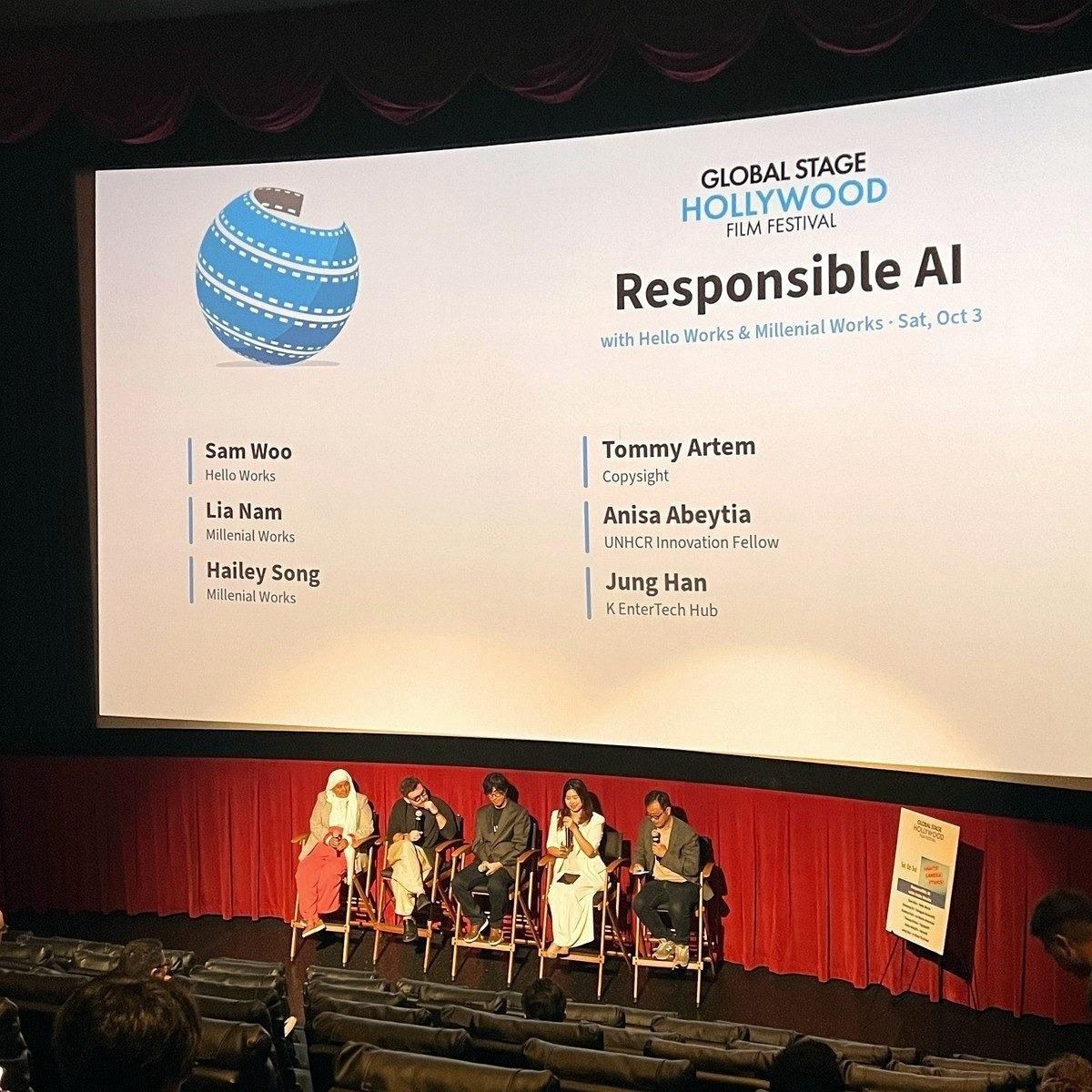
At this year's festival on Oct. 3, K-EnterTech Hub (K엔터테크허브) hosted a Korean session, "Responsible AI." HelloWorks (헬로웍스) presented its plan to revive Rayphie (라이파이), Korea's first science-fiction comic, as global IP, and Millennial Works (밀레니얼웍스) showed an AI idol-debut experience. The presenters then discussed rights and overseas expansion for AI content with panelists including Artem Petrov, CEO of AI rights-checking company CopySight.
He also cited season three of HBO's The White Lotus. Producers considered Japan, but the support on offer fell short and they chose Thailand, which has since added tourism products. Unlike a one-off such as the Osaka Expo, he said, a production that shows a place becomes "a commercial in perpetuity."
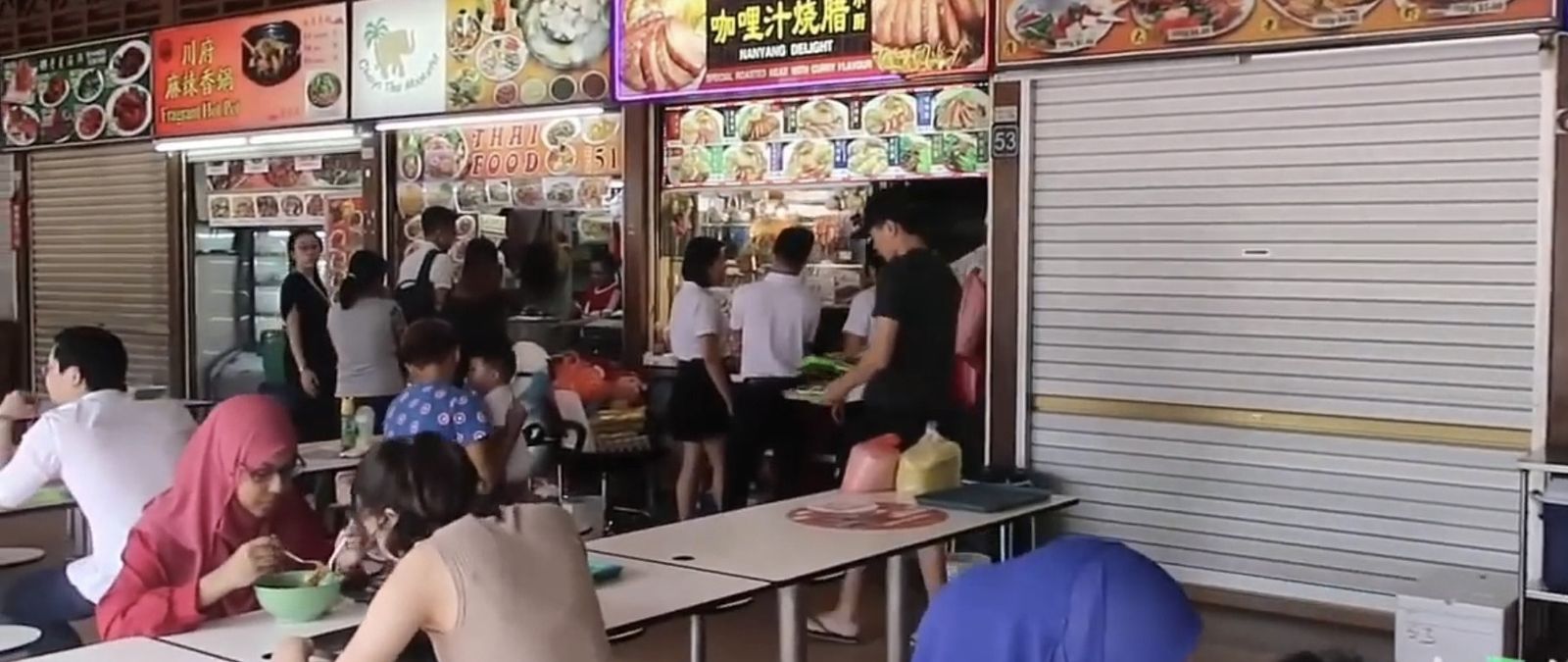
Much of Crazy Rich Asians is set in Singapore but was shot in Malaysia, whose government paid subsidies. The scenes audiences remember are in Singapore's food courts, known locally as hawker centres. "Singapore got the benefit; Malaysia paid," Montgomery said. Tokyo's Shitamachi area, a setting for HBO's Tokyo Vice, has drawn more visitors since the show aired.
Korea is having the same debate. Dongguk University's Hallyu Convergence Institute (동국대학교 한류융합학술원), led by Jung Gil-hwa (정길화), will hold a conference on Nov. 18 at the National Museum of Korea (국립중앙박물관) titled "The K that Korean Tourism Is Missing: Hallyu Infrastructure for the 30-Million-Visitor Era." With foreign arrivals at a record high and close to 30 million, it will look at how K-content can raise the quality of tourism. Samseog Ko (고삼석), a distinguished professor at Dongguk's College of Advanced Convergence, will moderate the first session.
K-Con Land targets 50 million visitors; Montgomery sets five conditions
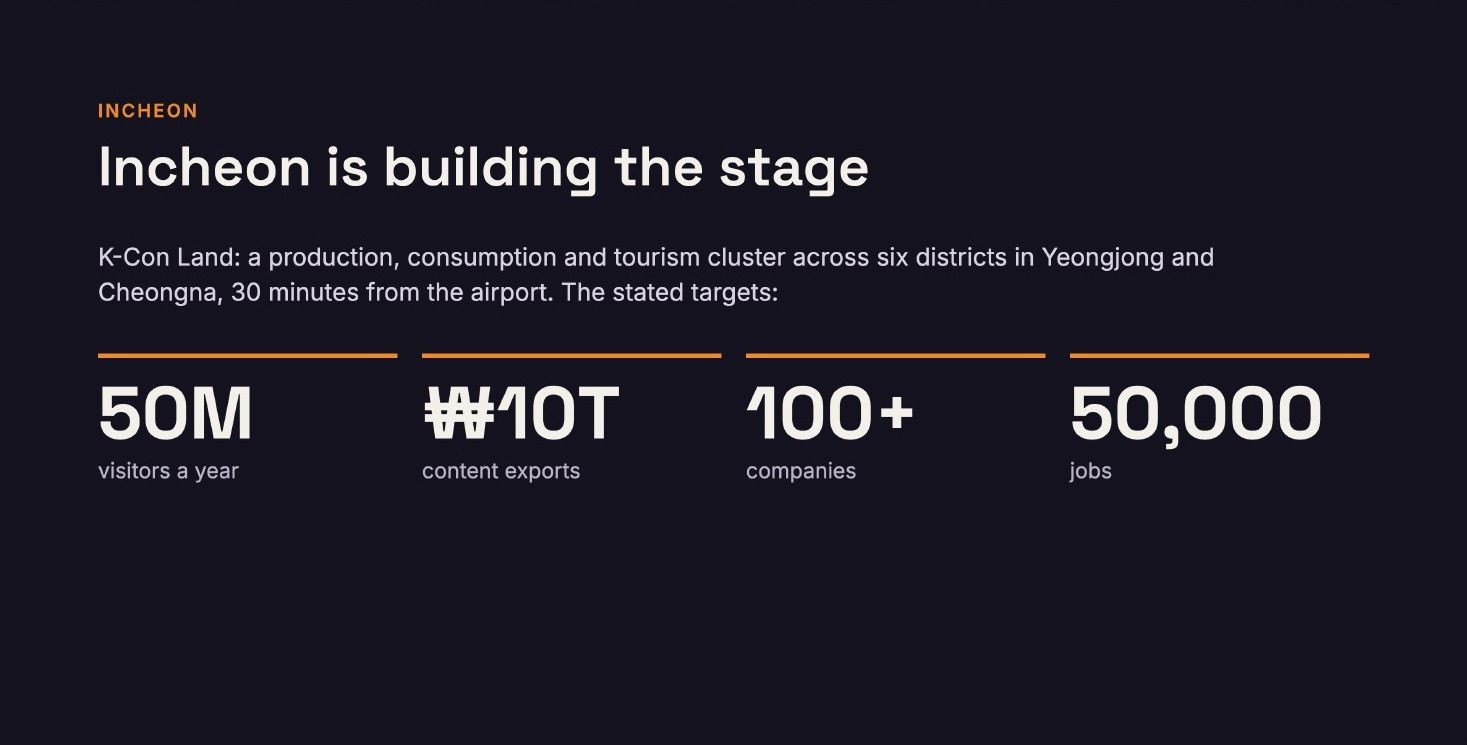
In 2025, the Incheon Free Economic Zone Authority announced K-Con Land across six districts in Yeongjong and Cheongna. Its targets are 50 million visitors a year, 10 trillion won in content exports, more than 100 companies and 50,000 jobs. Montgomery called them targets, not results, but achievable, pointing to the foreign visitors at his airport hotel and foreign residents shopping at a nearby convenience store.
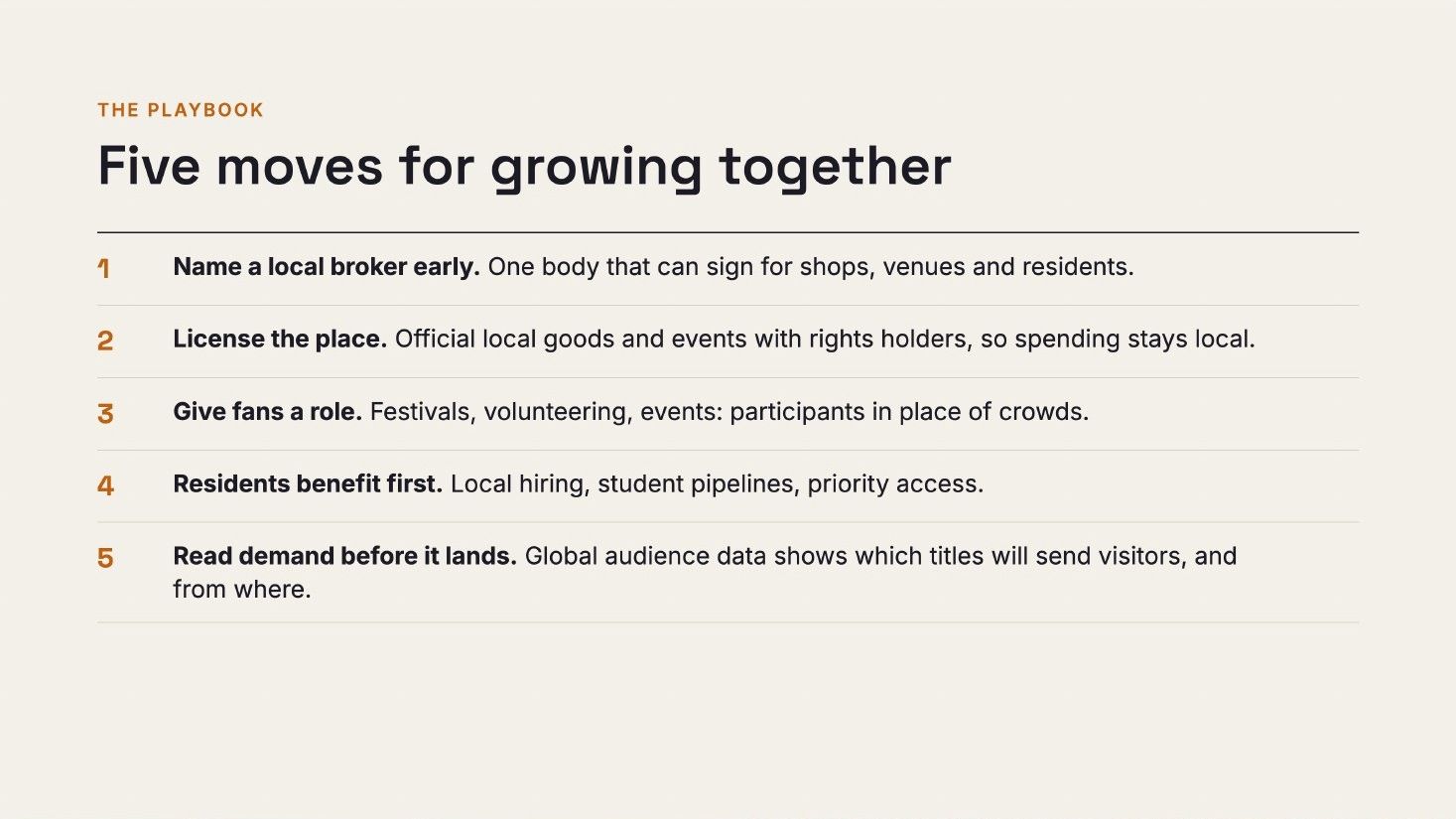
His five conditions: a local broker able to sign for shops, venues and residents; official goods and event licenses with rights holders; a role for fans in festivals and volunteering; benefits for residents through local hiring and student pipelines; and demand forecasts built on global audience data. "Infrastructure brings people. Structure decides who benefits," he said.
For Incheon's EnterTech companies, he named four lines of business: AR and XR wayfinding on the city's 3D map, ticketing and licensed-goods commerce, virtual production, and AI localization.
LYNKPOP plays a Tokyo department-store basement and Hong Kong malls, with tickets on travel apps
Studio Realive, an SM Entertainment subsidiary, runs the VR concert brand LYNKPOP. Season one played in cinemas with aespa (2023) and KAI (2024). Season two ran on Meta Horizon with i-dle, NCT DREAM, STAYC and RIIZE. In 2026, Stray Kids screened in Tokyo and Osaka and i-dle in Shanghai and Hong Kong.
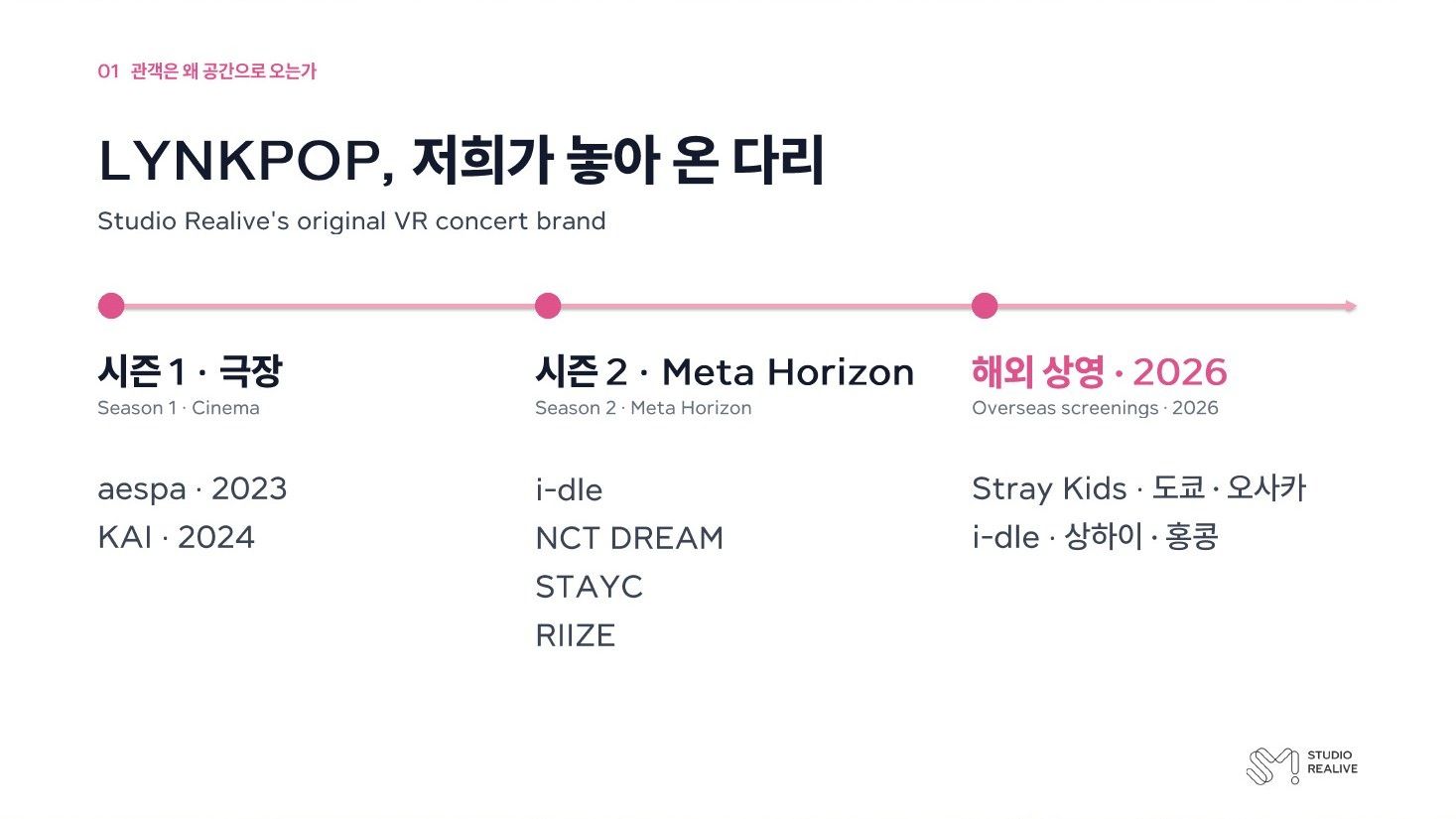
| Phase | Format | Artists |
|---|---|---|
| Season 1 | Cinema | aespa (2023), KAI (2024) |
| Season 2 | Meta Horizon | i-dle, NCT DREAM, STAYC, RIIZE |
| Overseas (2026) | Retail venue tour | Stray Kids (Tokyo, Osaka); i-dle (Shanghai, Hong Kong) |
LYNKPOP by season. Source: Studio Realive presentation, ICNX 2026
"A headset is made for one, and yet they came together to watch," Kim said, showing a 2026 screening in Tokyo. Eye contact with an artist in VR is something no concert seat can provide, he said, and that distance is what audiences pay for.
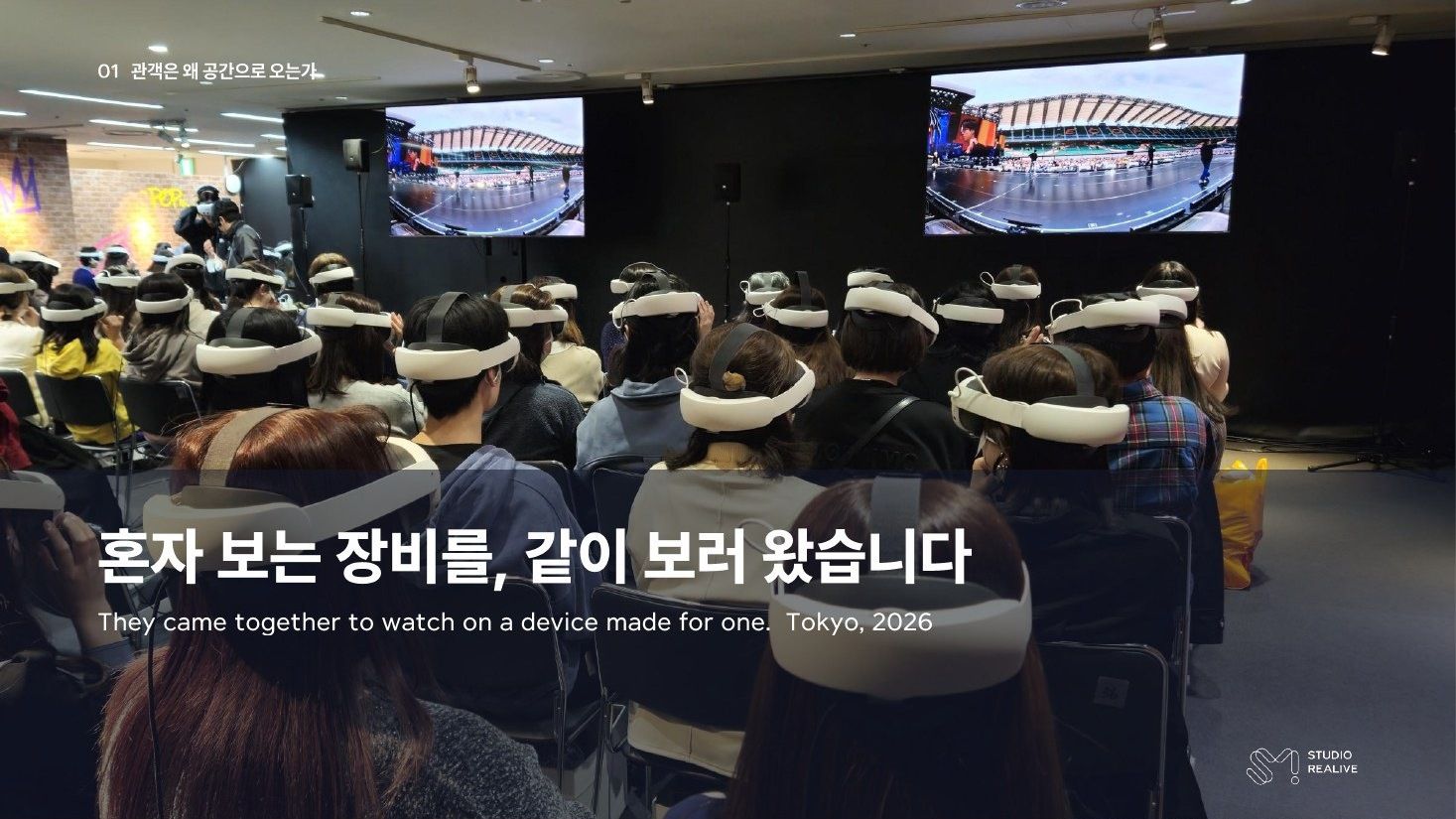
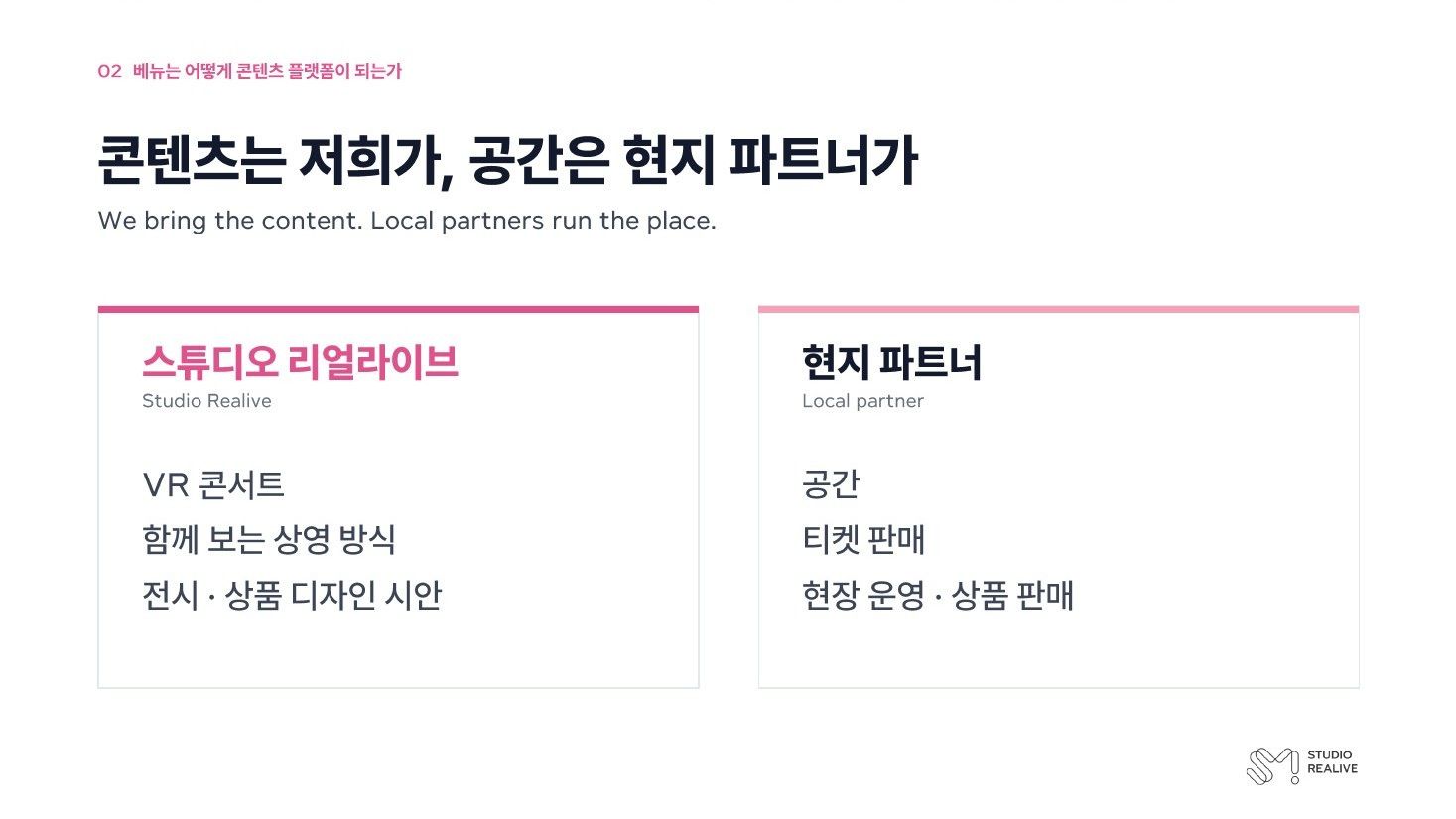
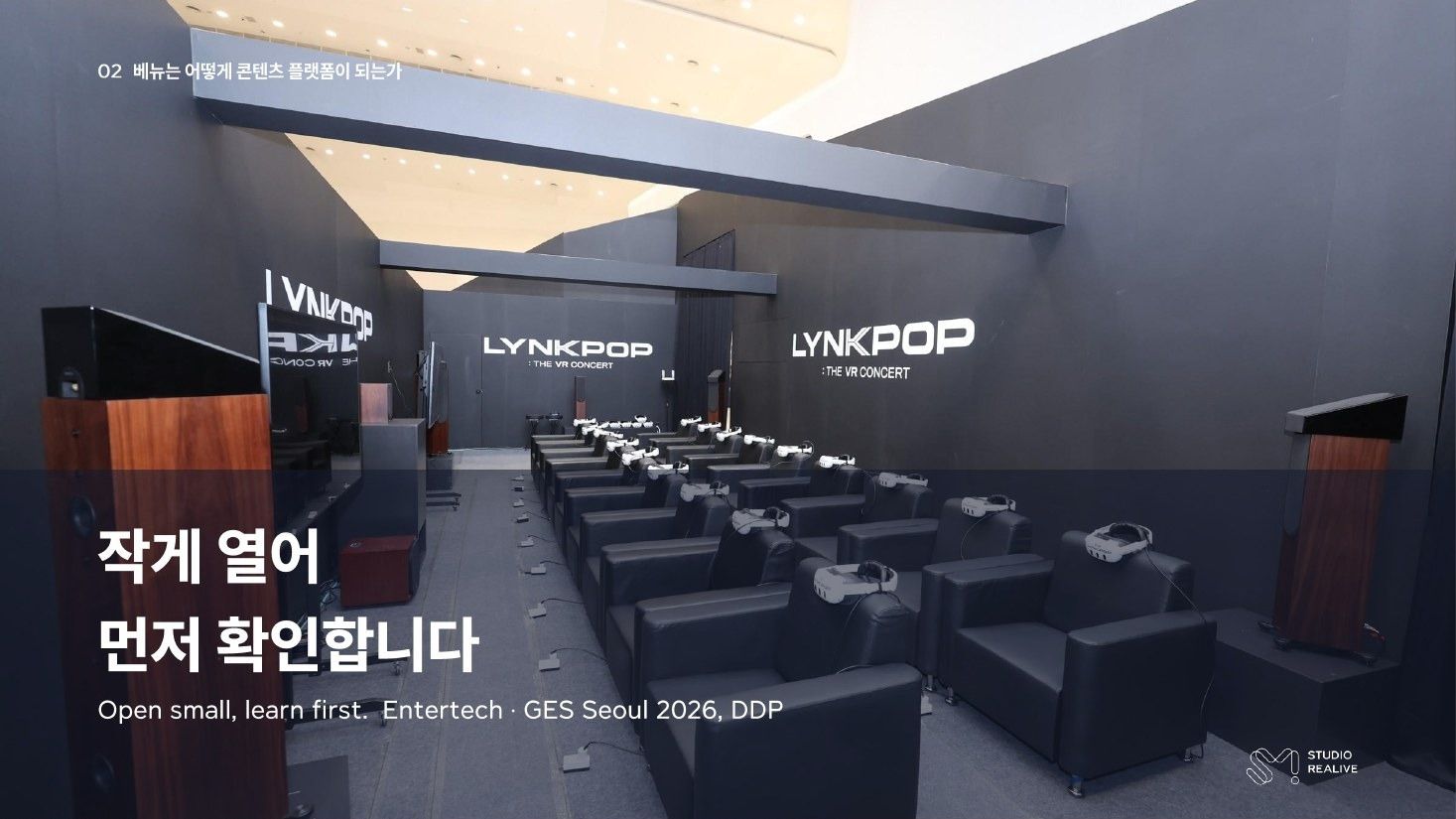
The screening rooms sit inside retail. Tokyo uses a department-store basement, Osaka the basement of a station-side retail complex, and Shanghai and Hong Kong shopping malls. Visitors watch the show, walk through an exhibition and buy venue-only goods. In Hong Kong, timed tickets sold through travel-booking platforms and convenience stores. Studio Realive supplies the content, screening format and exhibition and goods designs; local partners run the space, ticketing, operations and merchandise. In Korea, it opened a room at EnterTech·GES Seoul 2026 at Dongdaemun Design Plaza in September.
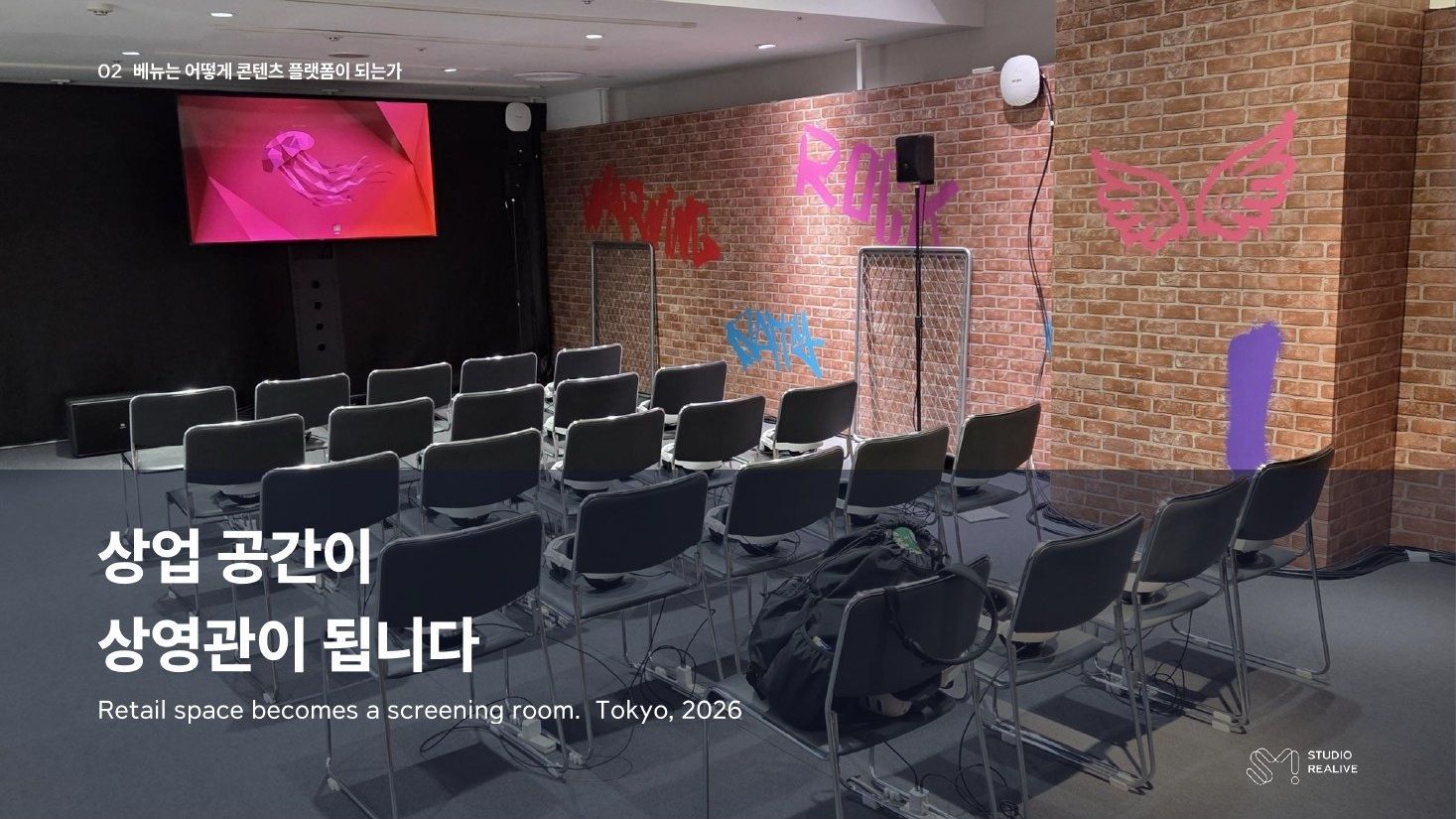
| City | Venue | Show |
|---|---|---|
| Tokyo | Department-store basement | Stray Kids |
| Osaka | Station-side retail complex, basement | Stray Kids |
| Shanghai | Shopping mall | i-dle |
| Hong Kong | Shopping mall (showing at time of talk); tickets via travel apps and convenience stores | i-dle |
LYNKPOP overseas venues, 2026. Source: Studio Realive presentation, ICNX 2026
Kim made three proposals to cities: invest in the years of operation as much as in the building, clear rights to screens, regions and terms before the shoot, and share operating data rather than opening numbers. "AI compresses the time to make. It cannot compress the time to relate," he said.
Spurgeon wants K-pop at Sphere; Kim says K-pop venues should be one layer of a system
Asked about creators promoting places, Spurgeon said K-pop at Sphere in Las Vegas would have global reach. Citing the immersive district AREA15 and the Instagram-famous Museum of Ice Cream, she said places need to offer real value, not just good photos.
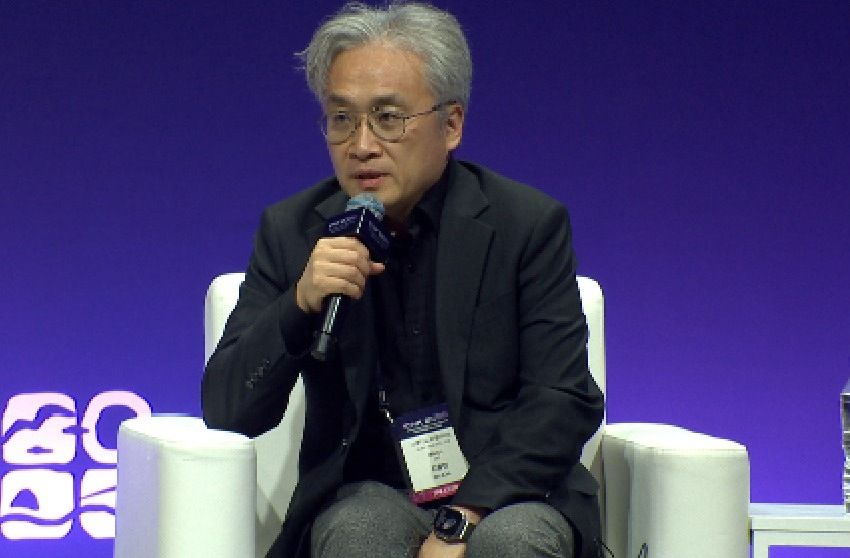
Kim said content comes first in any new venue and technology is a means. Because K-pop trends turn over in months, he said, a venue should be built as one layer of a system, keeping costs down and pushing content quickly to smart glasses, wearables and phones.
Incheon is "Korea's gateway" and needs reasons to stay the night
The last question was about Incheon. Asked how a city with an international airport and performance venues could grow a content platform, Spurgeon called it Korea's gateway and said it should hold foreign visitors before they move on to Seoul. She described the INSPIRE Entertainment Resort (인스파이어 엔터테인먼트 리조트) next to the airport as a Las Vegas-style setup that catches audiences at the entrance.
Night-time entertainment came up as the gap. There is plenty to do by day, but without reasons to gather at night, visitors pass through the airport on their way to Seoul.
ICNX in its second year; Samseog Ko: K-content and AI should be one national strategy
ICNX, the Incheon Advanced Media Global Conference, is an entertainment tech industry conference hosted by Incheon Metropolitan City and the Incheon Technopark. Its name combines Incheon's airport code, ICN, with Creativity and Next Experience. The second edition, following the first in 2025, ran Nov. 3–4 at Songdo Convensia, with platform business on the first day and entertainment tech business on the second.
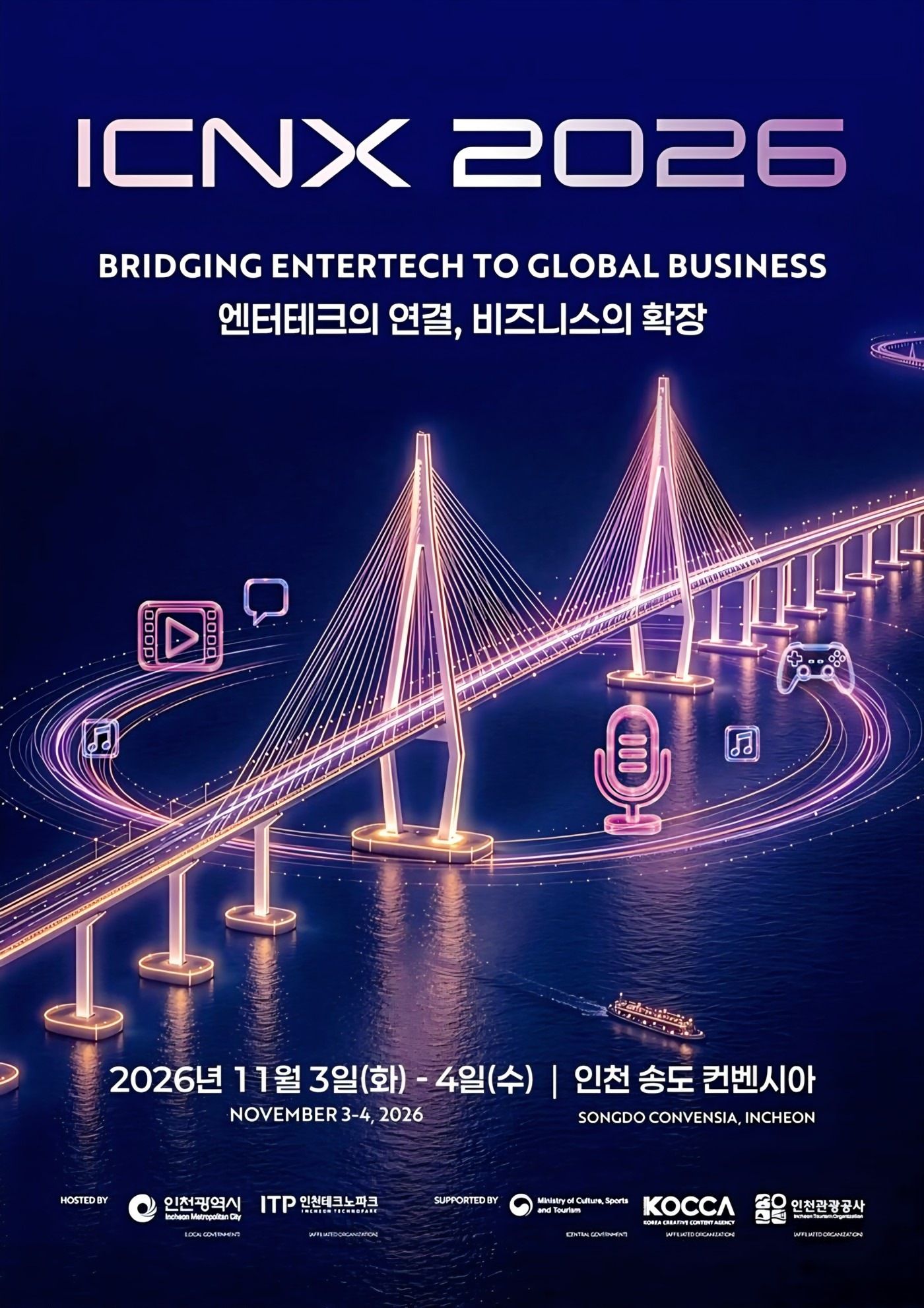

Samseog Ko (고삼석), a distinguished professor at Dongguk University and a subcommittee member of the Presidential Committee on the National AI Strategy, gave the keynote on Nov. 4. He said Korea should pursue K-content promotion and AI industry policy as one national strategy rather than two. Generative-AI use among content companies has quadrupled to 32.1% in two and a half years, he noted, while policy and budgets still move year by year. Rather than match U.S. capital or Chinese volume, he said, Korea should compete on the originality of K-culture and on co-production with foreign partners.
Local filming support moves from screen exposure to revenue-sharing contracts
In Washimiya and on the Walk of Fame, a local body designed the revenue structure with rights holders before visitors arrived. In Kamakura and beneath the Hollywood Sign, the response came after the crowds. With Crazy Rich Asians, Singapore rather than subsidizing Malaysia captured the tourism.
Korean local governments and film commissions attract dramas and films with production subsidies. The next step the speakers set out is to write into those deals a regional share of post-broadcast goods, events and location-tour revenue, along with local hiring. For broadcasters and producers, that widens what a city gets for sponsorship from on-screen exposure to joint licensing and event operations. Given the decades of tourism Spurgeon described, filming locations in a broadcaster's archive also become terms for renegotiation.
Incheon has the airport, INSPIRE Arena and the Songdo convention district, and is pursuing K-Con Land. What remains is to settle by contract, before the visitors arrive, where Netflix viewers go after they land, what they buy and who shares the income.