
Kim Spurgeon at ICNX 2026: The Hangover still draws visitors to Caesars Palace 17 years on; a transferable credit of up to 25% with a $6 million cap; a SetJetters tie-up aimed at "Netflix tourism"
At ICNX 2026, Nevada Film Office director Kim Spurgeon presented free production support and a transferable credit of up to 25%, said tourism agencies miss decades of post-shoot visits, and urged Incheon to build night-time reasons to stay.
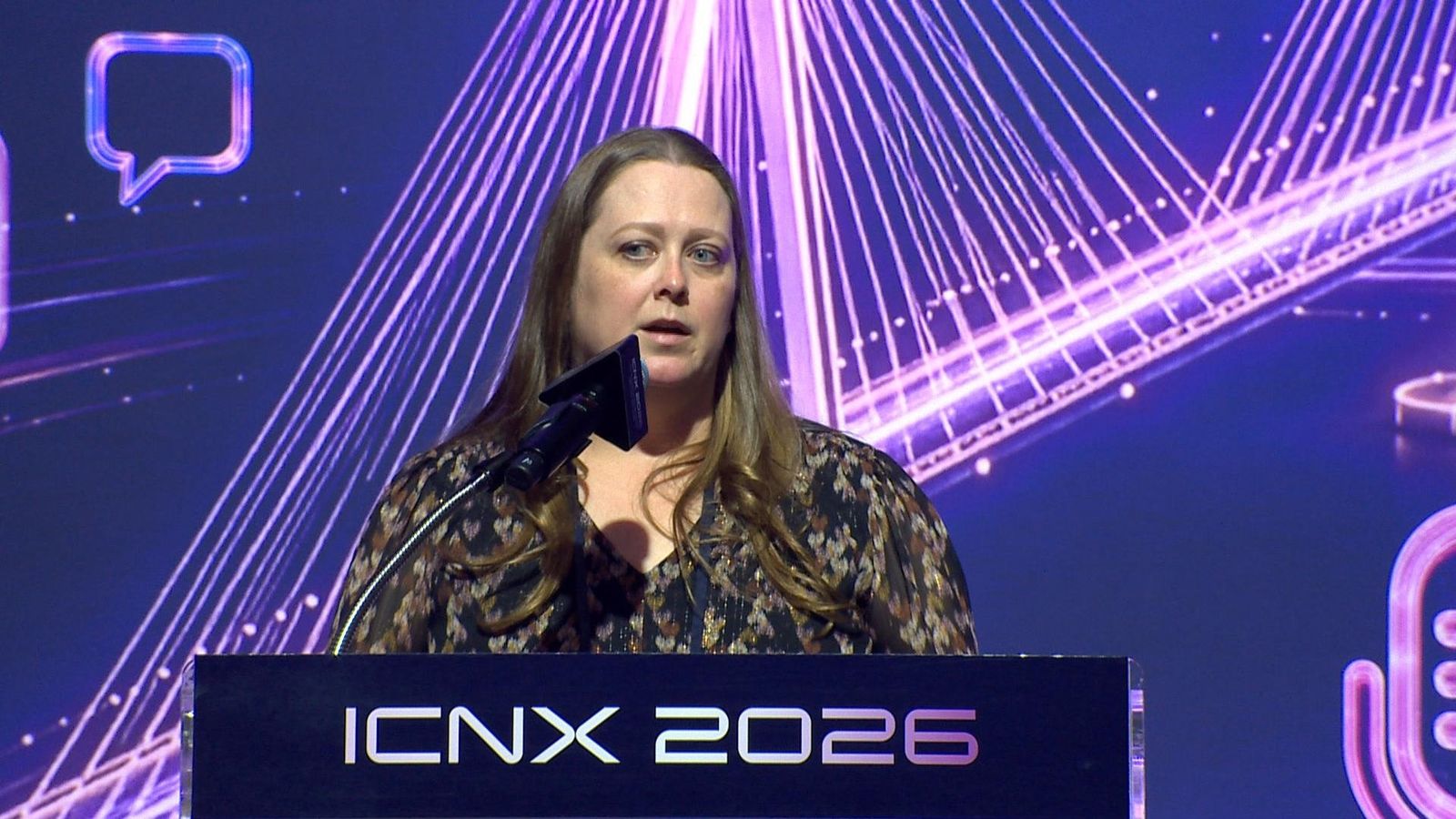
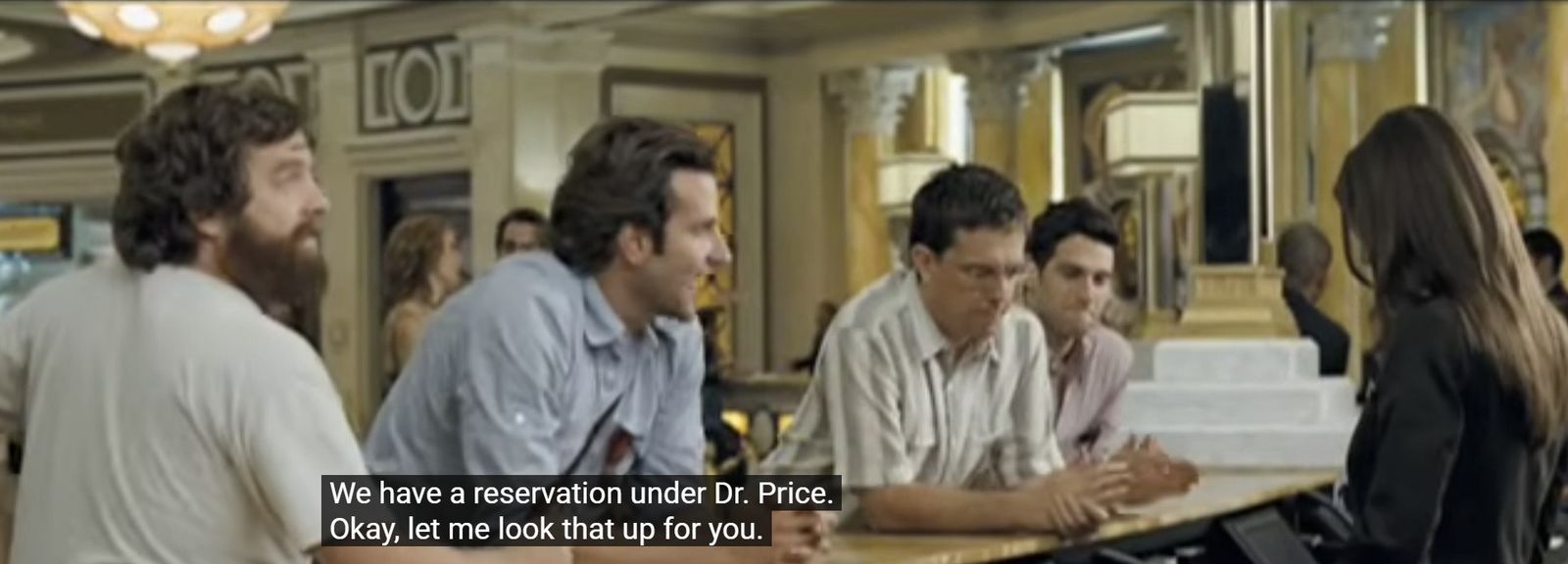
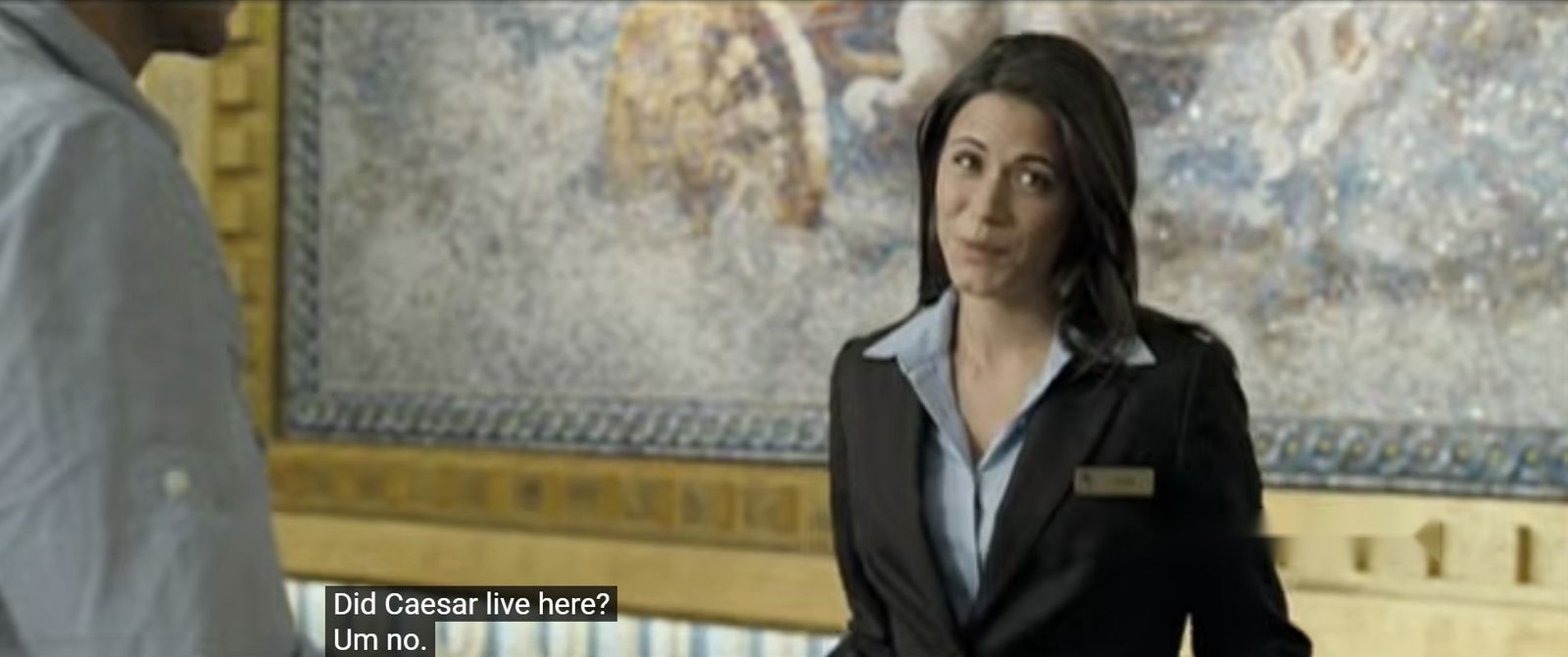
In the lobby of Caesars Palace in Las Vegas, tourists still repeat the line "Did Caesar live here?" from The Hangover, a film released in 2009.
Kim Spurgeon, director of the Nevada Film Office, used the scene at the ICNX 2026 roundtable at Songdo Convensia in Incheon on Nov. 3. "A 30-second commercial is meant for a quick sale, but a series or film that features a place creates an emotional connection between the viewer and that place," she said. Tourism agencies, she said, count crew spending and jobs during a shoot and undervalue the visits that follow for decades.
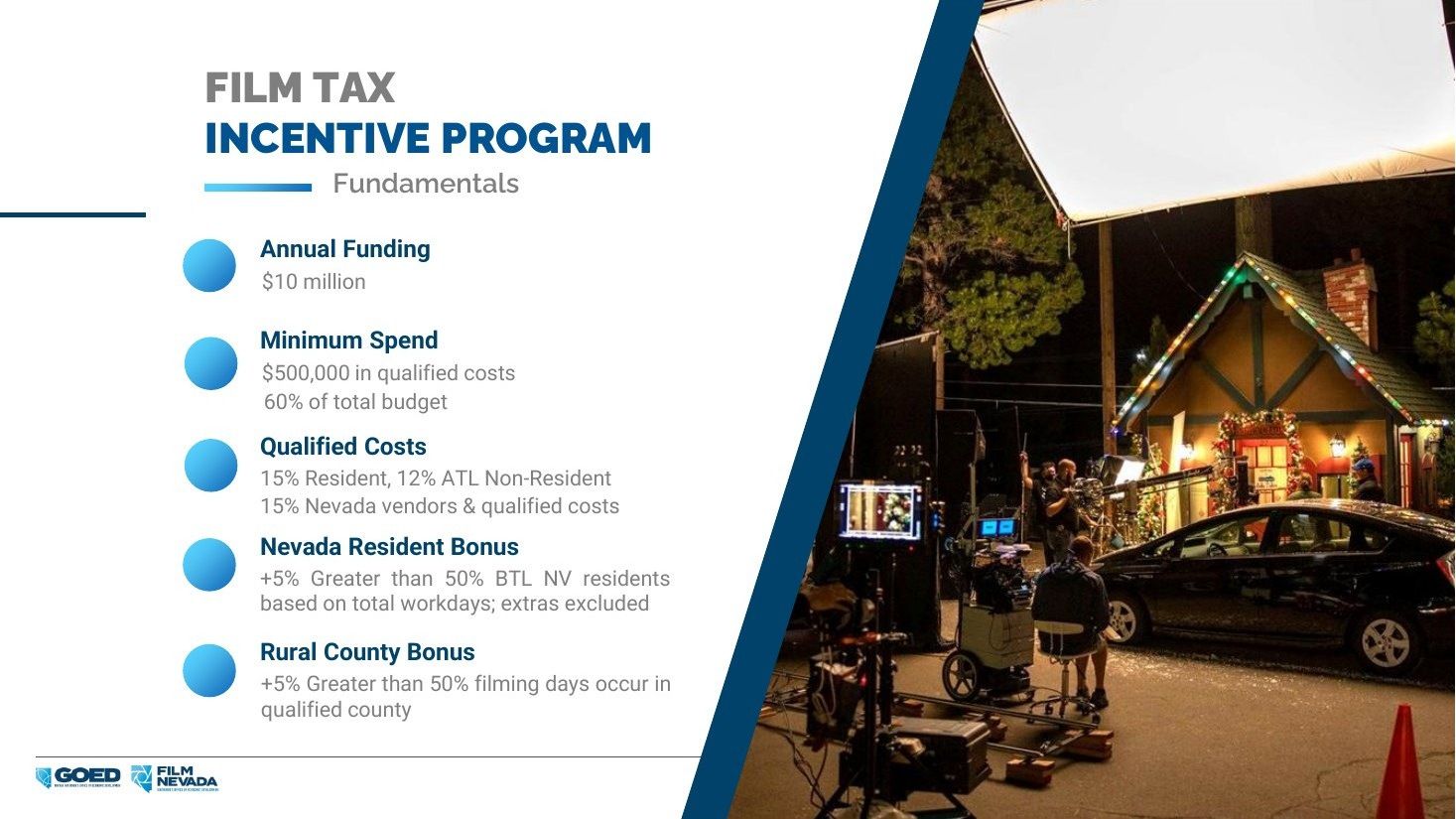
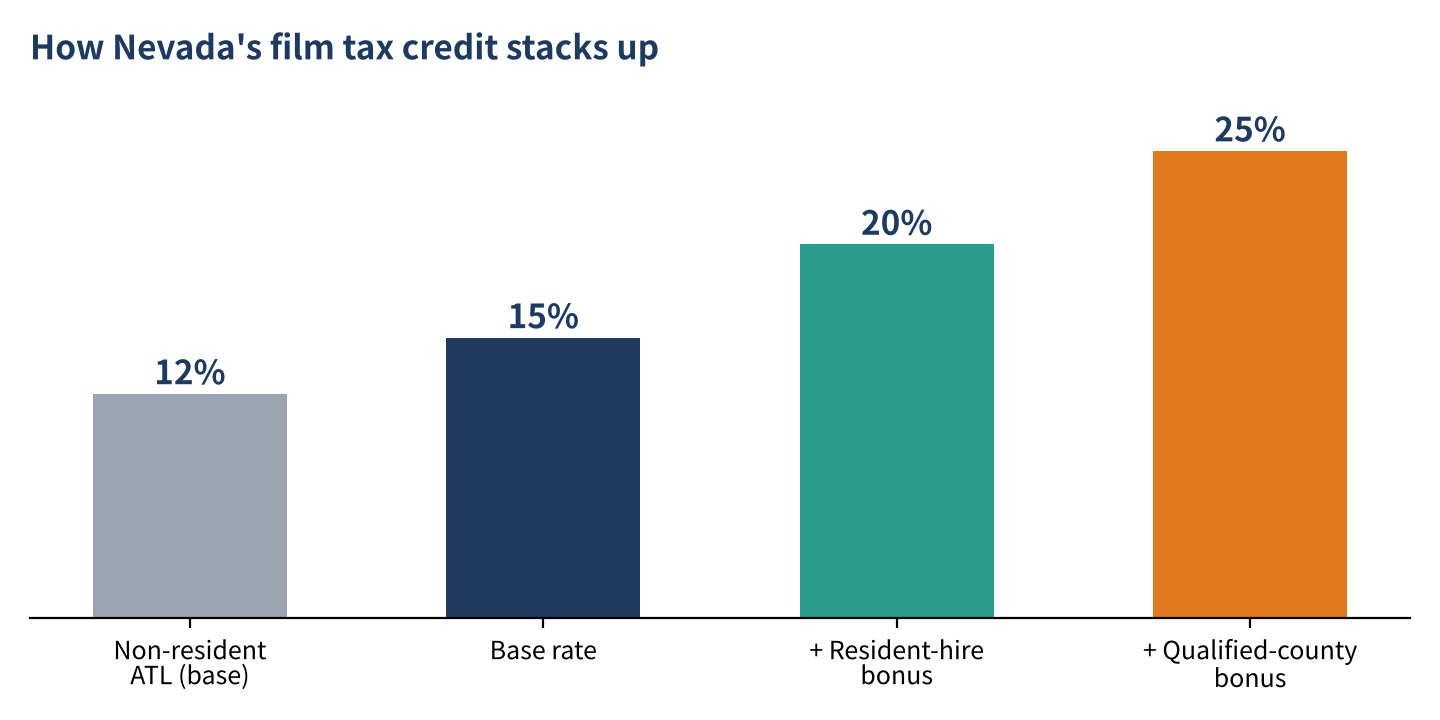
The office, a division of the Governor's Office of Economic Development (GOED) that operates as Film Nevada, competes for shoots with a tax credit. Productions that spend at least $500,000 (about 670 million won) in qualified costs and 60% of their budget in Nevada earn 15%; bonuses for hiring residents and shooting in qualified counties raise that to 25%. Annual funding is $10 million (about 13.4 billion won).
Free locations database and crew directory under the tagline "Your imagination, our locations"
Film Nevada's services are free. It runs a searchable locations database covering casinos, parks, private homes, businesses and abandoned buildings, and explains permit and insurance requirements. It also lists equipment and vehicle rental firms, production service companies for foreign shoots, talent agencies and local crews from cinematographers to makeup, wardrobe and set builders.
Signature settings include Las Vegas Boulevard, Reno, Wild West ghost towns, terrain that doubles for Middle Eastern deserts or other planets, Lake Mead and Lake Tahoe. Las Vegas has become a character on screen, Spurgeon said, much as viewers worldwide have come to know Korea through K-content.
HyperX Arena appeared in The Family Plan; LED stages are "a precursor to AI virtual space"
Traditional stages include LMG Las Vegas (9,600 sq ft, 54-ft trim height) and MG Studios. HyperX Arena, an esports venue with a 50-foot LED wall, appeared in the Mark Wahlberg film The Family Plan. Creative Technology and Worre Studios run 360-degree LED stages.
Spurgeon called LED stages "a precursor to AI-built virtual space," since they let productions film real actors inside digital backdrops. Worre, opened during the pandemic, uses a 65-million-pixel, 360-degree 4K LED system to connect thousands of people at once. Local filmmakers are making films with assistive and generative AI, she said, though the wider impact remains to be seen.
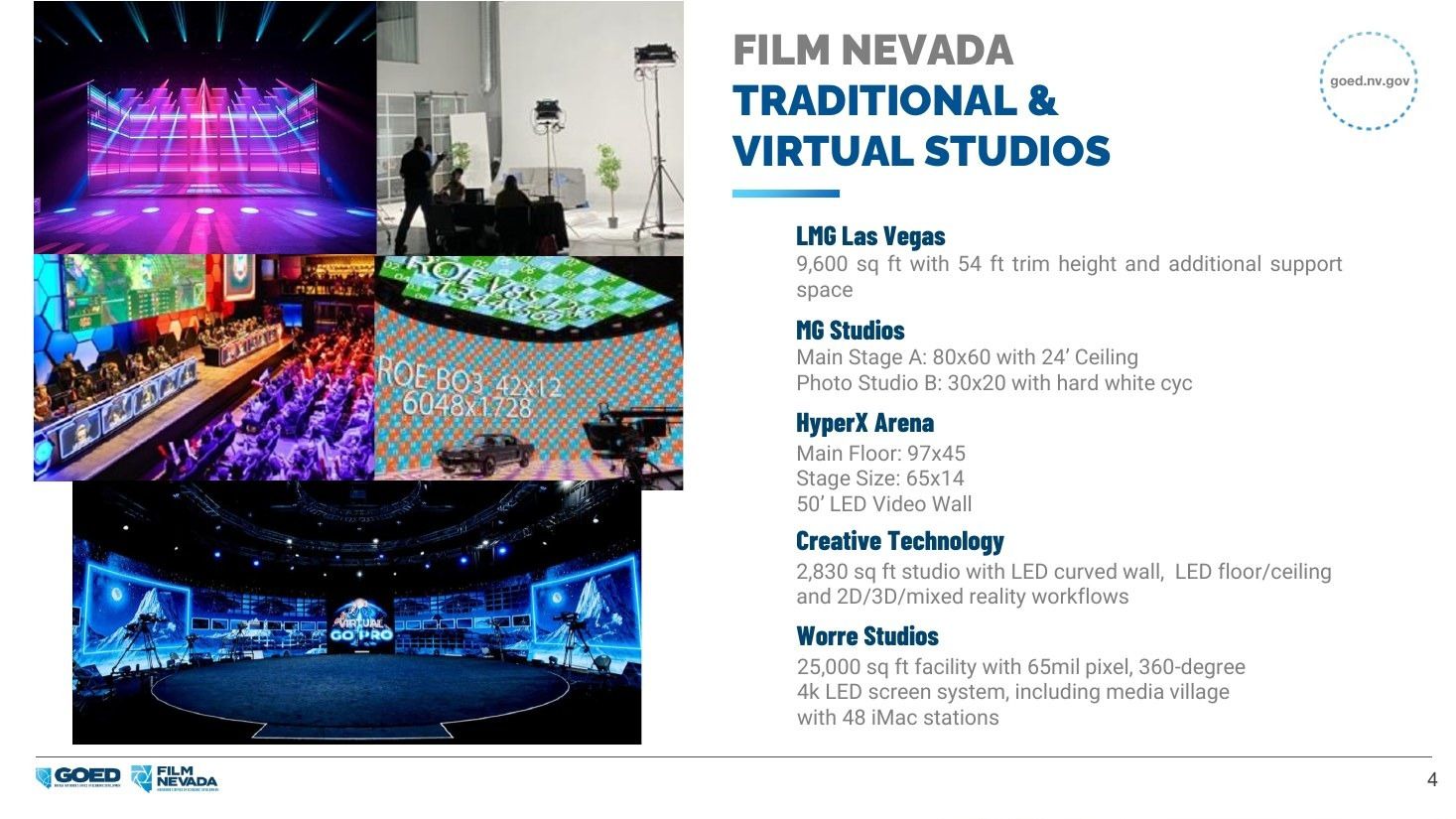
| Facility | Type | Key specs |
|---|---|---|
| LMG Las Vegas | Traditional stage | 9,600 sq ft, 54-ft trim height |
| MG Studios | Traditional stage | Main stage 80x60 ft, 24-ft ceiling |
| HyperX Arena | Esports venue | Main floor 97x45 ft, 50-ft LED wall |
| Creative Technology | Virtual studio | 2,830 sq ft, curved LED wall, LED floor/ceiling |
| Worre Studios | 360-degree LED stage | 25,000 sq ft, 65M-pixel 360-degree 4K LED |
Nevada's main production stages. Source: Nevada Film Office presentation, ICNX 2026
From 15% to 25%, a $6 million cap, and certificates traded all year
The credit pays 15% on Nevada vendor spending and resident wages and 12% on non-resident above-the-line talent. A 5% bonus applies when more than half of below-the-line workdays go to residents, and another 5% when more than half the shooting days are in a qualified county. Spurgeon described that as anywhere outside Clark County, home to Las Vegas; state rules limit it to counties with under $10 million in qualified production spending in each of the prior two years.
The cap is $6 million (about 8 billion won) per project. Because the credit is not a rebate, foreign producers sell the certificate to a company that owes Nevada tax. State taxes fall due monthly and quarterly, so trading runs all year, usually below face value. Spurgeon acknowledged the program is smaller than Georgia's or New Jersey's.
Seventeen years after The Hangover, a SetJetters partnership targets "Netflix tourism"

Film Nevada has partnered with SetJetters, an app that shows which films, shows and games were shot where the user is standing. In Korea, Spurgeon said, it mostly brought up KPop Demon Hunters and Parasite, and she visited the palace featured in KPop Demon Hunters. She called the trend "Netflix tourism."
K-pop at Sphere in Las Vegas would have global reach, she added. Citing the immersive district AREA15 and the Instagram-famous Museum of Ice Cream, she said places need experiences of real value, not just good photos.
Incheon is "Korea's gateway"; INSPIRE follows the Las Vegas model
Spurgeon described Incheon as Korea's international gateway, where foreign visitors land first and should be held before they move on to Seoul. She compared the INSPIRE Entertainment Resort (인스파이어 엔터테인먼트 리조트) beside the airport to the Las Vegas approach of catching audiences at the entrance. The gap, she said, is reasons to gather at night.
Korean producers using Nevada's credit need to plan the certificate sale up front
Film Nevada belongs to the Association of Film Commissioners International, as do Korean film commissions. A $10 million budget and $6 million cap suit mid-size foreign productions more than studio tentpoles. A Korean producer shooting in the American West must meet the $500,000 and 60% thresholds and arrange the discounted sale of the certificate to a Nevada company in advance for the credit to turn into cash.
Korean local governments and broadcasters have measured shoots by production-period spending and jobs. Counting the long-tail tourism Spurgeon described would add location-app partnerships, filming-site experiences and night-time programming to what follows a shoot.