

Regional AX Bridge @ Korea 2026
A week to the Oct. 13–14 event at COEX… 20 companies finish diagnostics, consulting and market testing; nine name Japan and 10 name Southeast Asia; NIPA's Jung Su-jin says the final stage is decided on merit
The first Regional AX Bridge @ Korea (지역 AX 브릿지@KOREA) is a week away. The Ministry of Science and ICT (과학기술정보통신부) and the National IT Industry Promotion Agency (정보통신산업진흥원, NIPA) hold it on Oct. 13 and 14 on the second floor of COEX THE PLATZ (코엑스 더플랏츠) in Seoul.
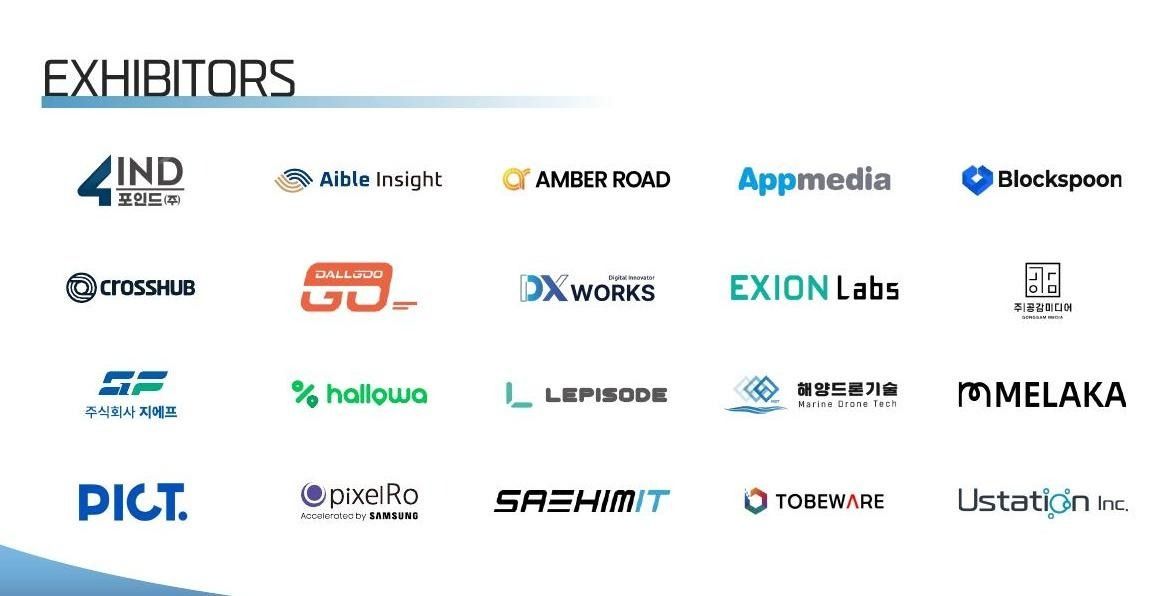
Twenty AI companies headquartered outside the capital region will present their technology and services and hold one-on-one meetings with overseas buyers, investors and adopting institutions. Attendance is planned at about 500, and a contract and memorandum of understanding signing session sits on the opening-day program.

Preparation for the 20 companies is finished. Applications closed July 3 and selections were notified July 13; 20 in-person diagnostic sessions ran to early August; the commercialization consulting that began Aug. 25 closed on Sept. 29. A month-long market-viability test ended with September, and buyer invitations and meeting matrices were circulated through Oct. 2. At a participant session in Gangnam, Seoul on Aug. 28, 15 of the 20 presented their businesses, technology and overseas plans.
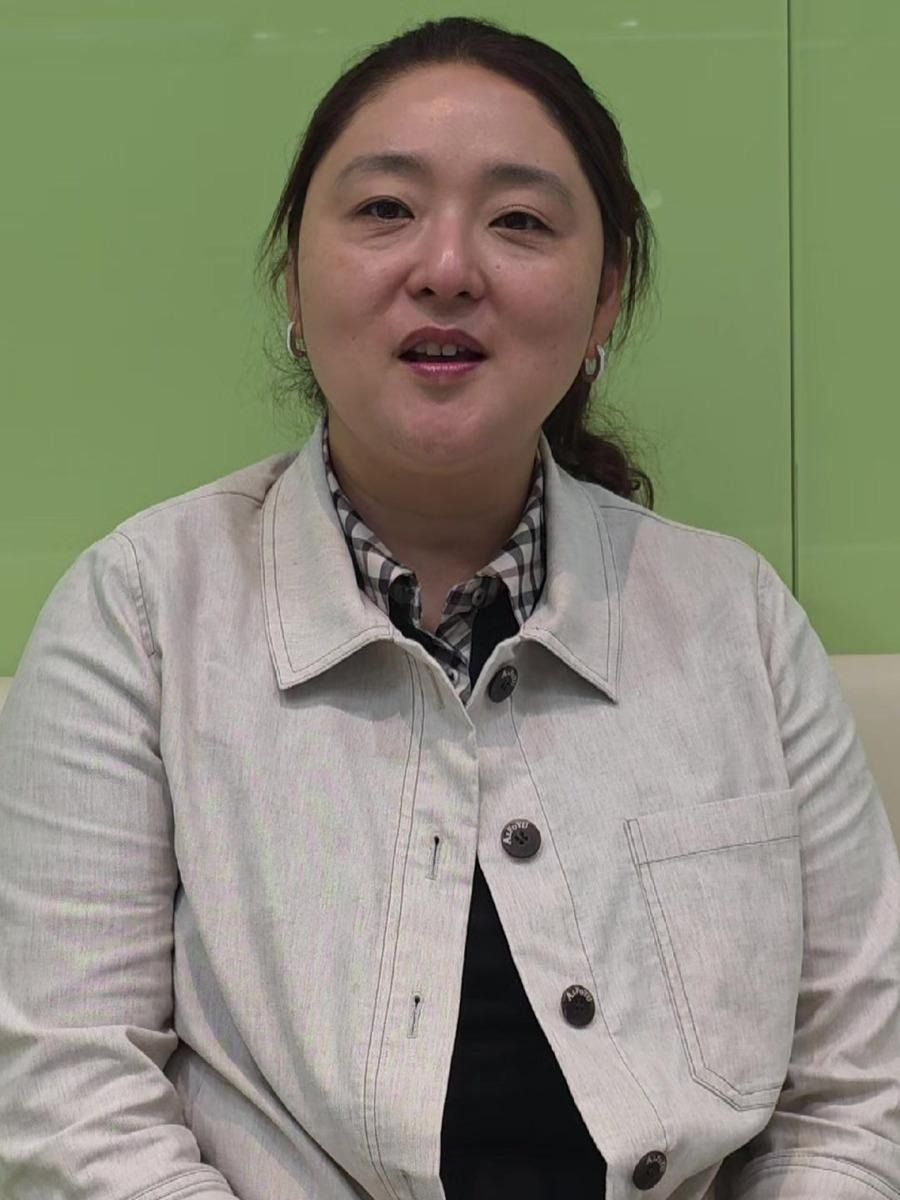
Jung Su-jin (정수진), head of NIPA's regional AX division and the architect of the program, locates the competitiveness of these companies in specialized domains. "The strength of companies based in the regions is in solving issues tied to a specialized domain with technology." General-purpose AI is hard to differentiate abroad; a company that has been solving problems bound up with an industrial site — manufacturing, agriculture, maritime, drones — is a different proposition.
"The gap predates AX"… from five or six years of trade-show trips to diagnostics and consulting
Jung said she was watching the regional gap in digital transformation before AX became a policy term. Software, digital technology and the people who work with them are concentrated in Seoul and the capital region, while the regions have had less of the foundation to internalize technology and fewer routes to find and apply what they need.
"IT and software went ahead somewhere first and the regions followed behind. But AI took off as a field very quickly. We thought the strategy had to be to build the foundation faster so the regions could follow immediately."
NIPA supported regional companies' participation in overseas exhibitions for about five or six years. As similar programs multiplied, the agency concluded that taking companies to a venue was not producing the next stage of results. The replacement starts with a company-level diagnostic, narrows partner candidates through commercialization consulting and market research, and connects to meetings with buyers and adopting institutions.
Support runs through an expert pool. Where that pool cannot answer a question, the agency finds an outside expert to match or relays an opinion. Jung described the pattern she sees: good ideas carried as far as a working technology, then a block at commercialization or at entry into an overseas market, which is where expert tuning is needed.
"At the final stage, merit over regional quota"… five companies from Daegu, none from the capital
Capability came before regional balance in the selection. Supporting regional companies is the original purpose, but dividing places by region makes it harder to pick out companies that can reach overseas business.
"The opportunity has to be open across the regions. But at the stage of doing outside business and reaching the final track, I thought it had to be judged strictly on merit."
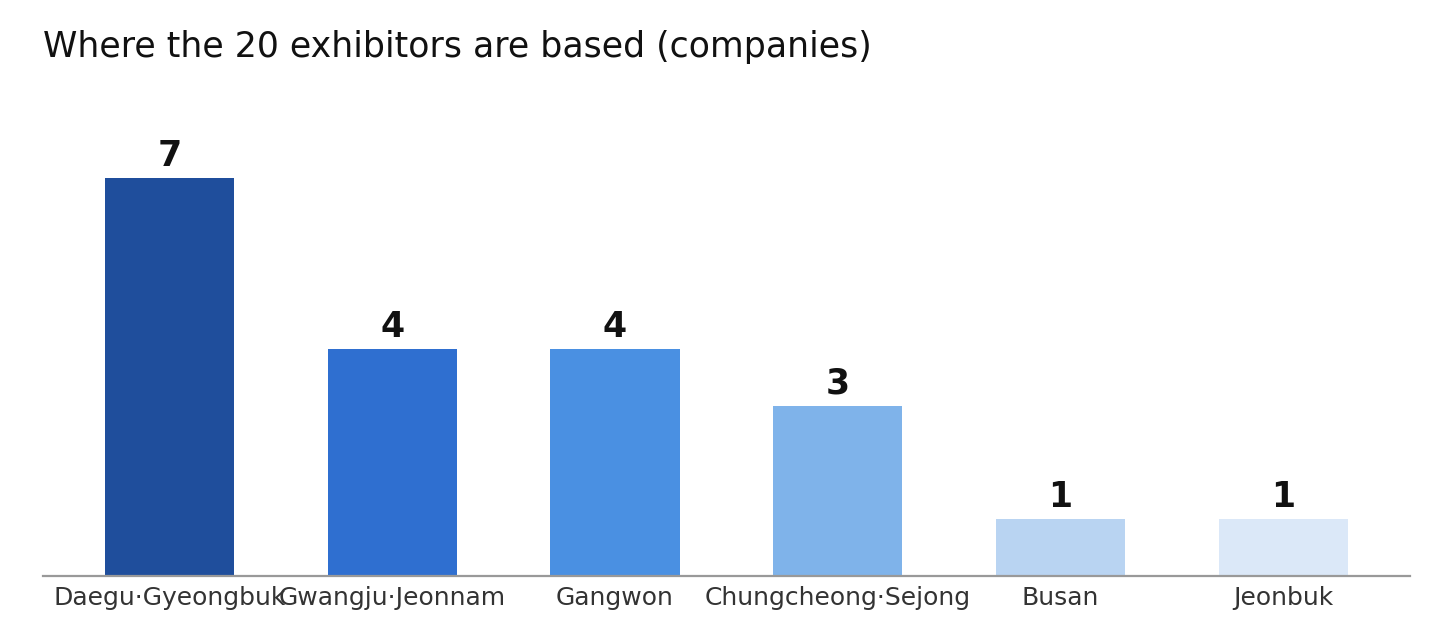
By location, seven of the 20 are in Daegu and Gyeongbuk, four in Gwangju and Jeonnam, four in Gangwon, three in the Chungcheong area and Sejong, one in Busan and one in Jeonbuk. Five come from Daegu alone, and none is headquartered in the Seoul metropolitan area.
As a first edition, the reception was cautious. Companies wanted to know how it differed from existing exhibition and consultation support and what follow-on support they would receive. "At first some companies were unsure whether it would help," Jung said. "Through the briefings and programs, I think companies with real potential came in this year."
Appmedia's Malaysian textbooks, pixelRo's procurement win… what the companies brought to the session
Several presentations turned on results already booked abroad. Appmedia (앱미디어) of Chuncheon signed a four-way memorandum on April 16 at Universiti Pendidikan Sultan Idris (UPSI) in Tanjung Malim, Perak, together with Sahmyook University (삼육대학교) and the Malaysian e-publisher Appbooks.
The work covers an interactive Malay-language module for early literacy in grades one and two, funded at 472,000 ringgit (about 175 million won).
CEO Park Sung-hoon (박성훈) said the route ran through POSCO International's (포스코인터내셔널) large–small business cooperation program: some 60 overseas trips over three years, a meeting with local education executives at an export consultation event in Kuala Lumpur, and a demonstration that December of English, science and mathematics editions at the education ministry in Putrajaya, before a group of about 30 that included a vice minister. Appmedia says it has agreements with 82 companies in 13 countries.
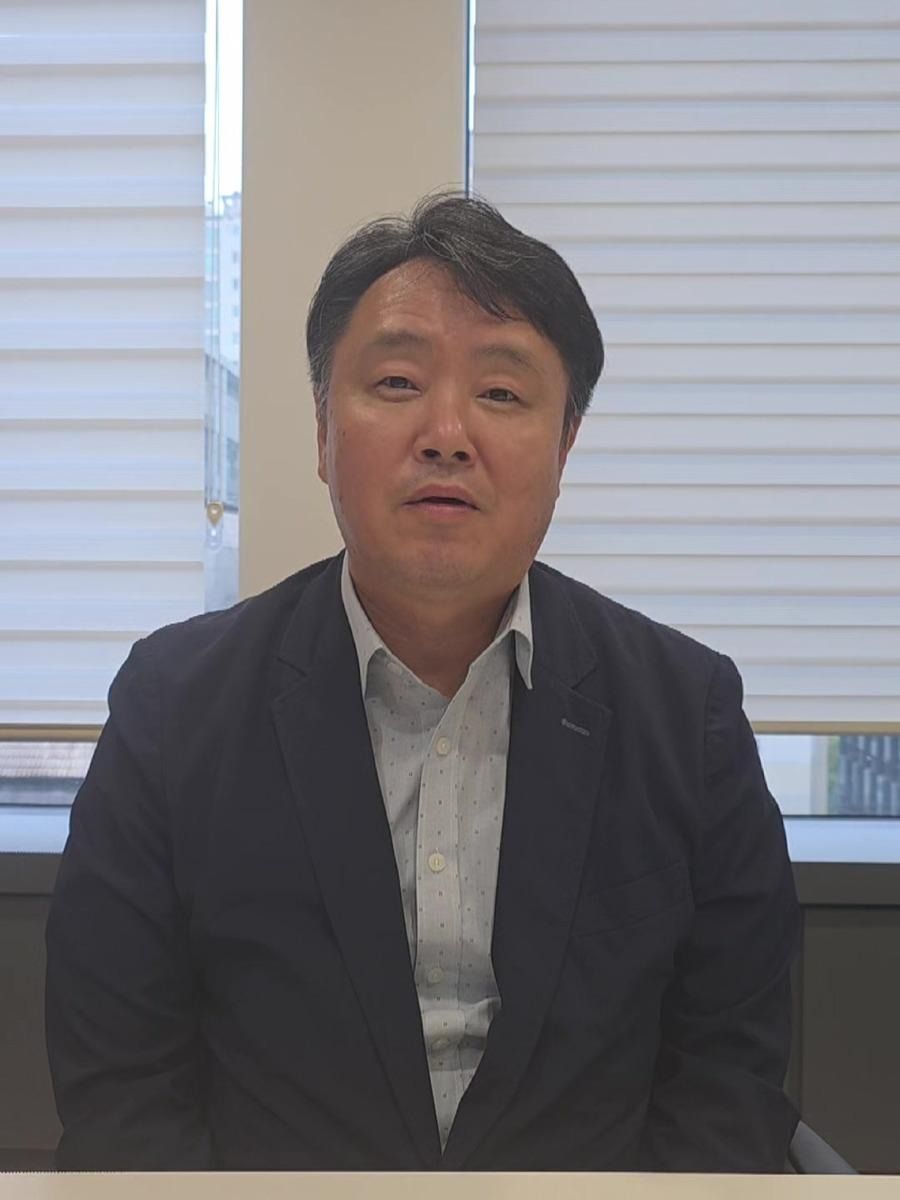
pixelRo (픽셀로) of Daegu sold abroad first and added domestic procurement later. It has sold samples into Indonesia, Dubai, India, Australia and Canada, with real sales in Indonesia and the United Arab Emirates. Korean public procurement began this year: its AI eye-health self-screening solution was designated an innovation product last month, listed on the Innovation Marketplace, and has cleared a tender to reach the contracting stage.
It is also on the Public Procurement Service's third innovation-product pilot purchase list for 2026. CEO Kang Seok-myung (강석명) described the AI's role as the nurse's job rather than the doctor's: vision tests depend on distance, older users struggle to hold it, so the device measures distance and will not operate until conditions are met.
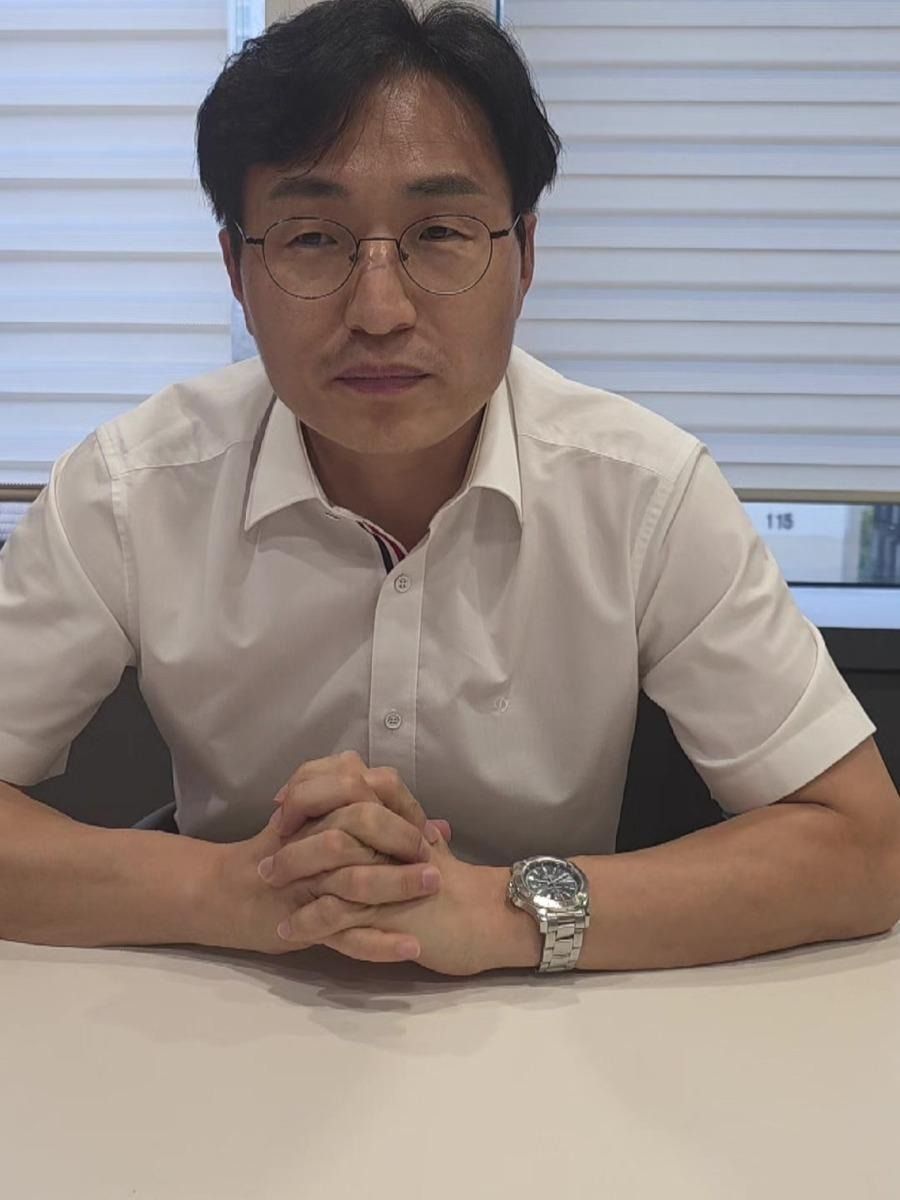
Gonggam Media (공감미디어) of Gwangju turned the data accumulated from producing webtoons into background assets.
It launched the Baekyeong Kit brand in 2019 and now runs the BG Plus (비지플러스) platform, selling its own catalogue while hosting outside creators. New assets are produced through crowdfunding once or twice a month, with revenue split evenly on co-produced work. CEO Lee Jae-hoon (이재훈) said an institution had recommended the program, and that "operating only inside Korea is a constraint, more so because we are a regional company."
Others named markets and timing. Blockspoon (블록스푼) of Daegu entered Indonesia with its Kolleges credential platform and is preparing Mongolia. Hallowa (할로와) of Wonju targets 30 commercial sites this year and 150 to 200 next year for its AROS space operating system.
Ustation (유스테이션) of Chuncheon is pursuing U.S. Food and Drug Administration clearance for its portable ECG device, TOBEWARE (투비웨어) of Sejong flagged a SaaS conversion and a domestic launch in October, and Crosshub (크로스허브) of Jeonju will take its IDBlock identity service and payment card abroad starting with Japan.
Nine name Japan, 10 name Southeast Asia… and they are looking for different counterparts
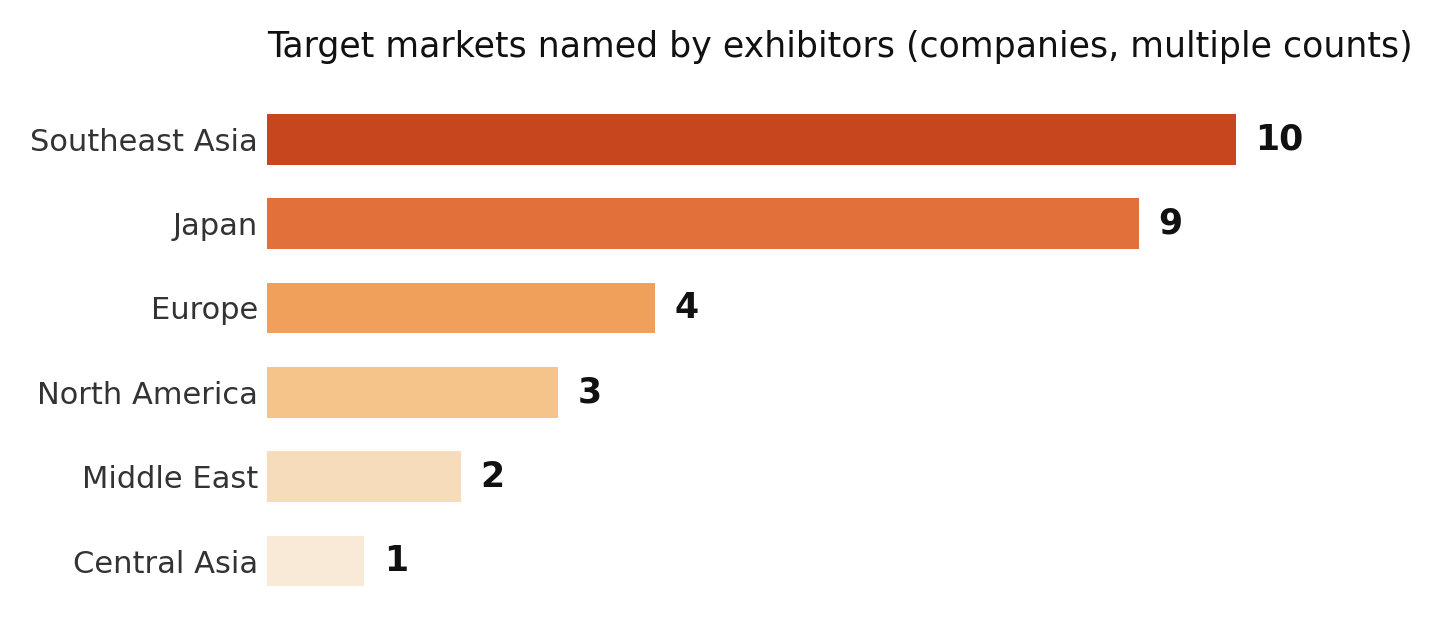
Counted across the matching targets the companies submitted, nine name Japan and 10 name a Southeast Asian country, with the two lists overlapping. Three name North America and four name Europe, and one company each targets Central Asia and the Middle East.
Within those same markets the counterparts differ. SAEHIM Infotech (새힘정보기술) of Cheongju named pharmaceutical, bio and cosmetics manufacturers and contract development and manufacturing organizations across China, Vietnam, Thailand, Indonesia and Malaysia.
LEPISODE (레피소드) of Gwangju named Japanese chain operators with branch or franchise networks, and Marine Drone Tech (해양드론기술) of Busan named deep-sea fishing operators in Taiwan, Japan and the Philippines. Crosshub listed Japanese local governments and financial firms separately, proposing regional-economy pilots for the former and multi-currency payment and identity integration for the latter. DX Works (디엑스웍스) of Daegu split its list by market: HR-tech platforms and vocational training institutions in Singapore and ASEAN, regulation-exposed automotive, battery and textile manufacturers in the EU, and digital wallet operators in Japan.
Signings at the opening ceremony, four tracks and 12 sessions… NVIDIA's Simon See delivers the special speech
The opening ceremony starts at 11 a.m. on the first day on the main stage. A welcome address and a briefing on the regional AX program are followed at 11:30 a.m. by a 20-minute contract and MOU signing session, then a VIP exhibition tour and luncheon. A networking reception begins at 5 p.m.
The conference runs four tracks and 12 sessions: the global AX contest and the current state of regional AX in Korea on Oct. 13, and AX in consumer-facing industries and the shift to vertical AI on Oct. 14. Simon See, global head of the NVIDIA AI Technology Center, delivers the special speech on the morning of Oct. 14 under the title "The New Frontier: From the Next Word to the Next World." The global session features Chen Chao, head of the Sino-Korea Torch Innovation Center; Noriyuki Takahashi, senior vice president at Insight Technology; and Lian Jye Su, chief analyst at Omdia.
The domestic tracks feature Shim Min-seok (심민석), president and CEO of POSCO DX (포스코디엑스); Yoon Dae-gyu (윤대규) of HD Hyundai Heavy Industries (HD현대중공업); Park Hye-jun (박혜준) of SK Energy (SK에너지); Ahn Jong-hoon (안종훈) of Amorepacific (아모레퍼시픽); Heo Won-jin (허원진), CTO of MyRealTrip (마이리얼트립); Jeon Jun-hee (전준희), CTO of Musinsa (무신사); attorney Seok Ji-woon (석지운) of Yulchon (법무법인 율촌); and Son Myung-hee (손명희) of Samsung Medical Center (삼성서울병원).
Results counted as MOUs, technology agreements, revenue and pilots… with the overseas offices to follow
What Jung counts as a result does not stop at meeting numbers. The test is whether an MOU with a counterpart, a technology agreement, revenue or a pilot discussion carries into follow-on business.
"Interim checks tell me there are companies at those stages. For now it touches their commercial confidences, so I cannot give specifics. I hope we can describe several cases around the end of the year."
"@KOREA" sits in the name because the design brings overseas buyers and adopting institutions into Korea rather than sending companies out for one-off meetings. Companies that show potential are connected to NIPA's overseas offices for follow-on partnerships. The agency has bases in Silicon Valley, Singapore, Hanoi, Ho Chi Minh City, the UAE and India, and added a New York desk in 2024.
Three follow-on programs are planned: a recruiting match that surveys hiring needs and runs interviews on site, an overseas participation program covering travel and accommodation for trade shows abroad, and a results report compiling each company's support history, buyer list and follow-up tasks. Companies selected for travel support were due to be announced on Sept. 30, and eligible markets are limited to events held before CES in January 2027.
3.1 trillion won across four regions, 1.4131 trillion won for physical AI… the first year of the cycle
The event falls in the first year of budget execution for the regional AI hub program. On Aug. 22, 2025, the government approved a preliminary feasibility study exemption for AI innovation hubs in Honam, Daegyeong, the Southeast and Jeonbuk, covering 3.1 trillion won (about $2.2 billion) in national, local and private funding, with execution beginning at 177 billion won (about $126 million) in national funding for 2026. The ministry and NIPA reported at a December 2025 review meeting that they had supported 393 companies across the five megaregions and three special provinces in 2025, with a 55 percent commercialization success rate, 2,126 jobs created and 17 CES 2026 innovation awards.
A larger program on the same track has also started. The ministry and NIPA held a kickoff briefing on Sept. 16 at the Novotel Ambassador Dongdaemun in Seoul for the Jeonbuk and Gyeongnam physical AI research and development program, sharing a five-year roadmap covering 2026 to 2030 at a total of 1.4131 trillion won. Jeonbuk receives 736.8 billion won to develop a physical AI software platform on which different robots and equipment collaborate, along with a demonstration complex in Wanju; Gyeongnam receives 676.3 billion won for precision control and a large action model for human–AI collaboration, with Seoul National University, Kyungnam University, LG AI Research and Hanwha Ocean taking part. Jung also serves on the physical AI task force and named data specific to physical AI — collected, quality-verified and carried through to deployment — as next year's priority.
Year-end cases are the first test… and Japan remains a gap in the network
What the program produces will be judged less by meeting counts over two days in October than by what survives them. The travel support selection and the year-end cases are the first test. How many of the MOUs, technology agreements, revenue lines and pilots Jung described convert into signed business will be the argument for next year's edition.
A structural gap remains. Japan is the market the most companies named, and NIPA has no office there. ASEAN is covered from Singapore and North America from Silicon Valley and the New York desk, so network and demand line up; the nine companies that named Japan have to find local partners another way. Jung's own assessment points at the same place.
"In the end you need something distinctive. Finding a local partner matters, and the best approach is to look for a counterpart where the industry that region is pushing, the company's technology and the terms of collaboration line up exactly."