
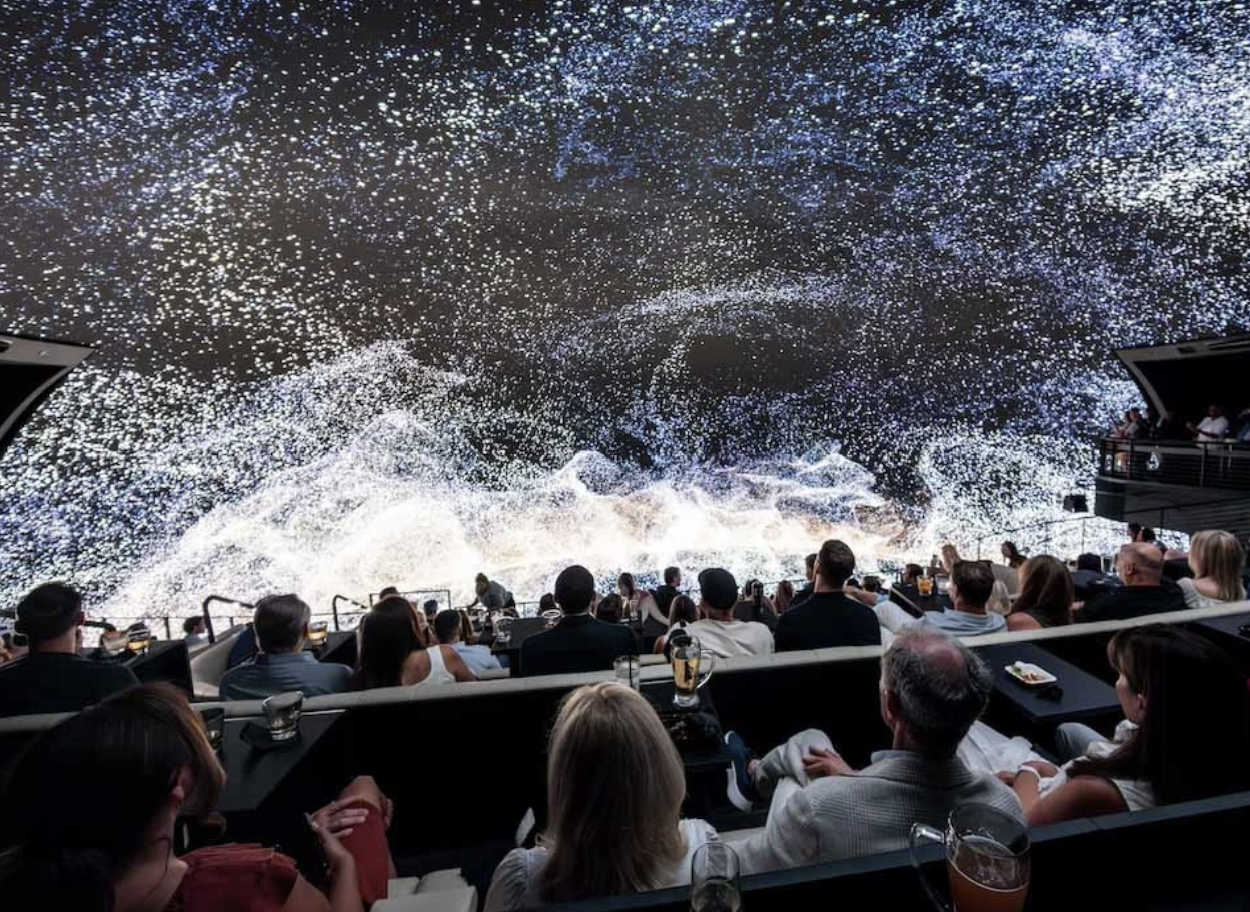
How Immersive Dome Technology Is Reshaping Entertainment Economics and Opening New Frontiers for Korean Content
The Experience Economy Era: What Gets People Off the Couch?
"What do fans want? What was it going to take to get them off the couch to go out and interact and experience things?"
As streaming markets enter maturity, the entertainment industry is searching for its next growth engine. With subscriber growth slowing at Netflix, Disney+, and Amazon Prime Video—and questions mounting about content ROI—the industry's attention has turned to the "Experience Economy."
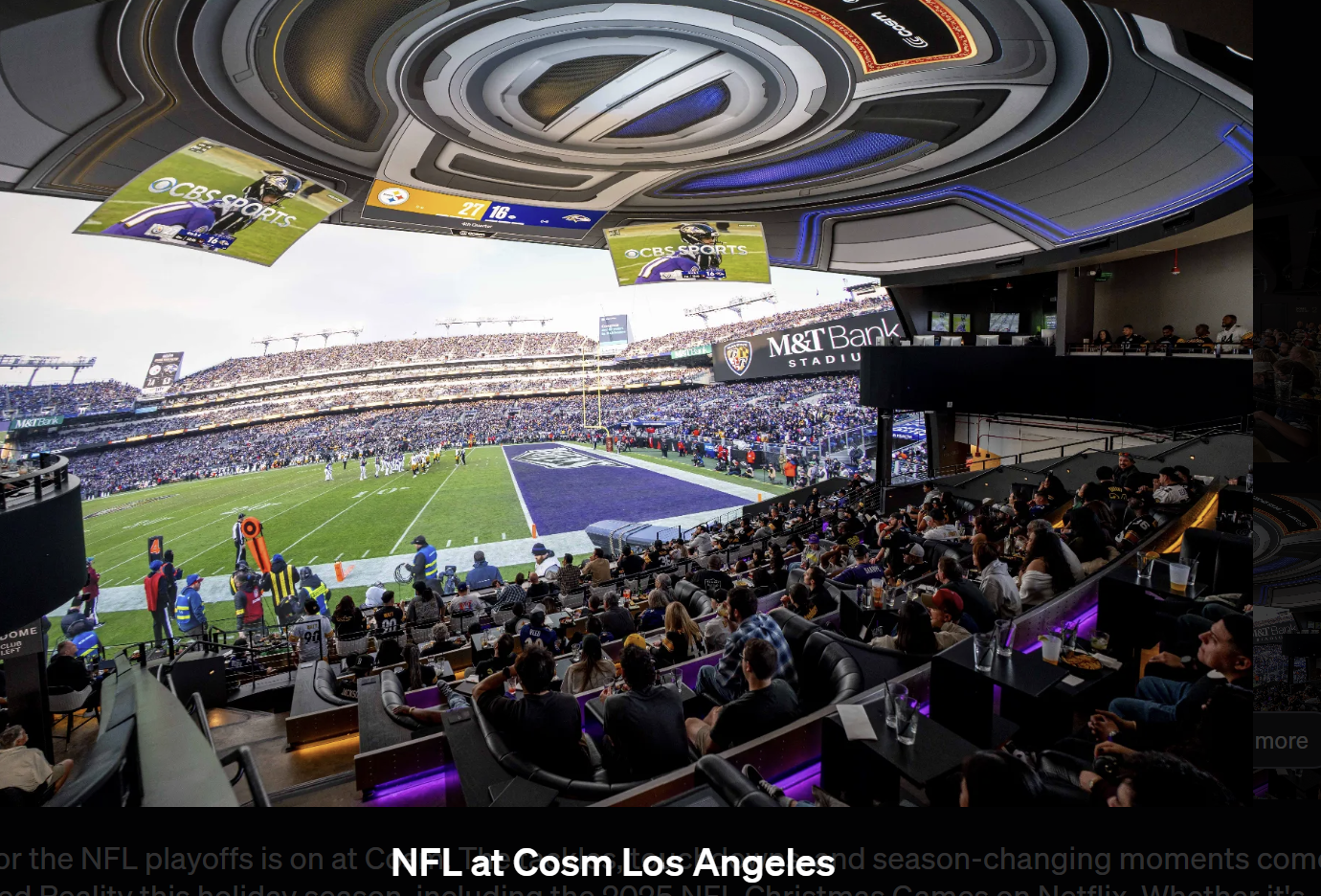
In an age of infinite content at our fingertips, what can draw people out of their homes? Cosm, a startup that adapted planetarium dome technology for sports and cinema, offers an answer through "Shared Reality"—a new form of immersive, collective experience.
Key Highlights
| Metric | Figure |
|---|---|
| Investment raised (2024) | $250 million |
| Wizard of Oz revenue at Sphere (4 months) | $130 million |
| Annual events per Cosm venue | 1,200+ |
| Traditional stadium events per year | 40-80 |
| Ticket price range | $11 - $200+ |
| Dome diameter | 27 meters (87 feet) |
| Resolution | 12K |
| Field of view | 180 degrees |
From Space to the Sidelines: The Technology Revolution
Planetarium technology is leaving the cosmos behind and descending to the sports sideline. Originally developed for celestial observation, dome projection technology is evolving into the next-generation immersive media platform for entertainment.
Cosm's journey began in space—literally. In 2020, the company acquired the world's largest planetarium company, inheriting decades of expertise in projecting stars, galaxies, and the birth of the universe onto massive dome screens.
"We've been making dome displays for a long time. That was our foundation," Cosm executives explained. "And we thought: 'Can we use the same technology that took people on journeys through space to recreate the baseline of a basketball court or the sideline of a football field?'"