
LIKELION (멋쟁이사자처럼) opens a Physical AI Data Lab in Ho Chi Minh City; about 100 workers trained and some 2,000 hours captured, with the lab set to open to Korean labs and companies
LIKELION opened a Physical AI Data Lab in Ho Chi Minh City on Nov. 9. Trained workers wearing cameras and tactile gloves collect task data in local factories; about 100 have logged 2,000 hours since September. The lab will open to Korean labs and companies.
South Korean tech-education company LIKELION (멋쟁이사자처럼) has opened a site in Ho Chi Minh City dedicated to collecting real-world data for physical AI, the class of AI that lets robots perceive and act in physical environments. The company said Monday that its Physical AI Data Lab opened on Nov. 9.
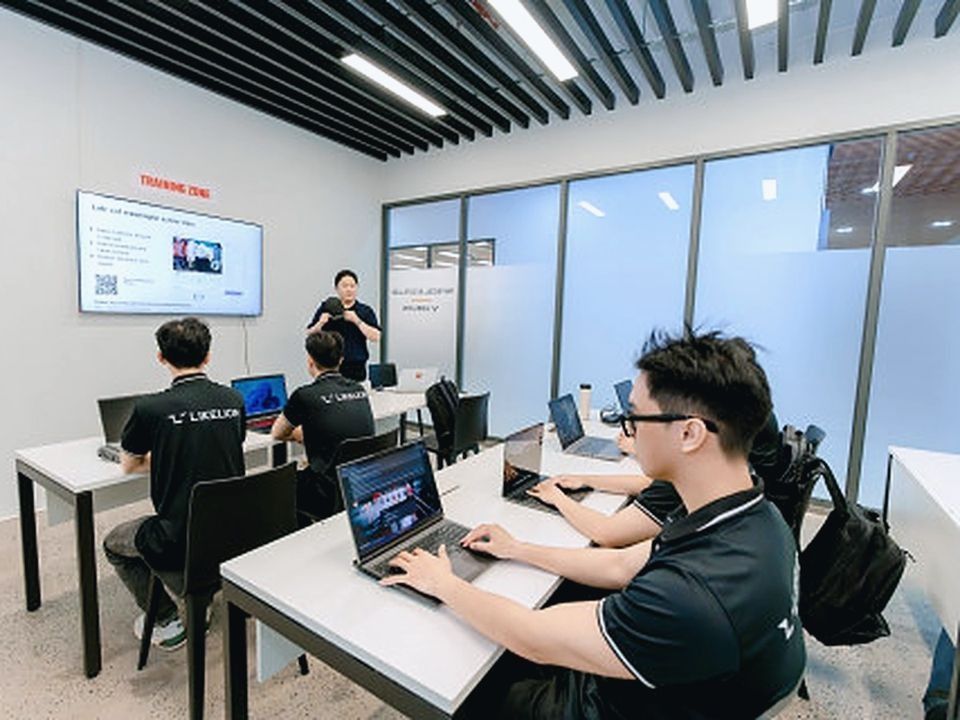
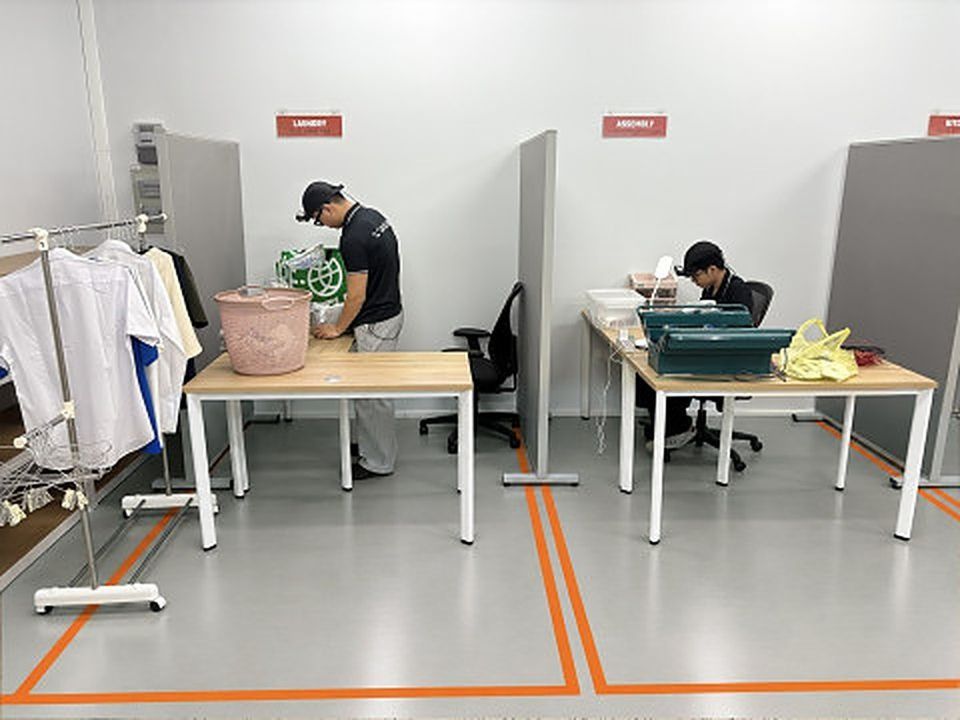
The roughly 131-square-meter lab is split into a training area, a review and equipment area, and a collection floor. The floor holds seven work cells — kitchen, laundry, living, café, packaging, assembly and precision work. Workers wear vision devices on the head and wrists, along with tactile gloves, while performing real tasks, and the recordings become training data for robots.
Train in the lab, collect in the factory: 100 workers, 2,000 hours
Workers who finish training at the lab go out to local factories to collect data, which is then reviewed back at the lab. LIKELION ran its first on-site collection at two Vietnamese factories in September, before the official opening, and has since completed three cycles linking training and field collection. About 100 people have completed training and taken part so far, logging some 2,000 hours of data. New workers trained at the lab on opening day were sent straight into field collection.
The project grew out of an August agreement with robot-learning data company OpenGraph Labs (오픈그래프랩스). As trade outlet HelloT (헬로티) reported on Aug. 17, OpenGraph Labs supplies the capture equipment and quality standards while LIKELION handles training and field operations, with a plan to train more than 2,000 local workers in Vietnam. OpenGraph Labs is part of the hardware ecosystem for NVIDIA’s Isaac Teleop teleoperation and data-collection solution.
LIKELION also runs an internship with a local university in Ho Chi Minh City, taking students from physical AI coursework through field practice and widening its pool of data collectors.
Lab to open to Korean researchers and companies; expansion to Korean factories planned
The Ho Chi Minh City lab will be opened to Korean university labs and physical AI companies, offering both the work environment and trained staff for R&D data collection. Companies weighing an entry into Vietnam can use it as a local collection base. LIKELION also plans to bring the model it tested in Vietnam to regional manufacturing sites in Korea.
“Physical AI data ultimately comes from real sites,” said CEO Na Sung-young (나성영). “Vietnam brings together a wide range of manufacturing sites, including the production bases of Korean companies, so we can quickly repeat the whole loop — securing a site, deploying people and collecting data.” He added that getting into factories to collect data is difficult in Korea, and that he wants the Vietnam base to serve as a channel for Korean physical AI companies and research labs to obtain real field data.
Seoul has also identified data as the bottleneck. The Ministry of Science and ICT (과학기술정보통신부) launched the second phase of its Physical AI Alliance on June 19, setting out a “K-Physical AI full-stack” agenda spanning models, data, world models and robot hardware. Deputy Prime Minister and Science Minister Bae Kyung-hoon (배경훈) said at the launch that a data-acquisition system must be in place before research can get ahead. A cross-ministry strategy released July 1 includes a government-wide data library. Once the Ho Chi Minh City lab opens to outside teams, Korean groups that struggle to get inside domestic plants will have another route to factory task data.