
Radford Studio Center goes for a reported $380 million, one-fifth of its 2021 price, giving the streaming service 22 soundstages in Studio City
Netflix bought Radford Studio Center in Studio City on Nov. 24 for a reported $380 million, about 20% of its 2021 price. It is Netflix's first owned studio lot in L.A. In Korea, Netflix still leases stages, and drama output has fallen about 30% in two years.
Netflix has acquired Radford Studio Center in Studio City, Los Angeles. The company announced the purchase on its newsroom Nov. 24. The Los Angeles Times, citing a person familiar with the deal, reported the price at $380 million. It is the first studio lot Netflix has owned in the L.A. area.
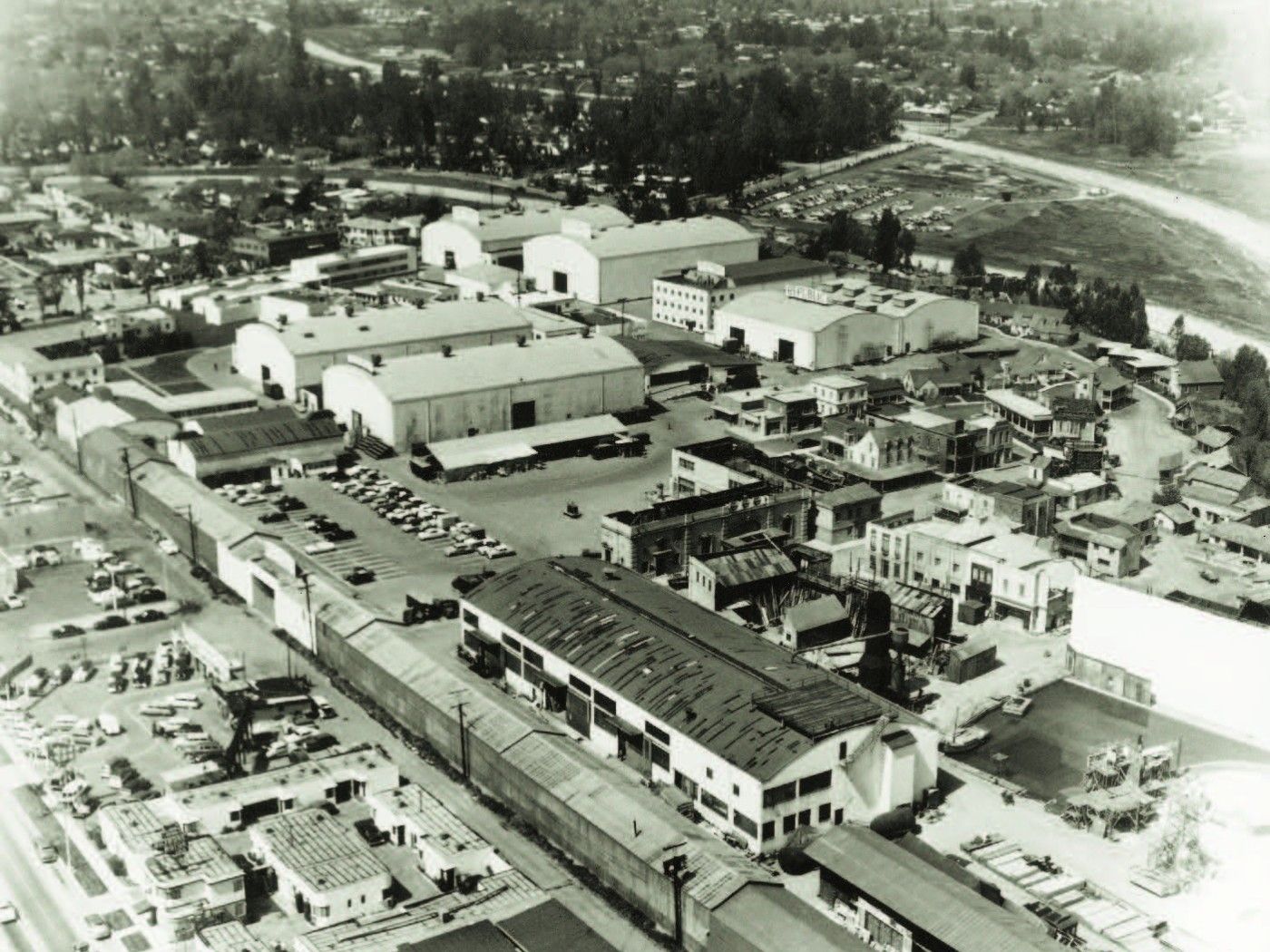
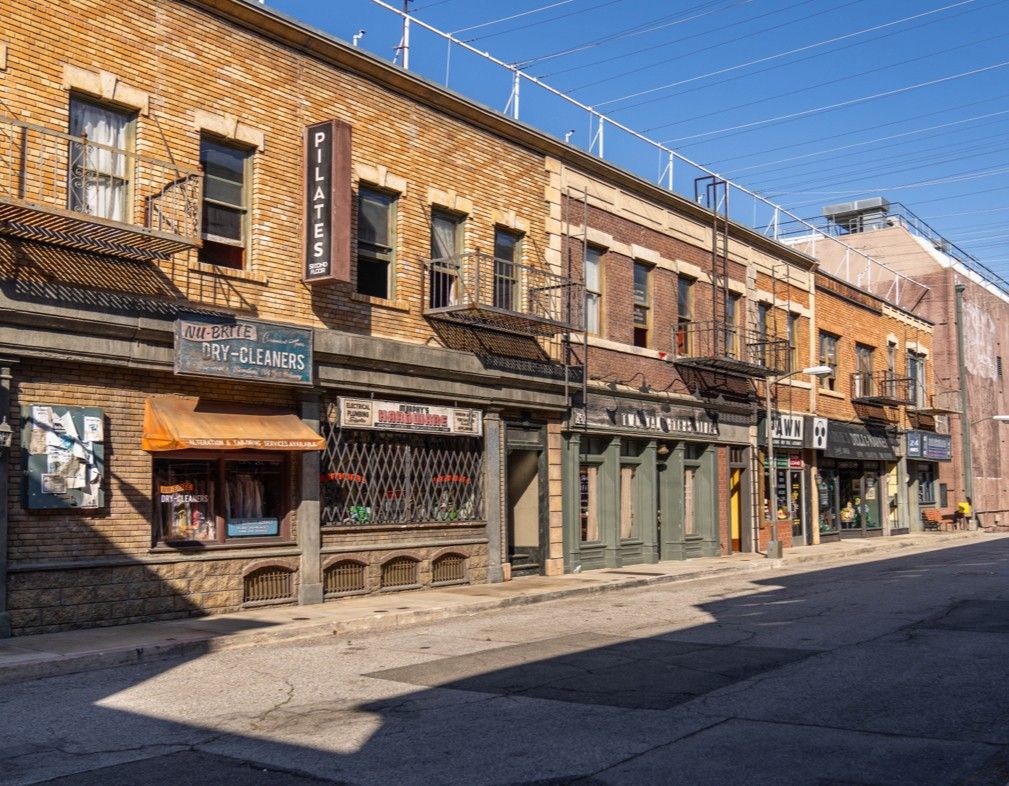
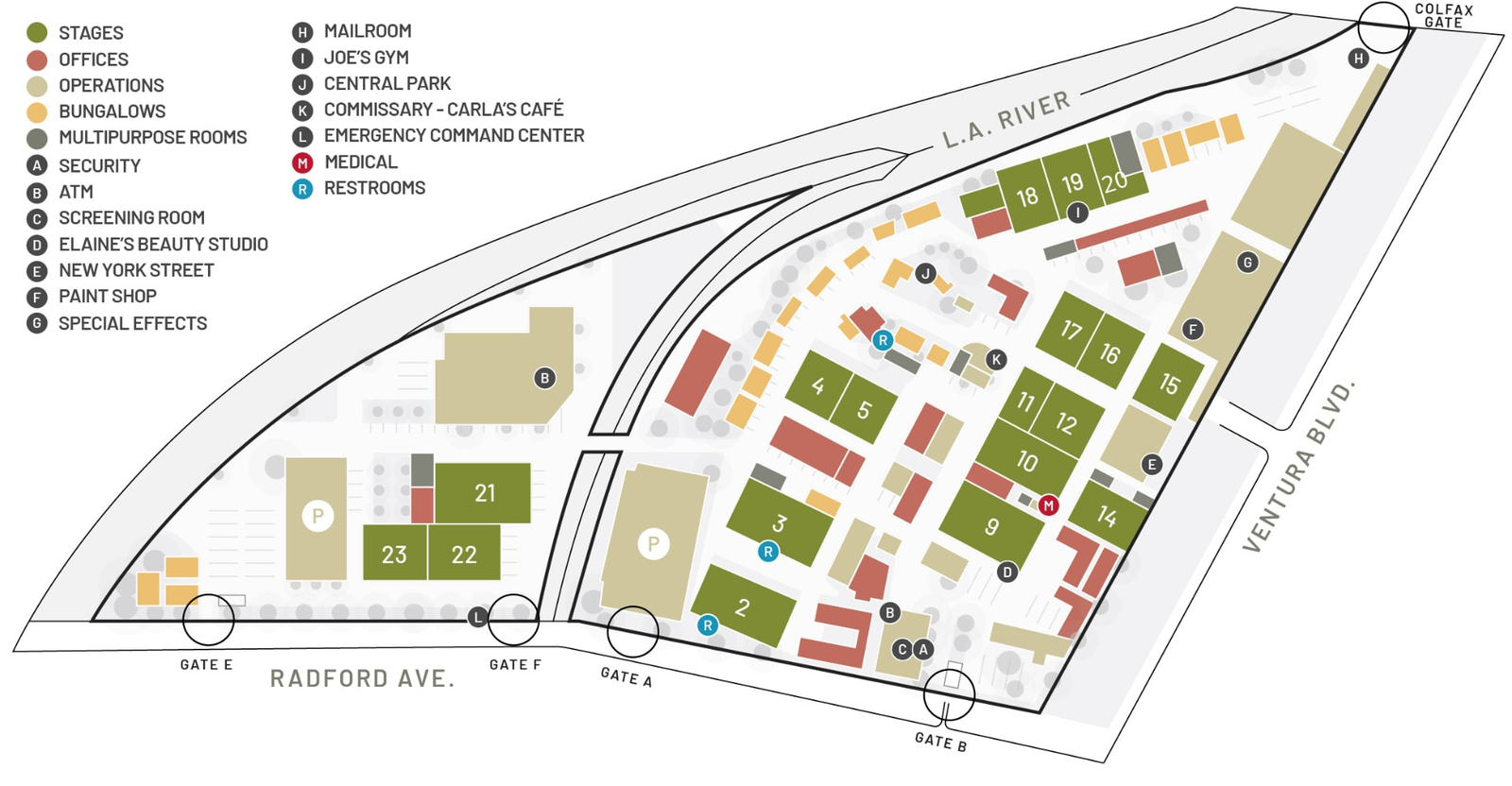
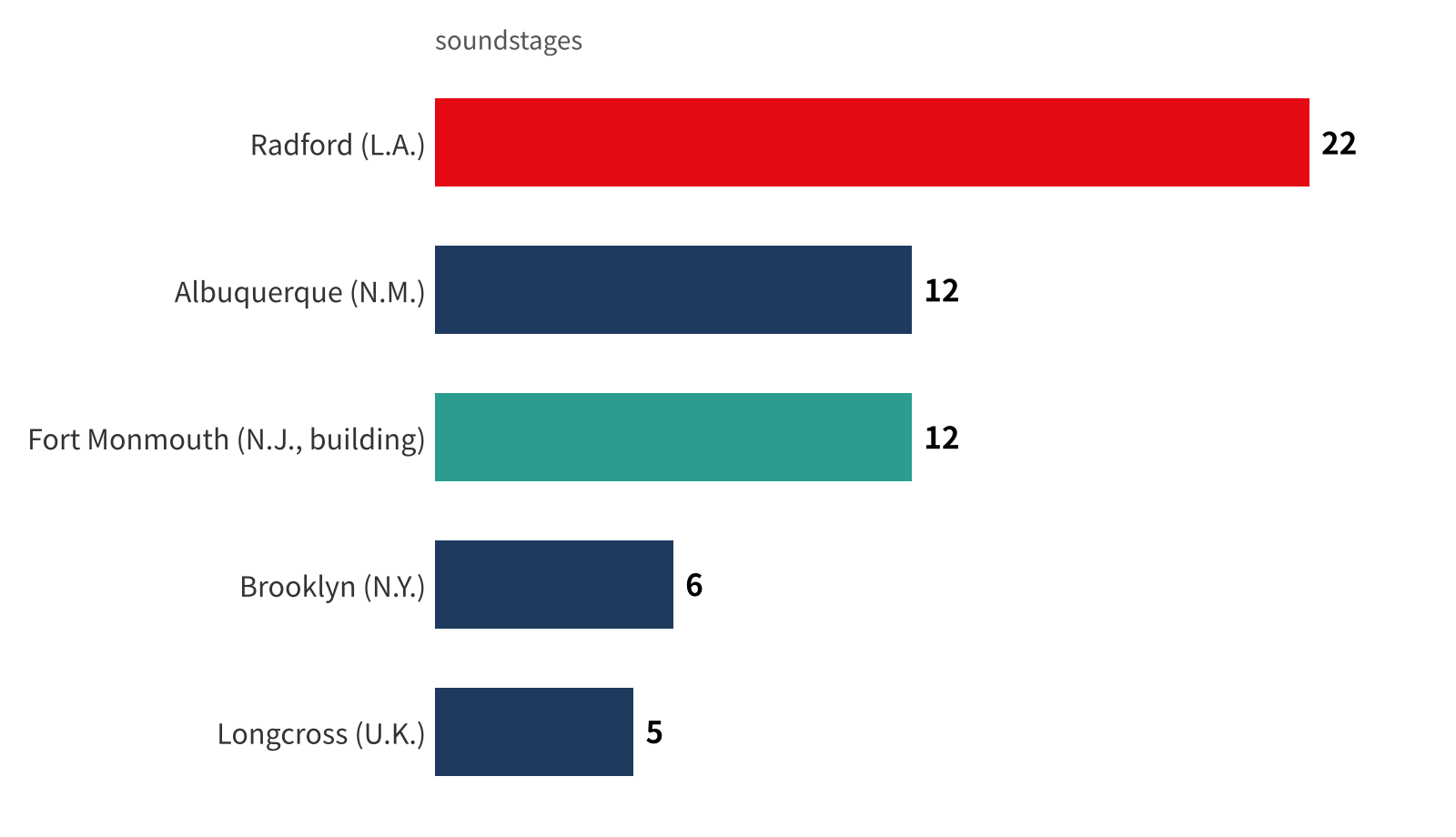
Silent-film actor, director and producer Mack Sennett founded Radford in 1928. Nicknamed "Hit City," the lot was long known as CBS Studio Center. It covers 55 acres, with 1.14 million square feet of facilities including 22 soundstages, 18 office buildings and 20 bungalows. "Gunsmoke," "Gilligan's Island," "The Mary Tyler Moore Show," "Seinfeld" and "That '70s Show" were produced there.
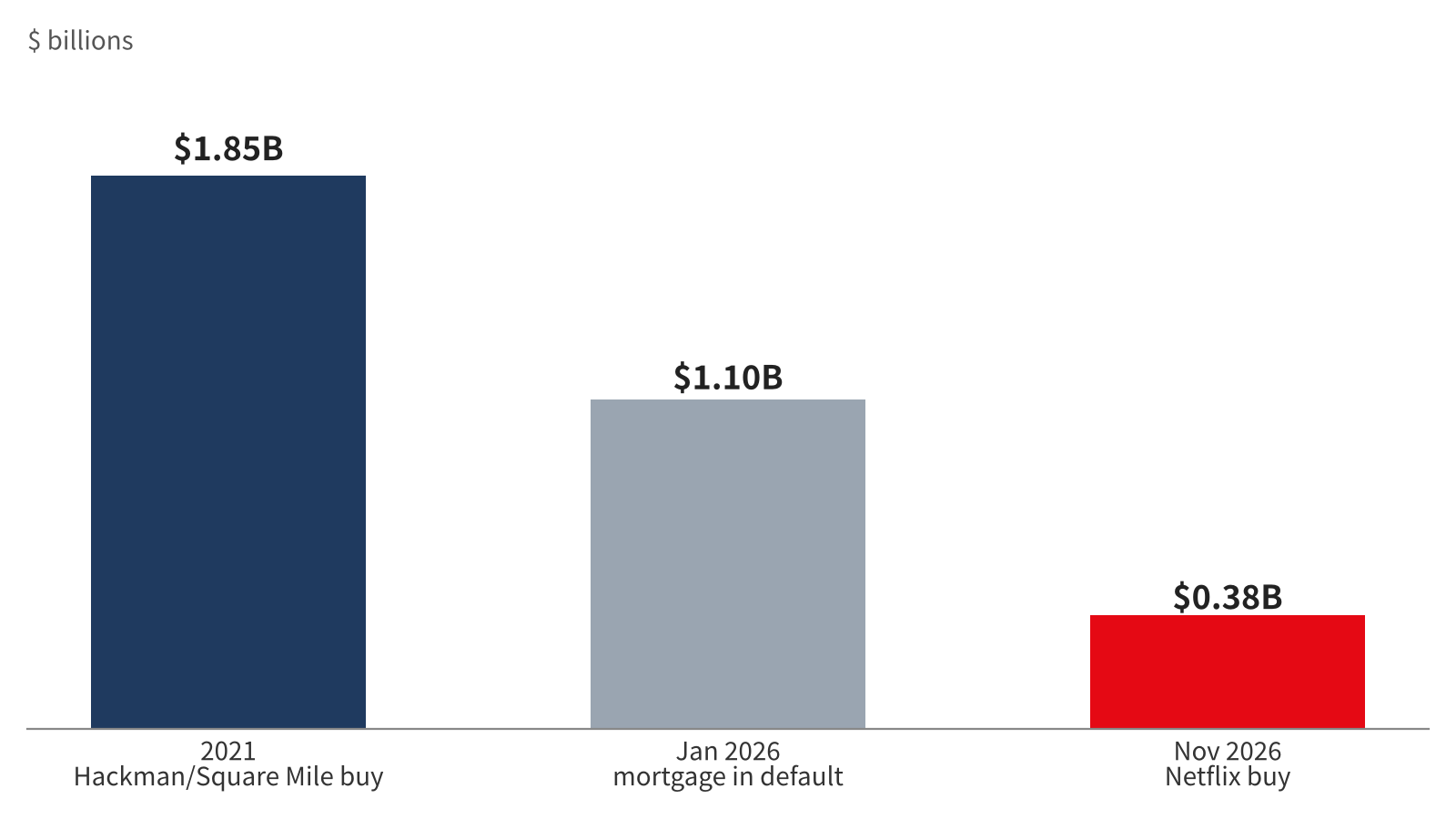
Hackman Capital Partners and Square Mile Capital Management paid $1.85 billion for the lot in 2021, buying from what was then ViacomCBS. On top of the purchase price, Netflix paid L.A.'s Measure ULA transfer tax on high-value property sales.
Netflix's price is about one-fifth of the 2021 figure. Hackman defaulted on a $1.1-billion mortgage in January as production volumes fell, and lenders led by Goldman Sachs took over the property.
Netflix's L.A. production volume drove the purchase. The company filmed 46 productions in L.A. last year and has more than 45 confirmed for this year, most of them reportedly in leased facilities. A December 2025 CoStar report cited by the Times put Netflix's leased office and soundstage space in L.A. at 2 million square feet.
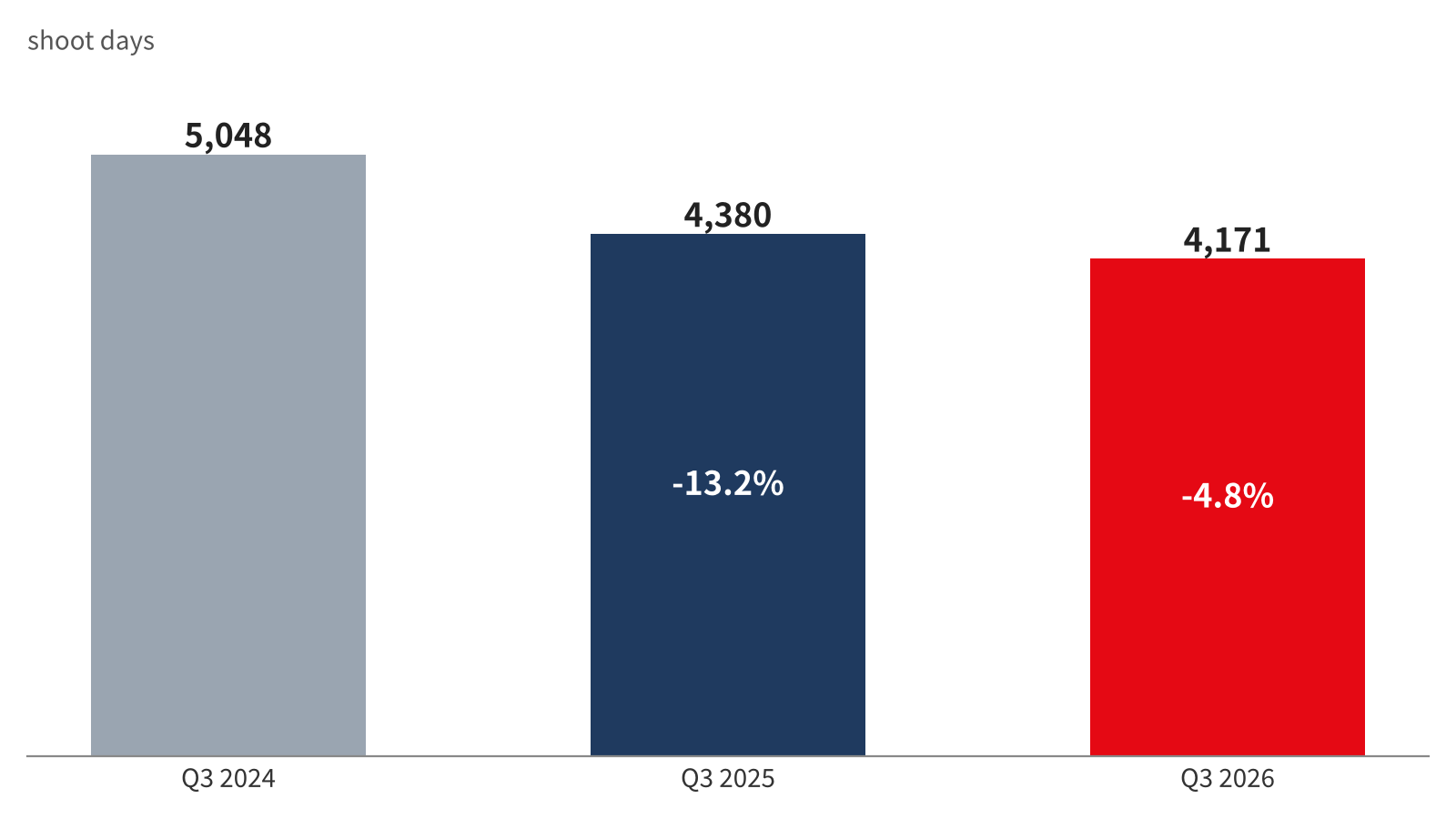
The deal is a positive for California's economy, where location shooting is still shrinking. FilmLA, the region's permitting office, counted 4,171 on-location shoot days in the L.A. area in the third quarter, down 4.8% from a year earlier and the second straight annual decline for the quarter. Netflix said it will keep the existing studio team and continue to run Radford as a production campus. "This city is home to us," the company said in its announcement.
From $1.85 billion to $380 million, via a foreclosure sale
Netflix began negotiating with the Goldman side in April. Bloomberg reported June 18 that Netflix was under contract at close to $400 million, with a third-quarter close expected.
Talks dragged on, and Netflix received extra time late in the summer to inspect the facility. Victor Coleman, CEO of Hudson Pacific Properties, Netflix's Hollywood landlord, said on a Nov. 5 earnings call that the deal had not closed. The lenders cleared title at a foreclosure sale in Pomona on Nov. 24 and handed the lot directly to Netflix.
The deal is expected to weigh heavily on L.A. studio valuations, since no major production campus had changed hands in more than five years. "This is going to set the bar," a person involved in the deal told The Hollywood Reporter, adding that lenders would use the price as a benchmark when refinancing comparable studio properties.
David Smith, interim dean of Pepperdine's Graziadio Business School, said Netflix was "stepping at the bottom of the cycle" and called it a good deal given the cost of building 22 soundstages and backlots from scratch. He also pointed to a ready-to-use lot close to showrunners and postproduction talent.
2 million square feet of leases; one campus to consolidate
Radford is Netflix's first owned studio in the L.A. area. The company leases more than 700,000 square feet at Sunset Studios in Hollywood alone, under leases running to 2031, and its owned L.A. property had been largely limited to the Egyptian Theatre in Hollywood. Radford lets it pull scattered productions onto a single lot.
Todd Holmes, associate professor of entertainment media management at Cal State Northridge, told the Times that consolidating production at Radford would cut the cost of moving equipment and managing contracts across multiple facilities, and let Netflix decide for itself how much space to lease to outside companies.
Zello's entertainment advisory arm ZVantage will handle the transition through its Backlot Studio Services platform, and Cinelease will supply production equipment. Hackman said in a statement it was disappointed to lose the lot but welcomed its continuing as a working production campus under new ownership.
46 L.A. shoots, 12 New Jersey stages: a multi-hub footprint tied to incentives
Chief Content Officer Bela Bajaria called L.A. "our home" in an Aug. 10 interview with the Times but said California's production tax credit still fell short. California excludes above-the-line costs, such as principal actors, directors and writers, and caps credits per project, while New Jersey covers those costs with no cap, she said. Emerson College producing professor Mike S. Ryan said New Jersey also wins on the speed and certainty of locking in credits in advance.
Netflix is building studios in several places outside L.A. In New Jersey, it is spending more than $1 billion to turn about 300 acres of the former Fort Monmouth Army base into a 12-stage complex. The stages open in phases from next year through 2028.
Netflix also operates the 108-acre, 12-stage Netflix Studios Albuquerque in New Mexico, six stages at Netflix Studios Brooklyn and five at Longcross Studios in the U.K.
Will Ferrell's golf comedy "The Hawk" brought nearly 300 cast and crew to Woodland Hills Country Club in 2025 and used more than 370 local vendors and 41 locations across the production. Netflix said it did business with more than 2,900 L.A. County companies in 2025, from equipment rental to catering and postproduction, and contributed more than $400 million to the city's economy. Those are company figures; Netflix also corrected its 2022 count of 70 L.A.-based productions, saying the real number was closer to 50.
Real estate buy amid 1,000 layoffs; cash-flow guidance trimmed $500 million
Netflix is in the middle of a restructuring. In October it cut about 1,000 jobs, roughly 6% of its workforce, and replaced Bajaria, who had led content for a decade, with former Disney and Fox executive Peter Rice. Rice took over Oct. 26 and oversees a content budget of about $20 billion.
In its October shareholder letter, Netflix lowered its 2026 free cash flow forecast to $12 billion from $12.5 billion, citing mainly a real estate deal expected to close in the fourth quarter. The cost benefit of owning a studio depends on stage occupancy and maintenance spending.
Netflix started by leasing in Korea; Paju builds streaming-grade stages as drama output falls 30%
In South Korea, Netflix secured production space in January 2021 by signing multiyear leases on YCDSMC Studio 139 in Paju (스튜디오139; six stages, about 9,000 square meters) and Samsung Studio in Yeoncheon (삼성스튜디오; three stages, about 7,000 square meters), a combined 16,000 square meters.
Project-finance vehicle Paju Culture Works (파주문화공작소) is building Paju On-Air Studio (파주 온에어 스튜디오) on a 49,942-square-meter site with 57,425 square meters of floor space. Phase one, due in the first half of next year, puts seven general-purpose stages and standing hospital, police station, prison and courtroom sets on one campus, built to global streaming specs including sync-sound soundproofing and ceilings up to 14 meters. Studio Dragon (스튜디오드래곤), producer of "The Glory," has taken four stages on a long-term lease.
Production volume in Korea, however, is shrinking. Twelve industry groups including the Korea Drama Production Association (한국드라마제작사협회) said at a Nov. 4 press conference that drama output, 141 series in 2022, fell about 30% over two years. They proposed a government fund of 200 billion won a year for five years, 1 trillion won (about $680 million) in total, for about 40 mid- and low-budget dramas. The Herald Business (헤럴드경제) reported that per-episode budgets of 2 billion won (about $1.36 million) became common after Netflix's entry and that domestic broadcasters and local streaming services that could not keep up have cut drama slates by nearly half.
Netflix's four-year, $2.5 billion Korea investment pledge, announced in April 2023, expires this year, and its next plan has not been announced. Radford's price fell to one-fifth in five years as production declined, and the buyer was a platform that had been a tenant. With stage supply rising and drama output falling in Korea as well, securing long-term tenants and managing occupancy have become the priority for new studio developers and broadcasters.
Closing, continuity, New Jersey openings: occupancy is Radford's next test
Netflix said it hopes the purchase marks the start of new investment in California's film industry alongside the state and the city, adding that on that partnership "there's still a long way to go." Radford's operations are not expected to change much under Netflix, and productions already shooting there will reportedly continue.
Radford's test is occupancy across its 22 stages, which Netflix titles and outside productions will need to fill. Fort Monmouth's stages open in phases from next year and will absorb East Coast work. If FilmLA shoot days keep falling, demand from outside productions will fall too. Analysts expect tax incentives to remain central to where Netflix chooses to film.