
Switch files for a 510 MW gas plant at TRIC as tax breaks and power costs shape the Nov. 3 governor’s race
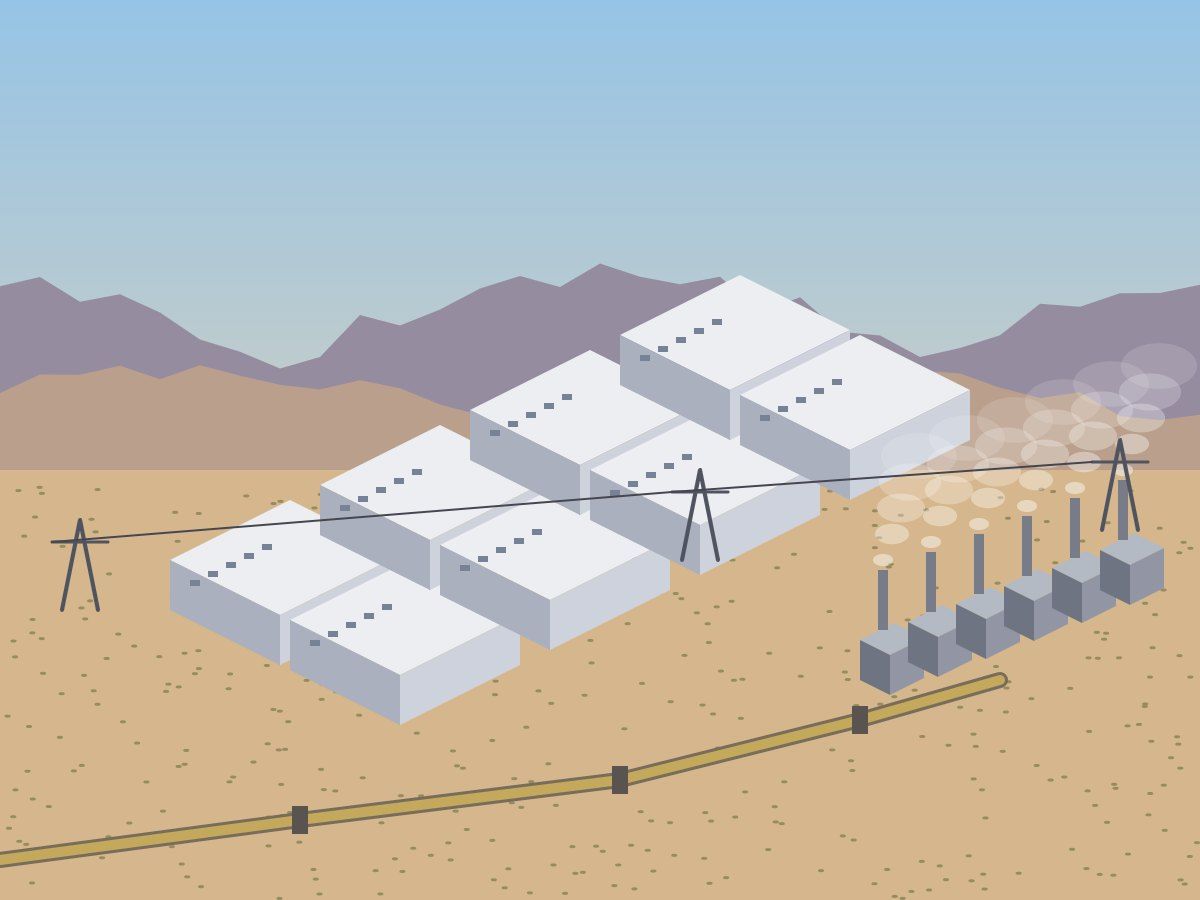
Switch, one of Nevada’s largest data-center developers, is seeking approval from the Public Utilities Commission of Nevada (PUCN) for a 510-megawatt natural-gas power plant at the Tahoe-Reno Industrial Center (TRIC). The plant would sit on about 20 acres of the former Sierra Biofuels refinery site. It is the third gas plant proposed in Nevada specifically to serve data centers.
The grid is the reason. NV Energy told regulators that growth in and around TRIC has outpaced regional generation capacity, noting that “the existing system has limits,” the Nevada Current reported on Oct. 26.
Nevada voters choose a governor on Tuesday. Data-center tax breaks, and who pays for the power and water those facilities use, have become central issues in the race between Republican Gov. Joe Lombardo and Democratic Attorney General Aaron Ford.
Twelve new delivery points, room for 5,000 MW of gas generation
The application was filed on June 17 under the name Nexus Fulcrum LLC; Switch disclosed in September that it is the project’s ultimate owner. The site is the former Fulcrum BioEnergy refinery, which Switch bought out of bankruptcy in 2024 for more than $55 million, New Project Media reported, adding that the filing calls for nine Siemens turbines.
Gas would come from an expansion of the pipeline run by Great Basin Gas Transmission, a Southwest Gas Corp. subsidiary. Great Basin plans 12 new delivery points, including an extension into TRIC, and says the expansion could supply roughly 5,000 MW of new gas-fired generation. Switch’s plant is one of the 12.
In September, the PUCN approved Fleet Data Centers’ Peru Ridge and South Valley gas plants, the first gas generation in Nevada cleared specifically for data-center use. Rather than wait in the utility’s interconnection queue, developers at TRIC are now pairing campuses with their own plants.
850,000 work hours a month at TRIC, matching all of 2022
More than 100,000 acres of desert east of Reno now host data centers from Google, Switch, Tract and others. The International Brotherhood of Electrical Workers counts 850,000 work hours a month at TRIC in 2026, about the same as the whole of 2022, Reuters reported on Oct. 28. The Nevada Teamsters, who represent 30,000 workers, interviewed more than 180 candidates on worker protections and endorsed Ford.
The pressure on jobs runs the other way in tourism. An RCG Economics analysis cited by Reuters estimates that AI and automation could put up to 92,000 Southern Nevada hospitality jobs, about a third of the workforce, at risk by 2035.
Lombardo: pay the school tax. Ford: pause the breaks and audit
On Sept. 18, Lombardo signed Executive Order 2026-005, setting new conditions for abatements. New applicants must pay the 2.6% Local School Support Tax in full and sign a Community Support Commitment that puts water and power costs on the data center, leaving an effective sales-and-use tax rate of at least 4.6%. Other Nevadans pay 7.1% to 8.375% depending on the county, and existing abatements are untouched.
Ford said on Aug. 19 that as governor he would halt data-center abatements until an audit by the Governor’s Office of Economic Development shows companies have delivered on their commitments. As a state senator, Ford co-sponsored the 2015 law that created the program.
Federal land is another front. The Bureau of Land Management approved the Townsite data center on 88.5 acres of public land near Boulder City on June 26, the first such approval on BLM land. After appeals by the city and environmental groups, the project was sent back for further environmental review. The Center for Western Priorities counted at least 17 data-center projects proposed on federal land across six Western states as of Oct. 20, according to its tally.
After the vote: plant reviews and a pipeline build-out
Whoever wins, the PUCN review of the Switch plant and Great Basin’s pipeline expansion will continue. Lombardo’s order and Ford’s plan differ on how far to cut the breaks, but both shift power and water costs onto data centers. In Nevada, the debate has moved from the size of the tax break to who builds the power and who pays for it.
South Korea (한국) is pursuing a similar shift under its Distributed Energy Act (분산에너지 활성화 특별법), in force since June 2024, which steers power-hungry facilities such as data centers toward regions near generation. For Korean power-equipment and data-center companies looking at the U.S. West, generation and grid-connection plans are now the first item in any siting talk.