

Separate editorial leadership puts shared infrastructure and reporting resources at the center of the integration debate
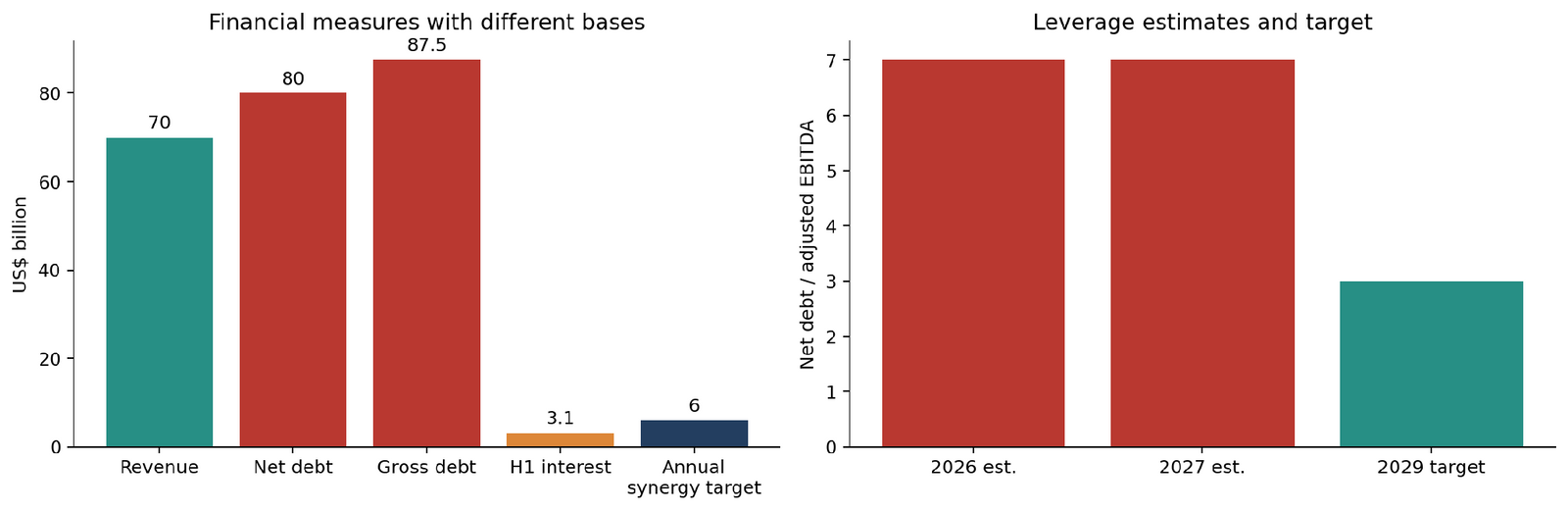
The combination of CNN and CBS News under Skydance is moving the consolidation debate from reporting lines to the allocation of reporting resources. Management has promised separate editorial operations. The company also starts with roughly $80 billion in net debt and a target of at least $6 billion in annual run-rate synergies within three years. Sharing offices and transmission systems may be relatively straightforward. Sharing the people who gather the news creates a different question: who decides which story gets covered?
The issue is becoming more immediate in Korea as media assets come to market. JTBC has outlined an October start to its sale process, while JoongAng Ilbo is also pursuing a change of ownership. Groups operating newspaper, broadcasting and digital brands already exist. An acquisition by another media company could extend the sharing of reporting networks, production systems and distribution. Korea needs to prepare for that next phase by defining which resources can be pooled and which editorial decisions must remain with each outlet.
Separate editors face a common financial constraint
Skydance completed its approximately $110 billion acquisition of Warner Bros. Discovery on October 6, bringing CNN and CBS News into the same group as major film studios, television networks and streaming services. The annual synergy target is a company-wide objective. It should not be read as a disclosed budget for cuts at either newsroom.

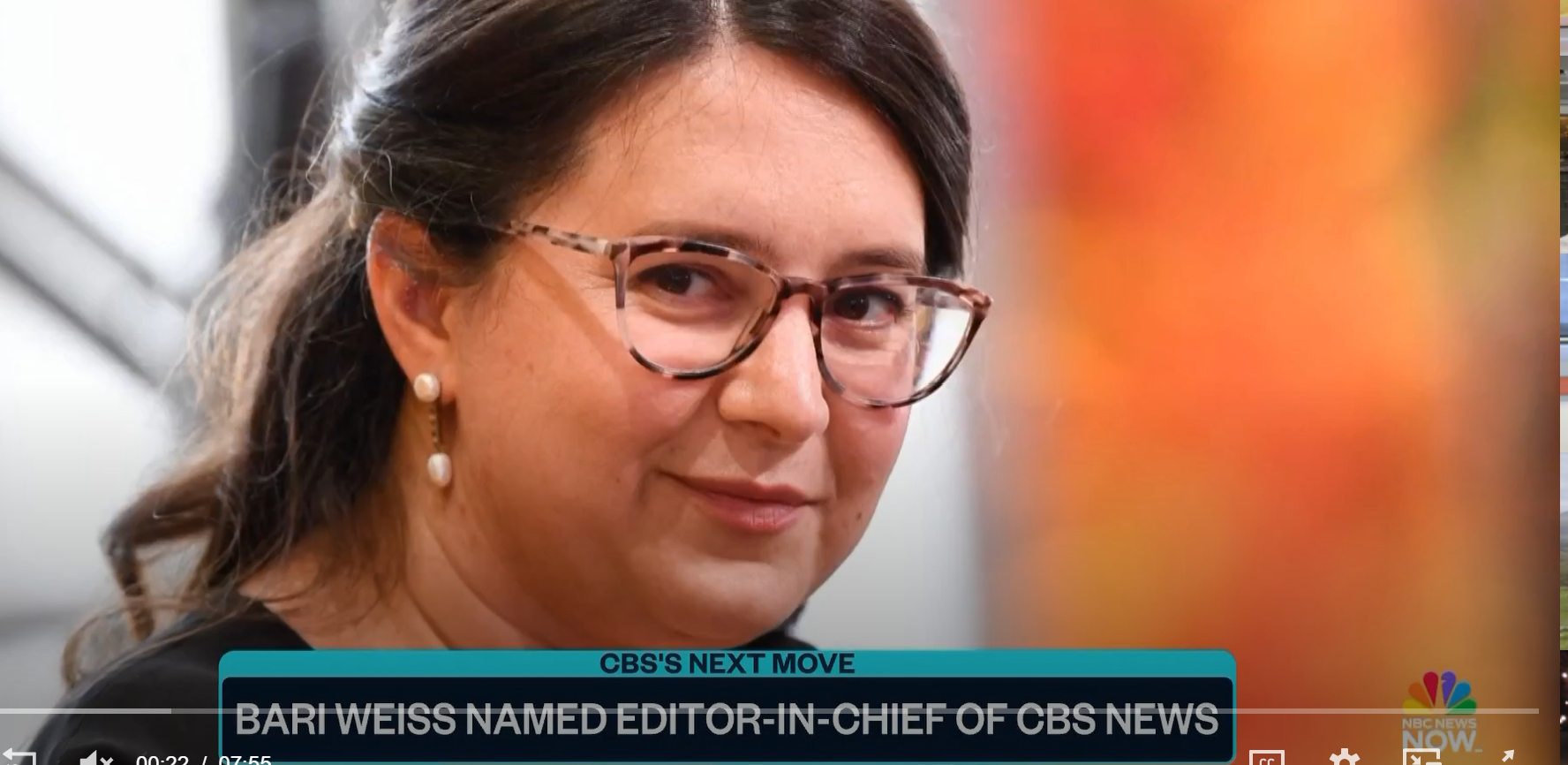
Mark Thompson remains responsible for CNN Worldwide as chairman and editor-in-chief, while Bari Weiss continues as editor-in-chief of CBS News. Both report directly to chairman and CEO David Ellison and co-CEO Ynon Kreiz. Weiss does not oversee CNN. The arrangement places the two news operations outside the broader television management structure.
The combined group has annual revenue at about $70 billion and net debt at about $80 billion. A separate Fitch estimate of approximately $87.5 billion refers to gross debt. Reported financing figures include around $51.9 billion in new borrowing and $3.1 billion in first-half interest on new borrowing. The measures describe different aspects of the financing burden. Together, they explain why maintaining duplicate operating systems will face scrutiny.
In an October 8 CNBC interview, Kreiz described the news businesses as separate operations with independent editorial management. Ellison also acknowledged opportunities for operational efficiency. Management did not specify which news functions would be combined. Bureau and crew sharing therefore remains an industry scenario rather than an announced integration plan.
The first opportunities lie in facilities and technology
Former and current television news executives interviewed by TheWrap identified leases, technology, transmission and administrative overhead as potential starting points. Sets, control rooms, live production facilities and post-production systems could also be reviewed for duplication. Shared equipment can, in principle, support separate editorial instructions and separate decisions about what to publish.
Infrastructure is not automatically neutral, however. During simultaneous breaking stories, priority access to a control room or transmission path can affect what reaches audiences. Emergency purchasing authority and resilience during equipment failures matter as much as a lower lease bill. These are analytical tests for a shared system, rather than details of a plan Skydance has disclosed.
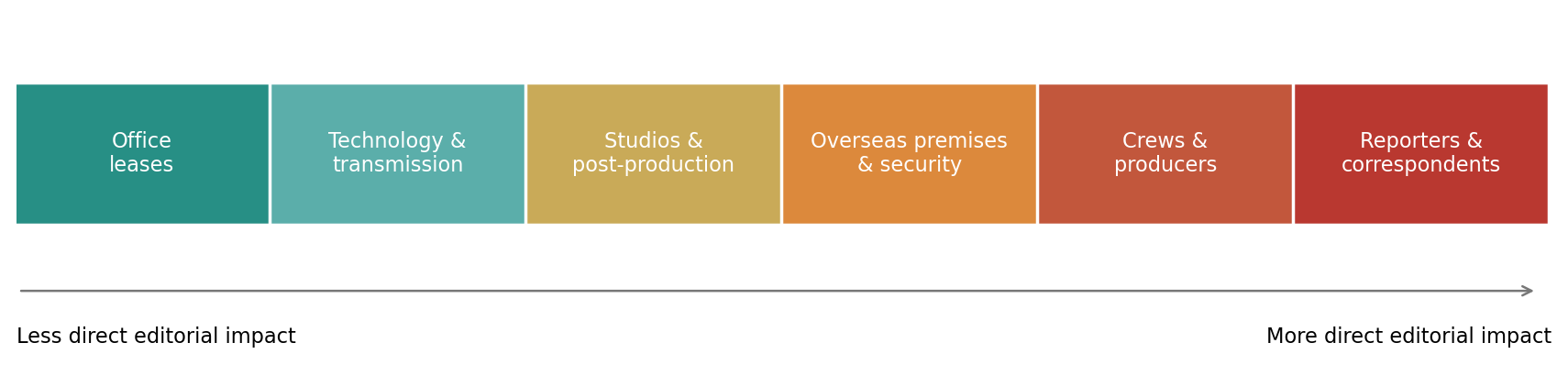
CNN’s international footprint is a particularly valuable asset for CBS News. One possibility raised in the industry is to share premises, security, transmission and studio space while retaining separate correspondents, producers and editorial chains. Such an arrangement could improve CBS’s access to overseas reporting. It would also require rules for the additional demands placed on CNN’s resources.
A shared bureau address is different from a shared reporting team. If two editors request different assignments and only one crew is available, someone must choose a priority. That decision can change interview access, time in the field and the eventual story. Employment law, visas, accreditation and security requirements also vary across countries, limiting any uniform approach to integration.
Duplicate beats do not necessarily mean duplicate work
CNN is organized around continuous breaking coverage, international reporting and a large digital audience. CBS News also serves flagship broadcast programs, owned stations, independently owned affiliates and longer-form production. Two reporters covering the same institution may be working to different deadlines and editorial needs. Eliminating one position does not necessarily eliminate only redundant work.
Affiliates introduce another constraint. An independently owned CBS station may have commercial objections to its reporting being supplied to another outlet competing for the same local audience. Collective bargaining agreements and differences in union coverage can also determine what may be shared. Integration economics therefore extend beyond payroll to rights, affiliate contracts and production practices.
Both organizations have already reduced staffing. CBS News announced a 6% reduction in March and the closure of CBS News Radio on May 22. The radio service supplied approximately 700 affiliated stations. CNN cut about 210 positions, or 6% of its workforce, in January 2025. Further efficiency targets would be applied to organizations that have already been reshaped, rather than to untouched cost bases.
At the same time, CNN is expanding paid digital distribution. Its All Access subscription, priced at $6.99 a month in the United States, is scheduled to enter Canada and the United Kingdom on October 20. Local monthly prices are C$7.99 and £4.99. Original reporting helps justify a subscription; weakening that reporting to improve operating margins could undermine the product being sold.
Oversight must reach beyond the organization chart
Under an agreement with state authorities, the company committed to establish a News Editorial Independence Board within 180 days of closing. The board is to comprise five journalists with at least 10 years of experience, three-year terms, a maximum of two members from the same political party and no serving government employees. Its remit includes editorial principles, disputes between news staff and corporate management, and ethical standards.
The appointment structure limits the distance from the company: the corporate board selects the members, who report to that board. Whether oversight reaches reporting budgets and staff allocation will matter alongside its response to direct interference in individual stories. Keeping two editors in place does not, by itself, guarantee that both retain independent reporting capacity.
A separate agreement protecting CBS News broadcast writers from layoffs for five years should not be described as a ban on cuts across both news organizations. Similarly, the estimate of about 4,500 direct film and television jobs potentially lost in Los Angeles County is a modeled outcome over an integration period, rather than an announced headcount reduction.
YTN brings the resource question into Korea
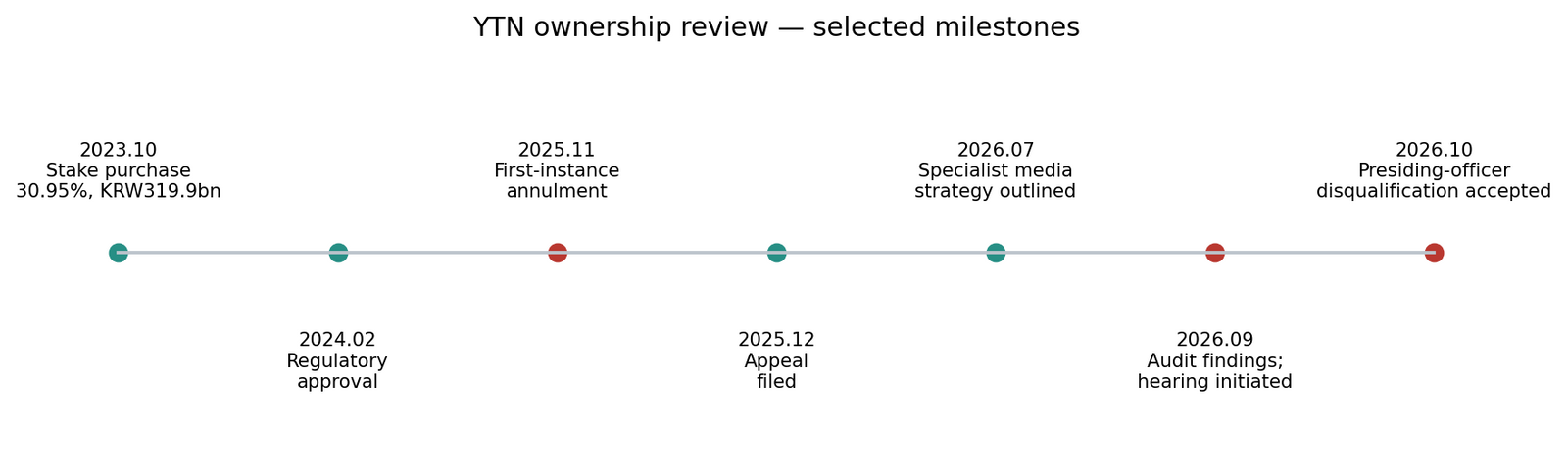
In Korea, ownership review and media expansion plans are unfolding at the same time. On July 9, Eugene E&T CEO Kang Hee-seok outlined an approach that would retain YTN’s news identity while pursuing specialist publications with established editorial credibility. Potential structures include acquisitions, joint ventures and minority investments, including cross-border opportunities. These are strategic options, not completed transactions.
Penske Media Corporation was presented as a reference for extending trusted publications into data, events and licensing. The commercial logic is relevant to a Korean news sector under pressure from declining advertising. Its premise is also demanding: the editorial reputation of each publication must survive the expansion. Shared distribution and commercial services cannot substitute for the expertise that gives specialist information value.
Eugene E&T acquired a 30.95% YTN stake for KRW319.9 billion in 2023 and increased its holding to 39.17% following a 2025 capital increase. The regulatory approval granted in February 2024 by a two-member commission was annulled at first instance in November 2025 on procedural grounds. Eugene appealed. The validity of that approval remains contested in the appellate proceedings.
The Korea Communications and Media Commission is separately pursuing a hearing concerning possible ex officio revocation of the shareholder-change approval. On October 19 it accepted Eugene’s application to disqualify a hearing presiding officer. The hearing had been scheduled for October 21, with no revised date established as of October 19. A hearing, an administrative revocation decision and the appeal proceedings are distinct stages.
Advertising pressure makes operating reform harder to defer
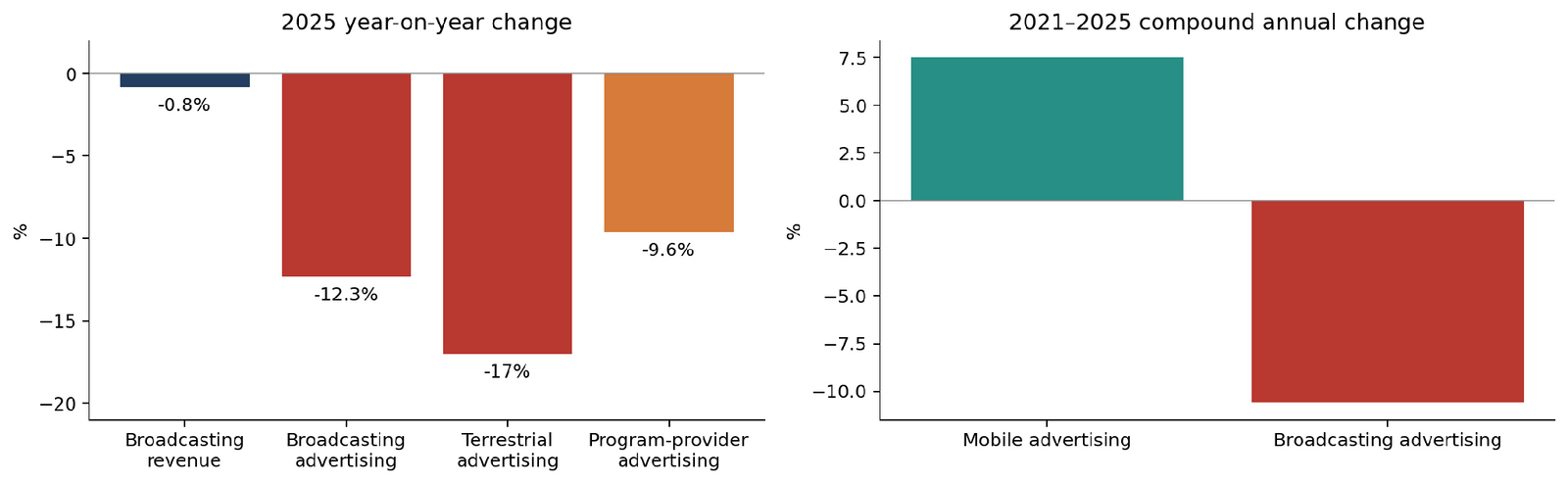
Korea’s 2025 broadcaster financial disclosure reported broadcasting revenue of KRW18.6495 trillion, down for a third consecutive year. Television and radio advertising revenue totaled KRW2.0134 trillion, a decline of 12.3%. Terrestrial advertising fell 17.0% to KRW693.6 billion, while program-provider advertising fell 9.6% to KRW1.1331 trillion. From 2021 to 2025, mobile advertising grew at an annual average of 7.5%, while broadcasting advertising contracted by 10.6% a year.
YTN reported 2025 revenue of KRW134.2 billion and an operating loss of KRW13.6 billion. The loss narrowed from KRW26.7 billion in 2024, but it was the third consecutive annual deficit. In the second quarter of 2026, revenue was KRW32.9 billion and the operating loss was KRW0.8 billion. These results do not validate any particular consolidation model, but they show why both operating reform and revenue diversification are on the agenda.
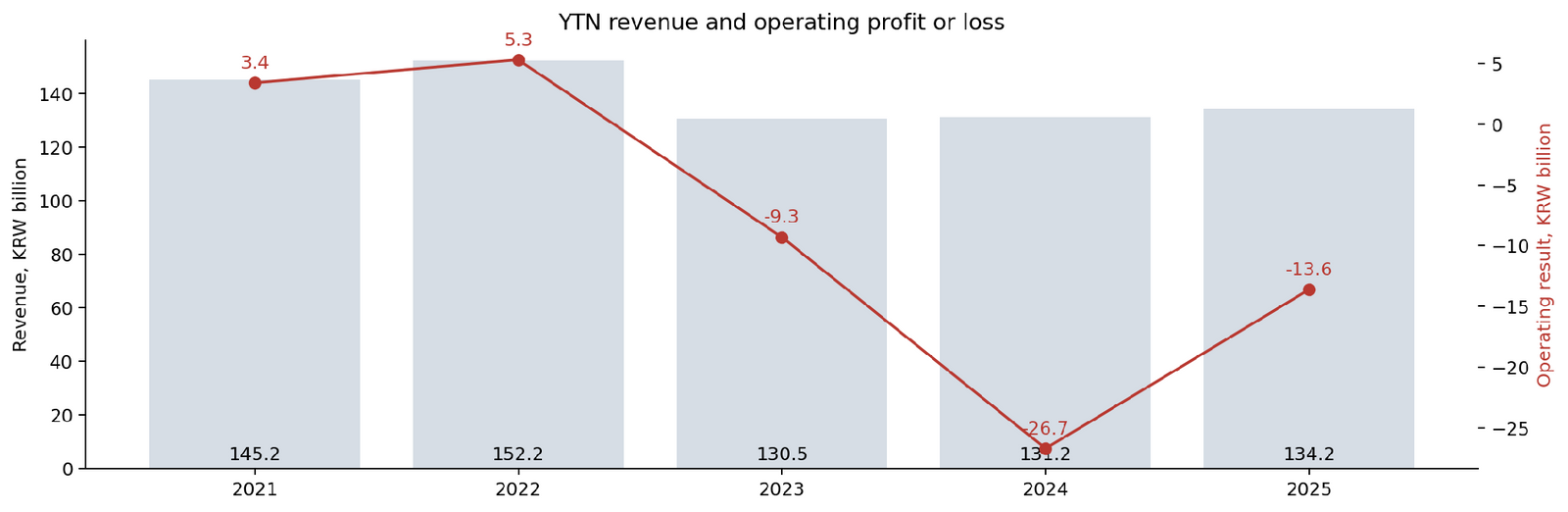
YTN revenue and operating profit or loss, 2021–2025. KRW billion. Original data retained; the operating result uses the right axis.
Shared overseas facilities could also be explored between broadcasters that are not under common ownership. Premises, security arrangements and transmission costs can be pooled contractually while each broadcaster retains its own correspondents and editorial authority. The essential condition is that infrastructure cooperation supports field reporting rather than becoming a less visible form of withdrawal.
Korea needs operating safeguards before the next media acquisition
The sale processes involving JTBC and JoongAng Ilbo could reshape existing combinations of media assets in Korea. An established media buyer would have incentives to connect the acquired outlet to its existing reporting, production, distribution and sales operations. Where resource sharing expands, the industrial question is how to preserve each publication’s editorial authority and capacity to gather its own news.
An acquisition by an existing media company can bring capital and wider distribution. It can also encourage management to treat reporters covering the same event as redundant capacity. More shared content across print, television and digital brands does not necessarily mean more independent reporting. Access to confidential sources and unpublished material, rights to use joint reporting, and authority over conflicting editorial decisions should be defined in advance.
Facilities, transmission, purchasing and general administration can be considered for joint operation. Assignment authority, story approval, investigative budgets and responsibility for source protection need explicit allocation to each outlet. Shared crews and equipment require a process for resolving competing requests. Commitments made during ownership review should be assessed against the budgets and staffing arrangements implemented after closing.
A sale process is distinct from a completed acquisition by a particular media company. But waiting until the buyer is chosen may allow cost-saving plans to harden before editorial safeguards are discussed. Shared infrastructure, separate reporting budgets, assignment authority and dispute resolution should be addressed during transaction design and ownership review.
Measure savings alongside independent reporting capacity
For CNN and CBS News, the meaningful indicators will include field staffing, separate reporting budgets, access to production resources and the handling of editorial disputes. A 180-day deadline after the October 6 closing places the independence board’s formation in early April 2027. The timing and scope of specific resource-sharing decisions remain uncertain.
Korean ownership reviews could likewise address how affiliated outlets share resources, alongside the governance of an individual broadcaster. Governance conditions for an individual broadcaster may not fully address daily resource allocation between affiliated outlets. The practical task is to make assignment authority, budget responsibility and dispute procedures explicit when multiple news brands operate under one owner.
The outcome should be assessed through both savings and the ability to produce distinct journalism. Shared technology can strengthen the economic foundation of reporting if each newsroom retains the people and authority to pursue its own stories. If two brands rely on the same constrained field team, separate logos may preserve less choice than they appear to promise. That is the industrial question the Skydance combination poses for news businesses well beyond the United States.