
![[Samseog Ko's Insight]SXSW 2026 and the Ascent of Entertainment Technology](https://cdn.media.bluedot.so/bluedot.kentertechhub/2026/03/p3scrb_202603091153.png)
Prof. Ko Proposes Korea-Malaysia-US Triangular Cooperation in Content Industry
MITI Deputy Minister Sim Tze Tzin: 'I will meet with Korean companies anytime upon request'
'Next Hallyu' author builds 'co-evolution' network through meetings with government, industry, and academia
KUALA LUMPUR, January 28, 2025
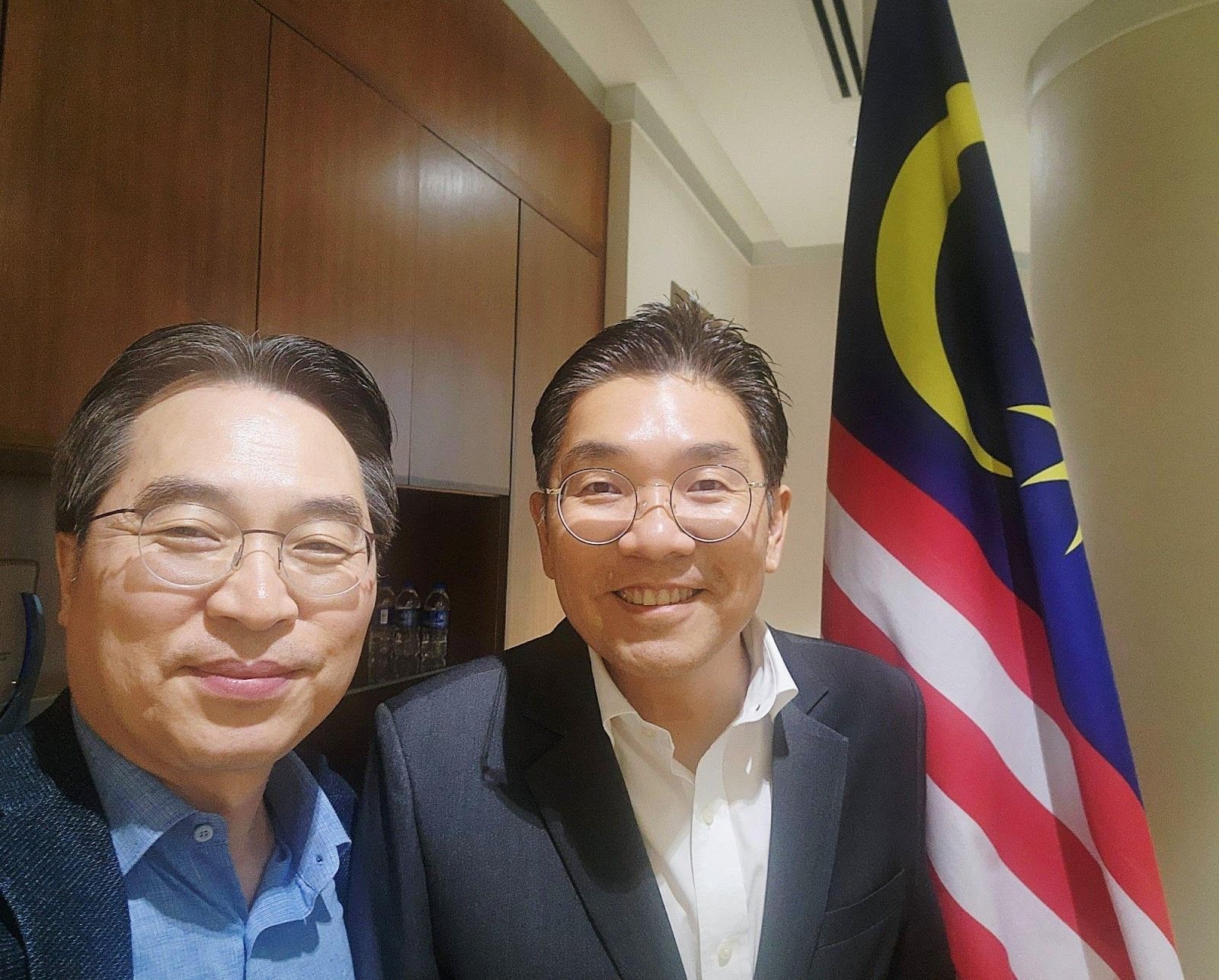
Mr. Samseog Ko, Distinguished Professor at Dongguk University, visited Kuala Lumpur, Malaysia from January 26 to 28, conducting a series of high-level meetings across government, industry, and academia to lay the groundwork for Korea-Malaysia 'co-evolution' cooperation. Most notably, Prof. Koh proposed a Korea-Malaysia-US triangular cooperation initiative to MITI Deputy Minister Sim Tze Tzin, suggesting that Korean and Malaysian companies jointly enter the Nevada market in the United States.
Deputy Minister Sim promised that he would meet with any Korean company that has entered or is planning to enter Malaysia upon request for a meeting. With the Korea-Malaysia Free Trade Agreement (FTA) concluded last year and set to take effect this year, this visit is expected to further accelerate economic cooperation between the two nations.
Prof. Ko, a former Commissioner of the Korea Communications Commission and member of the National Artificial Intelligence Committee under the President of the Republic of Korea
, is also the author of 'Next Hallyu,' a book outlining future strategies for the Korean Wave.
In it, he argues that Hallyu must evolve from one-way exports to a 'co-evolution' model that grows together with local markets—building ecosystems that interact with local industries, talent, and policies rather than simply broadcasting Korean content abroad.
Malaysia: A Key Partner in 'Mosaic Society'
Excluding city-state Singapore, Malaysia ranks alongside Thailand as one of ASEAN's most economically advanced nations. The country has recorded high economic growth rates of around 5% in recent years, possesses abundant natural resources and talented workforce, and boasts a young and dynamic population with a median age of 31.8 years. Advanced industries including AI are developing rapidly, securing future growth engines.
For Korea, Malaysia meets all the conditions to be a key partner among Southeast Asian nations. The Korea-Malaysia FTA concluded last year and set to take effect this year has established the institutional foundation for bilateral economic cooperation.
Malaysia is a typical 'mosaic society.' Ethnic Malays comprise 70% of the population, Muslims account for 63%, while ethnic Chinese hold over 50% of economic activities. Despite this religious and ethnic diversity, the country maintains inclusive policies to prevent conflicts, resulting in high social stability—a factor providing foreign companies with a stable business environment.
MITI Meeting: Proposing Joint US Market Entry
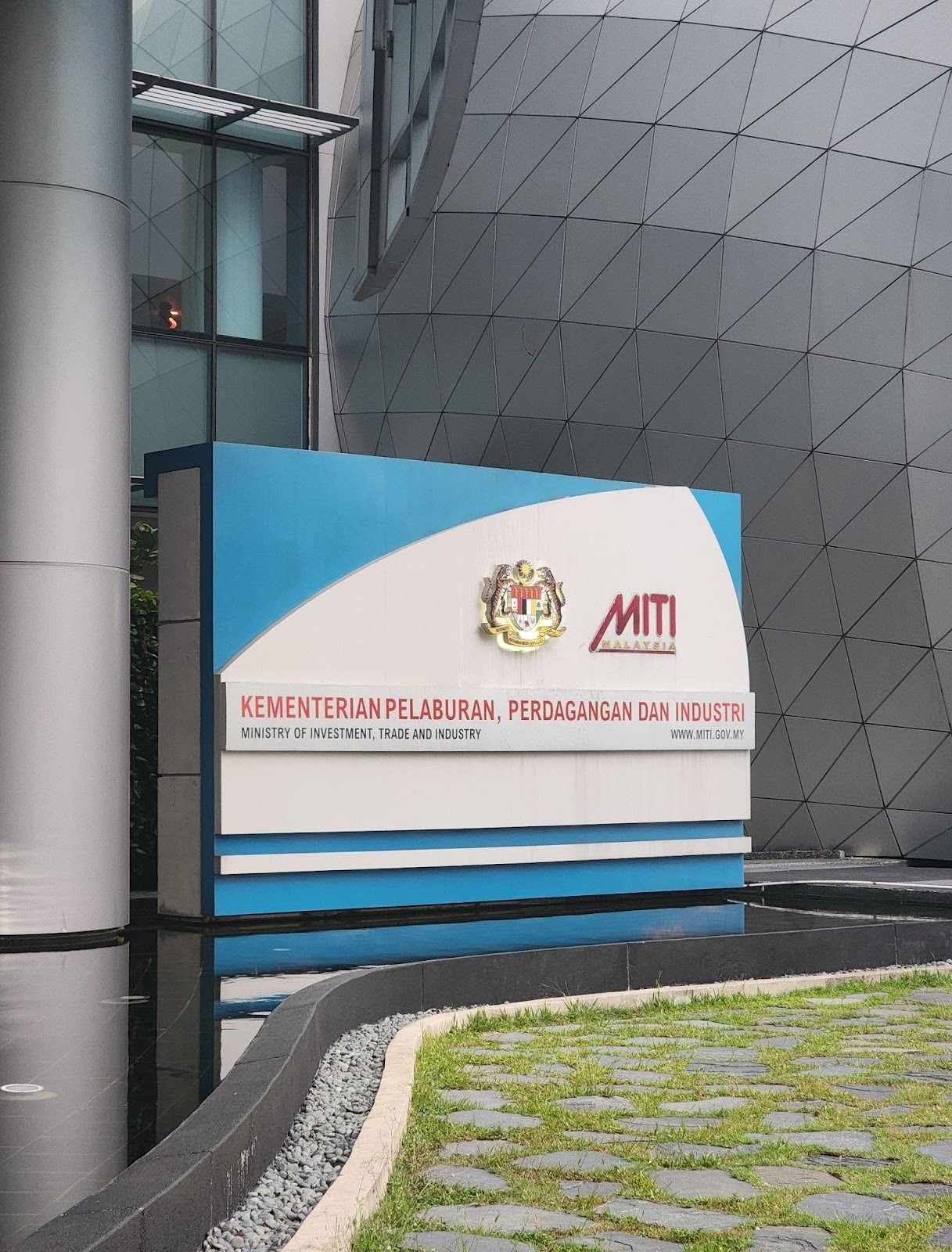
On January 27, Prof. Ko visited the Ministry of Investment, Trade and Industry (MITI) headquarters and met with Deputy Minister Sim Tze Tzin. Deputy Minister Sim is a re-elected member of parliament and former Deputy Minister of Agriculture, firmly established among Malaysia's leadership.
MITI is the core ministry overseeing Malaysia's investment attraction and trade policies, serving as the most important gateway for foreign companies entering Malaysia.
During the meeting, Deputy Minister Sim expressed deep interest in Korean companies' investment and expansion into Malaysia. Both sides engaged in substantive discussions on the current state and future direction of bilateral economic cooperation.
Before parting after dinner, Deputy Minister Sim promised to meet with any Korean company that has entered or is planning to enter Malaysia upon request—signifying that a direct communication channel has been established between Korean businesses and Malaysia's government leadership.
Prof. Ko introduced his 'Nevada Project' initiative to Deputy Minister Sim, proposing a Korea-Malaysia-US triangular cooperation framework where Korean and Malaysian companies would jointly enter the US market through Nevada.
This represents an expanded co-evolution model that goes beyond bilateral market entry to jointly develop a third market. The strategic proposal to combine both countries' strengths for enhanced global competitiveness presents a new cooperation paradigm that transcends traditional bilateral partnerships.
Technology Park Malaysia: Gateway for Korean Tech Companies
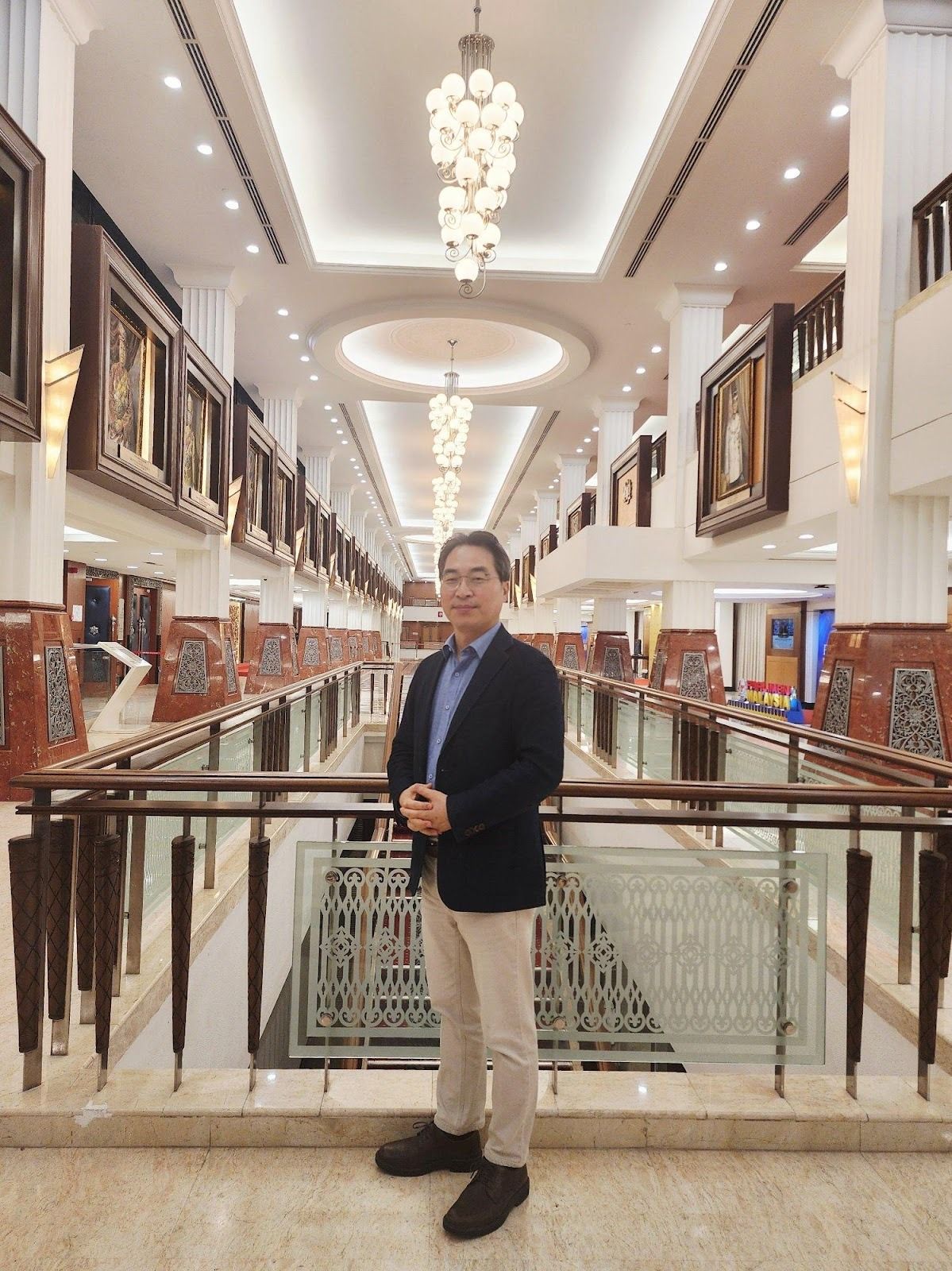
On January 28, arranged by Deputy Minister Sim, Prof. Ko visited Technology Park Malaysia (TPM). Located in Bukit Jalil, Kuala Lumpur, TPM is Malaysia's largest science park, serving as an R&D hub for knowledge-based industries since its establishment in 1995. It is a strategic infrastructure the Malaysian government has developed for scientific and technological advancement.
TPM spans 750 acres (approximately 3 km²) with 13 buildings, currently in Phase 1 development. Chaired by Datuk Abdul Razak Abdul Rahman with Dzuleira Abu Bakar as CEO, it operates as a Government-linked company under the Ministry of Finance with strong government support and stable operational foundations.
Since its establishment, TPM has provided support services, technology, and R&D capabilities to promote growth in science, technology, and innovation. It offers incubator facilities for scientists, researchers, technopreneurs, and SMEs, as well as land leasing for technology knowledge-based companies. Tenant companies share state-of-the-art research equipment and facilities, creating synergies through mutual cooperation.
This comprehensive infrastructure is evaluated as having high potential as a base for Korean tech companies' Southeast Asian expansion. Korean companies establishing presence at TPM or building partnerships could gain a foothold to expand throughout the ASEAN region beyond Malaysia.
SK Malaysia Visit: Supporting Korean Business Expansion
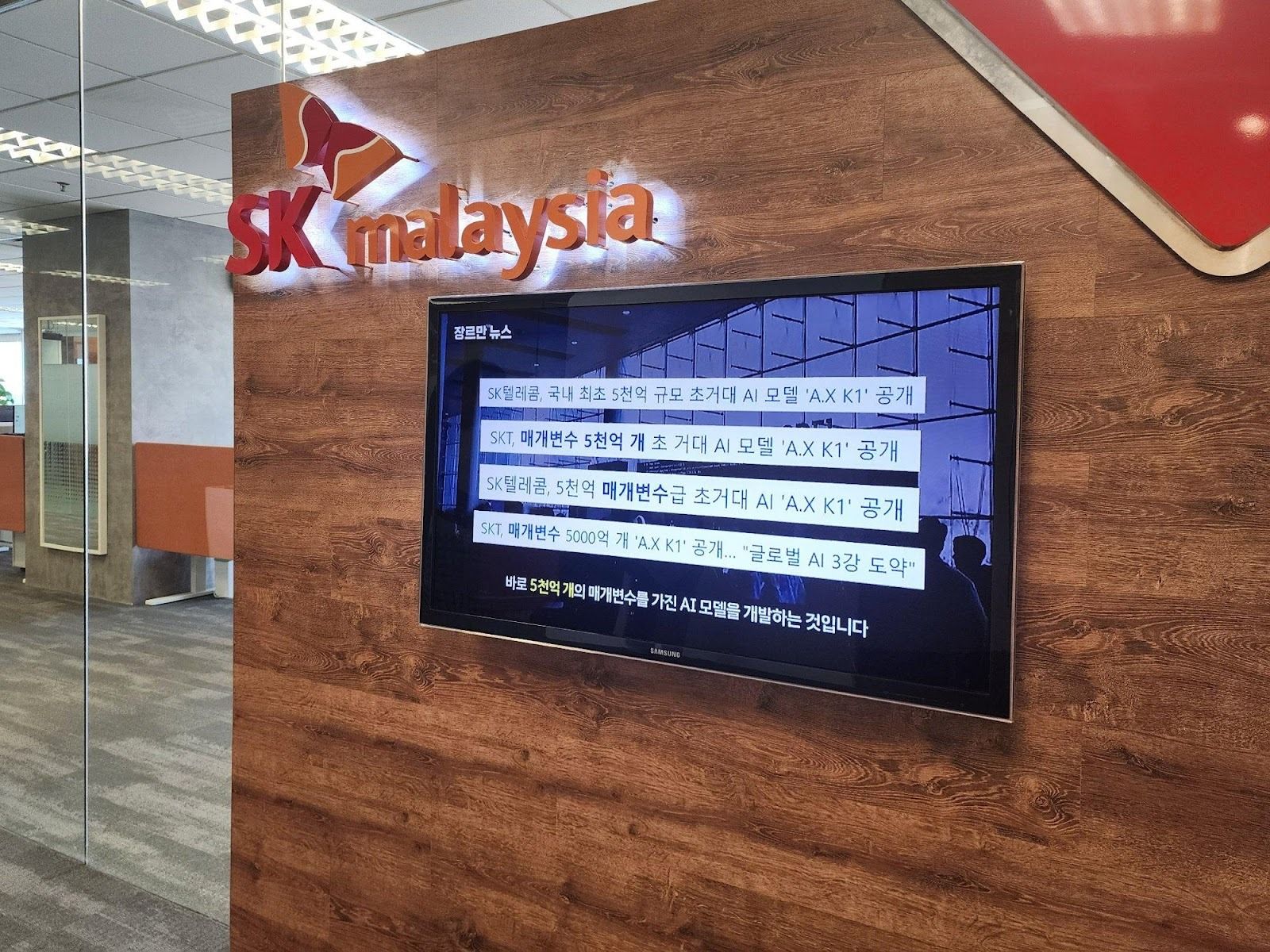
Prof. Ko visited SK Malaysia's corporate office. SK Group is currently reviewing investment and business expansion across Southeast Asia, including Malaysia, Indonesia, and Singapore. Southeast Asia has emerged as a key investment destination for global companies based on its young population structure and high growth potential.
During this visit, Prof. Ko also played a role in supporting Korean companies' expansion into Malaysia, including Genesis BBQ. Genesis BBQ is a leading Korean fried chicken franchise group founded in 1995 and headquartered in Seoul. He leveraged local networks to support Korean companies in successfully establishing themselves in the Malaysian market.
Meeting with Senator: Agreement on Fake News and AI Policy Cooperation
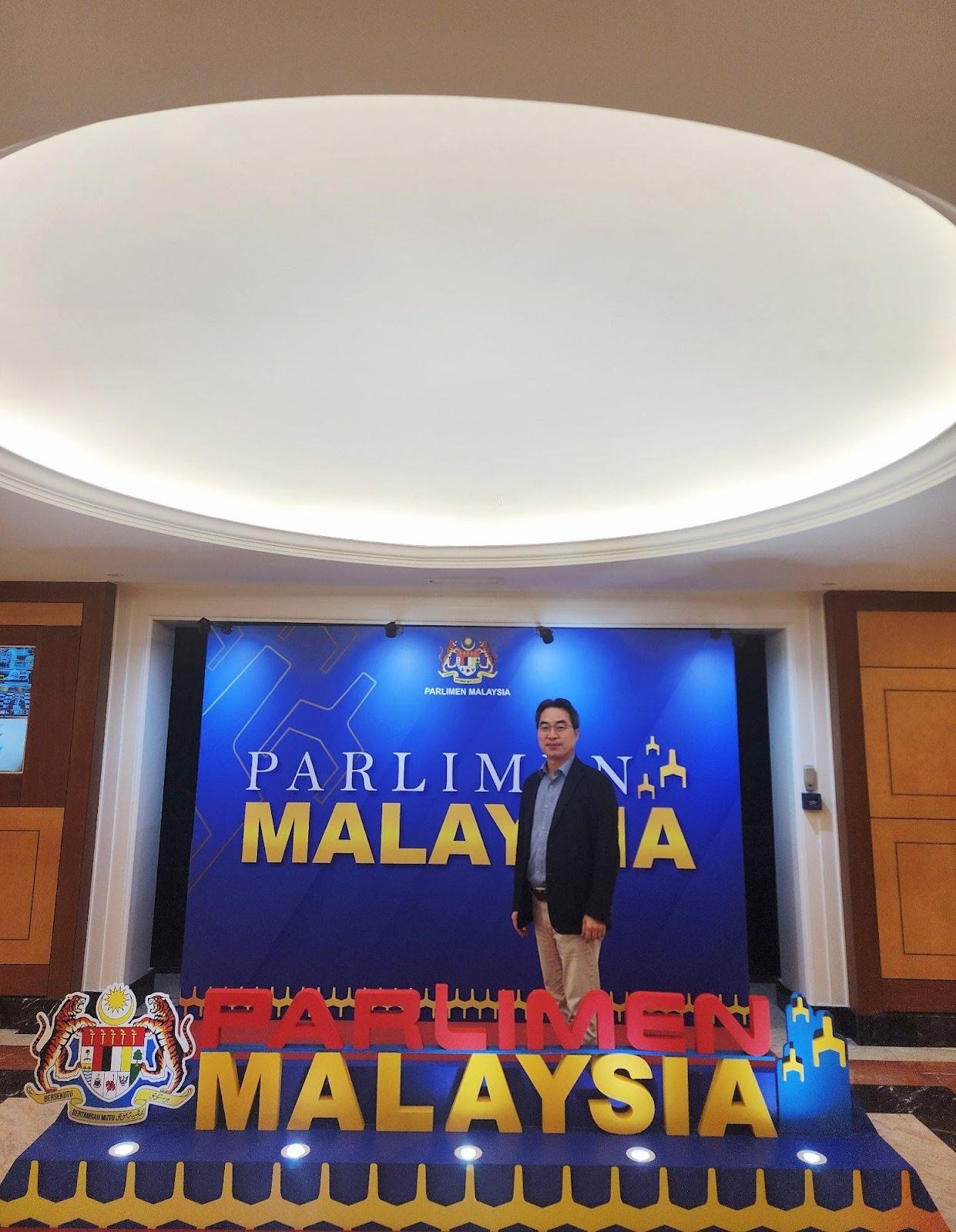
On January 27, Prof. Ko visited the Malaysian Parliament and met with Senator Dato' Sivarraajh Chandran. Senator Chandran is an influential figure in Malaysian politics, actively engaged in various policy areas.
Senator Chandran expressed great interest in Korea's content industry and AI policies, particularly fake news regulation. In Malaysia, which has one of the world's highest social media usage rates, the spread of fake news has emerged as a key political and social issue. While the Malaysian Communications and Multimedia Commission (MCMC) oversees telecommunications, broadcasting, and online content regulation, there is an urgent need for new policy frameworks in the AI era.
Korea has accumulated considerable experience and know-how in broadcasting and communications regulation and AI policy, presenting significant opportunities for policy exchange and cooperation between the two countries.
As a former Commissioner of the Korea Communications Commission(KCC), Prof. Ko possesses extensive expertise in this field and is expected to serve as a bridge for bilateral policy cooperation.
Both sides agreed to establish cooperation channels at the private level, including academia, and to secure support from the Malaysian Parliament and government. Co-evolution cooperation is expected to expand in various fields including content and AI policy roundtables between parliaments, fake news regulation, platform responsibility, and AI broadcasting/OTT policies.
Building Academic Co-evolution Networks
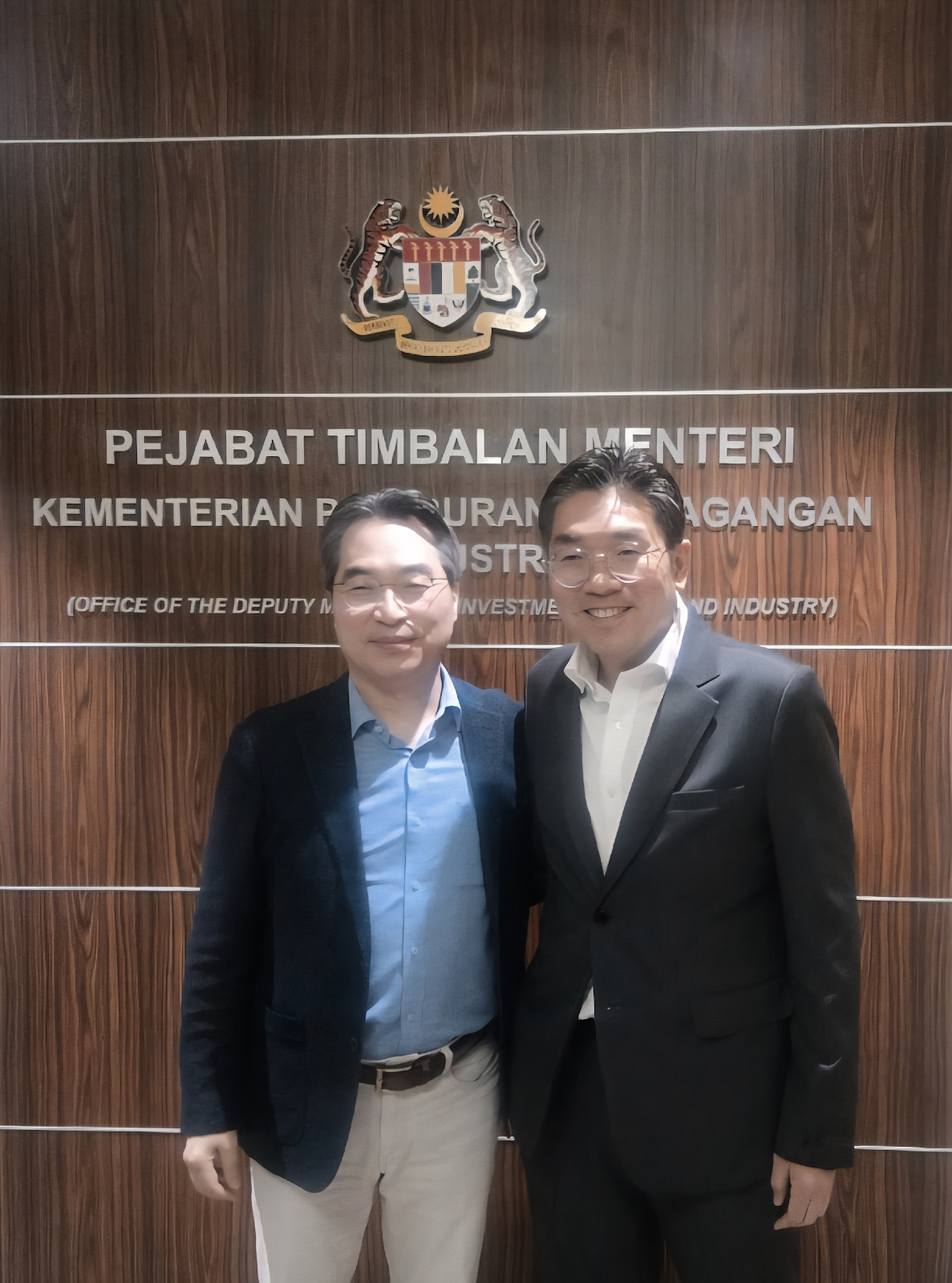
Professor Jimmyn Parc of the University of Malaya accompanied this visit. Prof. Parc, who teaches East Asian Studies, Korean Economic Development, and Hallyu, is a key figure in Korea-Malaysia academic exchange. Having researched Hallyu and Korean culture locally in Malaysia, he has served as a bridge for bilateral academic exchange. Prof. Parc expressed his intention to pursue Korea-Malaysia cooperation projects with Prof. Koh.
University faculty from both countries who participated in the meetings plan to establish university-centered Korea-Malaysia collaboration organizations in each country.
These organizations will conduct various activities including academic research exchange, student exchange, and joint projects. Once academic co-evolution networks are established, the knowledge base and human infrastructure for bilateral cooperation will be significantly strengthened.
Korean Embassy and KOTRA Visits
Prof. Ko visited the Korean Embassy in Malaysia for a luncheon meeting to exchange views on bilateral relations and cooperation measures. The embassy supports cooperation in various fields including diplomacy, economy, and culture at the forefront of bilateral relations.
Earlier on January 26, he visited KOTRA Malaysia Kuala Lumpur Trade Center, led by Director Moon Jin-wook, to assess Malaysia's economic situation and Korea-Malaysia economic exchange. KOTRA KL Trade Center is a key institution supporting Korean companies' entry into Malaysia, providing various services including market information, buyer discovery, and trade consultation.
Regarding the fact that KOTRA KL Trade Center opened in 1973 and celebrates its 52nd year this year, Prof. Ko remarked that 'the foresight of the previous generation who opened a trade office here when we barely had anything to sell is remarkable.' The trade center's more than half-century history demonstrates the depth of economic cooperation between the two countries and serves as a solid foundation for expanding future cooperation.
Practical Implementation of Co-evolution Strategy
Prof. Ko expressed confidence in the outcomes and significance of this visit. He stated, 'Through this visit, channels have been established to directly connect with government and parliamentary figures,' adding that 'this will provide practical assistance to Korean companies hoping to enter Malaysia.' He added that he 'expects this to further promote exchange and cooperation between Korea and Malaysia, including Hallyu.'
Prof. Ko noted, 'Every time I visit Southeast Asian countries, I feel that while Japan and China have deeply rooted themselves in each society's economy and even politics, Korea, despite the Hallyu boom, still seems to be skating on the surface.' He emphasized that 'a more structural and long-term strategy is needed.'
This awareness is at the heart of the 'co-evolution' concept he presented in 'Next Hallyu.' Co-evolution means that Hallyu does not stop at simply exporting content but builds ecosystems that grow and develop mutually with local industries, talent, and policies. It is a mutually beneficial cooperation model that creates new value together with local markets, rather than one-way cultural transmission.
Establishing multi-layered cooperation channels encompassing government (MITI Deputy Minister), parliament (Senator), business (SK Malaysia), academia (University of Malaya), and technology (TPM) during this Malaysia visit is evaluated as the genuine implementation of the co-evolution strategy. By simultaneously building cooperation networks across multiple sectors rather than a single field, the depth and sustainability of bilateral cooperation has been enhanced.
In particular, Deputy Minister Sim's promise to 'welcome meetings with Korean companies' at a time when the Korea-Malaysia FTA is about to take effect is expected to serve as a catalyst for accelerating bilateral economic cooperation. With the combination of institutional foundation (FTA) and personal networks (high-level channels), the environment for Korean companies' expansion into Malaysia is expected to improve significantly.
Furthermore, the proposal for 'joint Korean-Malaysian company entry into the US market' made to Deputy Minister Sim is notable for presenting a new model that extends bilateral cooperation to a third country. This is an innovative attempt to expand the scope of co-evolution from bilateral to multilateral cooperation.
Prof. Ko expressed anticipation that 'the next stage of Hallyu is not one-way transmission but co-evolution created together with local markets,' and 'cooperation with Malaysia could become that model.' As Korea-Malaysia co-evolution cooperation begins in earnest starting with this visit, bilateral relations are expected to leap to a new dimension.
Newsletter
디지털 시대, 새로운 정보를 받아보세요!
당신이 놓친 글
[Samseog Ko's Insight]Why "Coevolution"? — From Content Export to Ecosystem Building
by
2026년 2월 23일
![[Samseog Ko's Insight]Why "Coevolution"? — From Content Export to Ecosystem Building](https://cdn.media.bluedot.so/bluedot.kentertechhub/2026/02/rhl2gg_202602230602.png)
[Samseog Ko's Insight]Co-Evolution, Not Competition: A Strategy for Korea-Malaysia Content Industry Partnership
by
2026년 2월 16일
![[Samseog Ko's Insight]Co-Evolution, Not Competition: A Strategy for Korea-Malaysia Content Industry Partnership](https://cdn.media.bluedot.so/bluedot.kentertechhub/2026/02/1fzdnf_202602170324.jpeg)
CBS News in Turmoil: Bari Weiss's 'Think Like a Startup' Gamble
by
2026년 1월 28일
SHOP
![[SXSW2026]에이미 웹 트렌드 리포트(Convergence
Outlook 2026)](https://cdn.media.bluedot.so/bluedot.kentertechhub/2026/03/kty3s8_202603152312.png)
기타
유료회원할인가
100% Off
무료
디지털북
유료회원할인가
100% Off
무료
디지털북
유료회원할인가
100% Off
무료

디지털북
유료회원할인가
100% Off
무료

디지털북
유료회원할인가
100% Off
무료

디지털북
유료회원할인가
100% Off
무료

기타
유료회원할인가
100% Off
무료
![[보고서]전통 언론사의 크리에이터 전략 대전환](https://cdn.media.bluedot.so/bluedot.kentertechhub/2026/02/0nwc9z_202602100212.png)
디지털북
유료회원할인가
100% Off
무료
기타
유료회원할인가
100% Off
무료

기타
유료회원할인가
100% Off
무료