
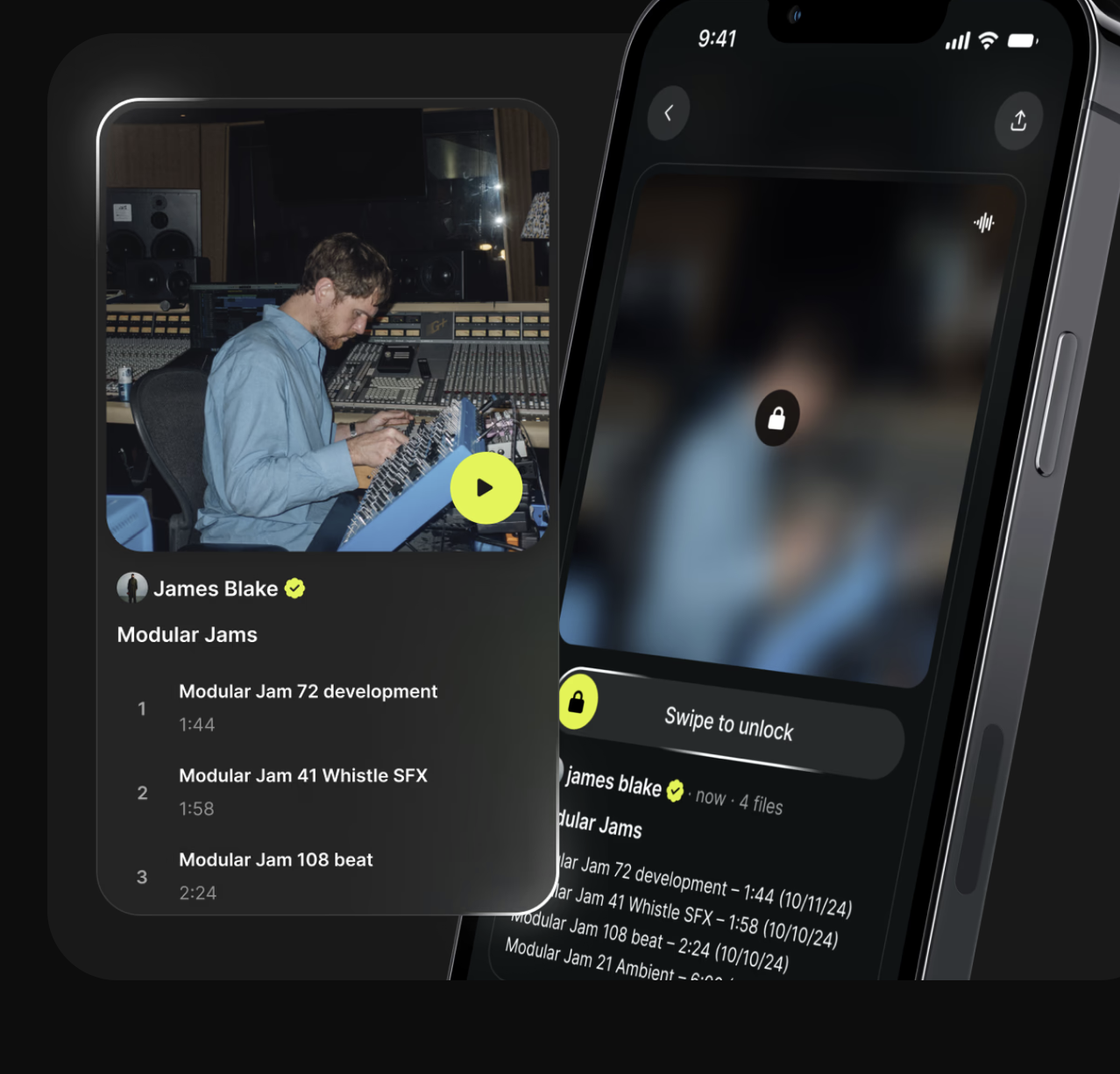
Superfan Economy Drives Modern Music Careers
As streaming revenues collapse for most artists, a new ecosystem built on direct fan relationships, AI-powered IP experiences, and brand fandom is reshaping not just music — but the entire entertainment industry
The superfan economy is not a music industry story. It is an entertainment industry story. The structural inequities created by streaming — 88% of tracks generating no royalties, three labels capturing 65% of global revenues — began in music. But the forces reshaping how artists build careers and how fans spend their money are now moving through gaming, film, webtoons, sports, and live entertainment alike.
 Jung Han
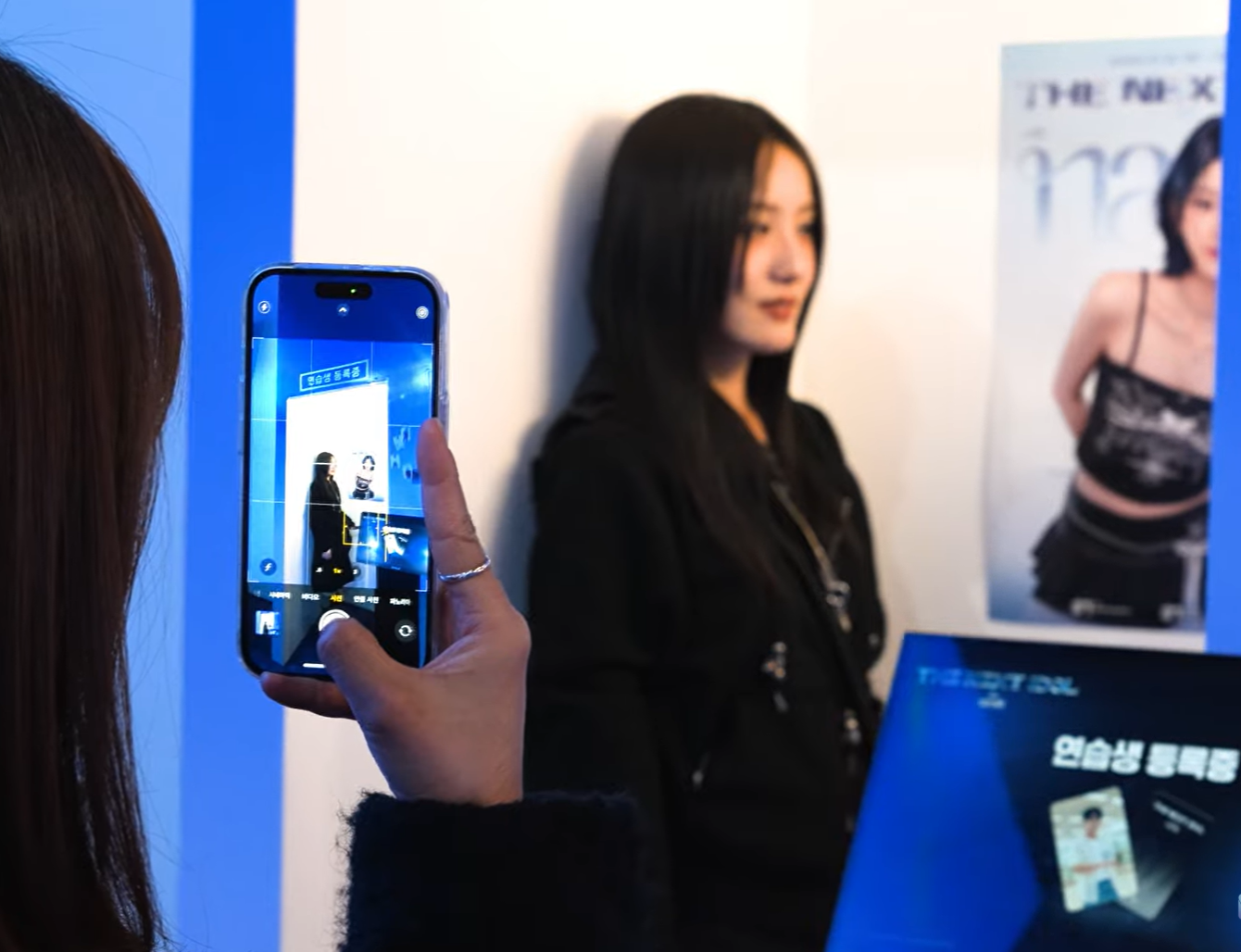
Success for artists is being driven by marketing power and superfandom. Instead of relying on revenue from album sales or streams alone, artists increasingly depend on building dedicated audiences that follow them across platforms, buy their merchandise, and attend their shows. Spotify embedded lossless audio into its Premium subscription at no extra cost in September 2025. UMG CEO Lucian Grainge declared 2026 the year to accelerate superfan engagement. Goldman Sachs projects the superfan monetization market at $4.5 billion by 2030. And K-pop, already a generation ahead, is building AI-powered experience spaces that show where the entire entertainment economy is heading.