
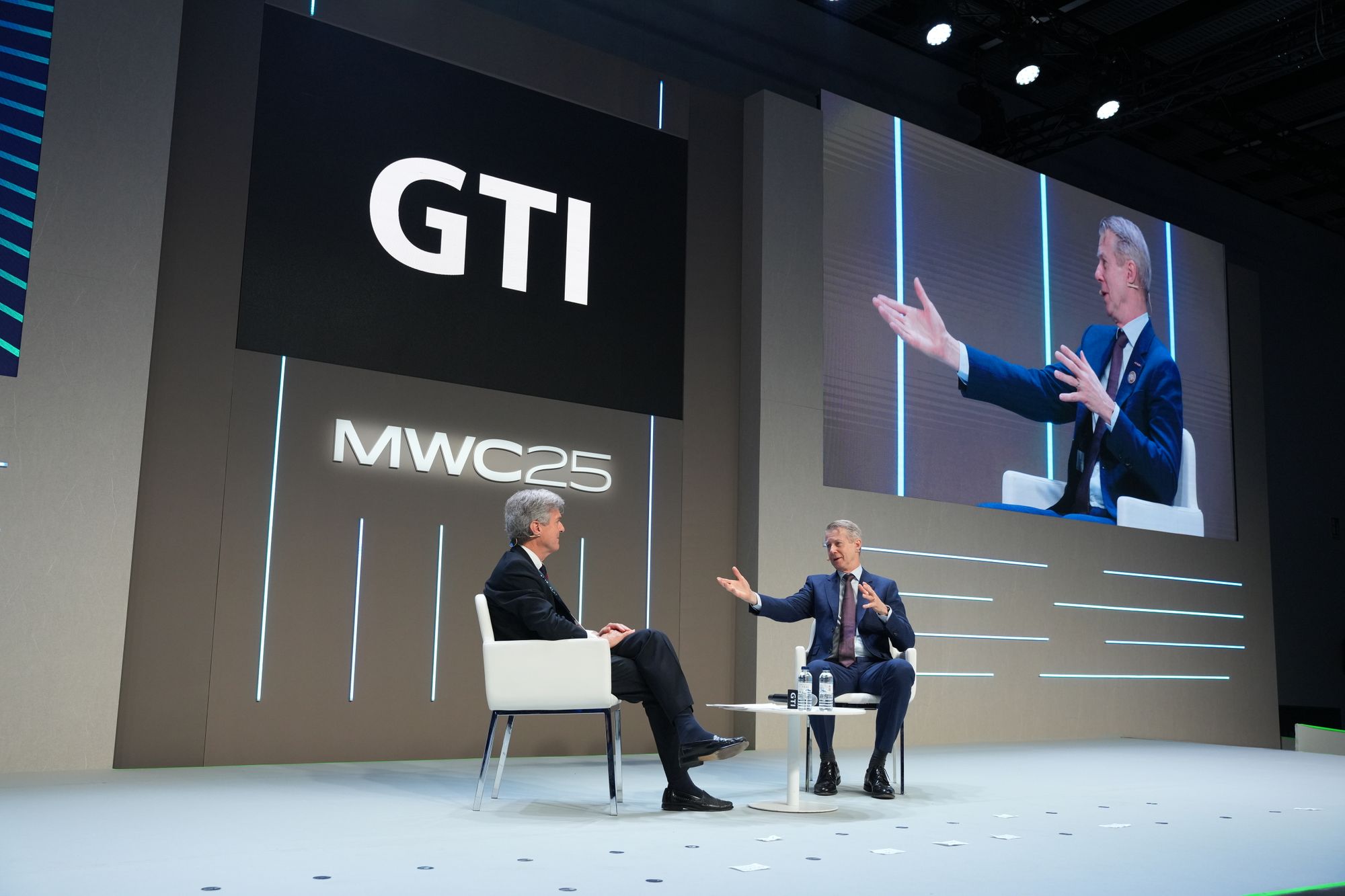
If MWC 2024 was the year the telecom industry committed to AI in principle, MWC 2025 is where it is being asked to prove it in practice. Across the show floor at Fira Barcelona, the dominant conversation has shifted from architecture debates to deployment timelines — and nowhere is that pressure more acute than in the enterprise private networking market.
Multiple keynote speakers and senior executives at this year's event described 2025 as "the year private networking moves beyond planning into real-world deployment" — a phrase repeated with striking consistency across vendor booths. Private 5G is no longer a single-technology play. Enterprises are increasingly adopting hybrid architectures combining private 5G, fixed wireless, and fiber, with managed service providers and system integrators playing a growing coordination role as OEMs acknowledge they lack the in-field deployment expertise to execute at scale on their own. In the United States and Canada in particular, fixed wireless is emerging as a cost-effective entry point for enterprises seeking flexible private network connectivity without the capital intensity of full fiber buildout.
The network API ecosystem took a concrete step toward monetization at MWC 2025. Orange launched its commercial API business, LiveNet, offering developers and enterprises access to advanced network functions including identity verification, anti-fraud tools, geolocation, and quality-on-demand services. Orange is a founding member of both GSMA's Open Gateway initiative and Aduna, the joint API venture involving Ericsson and more than ten international operators. McKinsey estimates the total addressable market for telecom network APIs at between $100 billion and $300 billion — though industry observers at MWC were quick to note that IoT and Rich Communication Services once carried similarly ambitious projections that ultimately fell short of expectations.