
K-ENTERTECH HUB | MUSIC & AI
MURÉ’s single goes out worldwide Oct. 1, travelling from streaming platforms and a watercolour video to the Jeongseon Arirang Festival stage
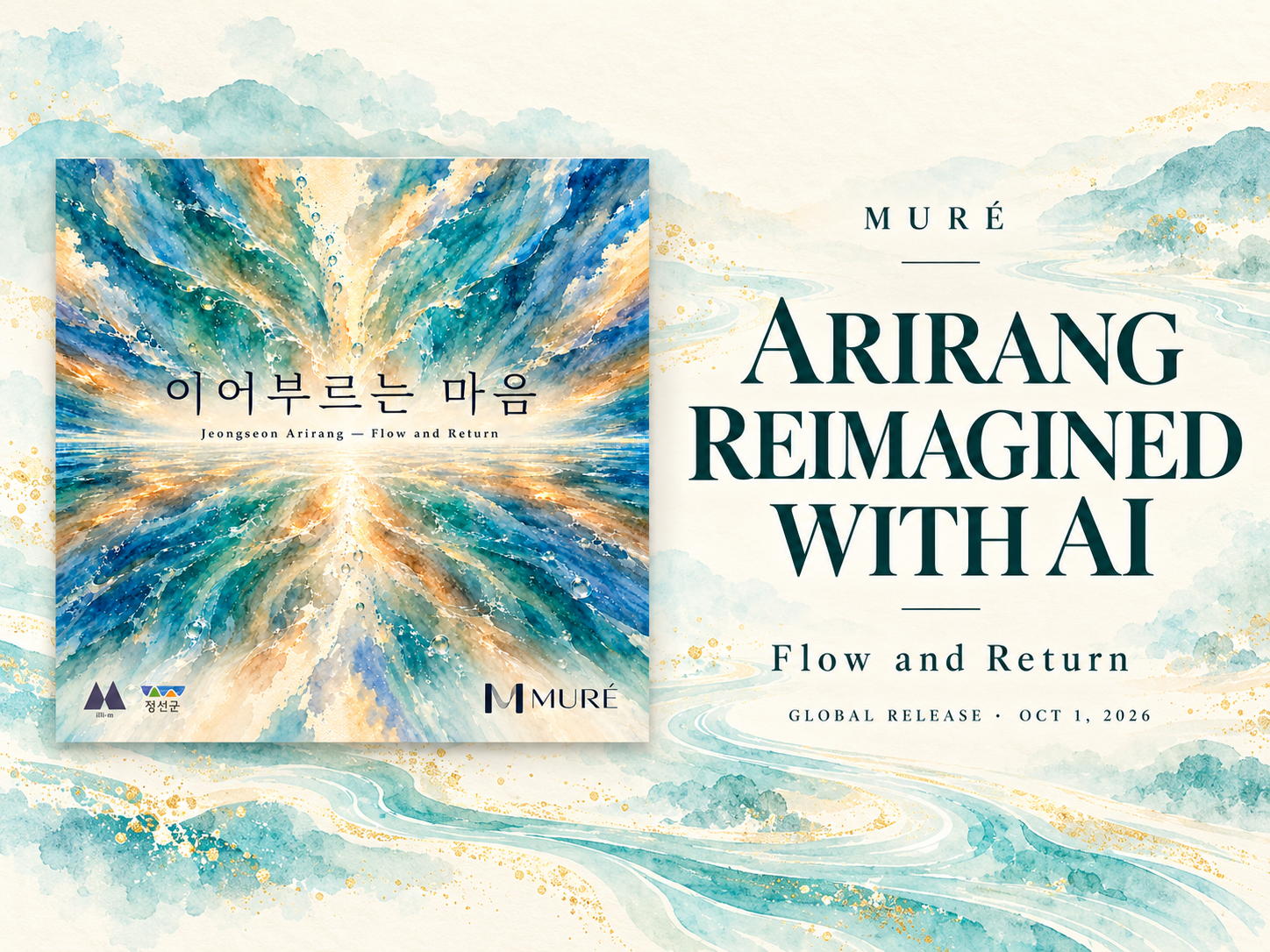
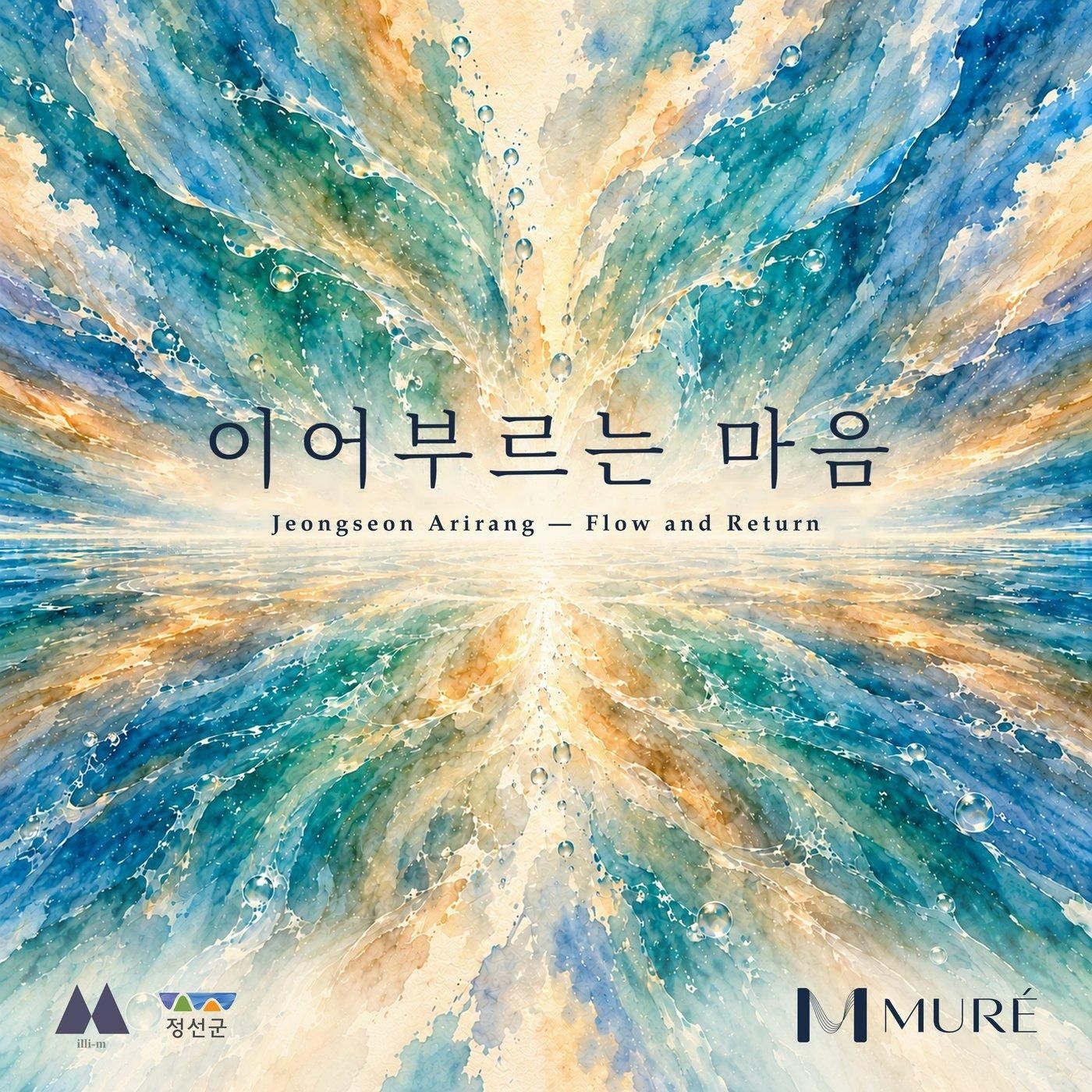
Jeongseon Arirang (정선아리랑), the folk song of Korea’s Gangwon mountains, is getting a new recording and music video made in collaboration with AI. “Ieobureuneun Maeum” (이어부르는 마음), released in English as “Jeongseon Arirang — Flow and Return,” goes out on music platforms worldwide on Oct. 1 under the name MURÉ (무레). Jeongseon County (정선군) sponsored the project; illi-m (㈜일리엠) planned and produced it. The music video, an AI watercolour animation, comes out the same day.
The song began as a draft generated from an AI analysis of the traditional tune. Director Lee Je-hyeong (이제형) and Hong Jeong-ui (홍정의) wrote the lyrics and music, and AI was brought back at the arrangement stage to test options for rhythm, harmony and timbre. The core Jeongseon Arirang melody remains the backbone of the finished track.
Release day coincides with the opening of the 51st Jeongseon Arirang Festival (정선아리랑제), and the team will perform the song live on the festival stage the following day, Oct. 2 — pairing global digital distribution with a local festival in a single schedule. “Through this approach, I want to let many people know about the present-day use of traditional culture,” Lee told K-EnterTech Hub in an interview.
Melody, verses and breath analysed for a draft; Lee and Hong wrote the song
The work started in the first half of this year with an AI analysis by MURÉ, a creative platform team. It examined the song’s melody, verses, vocal delivery and breathing, along with its regional feeling and history of transmission, and sorted the elements of the original to be preserved from those open to reinterpretation. The musical images and sound direction that came out of that analysis became the draft from which Lee and Hong built the song.
The producers treat AI not as a replacement for the song’s tradition-bearers but as a tool that widens the range of interpretation, composition, arrangement and sound work. During arranging they compared AI-suggested options for rhythm, harmony, timbre and spatial sound. The Arirang theme is not a decorative quotation but the central line meant to call up listeners’ memories, set under contemporary rhythm and harmony and a cinematic build. The AI tools used, and how much of the draft survives in the final recording, have not been disclosed.
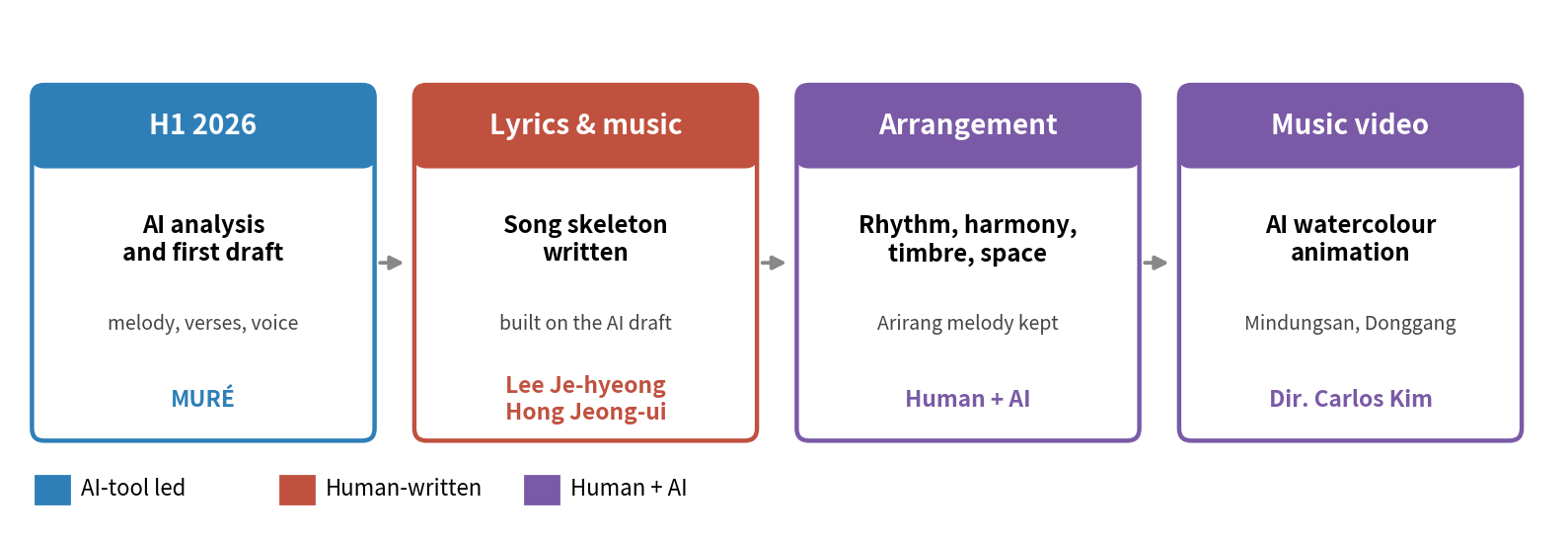
How “Ieobureuneun Maeum” was made. The share of AI contribution at each stage has not been disclosed. Source: Jeongseon County, illi-m, Lee Je-hyeong
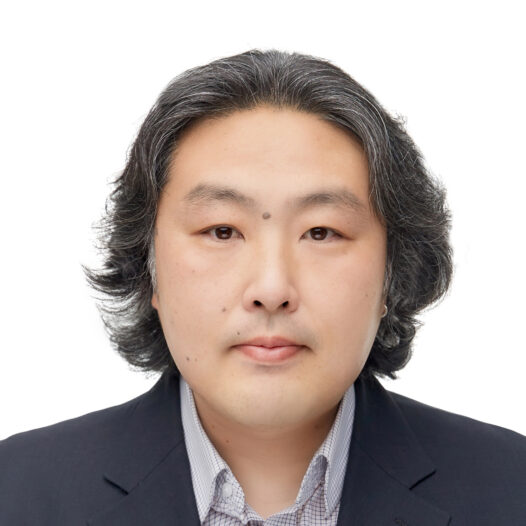
Interview: Lee Je-hyeong, “I want people to know about the present-day use of traditional culture”
— How was “Ieobureuneun Maeum” made?
“We analysed Jeongseon Arirang with AI to make a first draft, and made ‘Ieobureuneun Maeum’ (MURÉ) through collaboration with AI on the concept and various other elements.”
— What are the release and performance plans?
“It is set for release on music platforms worldwide and as a music video on Oct. 1. On Oct. 2 we also plan to perform it ourselves at the Jeongseon Arirang Festival.”
— Why do you want the work widely known?
“I hope it gets known widely, and through this approach I want to let many people know about the present-day use of traditional culture.”
The interview was conducted by messenger in September and translated from Korean by K-EnterTech Hub.
From the Mindungsan doline and back: a watercolour music video
Director Carlos Kim made the music video as an AI watercolour animation. It is set around the Donggang river (동강) and the doline of Mindungsan (민둥산), a sinkhole-shaped hollow formed where rainwater dissolves limestone. The seasons move from autumn through winter into spring in washes of bleeding colour.
A log raft, the endemic Korean spotted barbel (어름치), a leopard cat, the Donggang pasqueflower (동강할미꽃) and a kestrel appear in turn. The film opens and closes at the same doline and rock, and in the last scene, as the mist lifts on spring, it carries the work’s message: “the place is the same, but the water is different water.” The English title, “Flow and Return,” comes from that movement away and back.
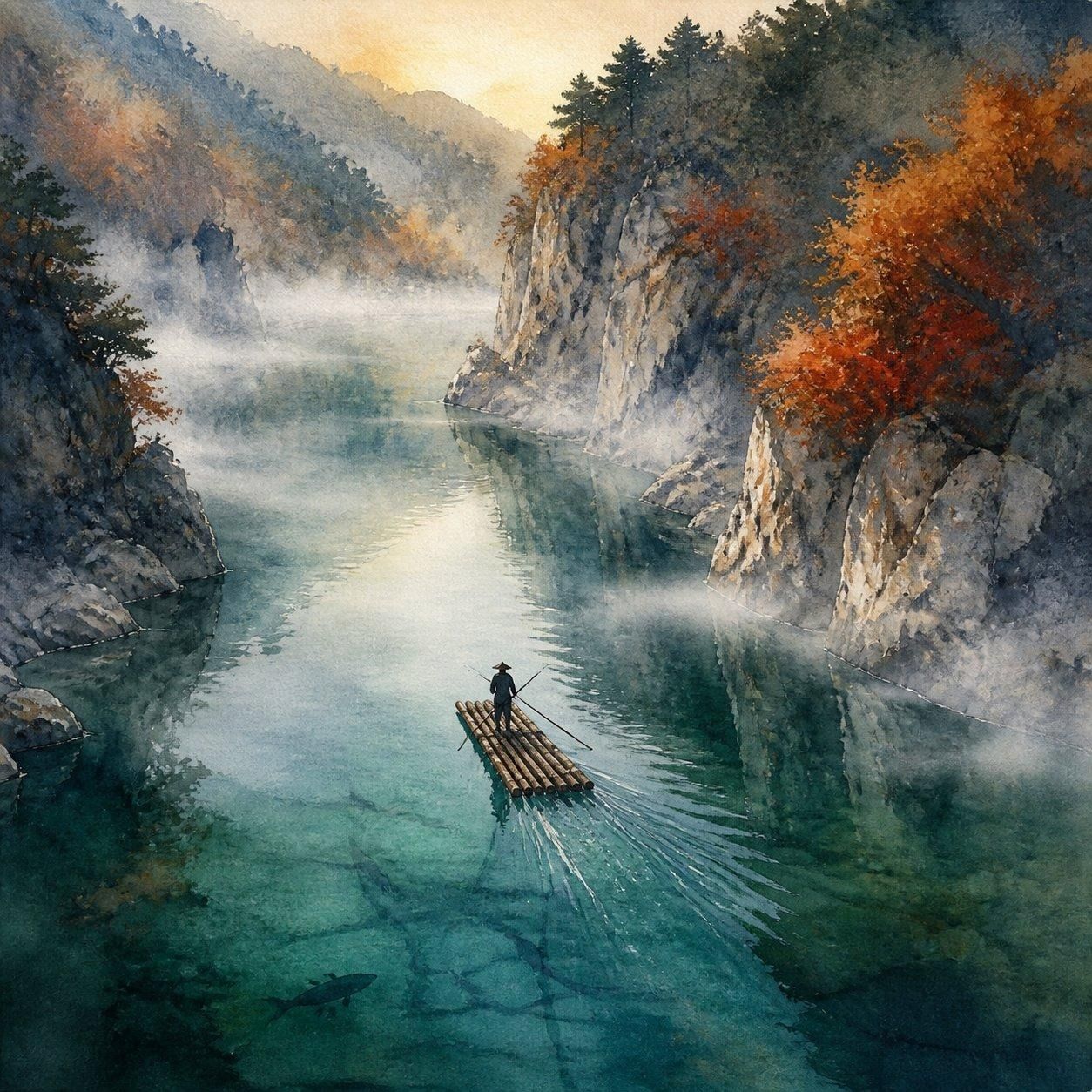
The lyrics treat Jeongseon’s hills, fields, river and wind as images of memory and longing rather than as scenery: wind blowing over the ridge, breath carried along the water, longing crossing the river. They point both to Jeongseon and to each listener’s own sense of home. Because the landscape and seasons explain the song’s setting, the video can serve as a guide for overseas listeners hearing Jeongseon Arirang for the first time.
County and producer: “the voice of the region,” and a heart that carries on
Jeongseon County said it backed the project because it regards Jeongseon Arirang as the voice of the region, handed down through generations, and wants that sound to ring out naturally today. illi-m said it took on planning and production in the belief that the way a song is sung changes from era to era, but the heart it carries is passed on unchanged. Both describe the release as a beginning rather than an end and plan to keep working together so the song is sung anew as it meets other art forms and new technologies.
The stated aim is extension rather than reproduction: instead of restoring Jeongseon Arirang as a fixed heritage item, the team set out to make its melody and feeling move again in present-day music and film. The producers see the pairing of AI tools and traditional art as a way for younger listeners and audiences at home and abroad to meet the song afresh.
Protected since 1971, on UNESCO’s list since 2012, with 1,200-plus recorded verses
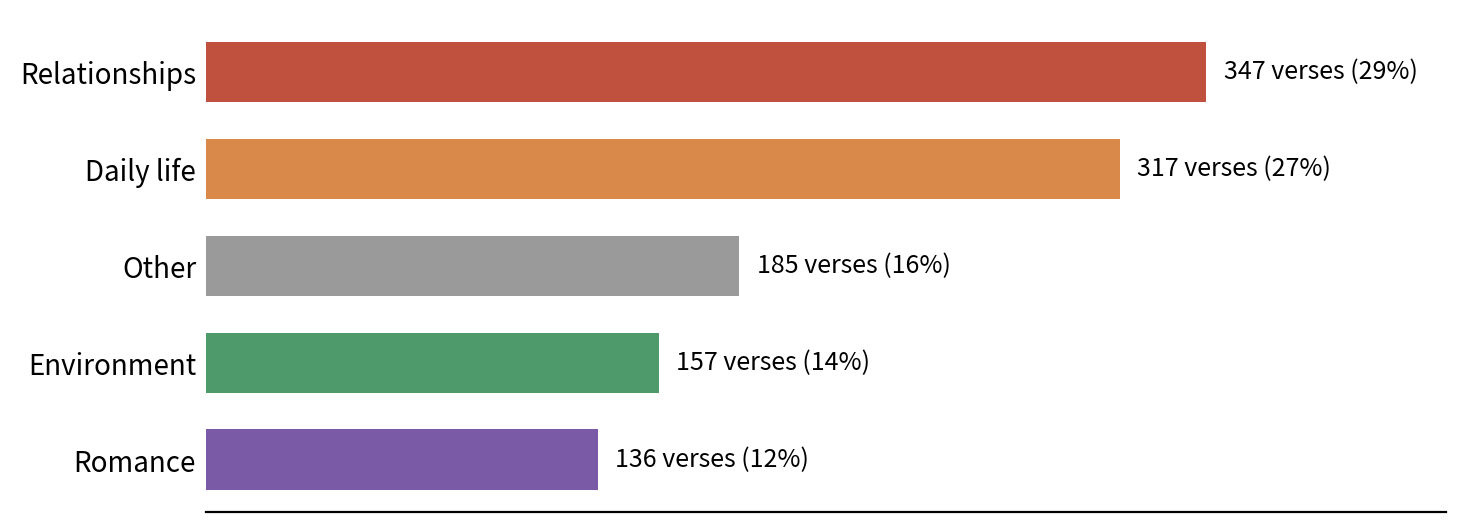
Jeongseon Arirang was designated an intangible cultural property of Gangwon Province, now Gangwon State, on Dec. 16, 1971. The county says it has been sung widely in the area since the early Joseon period. Singers set whatever they felt at the time to the inherited tune, and the lyrics multiplied: more than 1,200 verses have been recorded, including 347 on human relationships, 317 on daily life, 157 on the environment and 136 on romance.
Jeongseon Arirang is one regional branch of the wider Arirang tradition. When UNESCO inscribed “Arirang, lyrical folk song in the Republic of Korea” on its Representative List of the Intangible Cultural Heritage of Humanity in 2012, it described Arirang as the product of collective contributions across generations, with new verses adding regional, historical and genre variety. The song’s Korean title, roughly “singing on,” comes from that practice of adding verse to verse.
National orchestra’s “Coexistence” and a provincial AI video: public-sector AI music spreads
Attempts to link traditional music and AI have multiplied in Korea’s public sector this year. On June 26 the National Orchestra of Korea (국립국악관현악단) premiered five AI-composed works for traditional orchestra at the National Theater of Korea’s Daloreum Theater in a concert titled “Coexistence” (공존). A conversational AI named “Jieum” analysed emotion data gathered from audience surveys to produce drafts, which composers turned into playable scores; one piece, “Algorithm Arirang,” reworked traditional Arirang melodies algorithmically, Asia Business Daily (아시아경제) reported on June 16. Among local governments, South Gyeongsang Province (경상남도) released “A New Beginning” (새로운 시작) in March 2024, a music video made with generative AI from scenario to animation, which drew 110,000 views in four days, CBS NoCut News (노컷뉴스) reported.
The limits of AI with Korean traditional music have also surfaced. “Even now, if you feed in gugak as the theme and have AI produce a track, more than 95% of the time it uses Japanese or Chinese instruments,” composer Kim Baek-chan (김백찬) told Herald Business (헤럴드경제) on July 19. With too little digitised gugak material, models drift toward the average of better-documented music. The Jeongseon project’s decision to start from an analysis of the original tune, and to keep its main melody under human control, speaks to that problem.
Festival opens on release day; first live performance Oct. 2
This year’s Jeongseon Arirang Festival runs Oct. 1–4 around the county’s public stadium, alongside the 14th World Korea Arirang Festival. Hosted by the county and run by the Jeongseon Arirang Cultural Foundation (정선아리랑문화재단), it comprises 108 events in 12 categories, including an Arirang parade, a national Arirang singing contest and an A-POP competition for pop arrangements of the song. In January it was named to the 2026–2027 list of Culture and Tourism Festivals chosen by the Ministry of Culture, Sports and Tourism (문화체육관광부) and the Korea Tourism Organization (한국관광공사).
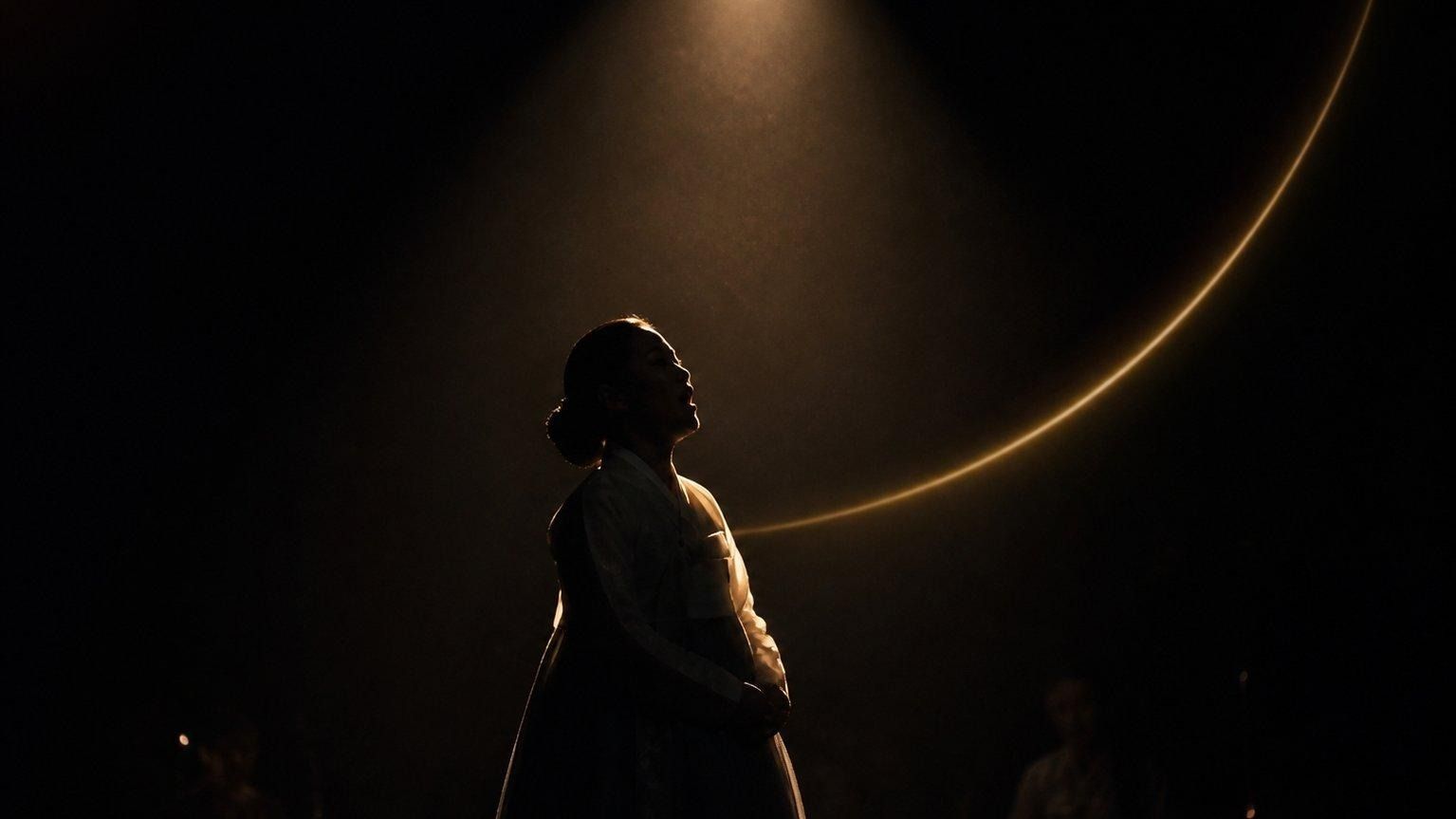
The Oct. 2 performance will be the song’s first outing before a Jeongseon audience, the day after its global release. At the same festival that hosts the traditional singing contest and the A-POP competition, inherited singing and an AI-assisted new song will share the stage. Performance times, stage details and platform links have not yet been announced.
Performance, exhibitions, education and tourism next; KOMCA’s AI rules still unsettled
The producers name performance, exhibitions, education and tourism as follow-up areas. Mindungsan and the Donggang are among the county’s best-known sights, so the video can double as regional promotion, and linking on-screen locations to real place names with multilingual notes would turn listening into tourism and education content. To become a sustained business, though, follow-up performances, distribution and educational use each need concrete plans.
The rights question remains open. The Korea Music Copyright Association (한국음악저작권협회, KOMCA) voted at its eighth board meeting on Aug. 25 to withdraw its revised AI rules, after the National Assembly and the culture ministry said a national standard built through wider consultation was needed rather than an association-level rule. The association said it “will continue to apply the principle of not registering 100% AI-generated works,” Asia Business Daily reported on Aug. 26. At a National Assembly forum on Sept. 22, speakers discussed judging works by the substance of human creative contribution rather than by whether AI was used at all.
“Ieobureuneun Maeum” credits people for its lyrics and music, but AI produced its first draft. If registration comes to hinge on human contribution, the team would need to show, for lyrics and music separately, what people chose, changed and wrote after that draft. Whether tradition-bearers such as the song’s recognised holders took part, and what source recordings and verses fed the analysis, are further points for the project to explain. Whether a song that passed through new technology keeps being sung, in Jeongseon and by listeners abroad, will become clearer after the Oct. 1 release and the Oct. 2 performance.
Note: Text in quotation marks is interview material or reported speech; unquoted passages summarise the Jeongseon County / illi-m press release of Sept. 18 and other sources. Korean quotations were translated by K-EnterTech Hub. This article was written before the song and video were released. The album cover and project images were provided by illi-m, Jeongseon County and MURÉ; charts were produced by K-EnterTech Hub.
Sources
1. Jeongseon County / illi-m, press release on “Ieobureuneun Maeum” (Korean; full-version PDF and HWP), Sept. 18, 2026
2. Lee Je-hyeong (illi-m), messenger interview with K-EnterTech Hub, September 2026
3. Jeongseon County tourism site, “About Arirang” — https://www.jeongseon.go.kr/tour/jeongseonarirang
4. UNESCO, “Arirang, lyrical folk song in the Republic of Korea” — https://ich.unesco.org/en/lists?RL=00445
5. Jeongseon Arirang Festival, “Festival overview” — https://arirangfestival.kr/1_2.php
6. Gukje News, Jan. 26, 2026 — https://www.gukjenews.com/news/articleView.html?idxno=3489777
7. Asia Business Daily, June 16, 2026 — https://view.asiae.co.kr/article/2026061607410593506
8. CBS NoCut News, March 19, 2024 — https://www.nocutnews.co.kr/news/6113489
9. Herald Business (고승희), July 19, 2026 — https://biz.heraldcorp.com/article/10811344
10. Asia Business Daily (이이슬), Aug. 26, 2026 — https://view.asiae.co.kr/article/2026082608485585092
11. Asia Business Daily, Sept. 22, 2026 — https://view.asiae.co.kr/article/2026092210450758579