![[Samseog Ko's Insight]Co-Evolution, Not Competition: A Strategy for Korea-Malaysia Content Industry Partnership](https://cdn.media.bluedot.so/bluedot.kentertechhub/2026/02/1fzdnf_202602170324.jpeg)
Samseog Ko
Distinguished Professor, College of AI Convergence, Dongguk University
Member, Presidential National AI Strategy Committee, Republic of Korea
Former commissioner, Korea Communications Commission
In February 2021, the Malaysian government officially announced its ambition to become a “Global Digital Content Hub Nation by 2030” through the Malaysia Digital Economy Blueprint, known as MyDIGITAL. This is not a modest aspiration. It represents a national strategy to transform Malaysia into a digitally driven, high-income country and a regional leader in the digital economy over the course of a decade.
 Samseog Ko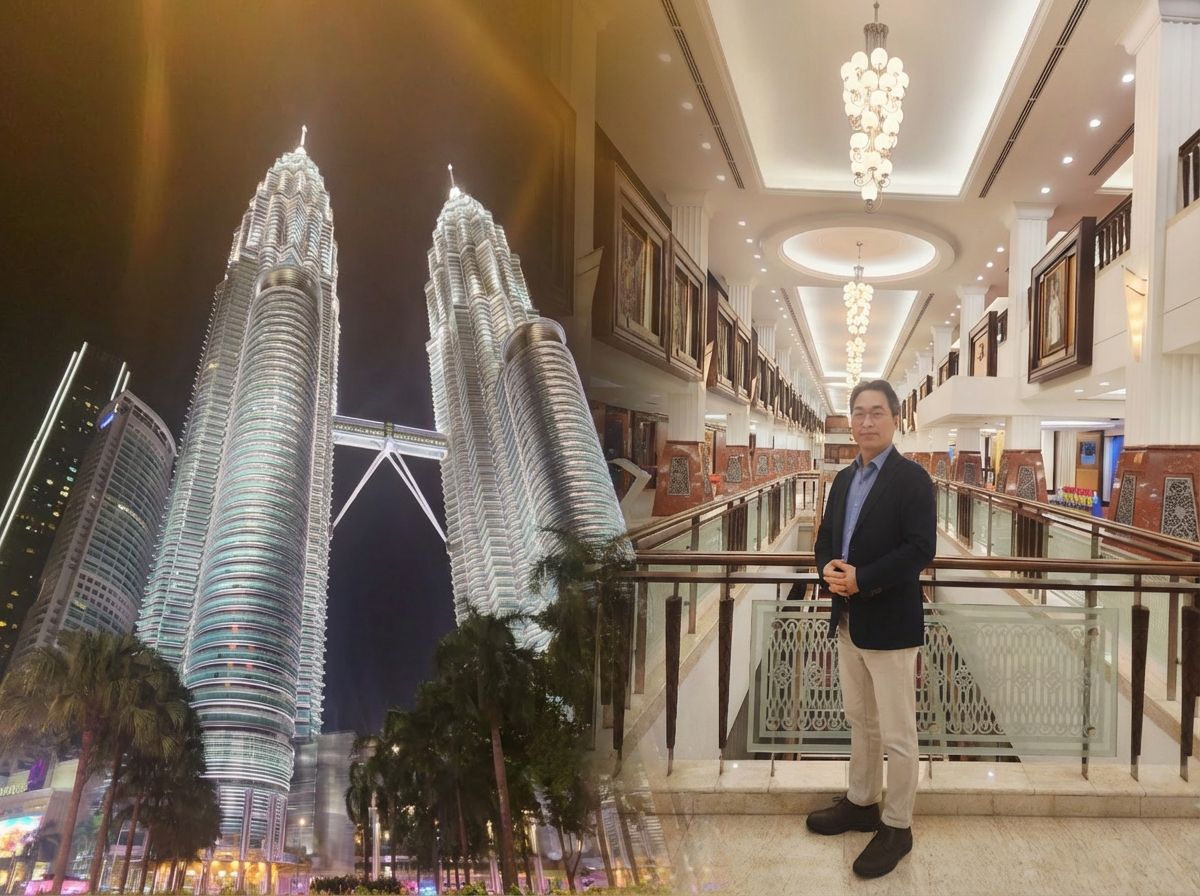
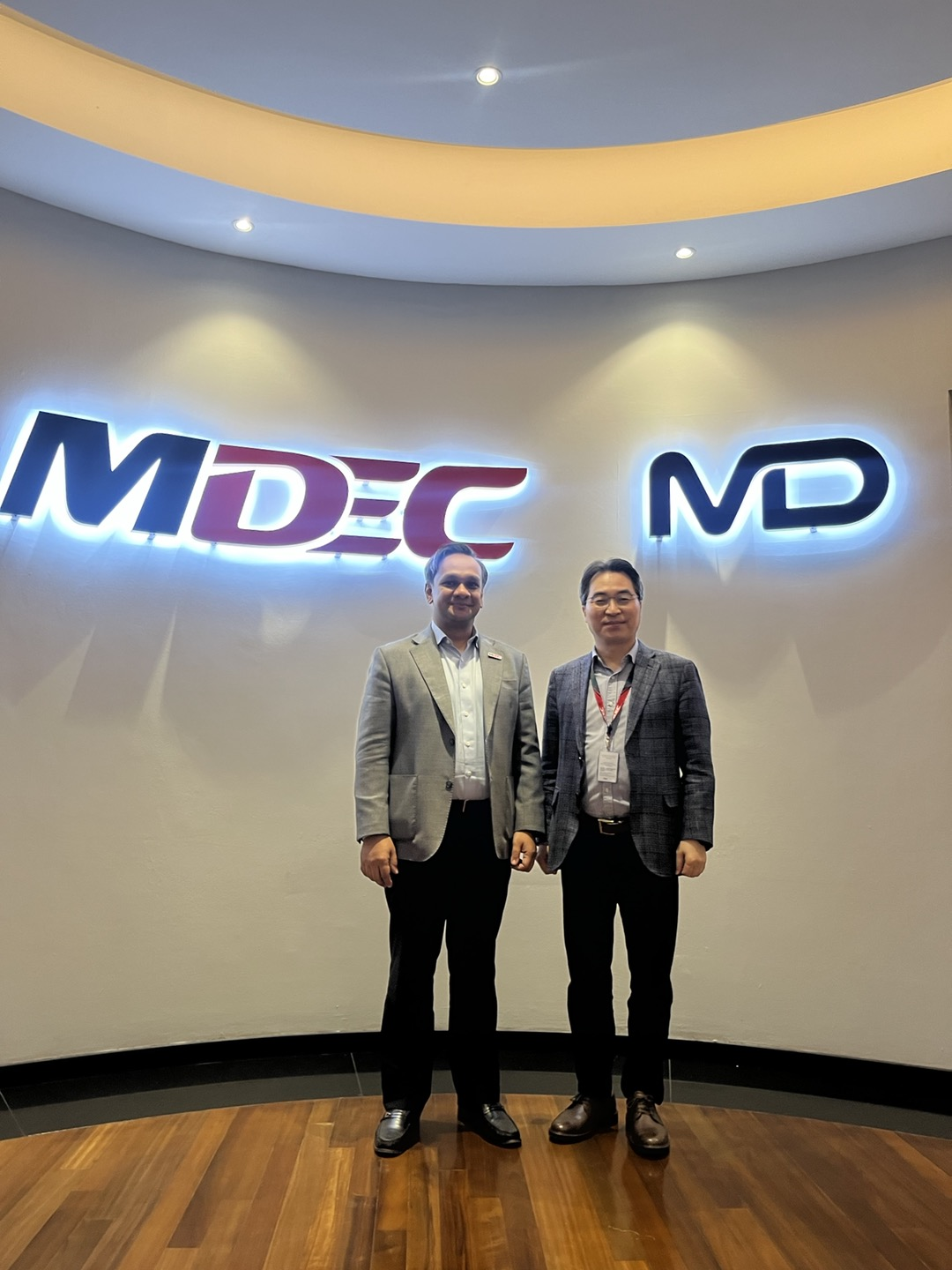
Under the MyDIGITAL roadmap, Malaysia has progressed through two foundational phases—strengthening digital adoption (2021–2022) and accelerating inclusive digital transformation (2023–2025)—and has now entered its most ambitious stage: establishing regional leadership in digital content and cybersecurity (2026–2030). Building on this framework, the Malaysia Digital Economy Corporation (MDEC) has developed the Digital Creative Ecosystem (DICE) Roadmap, which targets animation, gaming, and extended reality (XR) as the pillars of a Southeast Asian digital content hub.
This vision is far more than a cultural policy declaration. It is a strategic pivot—an effort to move beyond the constraints of a growth model built on natural resources and traditional manufacturing and to place digital transformation and the content industry at the heart of national development. Examining both the promise and the limitations of this strategy—and exploring a co-evolution framework with Korea—yields important implications for Korea’s own content policy and industry.
A Strategy Rooted in Realism
What distinguishes Malaysia’s approach is its realism. Malaysia has not declared itself a future “content powerhouse” that will dominate global markets with its own intellectual property—the way Korea or the United States might. Instead, it aims to become the place where global content is produced, exported, and tested. Its English-speaking environment, multicultural society, and geopolitical position at the crossroads of Southeast Asia and the Islamic world lend structural credibility to this ambition.
The timing is fortuitous. As global OTT platforms, gaming companies, AI giants, and Middle Eastern capital all seek footholds in Southeast Asia, Malaysia is well positioned to establish itself as a neutral, open base for production and experimentation. From a policy standpoint, it is already well prepared: digital content grants, film production rebates, foreign company incentives, and workforce development programs are in place and operational. Perhaps most significantly, the absence of a deeply entrenched legacy production pipeline means that AI-based content workflows can be adopted as the default rather than the exception—a classic latecomer advantage that should not be underestimated.
Structural Limitations
Yet structural constraints are equally apparent. The most significant risk is the absence of original, globally competitive intellectual property. Being a successful production hub does not automatically translate into becoming a content powerhouse. If Malaysia becomes locked into a platform-driven outsourcing and co-production model, its market may grow and employment may rise, but IP ownership and industry leadership will remain elusive. Developing core creative talent—capable producers, showrunners, and game directors—is a process that cannot be compressed into a few years. The fragmentation of government agencies responsible for traditional media, audiovisual content, culture and the arts, and digital content policy is another notable weakness.
Despite these challenges, I would assess that Malaysia’s strategy has a high probability of producing meaningful results. The content industry has been firmly embedded as a core instrument of the nation’s digital transformation and economic strategy, backed by sustained and concentrated investment of national resources. Even if Malaysia falls short of becoming a content superpower, establishing itself as an indispensable intermediary hub in the global content value chain would itself constitute a significant achievement.
A Partner, Not a Rival
The critical question is how Malaysia’s content hub strategy will interact with Korea’s content industry. Viewed clearly, Malaysia is far more likely to become Korea’s strategic partner than its competitor. Korea brings content planning capabilities, world-class production expertise, and the formidable global brand power of K-Content and K-Culture.
At the same time, it faces real challenges: high dependence on global platforms, escalating production costs, and the imperative to adopt AI-based production methodologies.
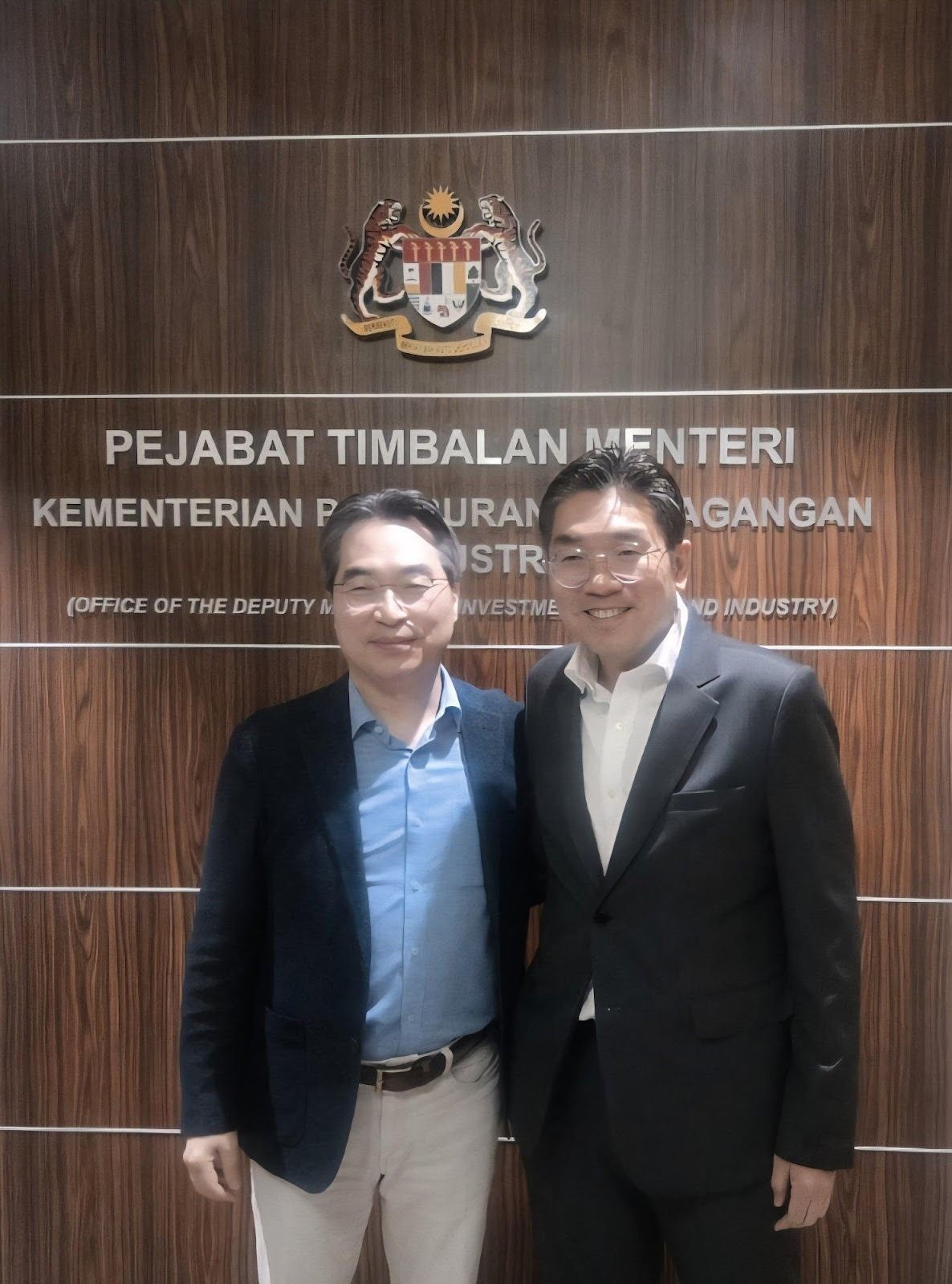
Malaysia can help address each of these. A natural division of labor is possible: Korea leads on core IP and creative direction, while Malaysia serves as a hub for co-investment, co-production, and market expansion into Southeast Asia and the Islamic world. The key principle of such a partnership must be co-evolution, not outsourcing. If Korean content companies simply use Malaysia as a low-cost production base, short-term efficiencies may improve, but a durable partnership will not materialize. Conversely, when collaboration is built on joint IP development, shared production, and mutual market expansion, Malaysia’s hub strategy becomes a powerful lever for the global growth of Korean content.

A Turning Point for Both Nations
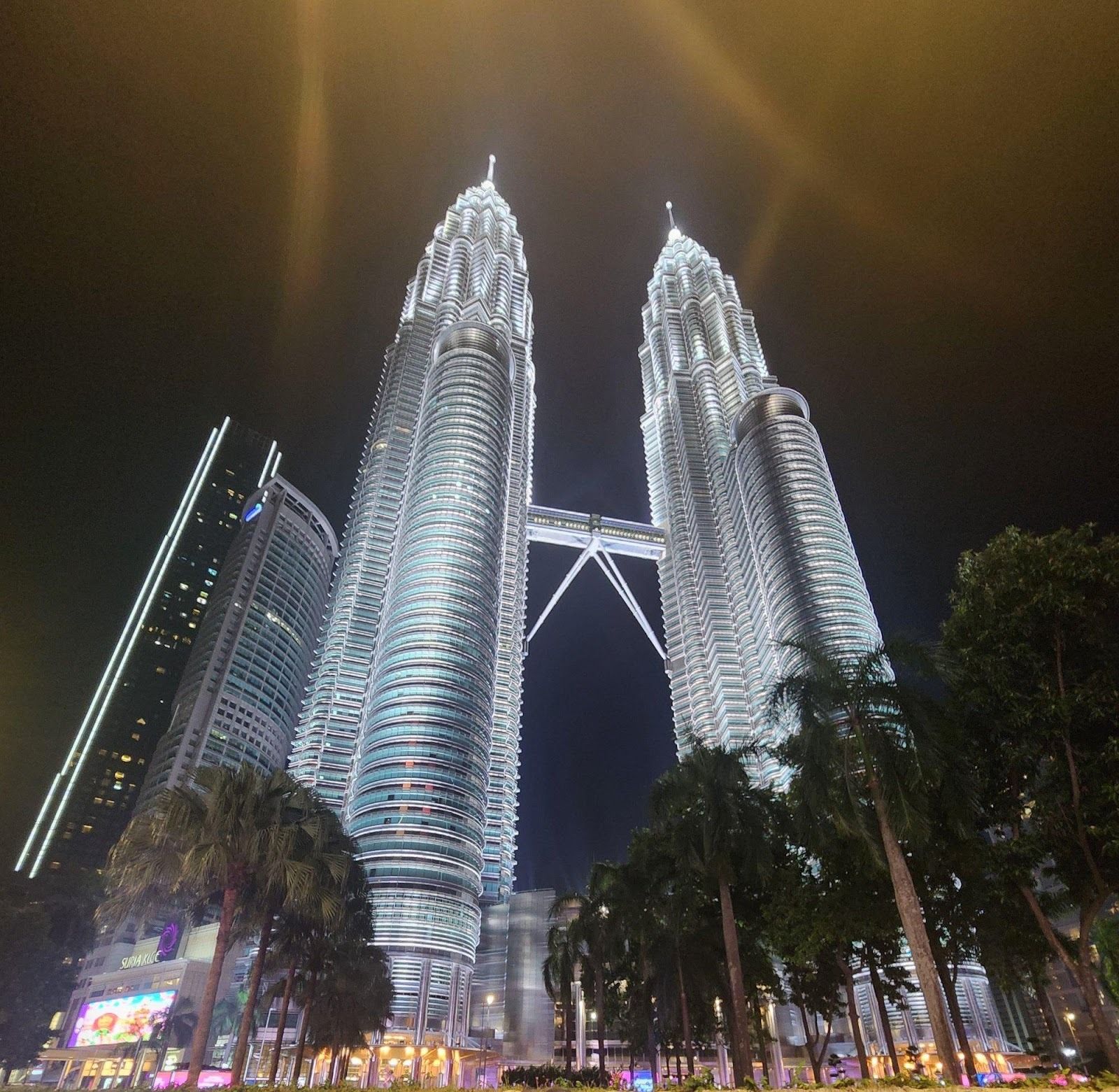
Malaysia’s “2030 Global Digital Content Hub Nation” strategy is not a threat to Korea’s content industry. It is an opportunity to jointly design a new growth trajectory. The Korea-Malaysia Free Trade Agreement (MKFTA), concluded on the sidelines of the ASEAN Summit in Kuala Lumpur in October 2025, is both a starting signal and a catalyst for this collaboration. It covers not only goods and services but also digital trade, the green economy, and economic cooperation—laying a broad institutional foundation for deeper engagement.

The next five years represent a pivotal window. Korea and Malaysia have the opportunity to move beyond the tired logic of competition and instead pursue a co-evolution strategy that reshapes the content ecosystem across Asia and the world. It is a partnership whose time has come.
■ Samseog Ko is a Distinguished Professor at the College of AI Convergence at Dongguk University and a member of the National AI Strategy Committee of the Republic of Korea, where he contributes to shaping the country’s next-generation AI and digital policy. A first-generation architect of the Korean Wave and former commissioner of the Korea Communications Commission, he now focuses on the convergence of AI, entertainment technology, and global content networks across Asia, leading initiatives such as the “Next Hallyu” vision and regional co-creation projects with partners in Southeast Asia.