Platforms are courting mid-tier creators, including specialists with followings in the tens of thousands. Twitch has made subscription and tipping tools available to eligible streamers before they qualify for Affiliate status. YouTube rewards product sales with commissions, while Meta helps brands turn creator posts into ads. The economics depend on fans returning to subscribe or buy. Brands can use modest budgets to test distinct audiences and put more money behind partnerships that convert.
Why the middle tier matters
Mid-tier creators have a distinct subject and returning fans. Each channel may generate modest sales, but across thousands of channels, recurring subscriptions and purchases can grow platform revenue and reduce dependence on individual stars. Advertisers can test specialized audiences before renewing deals. A Korean beauty brand entering the U.S. could compare sales from channels covering sensitive skin, men’s grooming and ingredient reviews, then promote the posts that converted.
Advertising grows while payouts concentrate
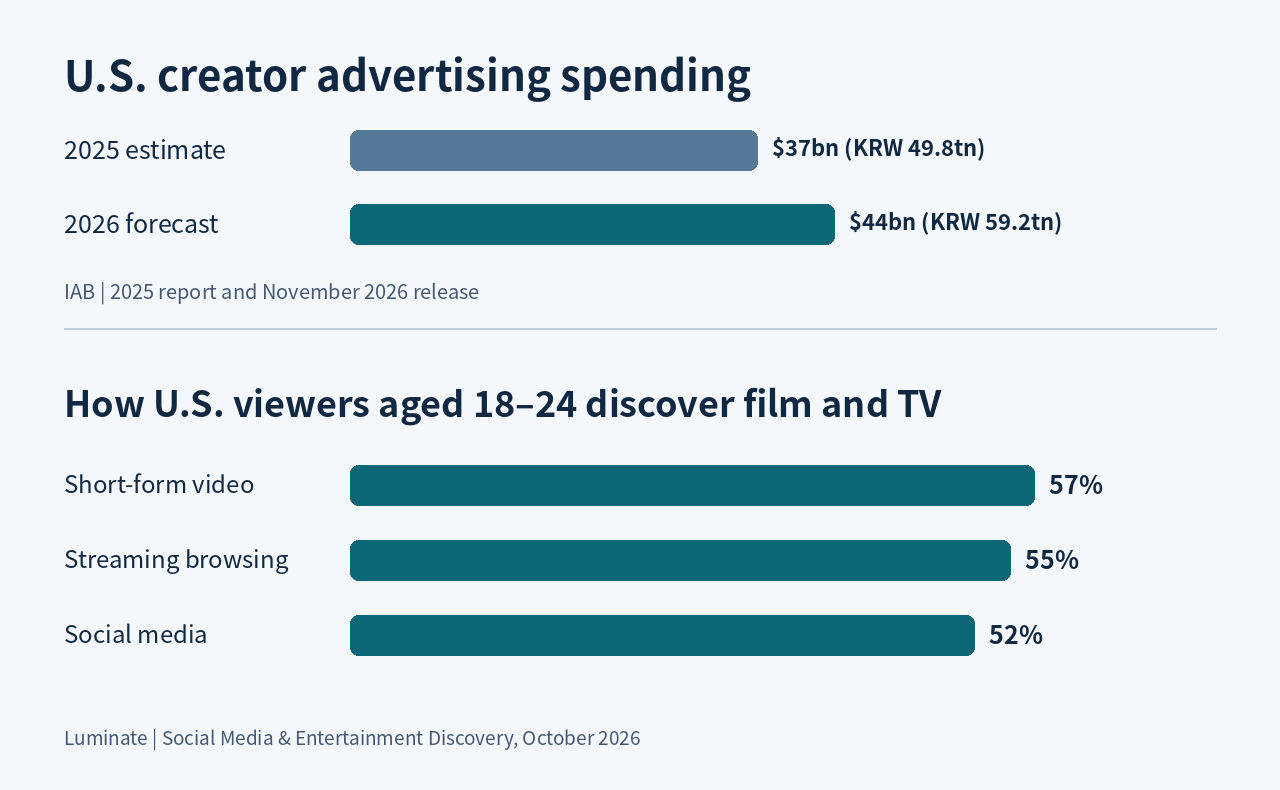
The IAB estimated $37 billion (about KRW 49.8 trillion) in U.S. creator advertising spending in 2025, up 26%. Its November 2026 outlook put the 2026 figure at $44 billion (about KRW 59.2 trillion). CreatorIQ’s 2025 direct campaign payments were concentrated among the top 10% of creators, who took 62% of all payments. The mean was $11,400 (about KRW 15.35 million), while the median was $3,000 (about KRW 4.04 million). Separately, 67% in an August 2026 creator survey reported annual creator income below $10,000 (about KRW 13.46 million). Won equivalents use KRW 1,346 to the dollar.
Platforms are selling different ways to earn
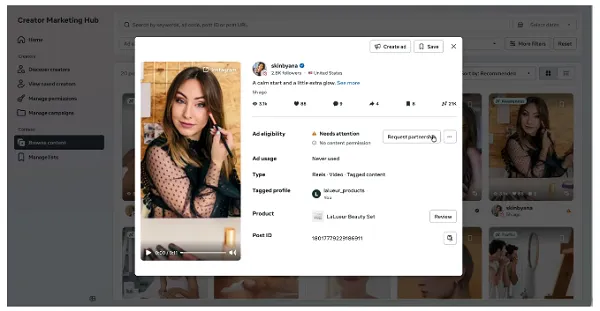
Twitch made subscriptions and Bits available to eligible streamers worldwide in May 2026. Affiliate or Partner status is still needed to receive payouts. YouTube reported more than 1.3 million Shopping affiliates and thirteenfold growth in gross merchandise volume over two years. Meta’s Creator Marketing Hub lets brands discover creators and run their posts as partnership ads.
Japan’s note reported that membership revenue rose by more than 80% and paid-article revenue by 26.8%. China’s Bilibili reported almost 3 million creators earned through ads and value-added services in 2025. Its direct fan-support revenue doubled, with more than 10 million supporters. Korea’s CHZZK reserves channel subscription monetization for Partner and Pro streamers.
Korea’s opportunity
South Korea’s digital creator media sector posted KRW 5.55 trillion in 2024 revenue, up 4.4%. Advertising, marketing and commerce rose 12.6%, while creator marketing agencies including MCNs fell 27.2%. SOOP’s platform revenue dropped 21.3% to KRW 66.1 billion in the third quarter of 2026, with the company citing lower donations as major streamer crews cut activity and some streamers left.
Luminate’s October 2026 survey found that U.S. viewers aged 18–24 discovered film and TV through short-form video (57%), streaming-service browsing (55%) and social media (52%). Respondents could choose multiple answers. Korean rights holders can use local creators to introduce titles and separately track full-length starts and paid conversion.
The market needs to generate a second deal
Platforms can track paid-member retention after three months and whether take-home earnings cover the costs of creating. Brands and agencies can test specialist creators and renew campaigns that drive sales or full-length viewing. A creator middle class is visible when fans pay again, brands sign a second deal and creators can pay for their next production.