
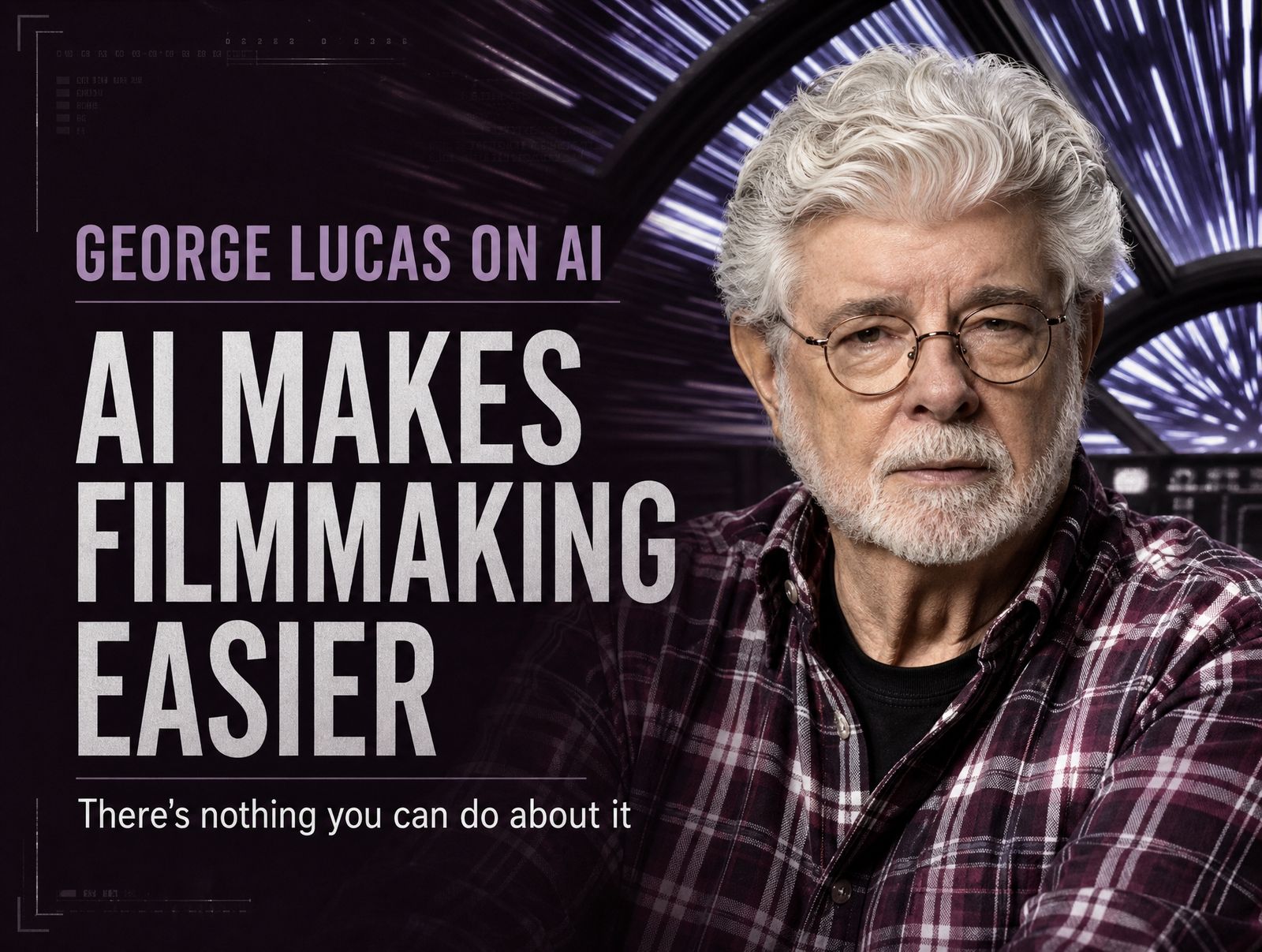
Not long after receiving an honorary Palme d’Or from Francis Ford Coppola in Cannes, George Lucas, 81, cast artificial intelligence as an irreversible next step for filmmaking.
The creator of Star Wars told the British outlet A Rabbit’s Foot that AI makes moviemaking easier and that there is nothing to be done to stop it — a stance that separates him from much of an industry watching the technology with unease.
 Jung Han
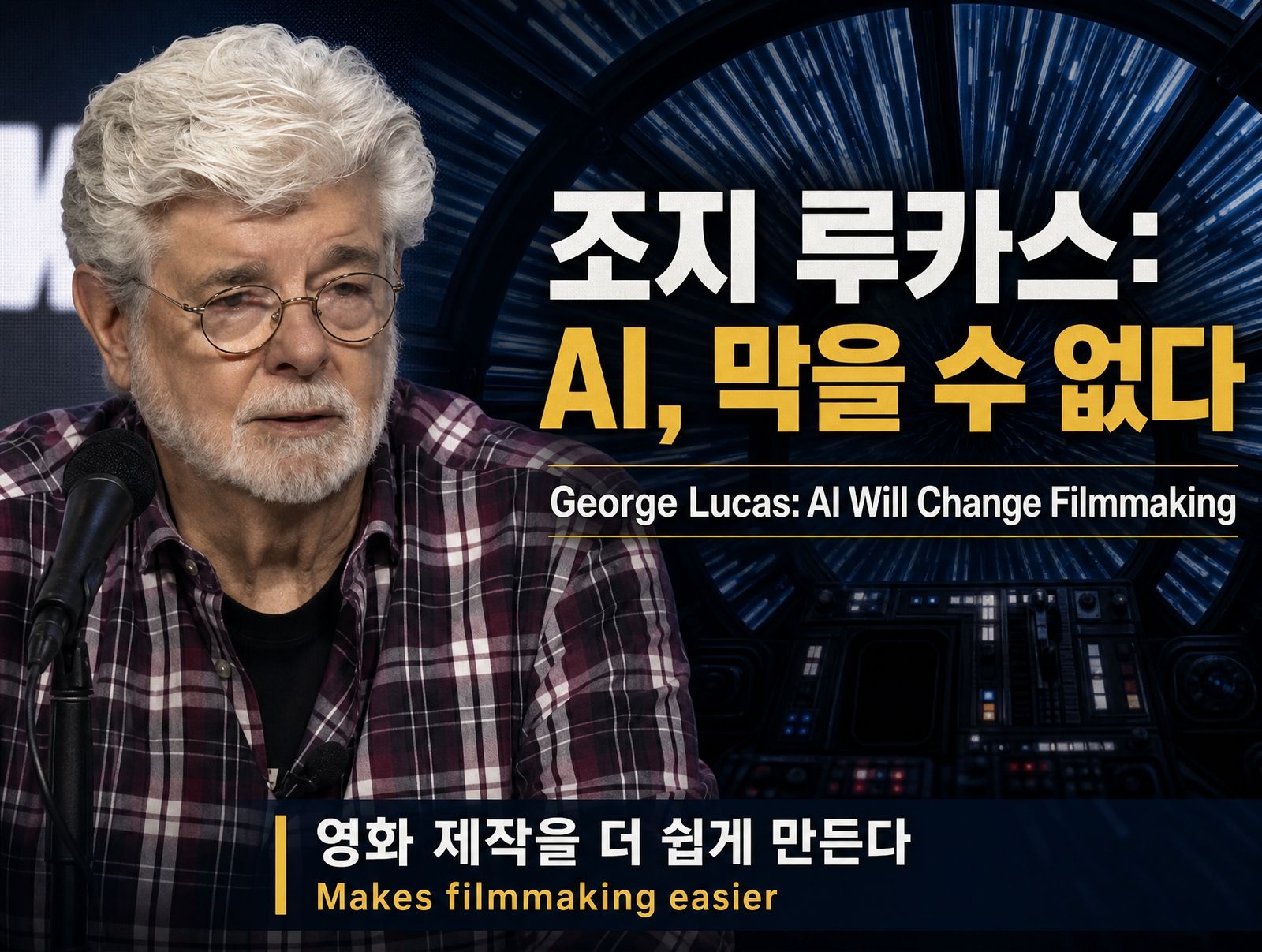
For Lucas, though, AI is less a new threat than the latest turn in an old pattern: whenever a system has blocked what he wanted to do, he has built his own way around it, and he has always treated cinema as the moving image, an idea rather than a technology. AI, in that view, is simply one more piece of equipment for realizing the idea.
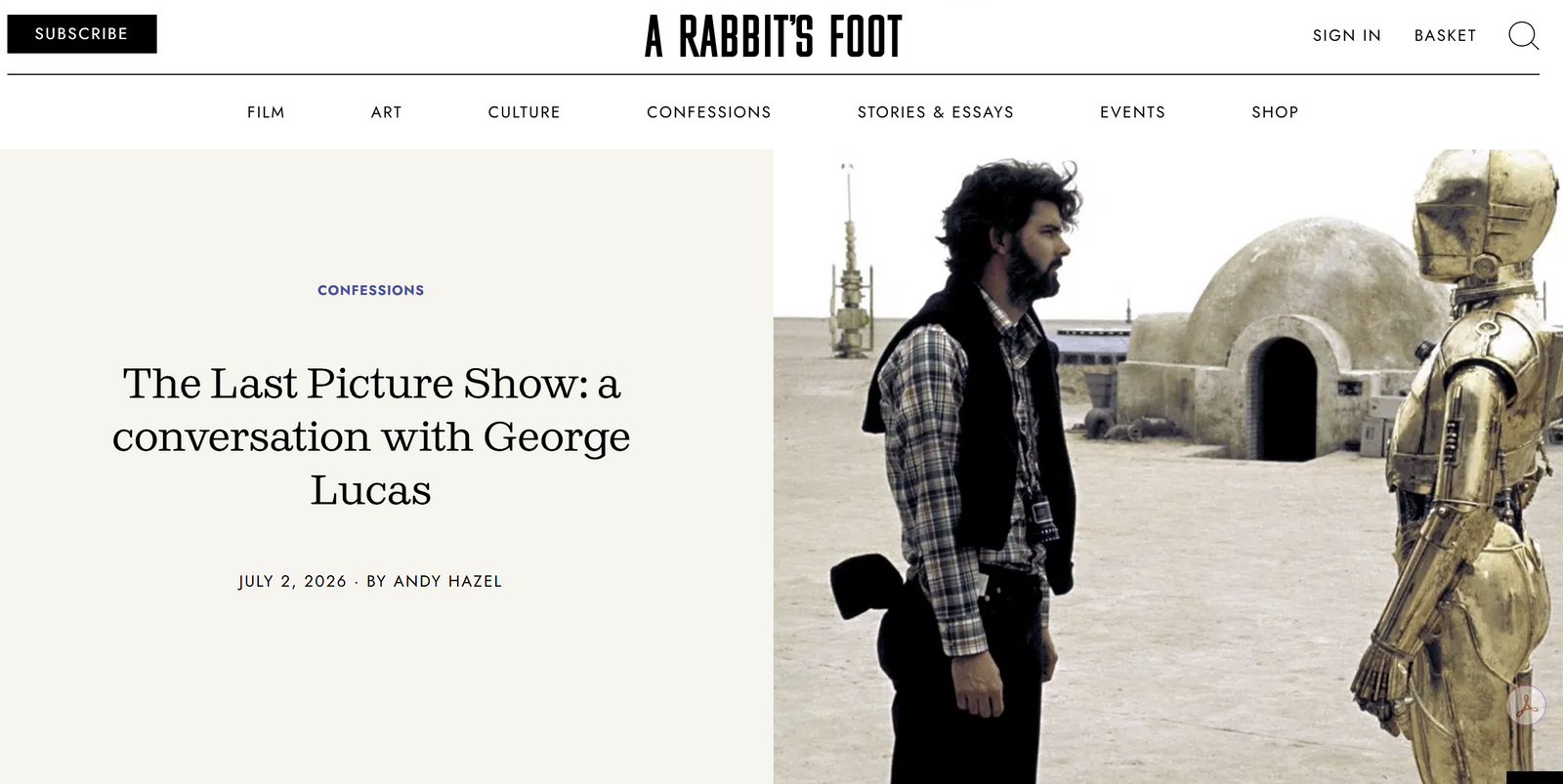
When blocked, he built the tool
Lucas describes himself as stubborn, with little patience for being told how to make his films. His answer to institutional resistance has usually been invention. Under studio pressure on Star Wars (1977) he held on to the merchandising rights to his characters; unable to get the effects he imagined, he founded Industrial Light & Magic; hemmed in by analog editing, he helped pioneer its digital successor.