
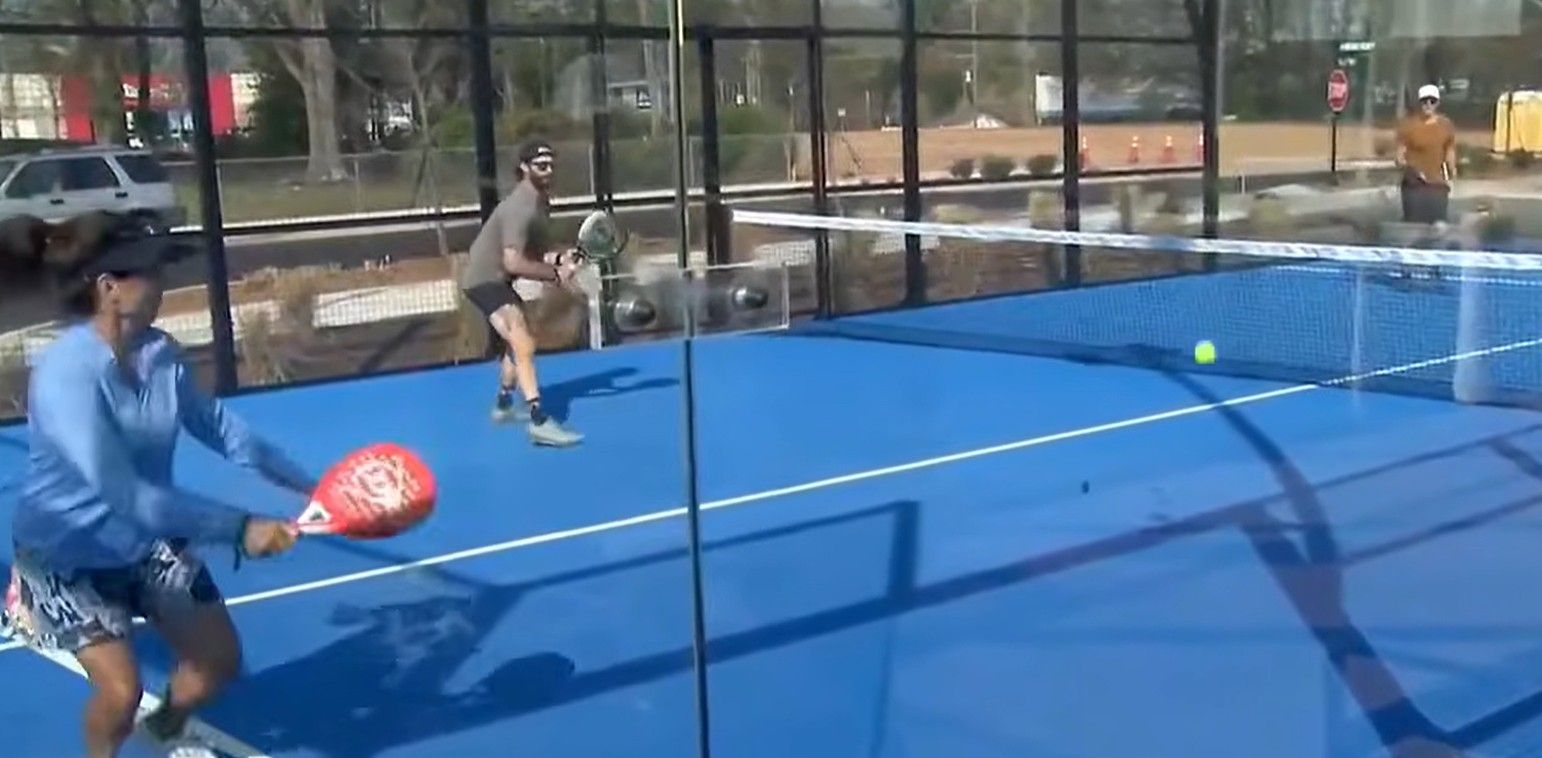
From Uber's CEO to hedge fund founders, the courts are filling up—courts grew 45% in under a year, and with CNBC national broadcasts, infrastructure, capital, and media are converging
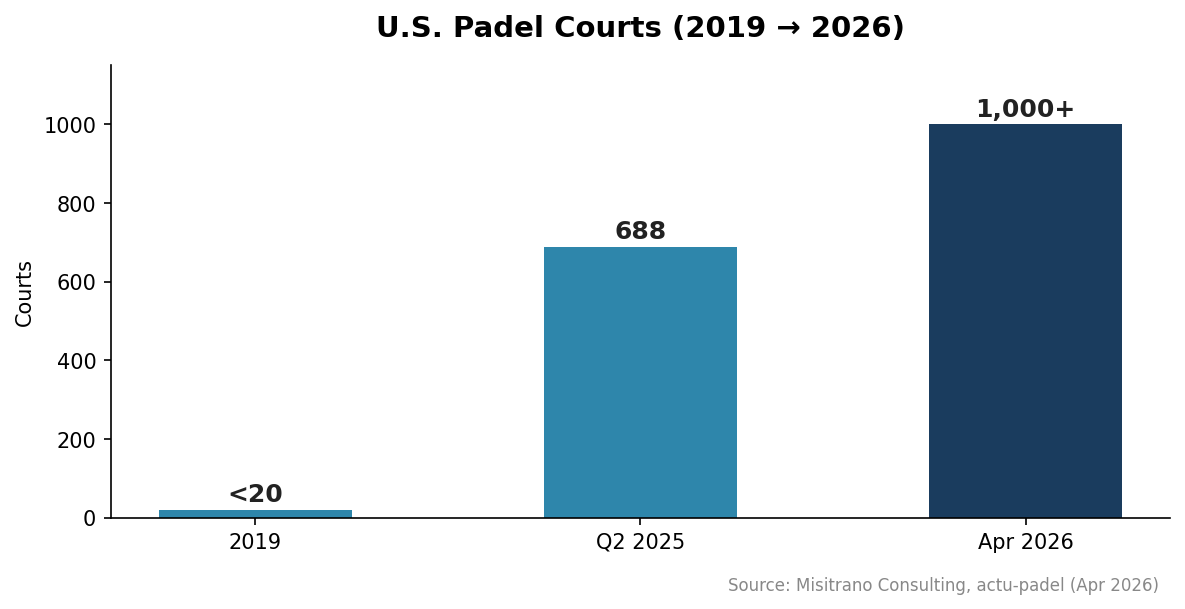
The U.S. padel market has crossed an infrastructure threshold. From fewer than 20 courts in 2019, the country passed the 1,000-court mark in early April 2026—up roughly 45% from 688 courts in Q2 2025, in less than a year.
The number of states with courts expanded from 31 to 37, and 39% of all courts are indoor facilities, anchoring a year-round business model. What is driving this growth is not the mass market but capital. As The Information reported on July 4, tech and finance elites—Uber CEO Dara Khosrowshahi and Coatue Management founder Philippe Laffont among them—have taken up the sport as both players and investors, turning padel into a networking hub and a trophy asset.
 Jung Han

Layered on top are the Pro Padel League's (PPL) national broadcasts on CNBC and Premier Padel's Miami P1 tournament. U.S. padel has entered the early phase of its transition from a participation sport to a spectator sport.
Courts have multiplied this quickly because the supply structure changed. Unlike tennis facilities built from the ground up, padel courts are manufactured and assembled as kits—and with domestic kit manufacturers emerging where imports once dominated, and specialized installers multiplying, entry costs have fallen. Existing racket-sport infrastructure is acting as a distribution network as well: 30% of U.S. pickleball venues already offer padel courts.