
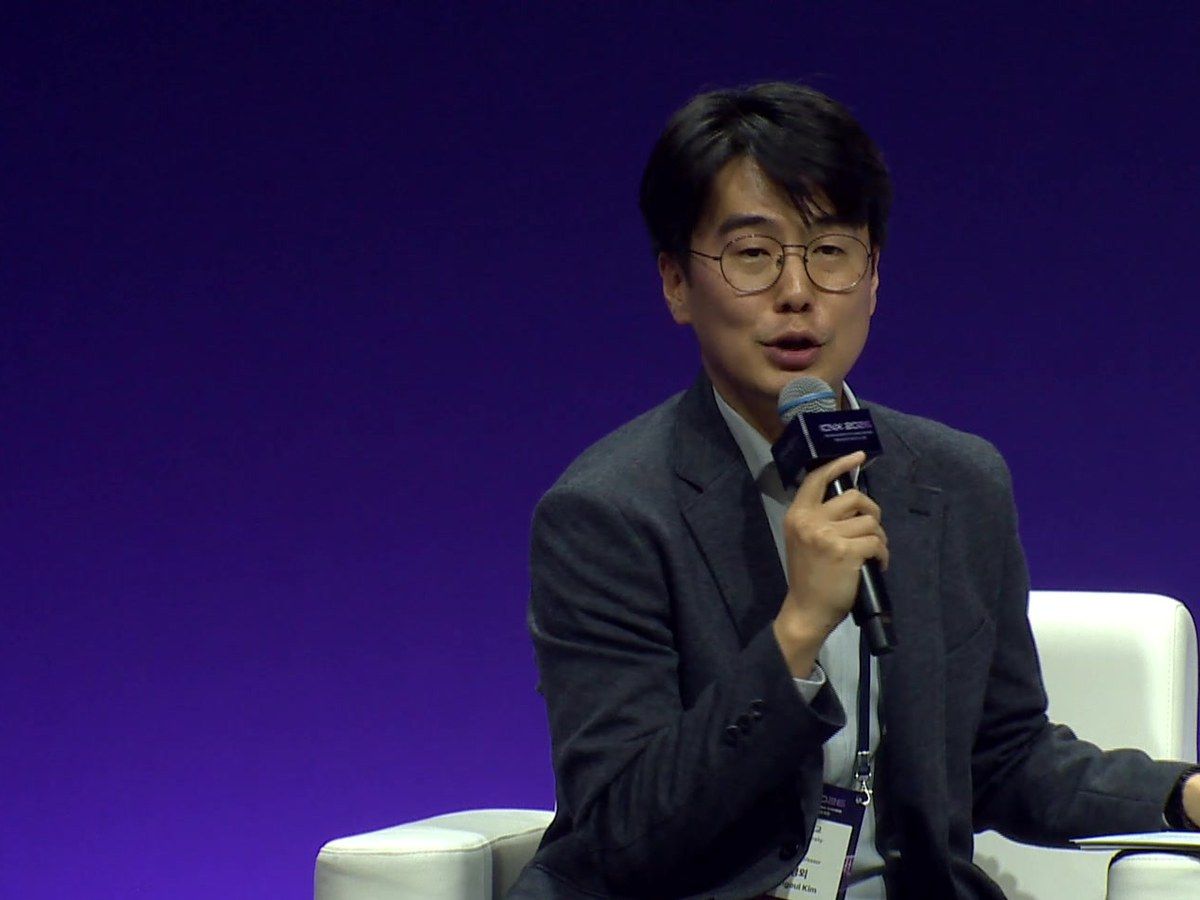
Jeon Seung-hoon on "P times Q" and thin overseas ad sales, Lim Da-sol on payment after five to 10 turns, Jayce Tham on why 100 hours of unwanted content is worthless. Full panel video
At the ICNX 2026 Session 4 panel, Yonsei professor Kim Kyung-oe asked about overseas ad sales, payment conversion, AI production costs and growth over the next three years. Jeon, Lim and Tham answered in turn. The full panel is now available with subtitles in four languages.
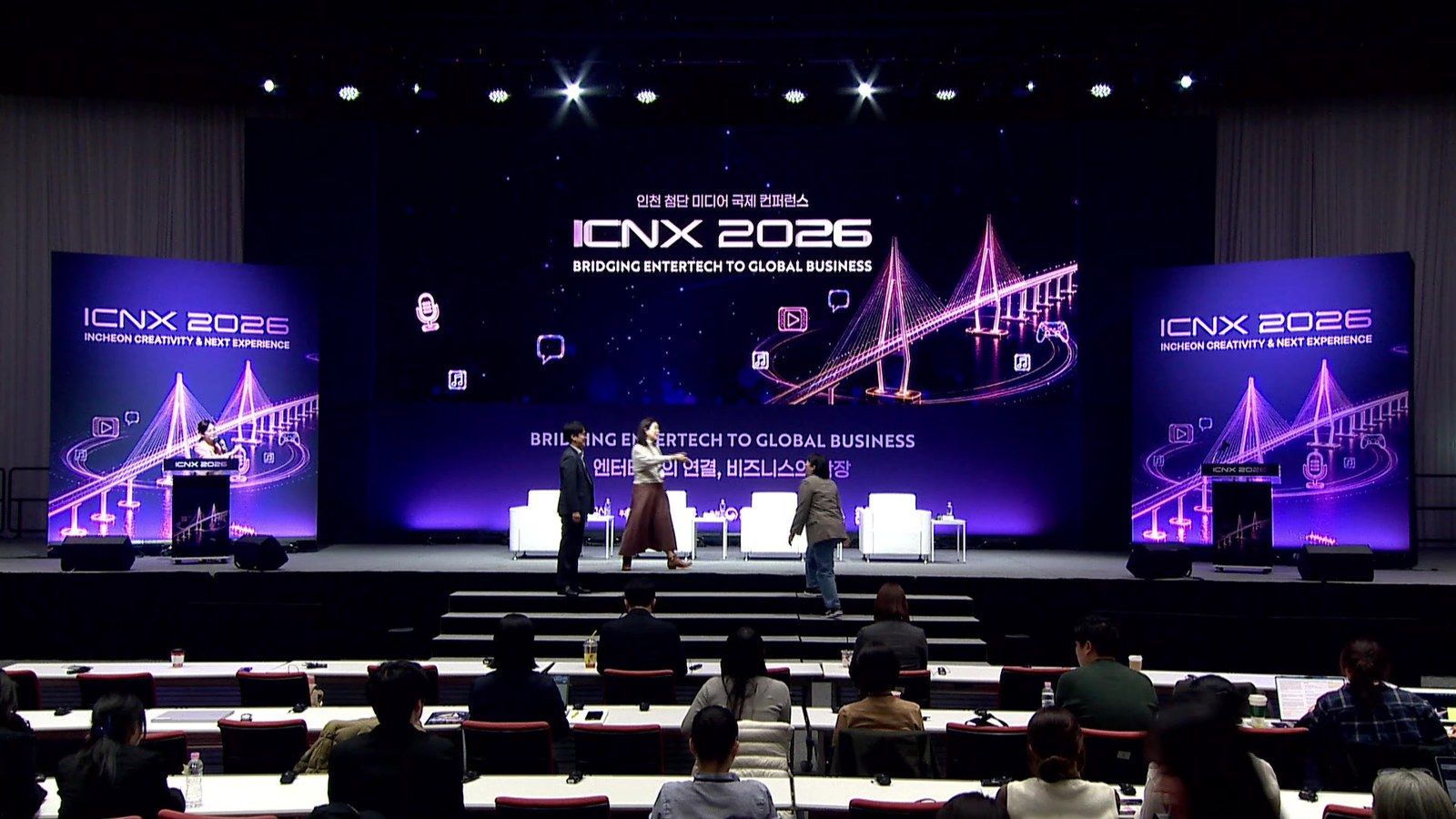
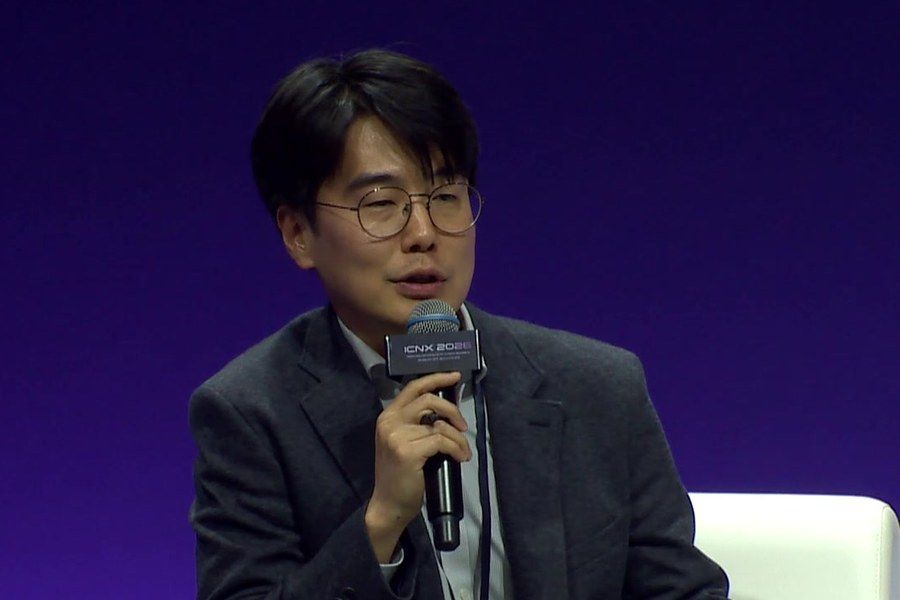
After the three talks, ICNX 2026 Session 4, "Where Does Revenue Come From After Subscription?", continued with a roughly 21-minute panel. Moderator Kim Kyung-oe (김경외), a professor at Yonsei University's Underwood International College, questioned each speaker, then took questions from the floor and posed a common question. The full panel, held on Nov. 4 at Songdo Convensia (송도컨벤시아) in Incheon, is available below with Korean, English, Japanese and Chinese subtitles.
Tham: "AI is a probabilistic tool," and more output means more cost

The first question was about AI production costs. "AI is a tool based on probability, so there will be times when it won't give us the content we want," said Jayce Tham, co-founder of CreativesAtWork and DEAR.AI. "The more we generate, the more credits we need, and that increases cost." DEAR.AI therefore concentrates AI on visualization before production. "If people don't want to watch it, even 100 hours of it won't amount to anything," she said.
Jeon: "Sales is P times Q," but Korea lacks direct ad sales abroad

Kim asked Jeon Seung-hoon (전승훈), head of planning at MBC and a director at Smart Media Rep (SMR), how hard it has been to win advertisers overseas. "Sales is P times Q, price multiplied by how much you sell," Jeon said, naming CPM, inventory, view time and fill rate as the variables. "A channel's rate goes up when people stay on it long and come back often," he said, adding that building a channel's recognition takes time.
"Selling the inventory ourselves is better for margins, but Korean media lack the touchpoints to run an ad business in North America or Europe," Jeon said. He proposed that government and local authorities spend part of their overseas promotion budgets on K-FAST channels, citing the Korea Tourism Organization (한국관광공사), which runs a promotional short drama starring Park Bo-gum as ads on Series K and other channels. Kim noted that the shift to FAST needs broad government support, not just content companies.
Lim: get past five to 10 turns and a small conflict, and users become fans

Lim Da-sol (임다솔), CEO of Modive (모다이브), was asked what tips free users into paying. "With genre dramas like BL and GL, many users arrive already fans of the character, so conversion is high," she said. For mainstream content, users pay once a chat passes five to 10 turns and they have shared an experience. "On a blind date, if the other person just keeps agreeing, you don't want to meet again," she said. "When they go through a smaller conflict than expected and get past it, they tend to become fans."
From the floor: "Singapore is the gateway to Southeast Asia"
An attendee developing educational animation asked about taking Korean animation to Singapore. Tham advised treating Singapore as a gateway to Southeast Asia rather than a market on its own, suggested Comic Con in Singapore each December as a first stop, and noted that price points differ by country.
The next three years: fandom, one-source multi-use and branded storytelling
The common question asked for the biggest growth opportunity beyond subscription over the next three years. "Building fans who move first is the fastest way to grow," Lim said, adding that content fandom will play a big role in the early stage of the next revenue source.
Jeon chose one-source multi-use. "Each industry thought it was doing everything well on its own, and broadcasters, too, were stingy about opening up and partnering," he said, pointing to Japan's production committees, where webtoon, production and game companies grow one IP together. Tham chose branded storytelling with vertical drama and "phygital" content that merges physical and digital space.
Moderator's wrap: "not for industry alone"
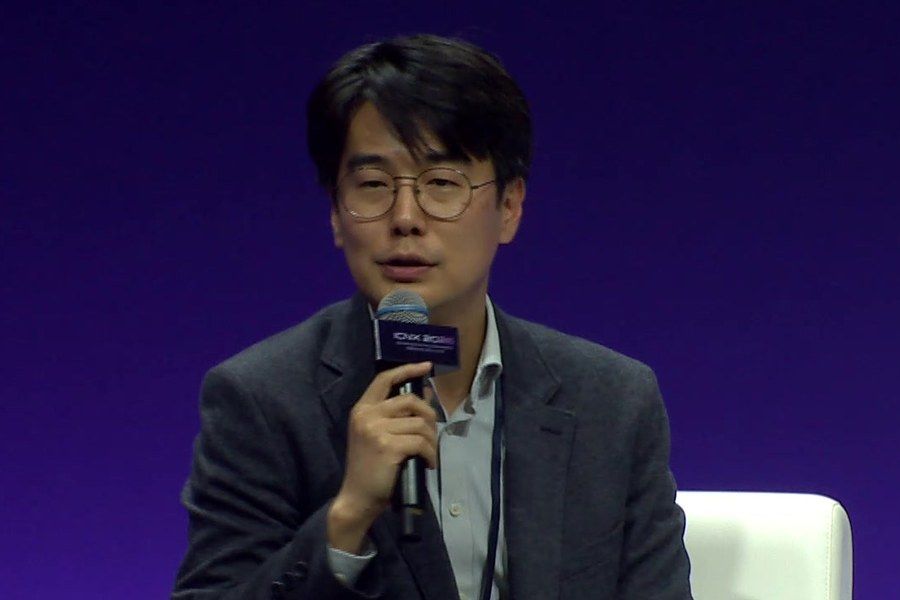
Kim summed up that K-content may look like it is doing well, but inside it are efforts to fix revenue structures and secure sustainability. "We shouldn't leave this to industry alone; I hope the government will step in and help solve the practical problems," he said. Overseas ad sales, IP rights and how public promotion budgets are spent are the tasks the panel left on the table.
Session 4 stories: Overview · Modive, Lim Da-sol · DEAR.AI, Jayce Tham · Series K, Jeon Seung-hoon