
English
We bring the entertainment tech industry, its people, and on-the-ground news to a global audience
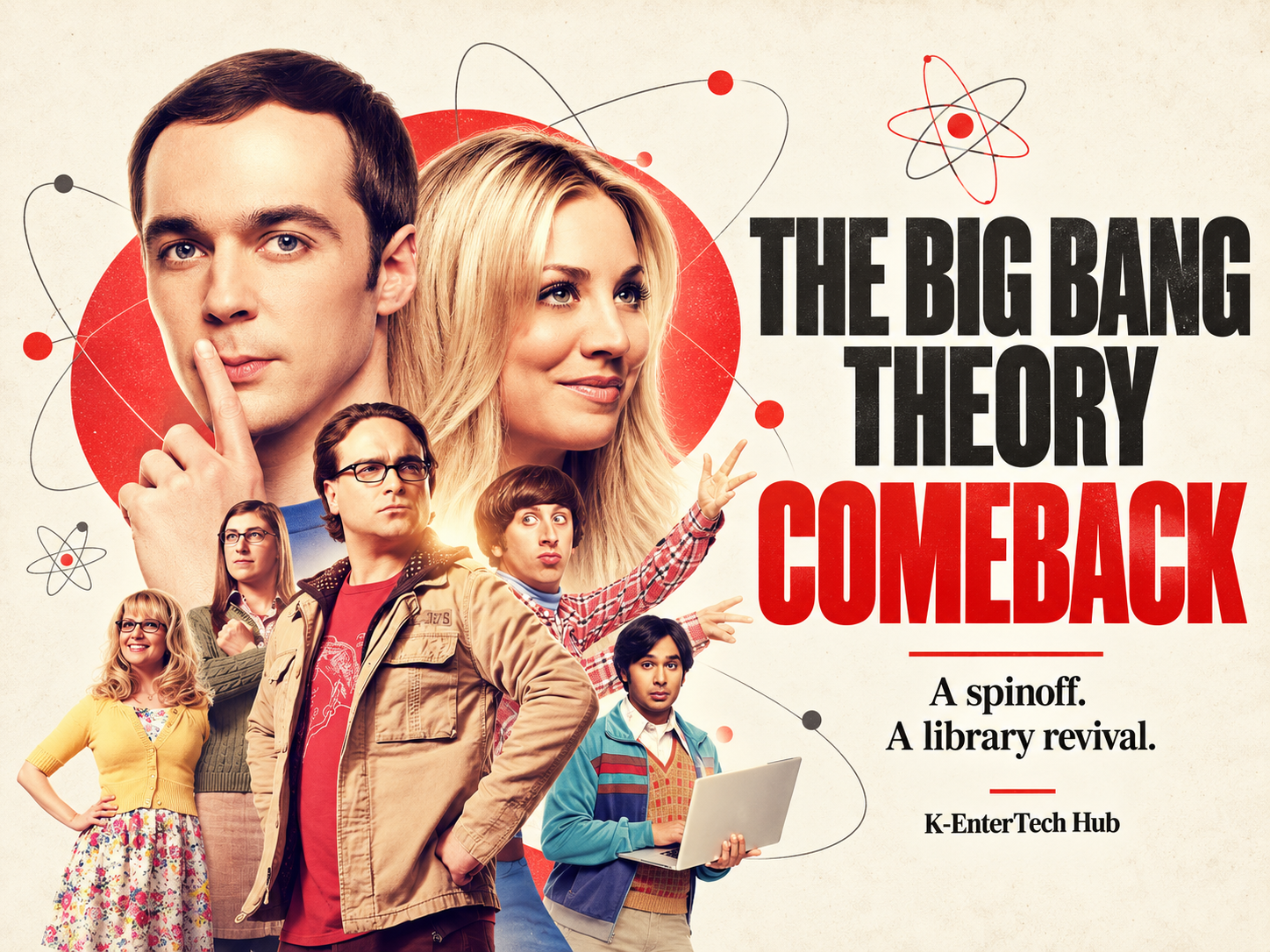
The Big Bang Theory comeback puts library strategy in the spotlight
The Big Bang Theory topped Nielsen’s US streaming chart with 1.14 billion minutes after a new spinoff launched. Its comeback shows why studios should plan new releases and library rights together—and why Korean IP owners should take notice.

Anti Fund passes $180 million in assets: distribution as an investing edge
Creators are moving from ad fees to equity. Jake Paul’s Anti Fund manages over $180 million, while Steven Bartlett’s OBSN plans to invest up to $400 million. Roles, vesting and conflicts of interest matter as much as the stake.

A new route to listeners for Jeongseon Arirang “Flow and Return,” a folk song remade with AI
MURÉ reimagines Jeongseon Arirang through human–AI collaboration. Backed by Jeongseon County and produced by illi-m, Flow and Return is set for a global song and music video release on October 1, followed by a festival performance on October 2.

AI and media talks turn to paying for use
AI-media negotiations are expanding into payment for content use. Axios counts 299 deals against 107 lawsuits. As Google tests contribution-based rewards and Microsoft develops a content marketplace, publishers need verifiable usage records and clear payment terms.

Court halts White House press ban on due-process grounds
A 14-day court order restored White House access for CNN, MS NOW and Politico over due process concerns. A TV pool stoppage and the launch of Trump TV raised questions about who controls presidential coverage and how news outlets retain editorial independence.

Publishers are losing search traffic. Korean news needs a plan beyond the race for visits
AI answers draw on journalism, but fewer readers reach publishers. Growing chatbot referrals have yet to fill the search traffic gap. We examine what comes next for Korean news: direct reader relationships, distinctive reporting and payment for AI use.
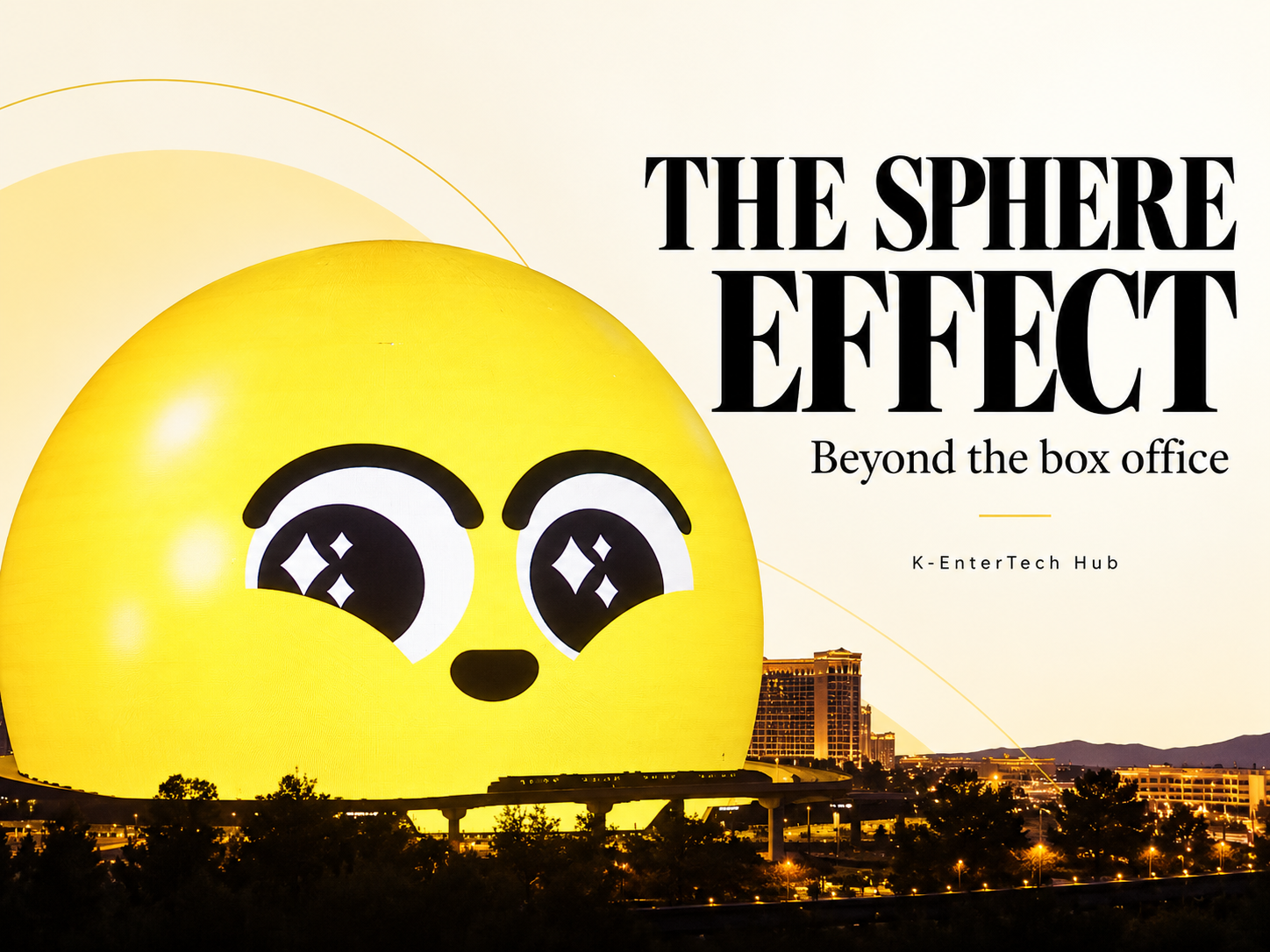
An ecosystem for immersive venues: Sphere at three, and where K-content and K-pop fit
Sphere is reshaping live entertainment and music discovery. Luminate finds streaming gains for U2 and Anyma, while The Wizard of Oz tops $450 million in ticket sales. We examine the business model and what it means for Korean content companies.
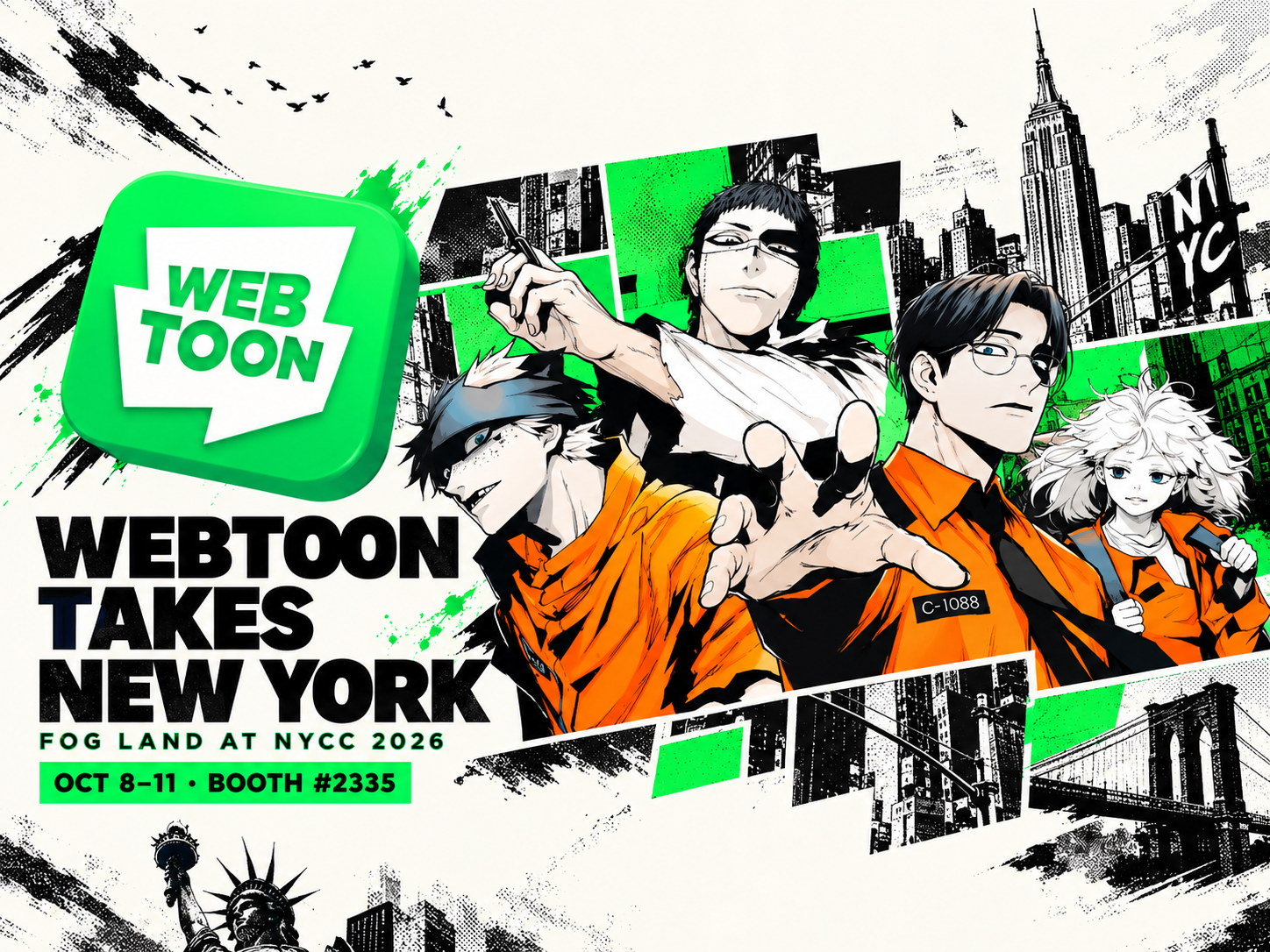
WEBTOON takes its IP from New York Comic Con to Hulu
WEBTOON Entertainment is building its Oct. 8–11 New York Comic Con booth, #2335, around a single new series, Fog Land, with a photo zone, a giant gacha machine, street performers, six creator signings and four panels.

Washington picks existing law over new AI rules
Trump’s AI agenda favors existing laws over new regulation. As Washington debates growth and safety, Korean content companies face different expectations across markets for AI oversight, transparency and audience trust.
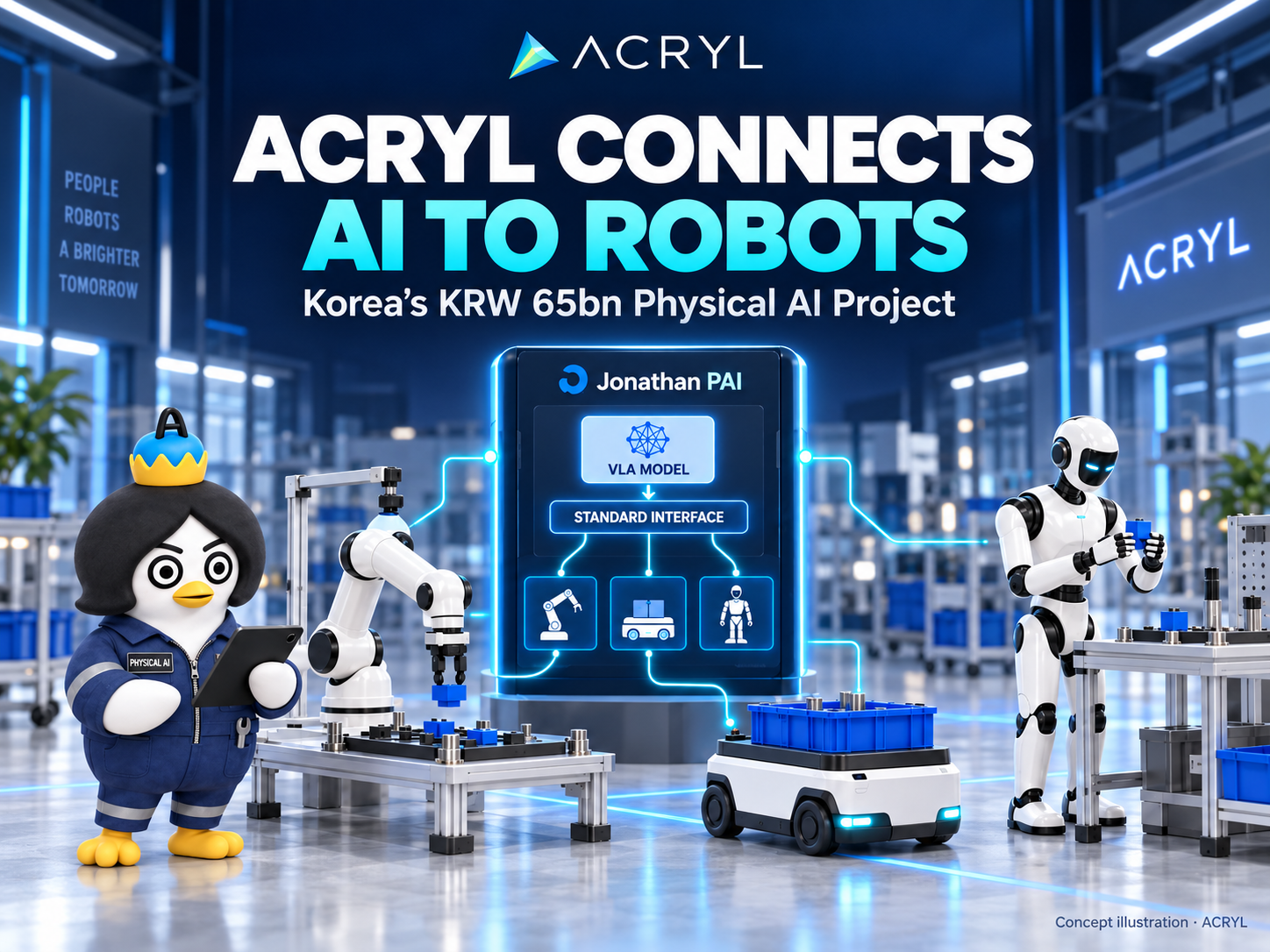
Acryl Takes Robot Integration Role in Korean Physical AI Project
Acryl joins a KRW 65 billion Korean physical AI project, with Jonathan PAI used to measure robot integration. The consortium targets at least seven robot types by 2030, with manufacturing trials and robot-based subscription licensing planned.
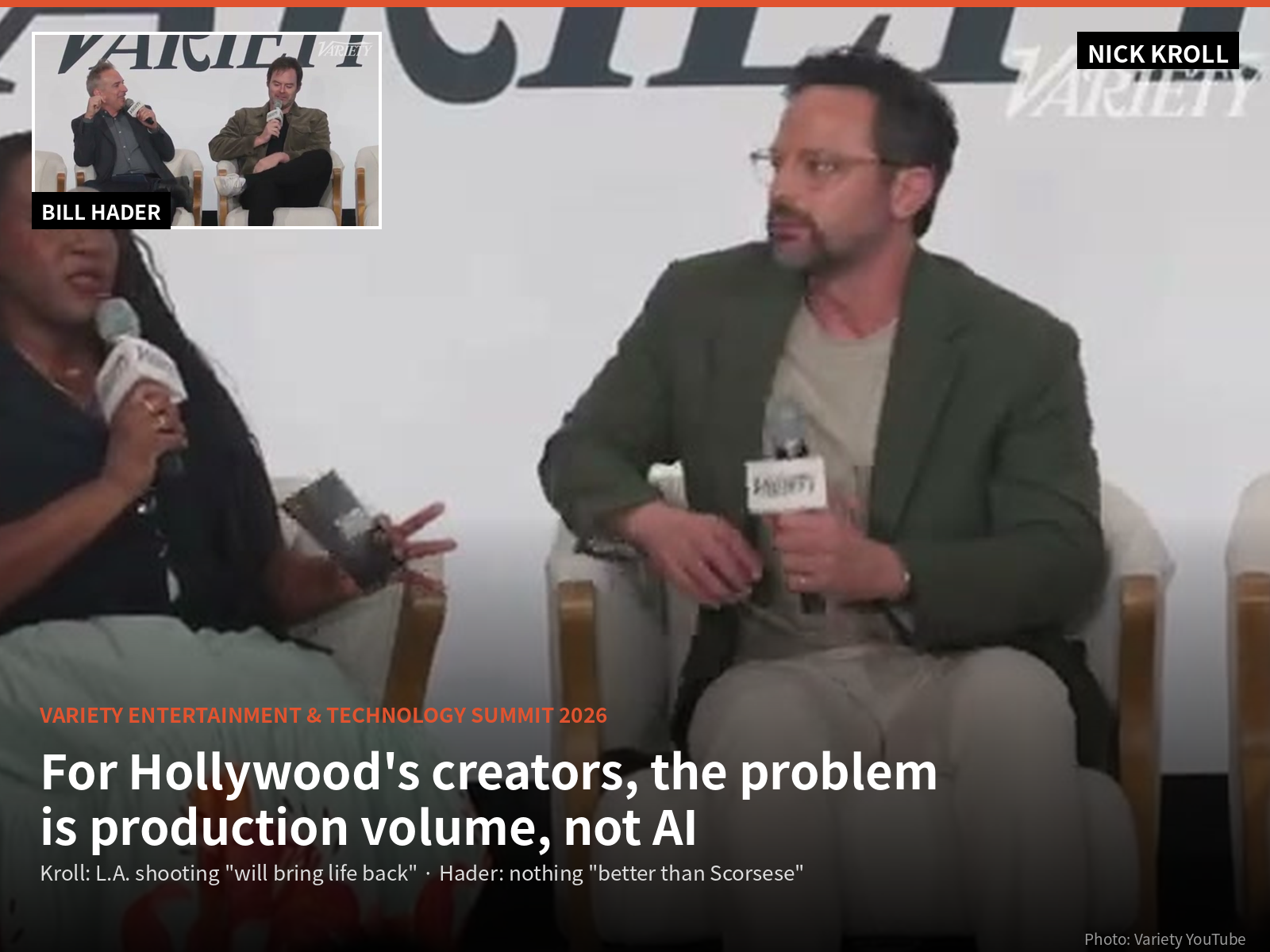
For Hollywood's creators, the problem is production volume, not AI
At the Variety Entertainment & Technology Summit on September 17, Nick Kroll explained his decision to shoot his new Netflix comedy in Los Angeles in terms of the city's shrinking production volume, and Bill Hader said he had yet to see AI output that beat Scorsese.

Hollywood puts limits on AI actors while opening the door to production tools
Hollywood is bringing AI into production while setting limits on synthetic actors. Disney’s CTO hire, studio deals and union contracts reveal the shift. Audience surveys draw a similar line, while payment for training data remains unresolved.